Portret van Filips van Hessen — History & Analysis
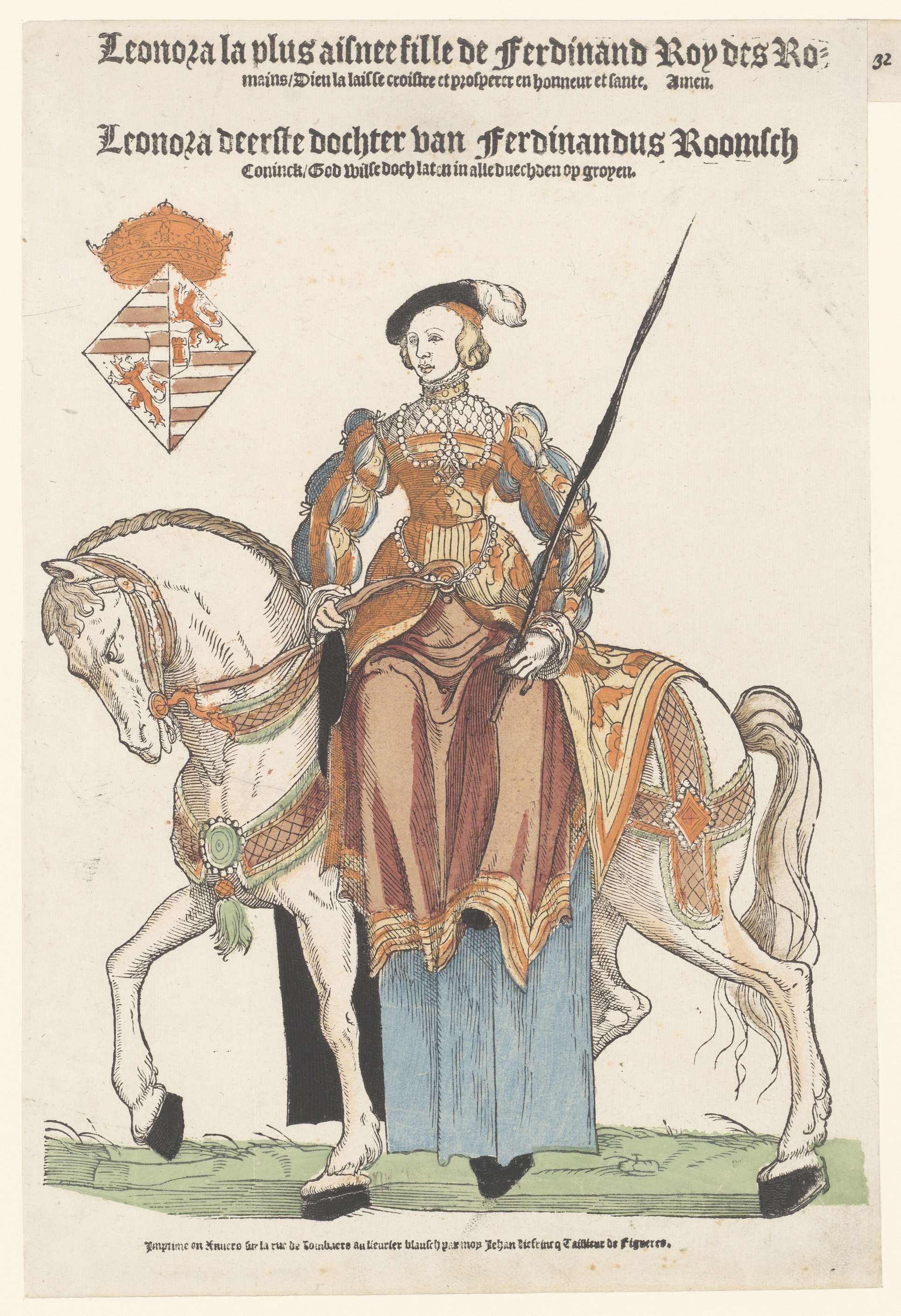
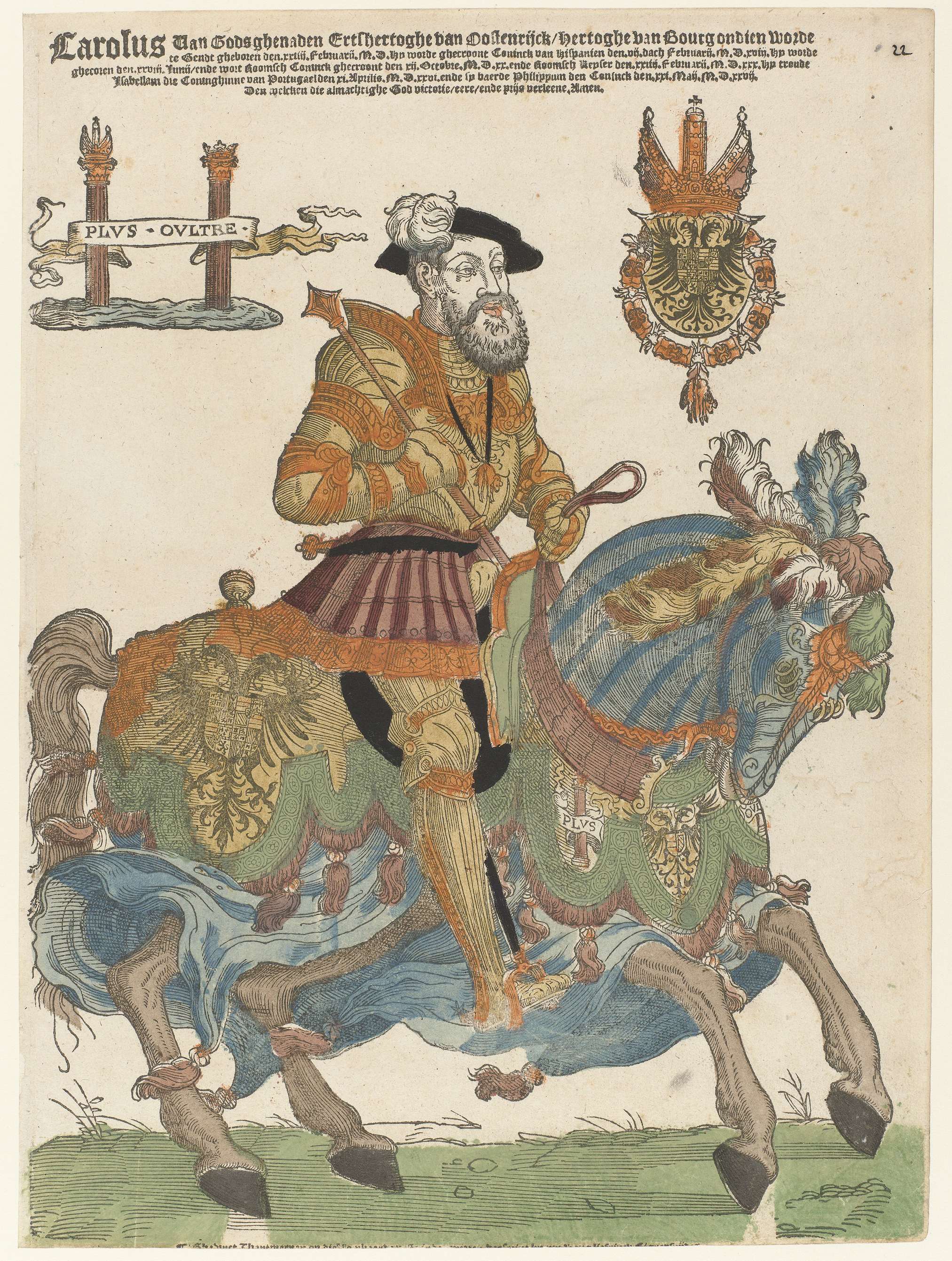
When did color learn to lie? As pigments dance across the canvas, they weave a tale that transcends mere representation, inviting viewers to ponder the hidden depths of identity. Focus on the commanding figure at the center of the composition, a solemn portrait that captures the essence of Filips van Hessen. His attire, rich and sumptuous in deep reds and golds, draws the eye, while the intricate detailing of the fabric hints at his noble stature.
Notice how the soft light caresses his face, accentuating the thoughtful lines and furrowed brow, creating a striking juxtaposition between power and vulnerability. The tension within this portrait lies in the interplay of colors and expressions, revealing layers of meaning beneath the surface. The deep hues may suggest opulence, yet they also evoke a sense of melancholy, reflecting the burdens of leadership. Perhaps the slight furrow in his brow signifies the weight of expectation, while the piercing gaze invites speculation about his inner thoughts and struggles—an invitation to explore the dualities of his character.
Liefrinck, creating this piece between 1539 and 1547, was immersed in the vibrant artistic environment of the Northern Renaissance. This was a period marked by a heightened interest in realism and human emotion, reflecting the changing tides of society and politics. The artist, likely navigating his own place within this evolving world, utilized his skill to capture not just a likeness, but the very essence of a man who stood at the crossroads of history.