
Portret van Franciscus Junius de Jongere — History & Facts
Who listens when art speaks of silence? In an age where decay is woven into the fabric of existence, the resonance of stillness becomes a haunting echo. Look to the left at the figure of Franciscus Junius de Jongere, his visage meticulously etched with delicate lines that seem to whisper stories of time. The chiaroscuro technique reveals his thoughtful expression, where light gently caresses one side of his face, throwing the other into shadow. Notice the subtle warmth of the earth-toned palette, which contrasts with the coolness of his attire, suggesting an inner warmth battling the chill of mortality.
The background, nearly abstract, fades into a muted gray, emphasizing the subject and invoking an aura of isolation. In this portrayal, an unsettling tension emerges—a juxtaposition of presence and absence. The slight furrow of Junius’s brow hints at introspection, while the unembellished simplicity of his attire speaks of humility in the face of inevitable decline. Details such as the faint whispers of decay in the texture of the canvas underscore the transient nature of human life and the artist’s awareness of the fleeting moments that define our existence. Created in 1641, this portrait reflects Wenceslaus Hollar's dedication to capturing the essence of his subjects during a time of personal and artistic upheaval.
Living in London as a notable printmaker and draftsman, Hollar was immersed in a world where Baroque art flourished, yet he uniquely carved a niche by focusing on the emotional depth and introspective qualities of his subjects. This era of his life was marked by both personal struggles and the broader cultural shifts of the 17th century, giving rise to artwork that resonates with poignant introspection.
More Artworks by Wenceslaus Hollar
Browse all →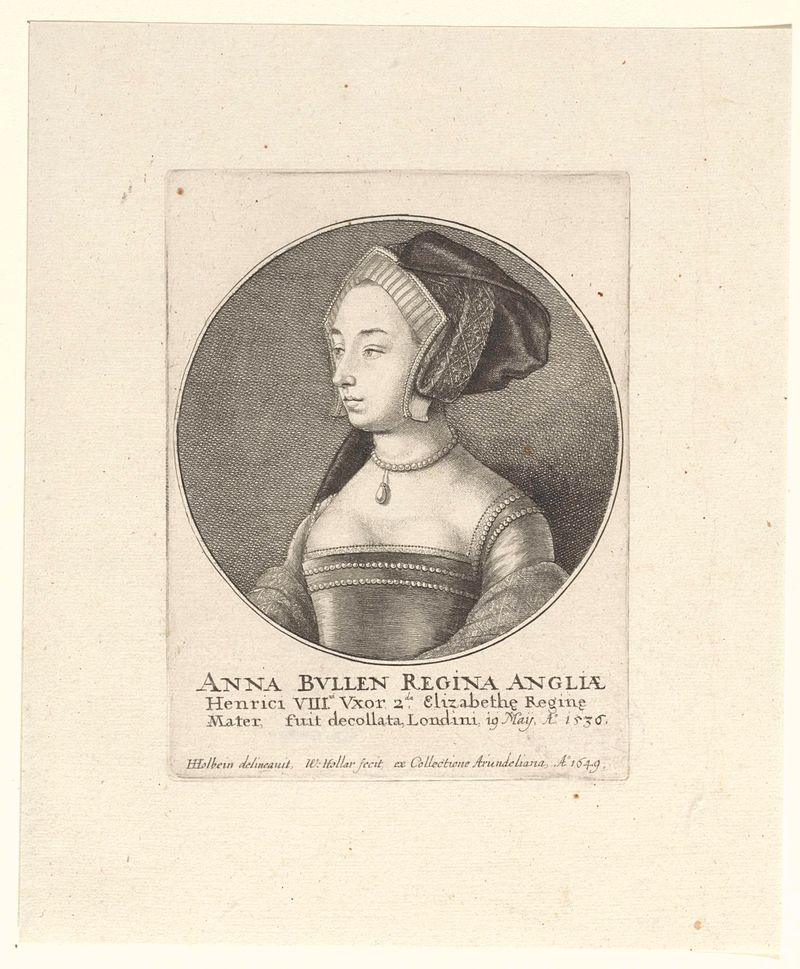
Portret van Anna Boleyn, koningin van Engeland
Wenceslaus Hollar
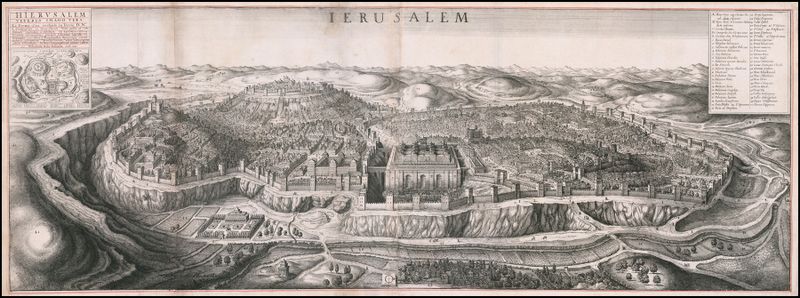
Bird’s eye view of Jerusalem
Wenceslaus Hollar
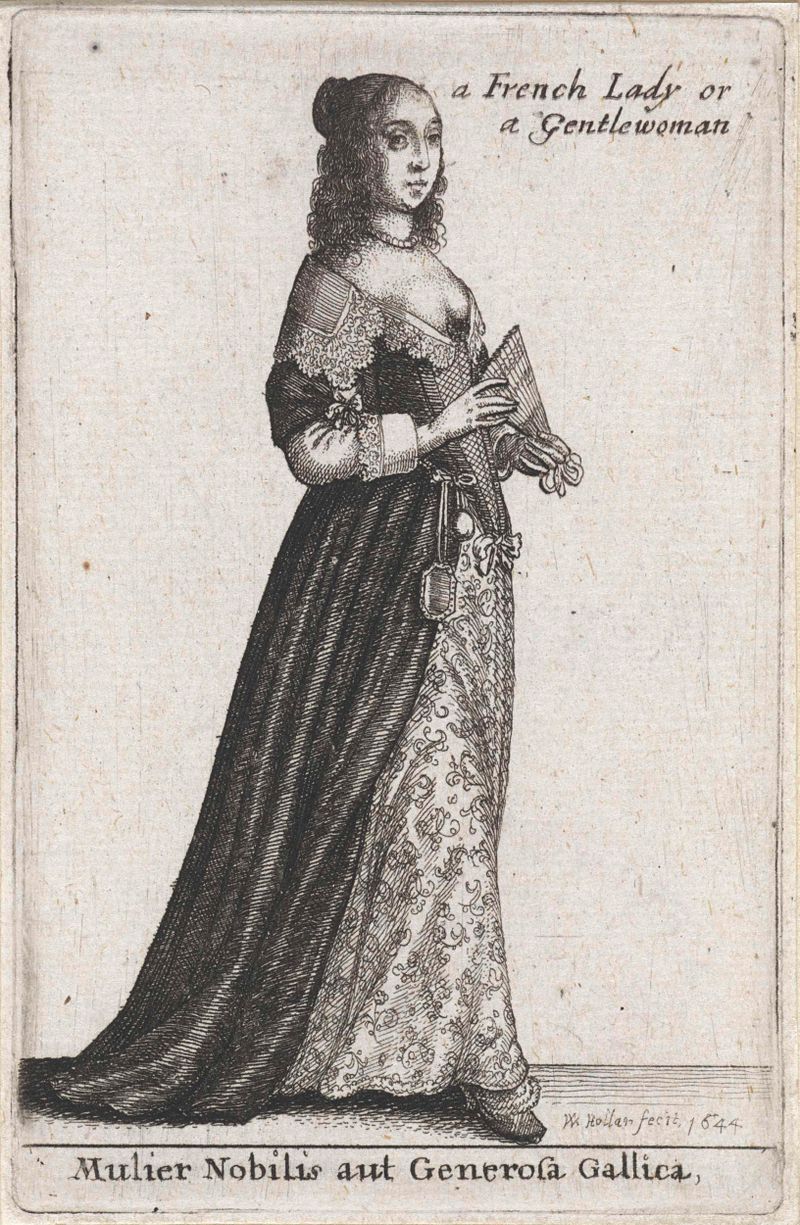
Mulier Nobilis aut Generosa Gallica / a French Lady or Gentlewoman
Wenceslaus Hollar
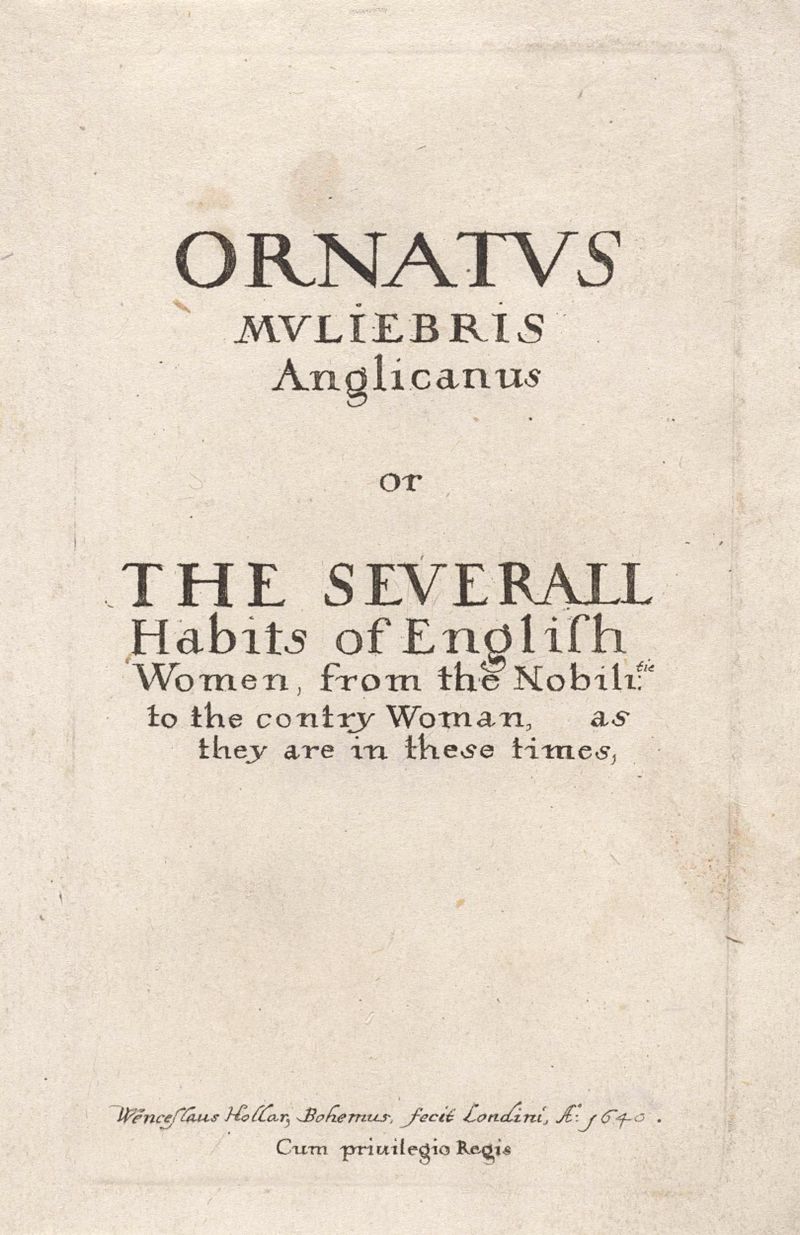
Titelprent voor: Ornatus Muliebris Anglicanus
Wenceslaus Hollar
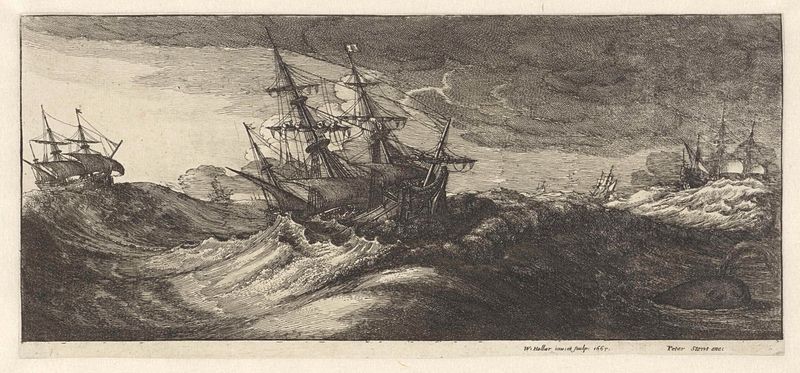
Oorlogsschepen en een walvis in een zeestorm
Wenceslaus Hollar
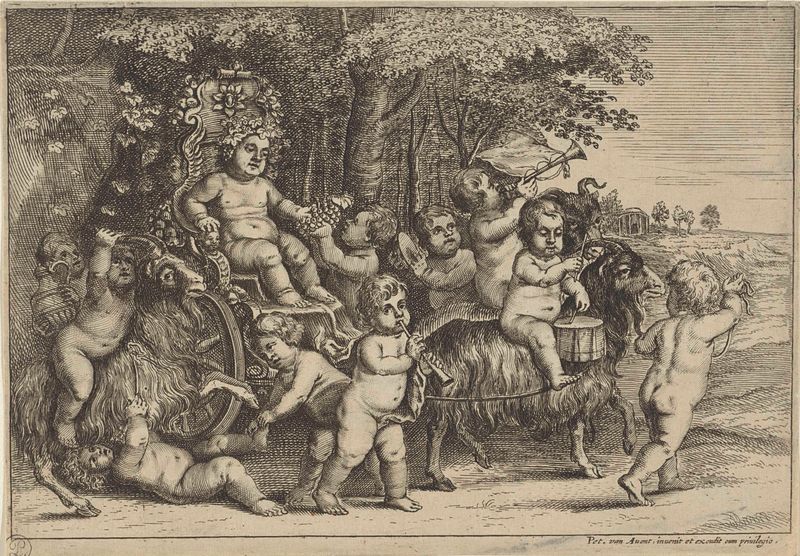
Optocht van bacchant en jongetjes op geiten
Wenceslaus Hollar
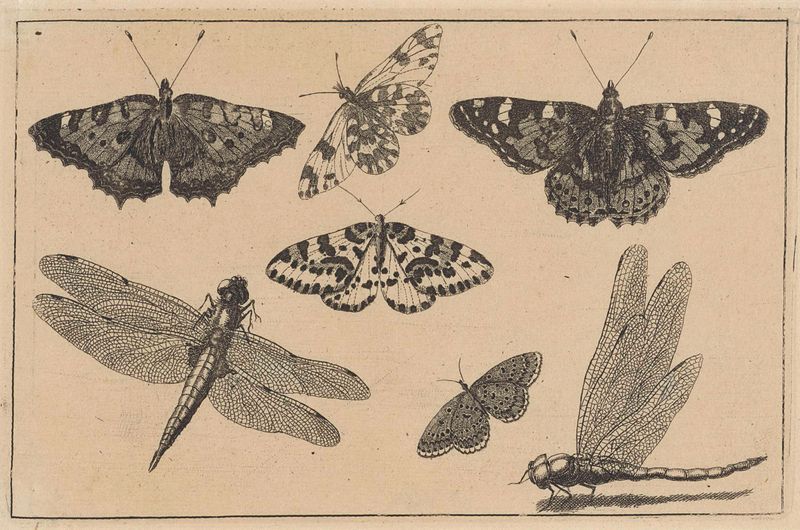
Twee libellen en vijf vlinders
Wenceslaus Hollar
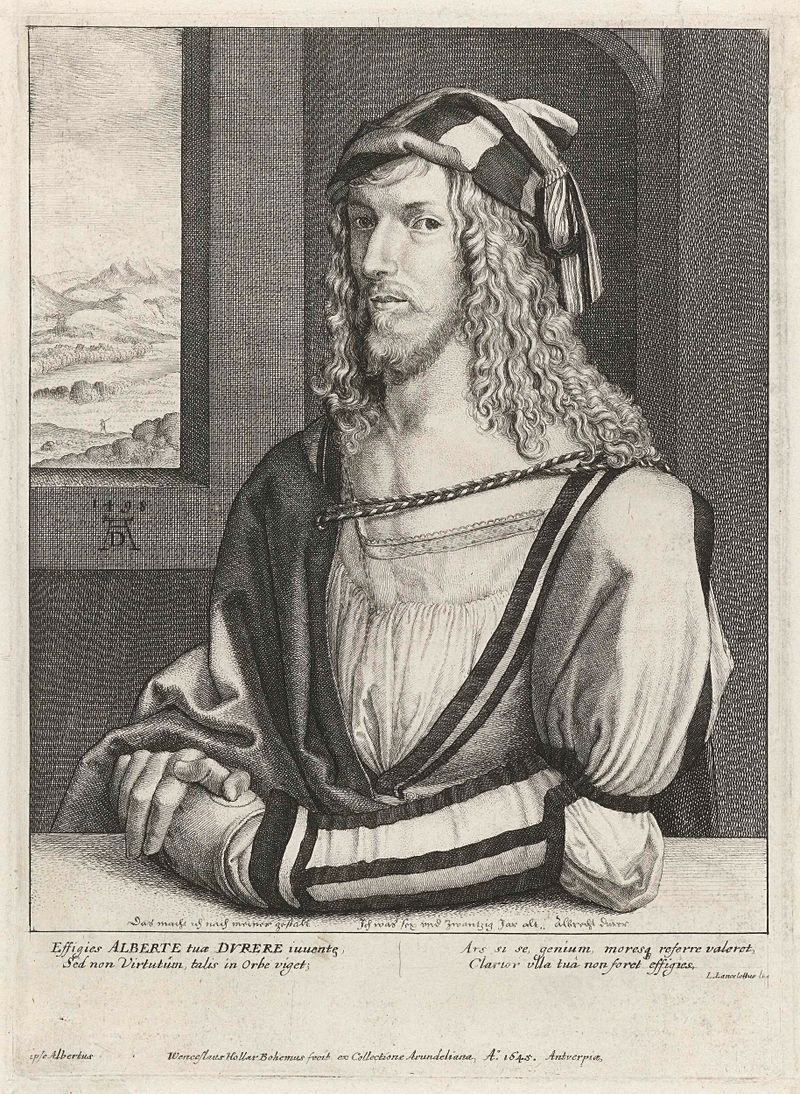
Portret van Albrecht Dürer
Wenceslaus Hollar
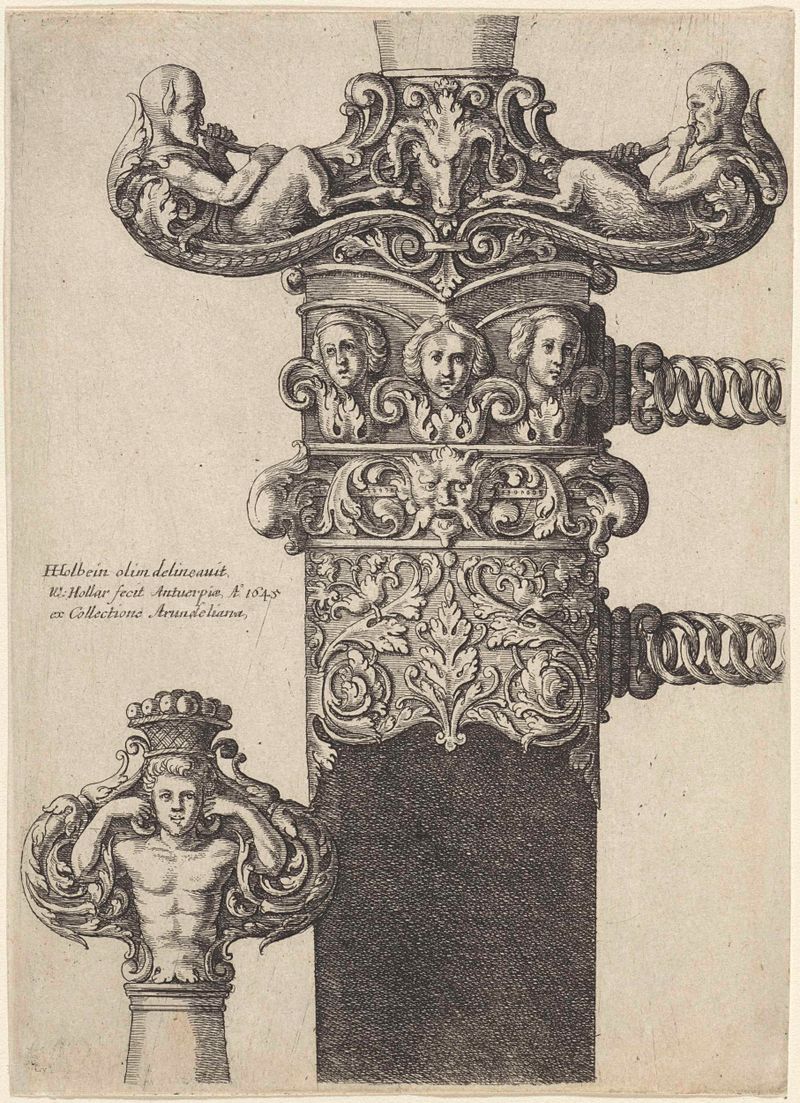
Ornamenteel ontwerp voor een dolk
Wenceslaus Hollar
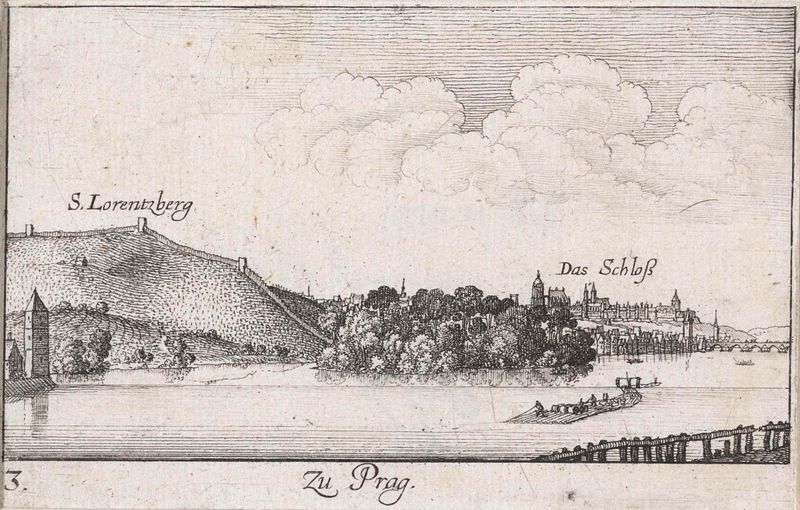
Gezicht op Praag vanaf de Moldau
Wenceslaus Hollar
More Portrait Art
Browse all →
Las meninas
Diego Velázquez

Self-portrait with a Bandaged Ear and Pipe
Unidentified artist

Girl with a Pearl Earring
Johannes Vermeer

The Sampling Officials of the Amsterdam Drapers’ Guild, Known as ‘The Syndics’
Rembrandt van Rijn

The Hundred Guilder Print: the man seen on the back in the lower left corner
Rembrandt van Rijn

Portrait of Dr Gachet
Vincent van Gogh