
Portret van Maria van Gulik te paard — History & Facts
Can paint confess what words never could? In the rich tapestry of Portret van Maria van Gulik te paard, emotion and awe intertwine, inviting viewers into a silent dialogue between canvas and soul. Focus first on the noble figure at the center, Maria van Gulik, poised elegantly atop her steed. The artist's meticulous attention to detail captures the soft gleam of her silk attire, the way it drapes against her form. Notice how the light dances across the horse's glossy coat, creating a harmonious interplay between the subject and her majestic companion.
The composition balances the vibrant colors of her clothing with the earthier tones of the background, grounding the portrait in both elegance and reality. Delve deeper into the subtleties of this interaction. The slight tilt of Maria's head, her poised posture, and the gentle grip she maintains on the reins evoke a sense of both confidence and vulnerability. Each brushstroke unveils a narrative of social status intertwined with personal identity, hinting at the societal norms of the time.
The horse, a symbol of power and grace, stands as a silent partner in this moment, reflecting the complexities of human relationships and societal expectations. Created between 1700 and 1800, this portrait emerged during a period when the Netherlands experienced a flourishing of art and portraiture, showcasing wealth and identity. Cornelis Anthonisz., an accomplished Dutch painter, was influenced by the trends of his time, focusing on capturing not just the likeness but the essence of his subjects. As societal structures began to shift, his work embodied the intricate balance between individuality and societal perception.
More Artworks by Cornelis Anthonisz.
Browse all →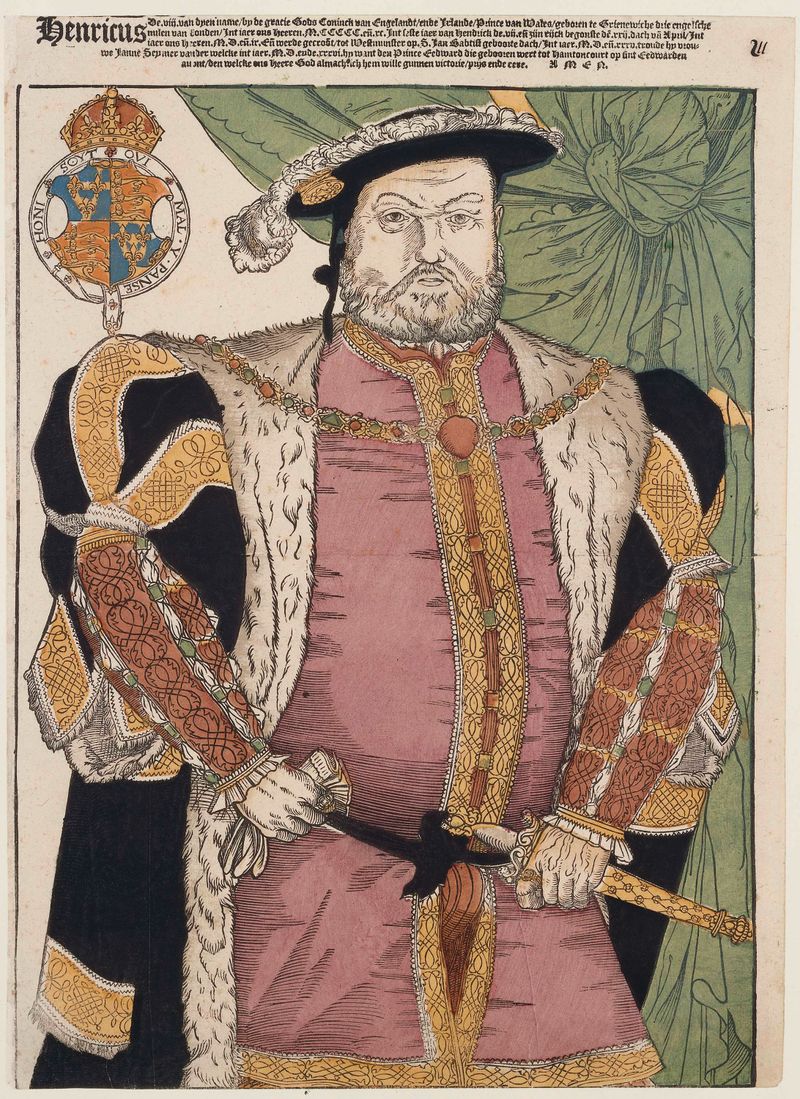
Portret van Hendrik VIII van Engeland
Cornelis Anthonisz.

Portret van Hendrik VIII van Engeland
Cornelis Anthonisz.

Portret van Maarten van Rossum te paard
Cornelis Anthonisz.
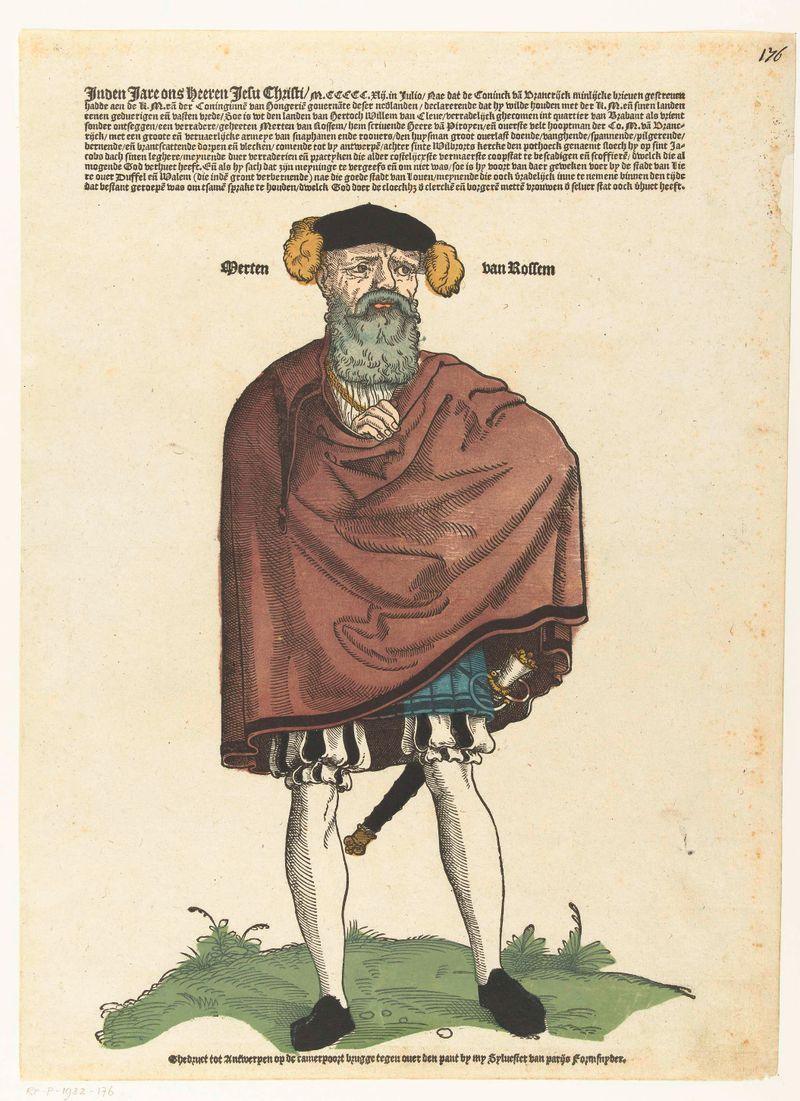
Portret van Maarten van Rossum
Cornelis Anthonisz.

De verloren zoon eet uit de varkenstrog
Cornelis Anthonisz.
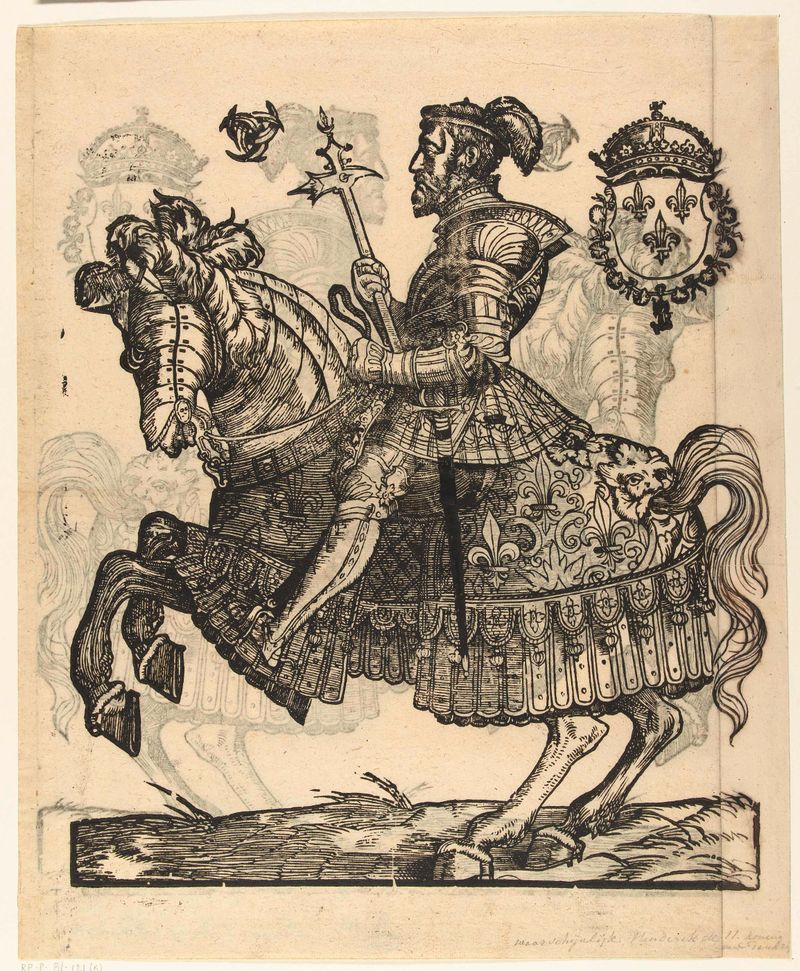
Portret van Hendrik II van Frankrijk te paard
Cornelis Anthonisz.

Portret van hertog Willem van Kleef, Gulik en Berg, graaf van Mark, heer van Ravenstein te paard
Cornelis Anthonisz.

Portret van Karel V te paard
Cornelis Anthonisz.

Portret van Maria van Hongarije te paard
Cornelis Anthonisz.
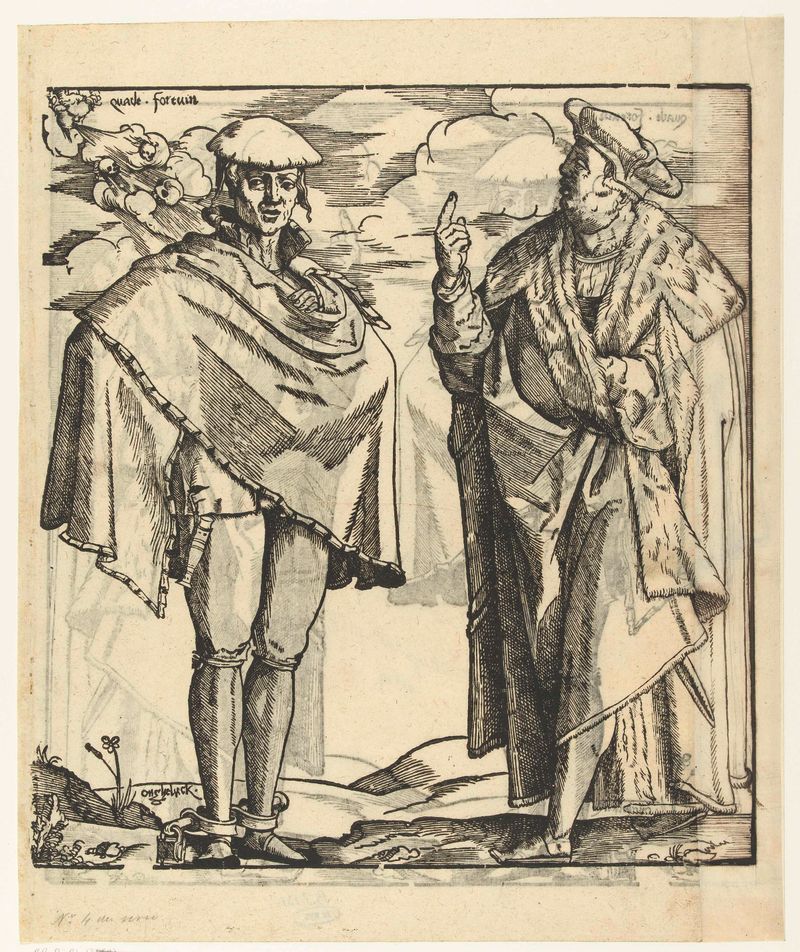
De lichtzinnige jeugd
Cornelis Anthonisz.
More Portrait Art
Browse all →
Las meninas
Diego Velázquez

Self-portrait with a Bandaged Ear and Pipe
Unidentified artist

Girl with a Pearl Earring
Johannes Vermeer

The Sampling Officials of the Amsterdam Drapers’ Guild, Known as ‘The Syndics’
Rembrandt van Rijn

The Hundred Guilder Print: the man seen on the back in the lower left corner
Rembrandt van Rijn

Portrait of Dr Gachet
Vincent van Gogh