
Portret van Pietro Aretino — History & Facts
In a world where the truth often twists behind sweet words, betrayal lurks in the shadows of facade and charm. Look to the center, where the striking figure of Pietro Aretino comes to life. His gaze, sharp and penetrating, anchors the viewer with an intensity that seems to echo across the centuries. Notice how delicate lines carve out the contours of his face, while the rich, dark background allows hues of warmth to radiate from his expression, suggesting both charisma and menace.
The subtle interplay of light and shadow reveals not only the man’s features but also hints at the complexities of his character, cloaked in layers of intellect and ambition. Consider the dichotomy present in the portrait: the juxtaposition of Aretino’s formidable presence against the muted tones that envelop him. The artist employs intricate detailing in the textures of the fabric, where each fold speaks of opulence, contrasting sharply with the moral austerity Aretino once embodied. This tension between appearance and reality raises questions about loyalty and deception, inviting the viewer to ponder what lies beneath the surface. Wenceslaus Hollar painted this portrait in 1647, during his time in England, where he experienced both artistic success and personal upheaval.
The political landscape of Europe was tumultuous, with shifting allegiances and the rise of new artistic philosophies. In capturing Aretino, a controversial literary figure known for his sharp wit and scandalous life, Hollar reflects not only his subject's notoriety but also the larger dialogues concerning art, power, and betrayal occurring in his own life and society at that moment.
More Artworks by Wenceslaus Hollar
Browse all →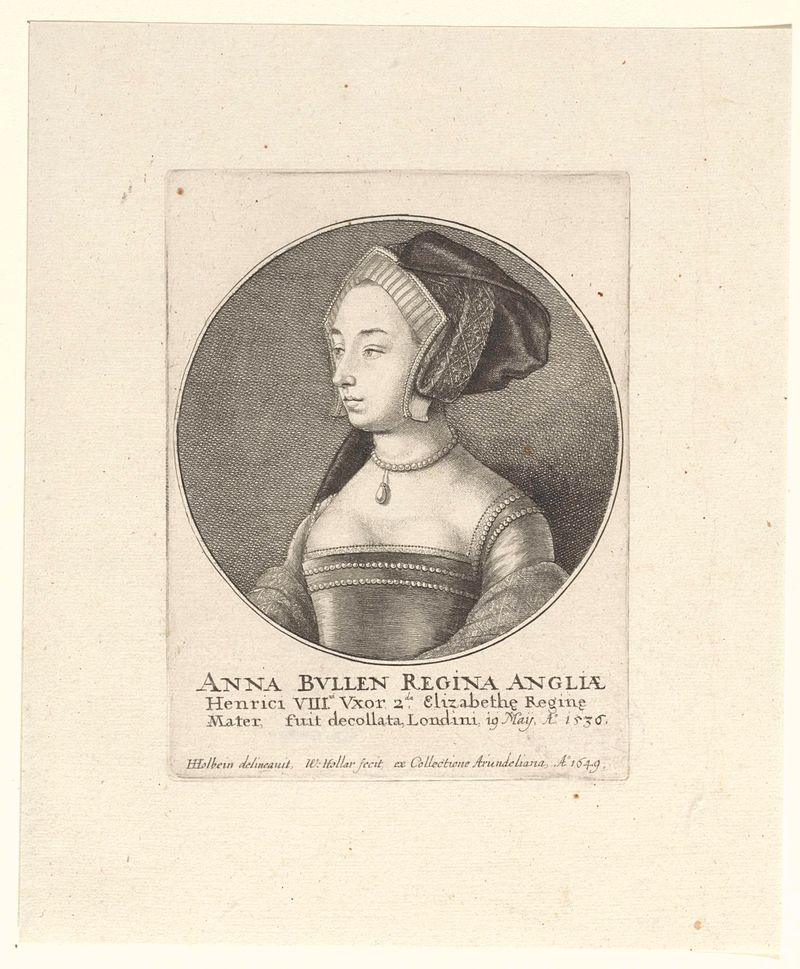
Portret van Anna Boleyn, koningin van Engeland
Wenceslaus Hollar
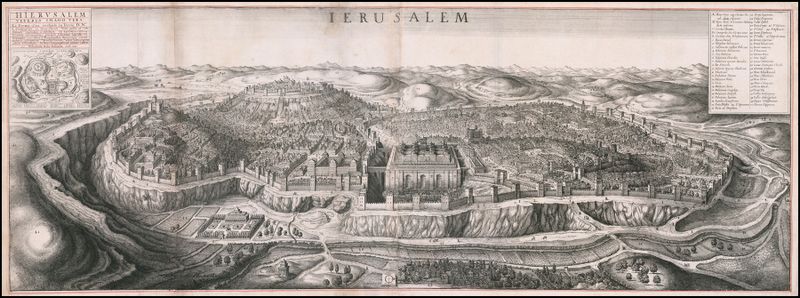
Bird’s eye view of Jerusalem
Wenceslaus Hollar
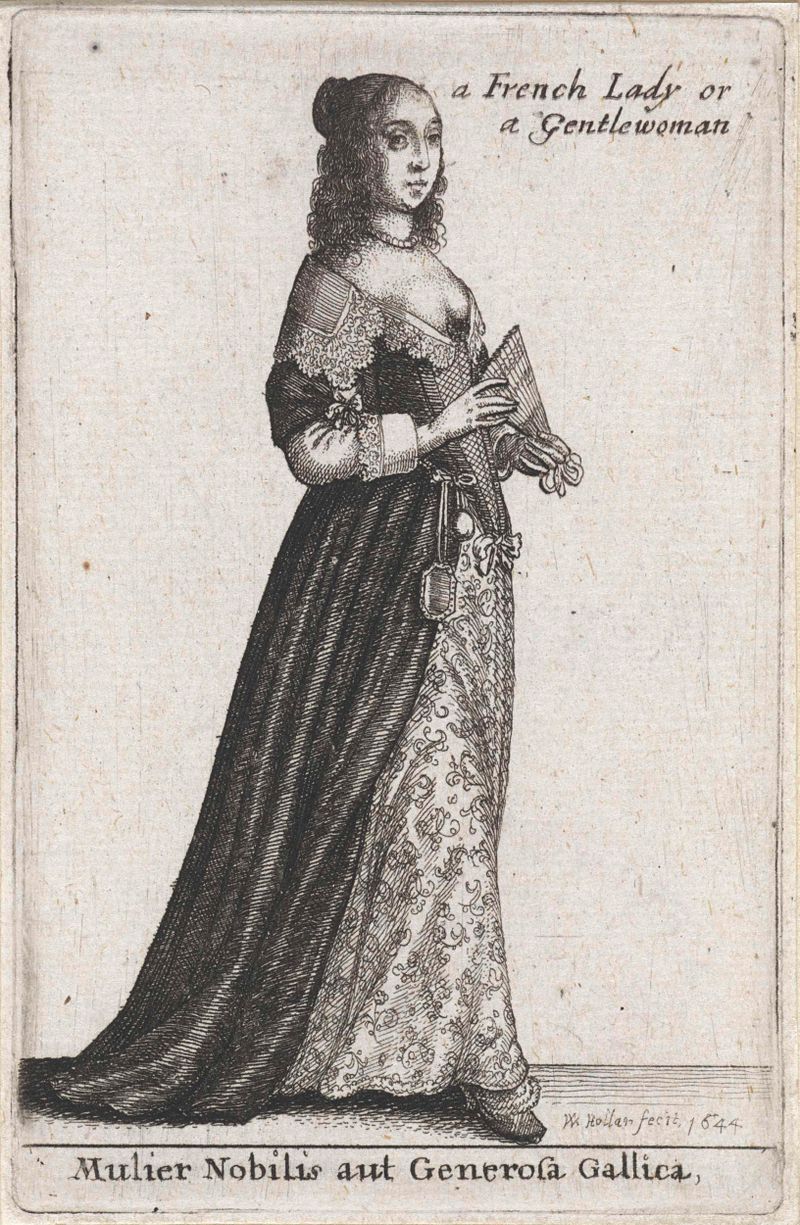
Mulier Nobilis aut Generosa Gallica / a French Lady or Gentlewoman
Wenceslaus Hollar
Titelprent voor: Ornatus Muliebris Anglicanus
Wenceslaus Hollar
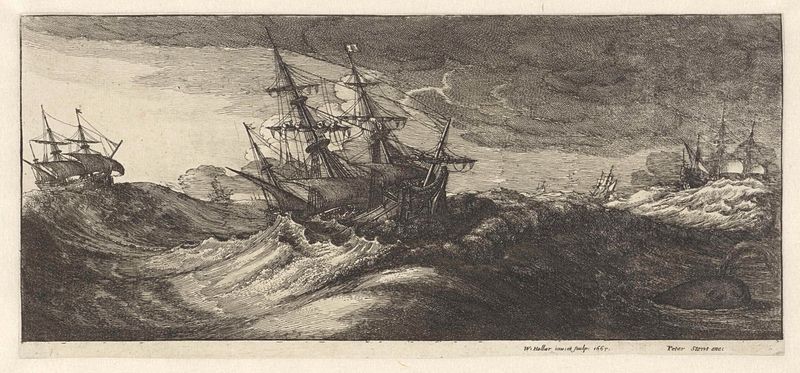
Oorlogsschepen en een walvis in een zeestorm
Wenceslaus Hollar
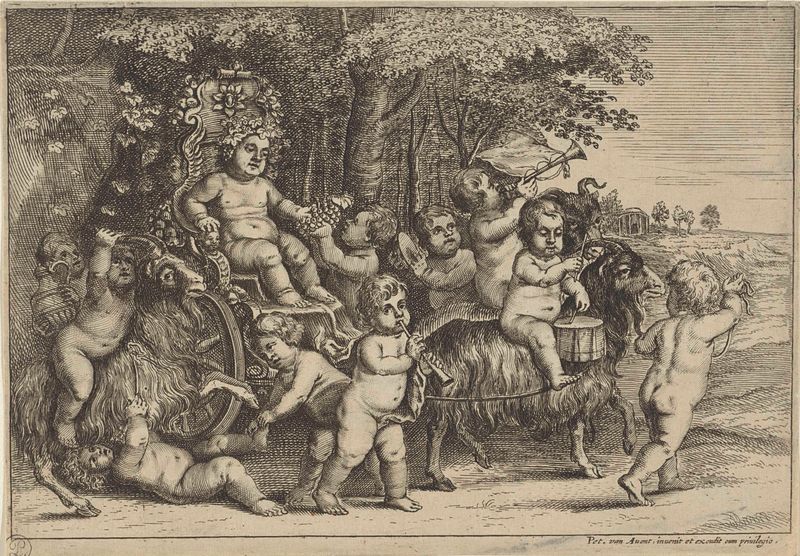
Optocht van bacchant en jongetjes op geiten
Wenceslaus Hollar
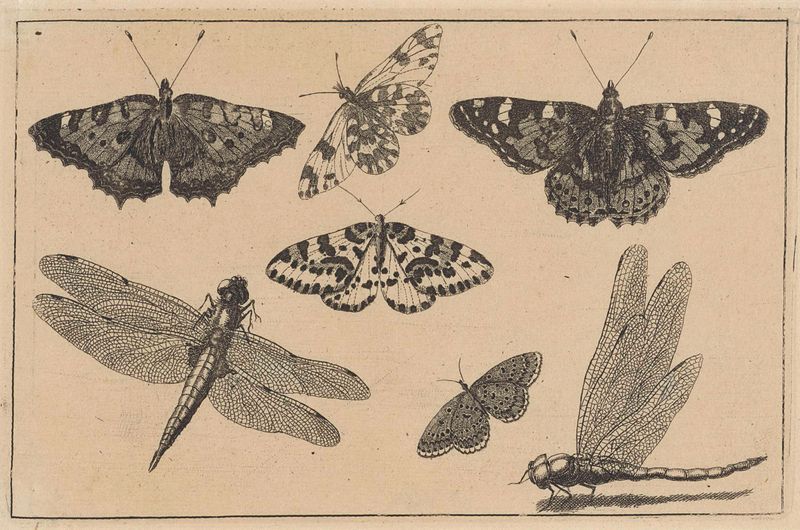
Twee libellen en vijf vlinders
Wenceslaus Hollar
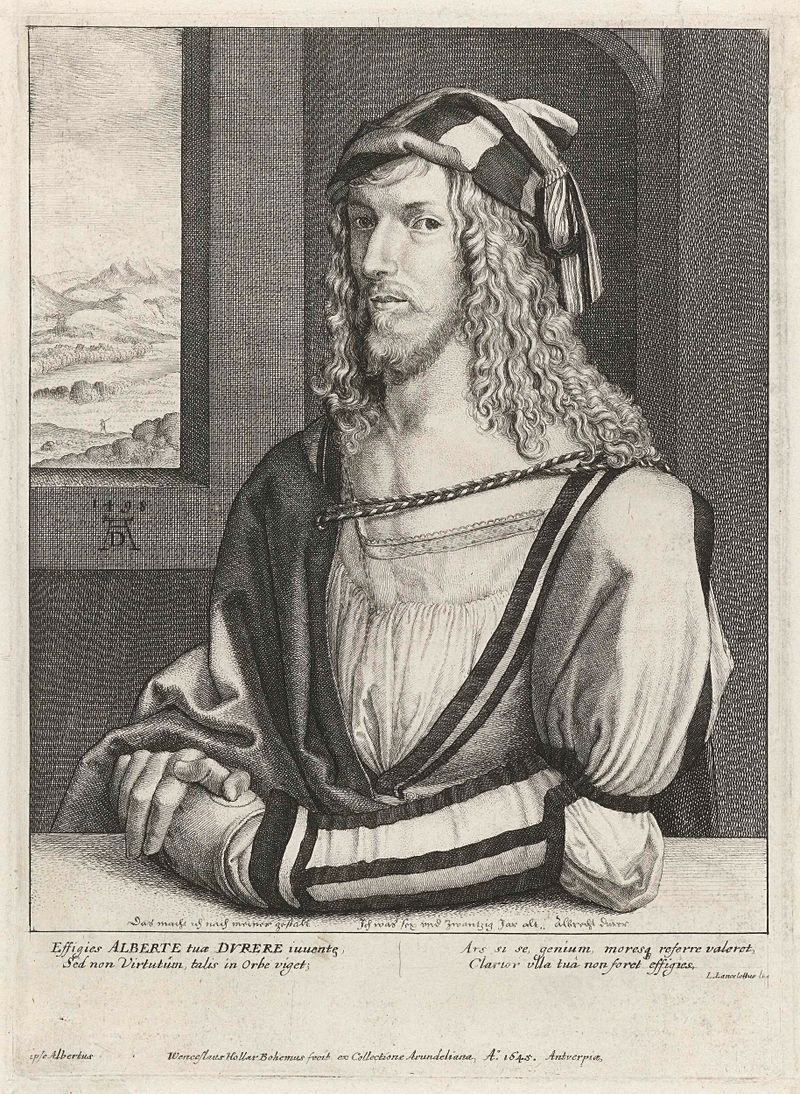
Portret van Albrecht Dürer
Wenceslaus Hollar
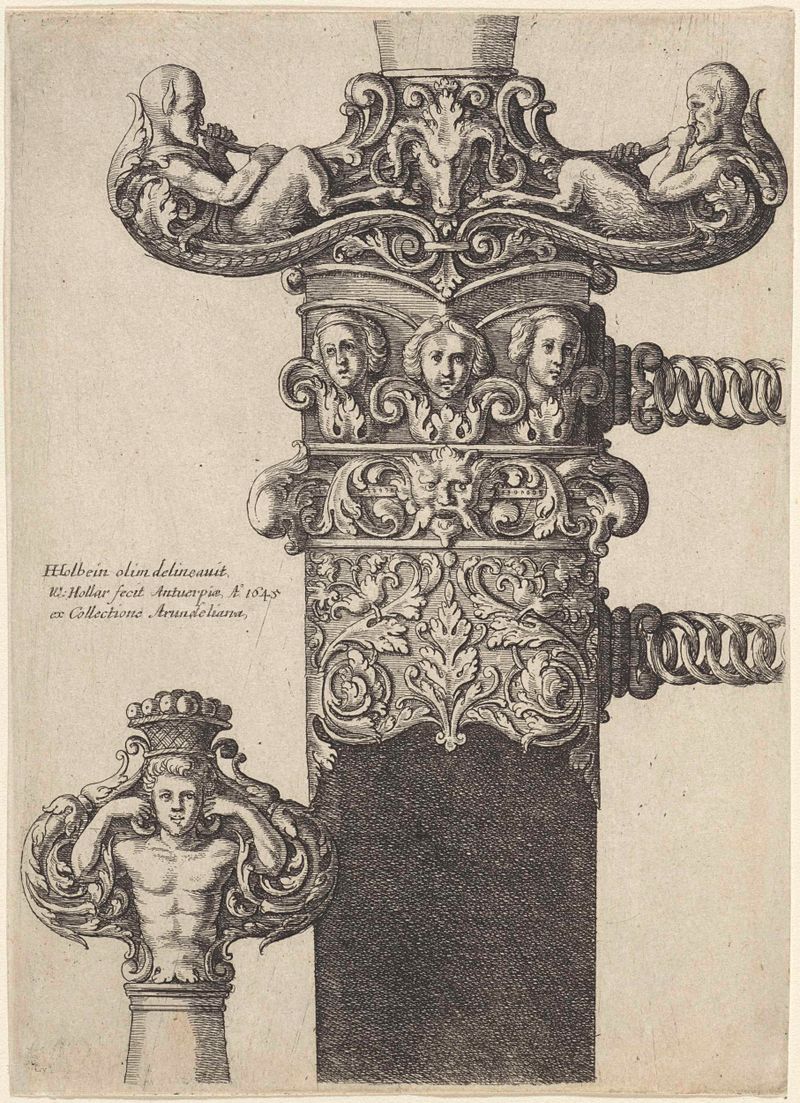
Ornamenteel ontwerp voor een dolk
Wenceslaus Hollar
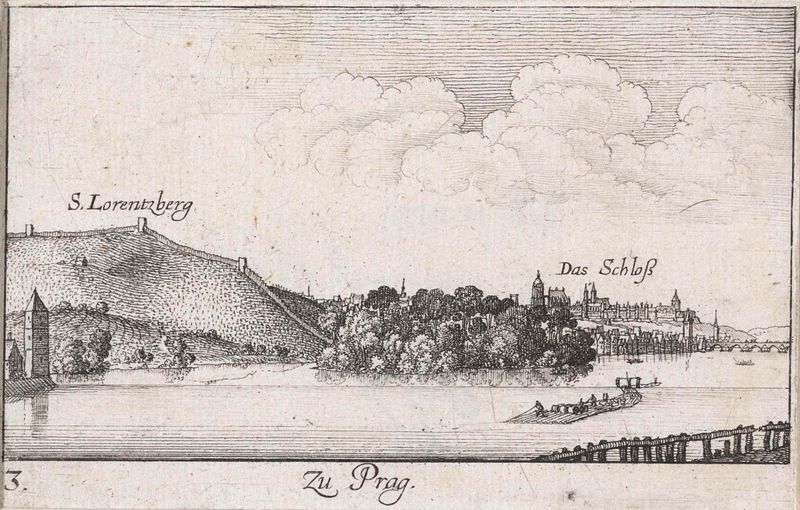
Gezicht op Praag vanaf de Moldau
Wenceslaus Hollar
More Portrait Art
Browse all →
Las meninas
Diego Velázquez

Self-portrait with a Bandaged Ear and Pipe
Unidentified artist

Girl with a Pearl Earring
Johannes Vermeer

The Sampling Officials of the Amsterdam Drapers’ Guild, Known as ‘The Syndics’
Rembrandt van Rijn

The Hundred Guilder Print: the man seen on the back in the lower left corner
Rembrandt van Rijn

Portrait of Dr Gachet
Vincent van Gogh