Potatoes Arriving at the Hôtel de Ville — History & Analysis
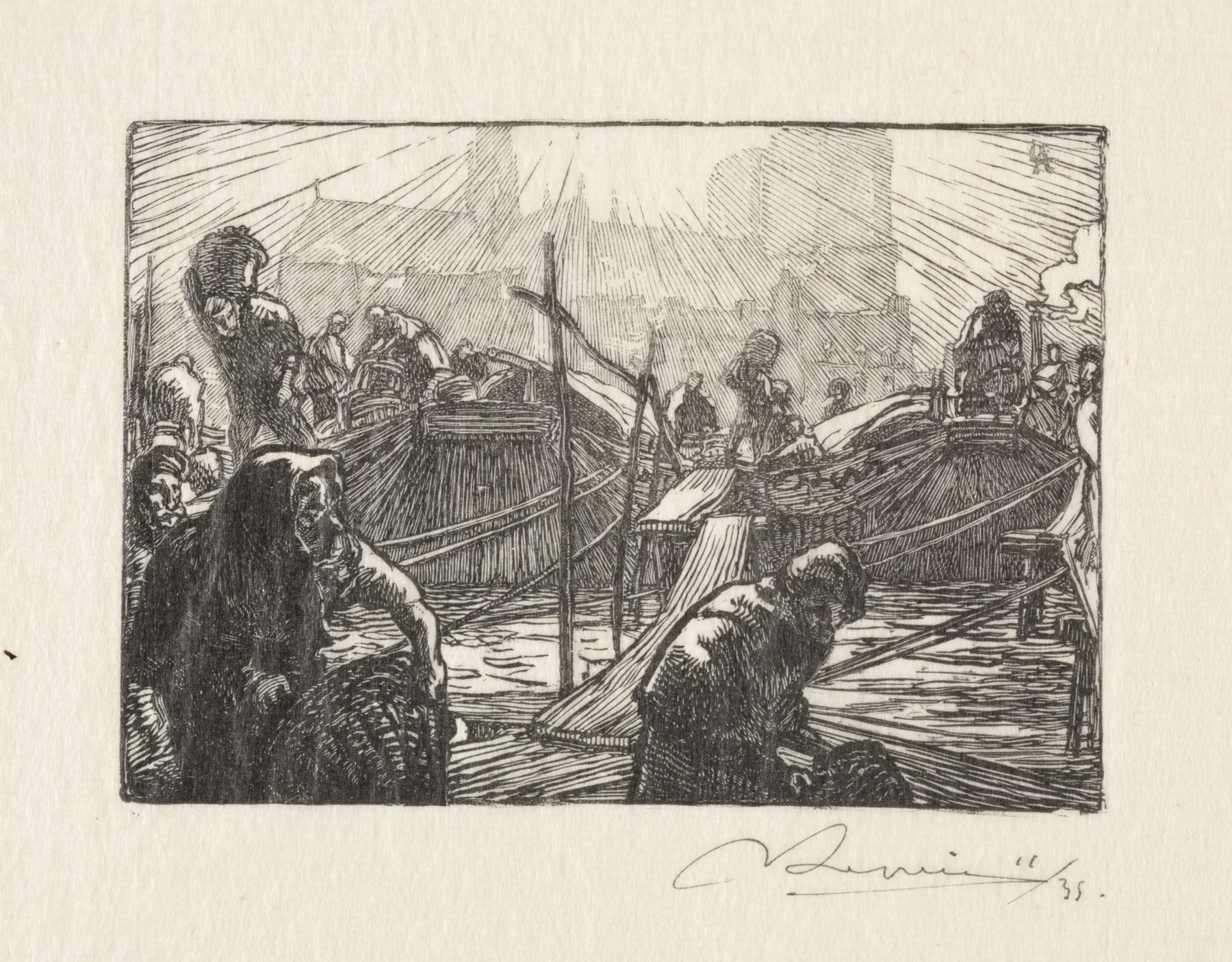
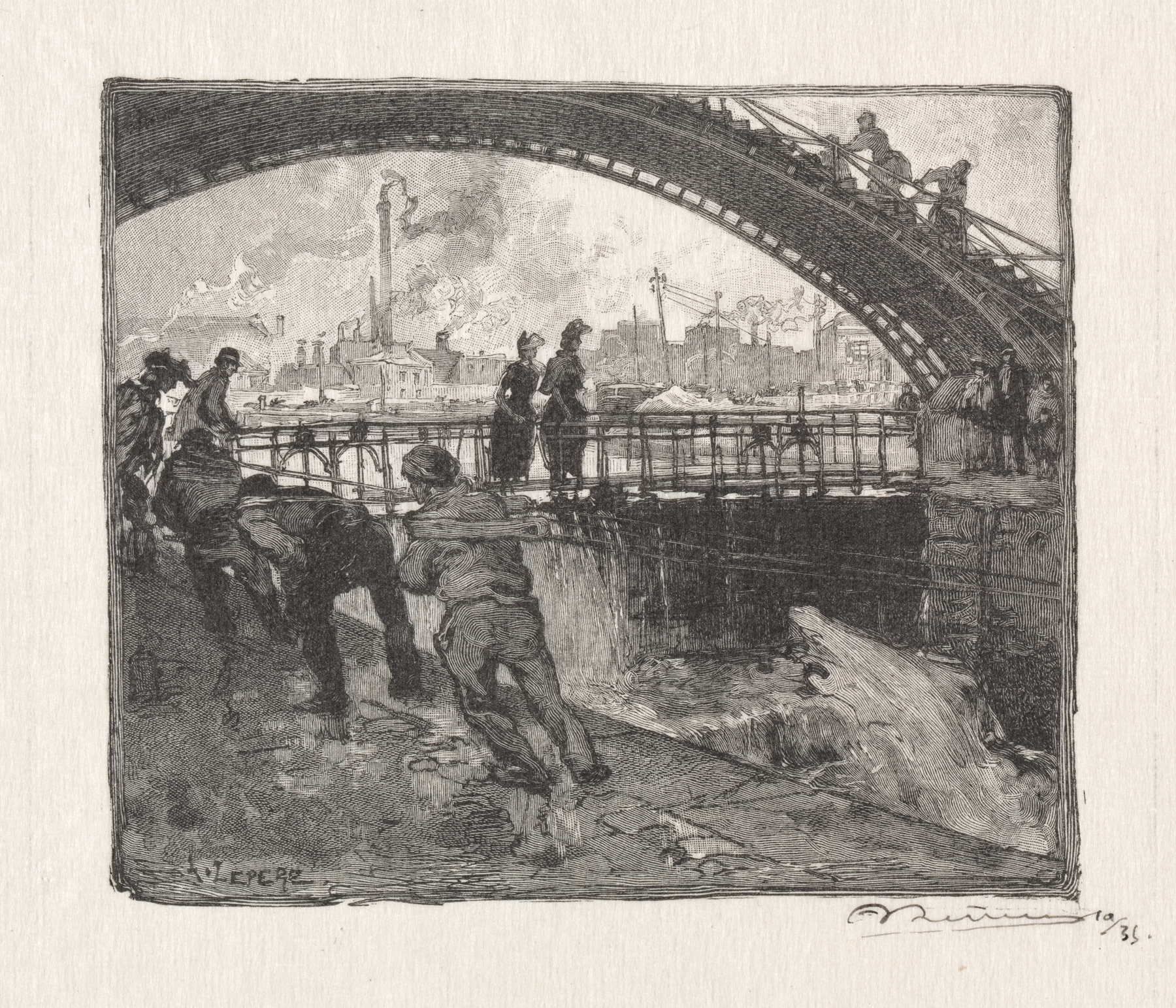
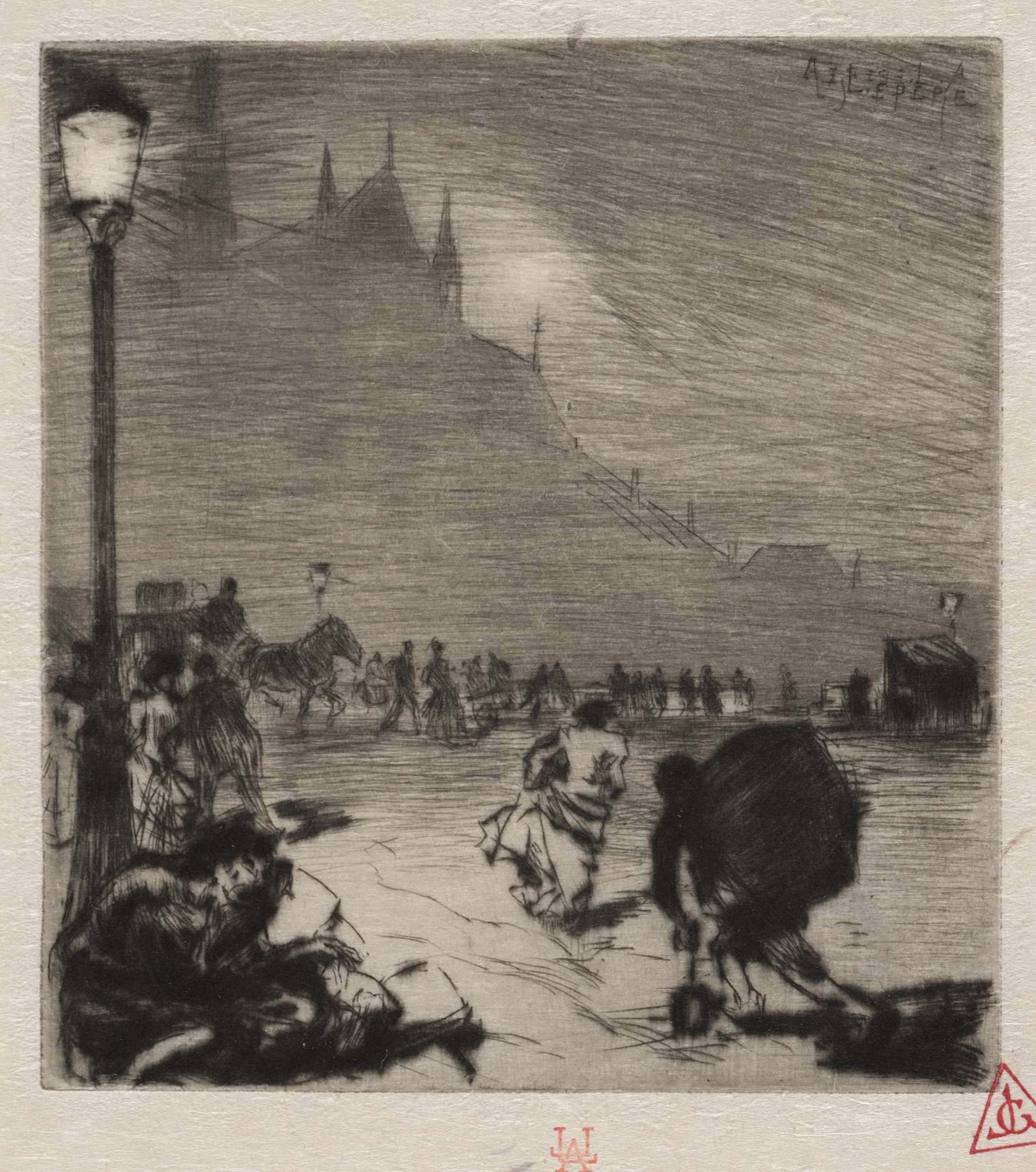
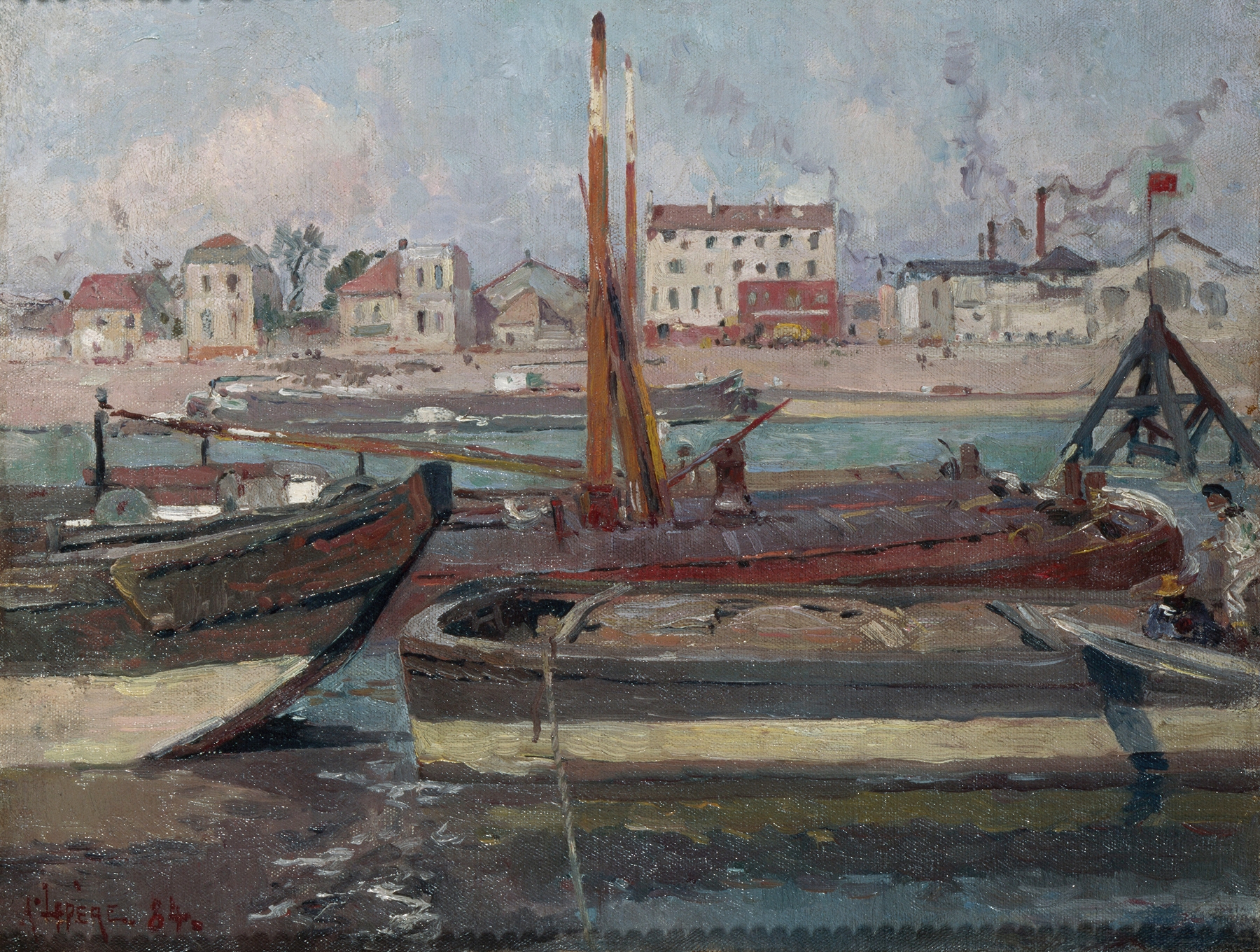
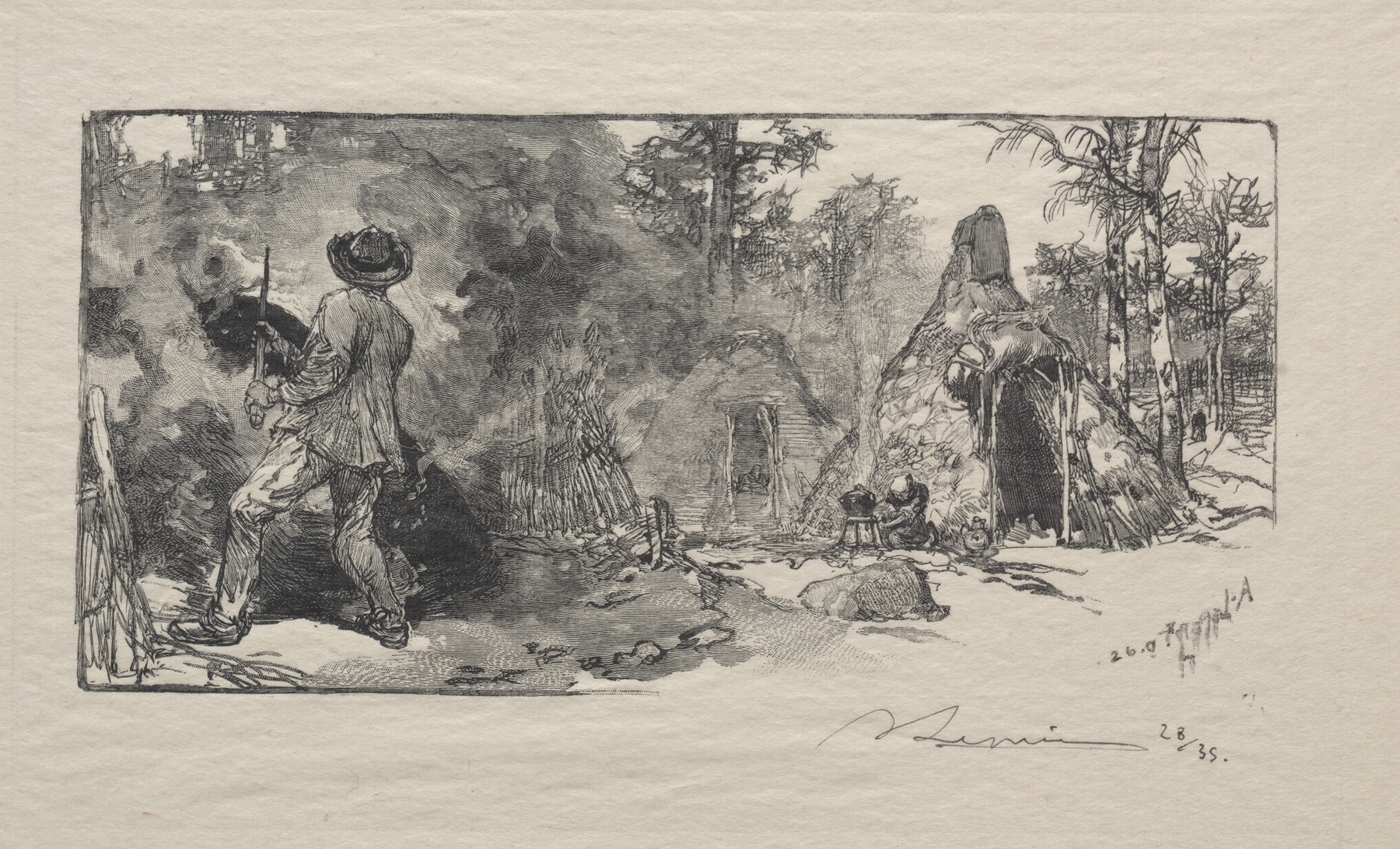
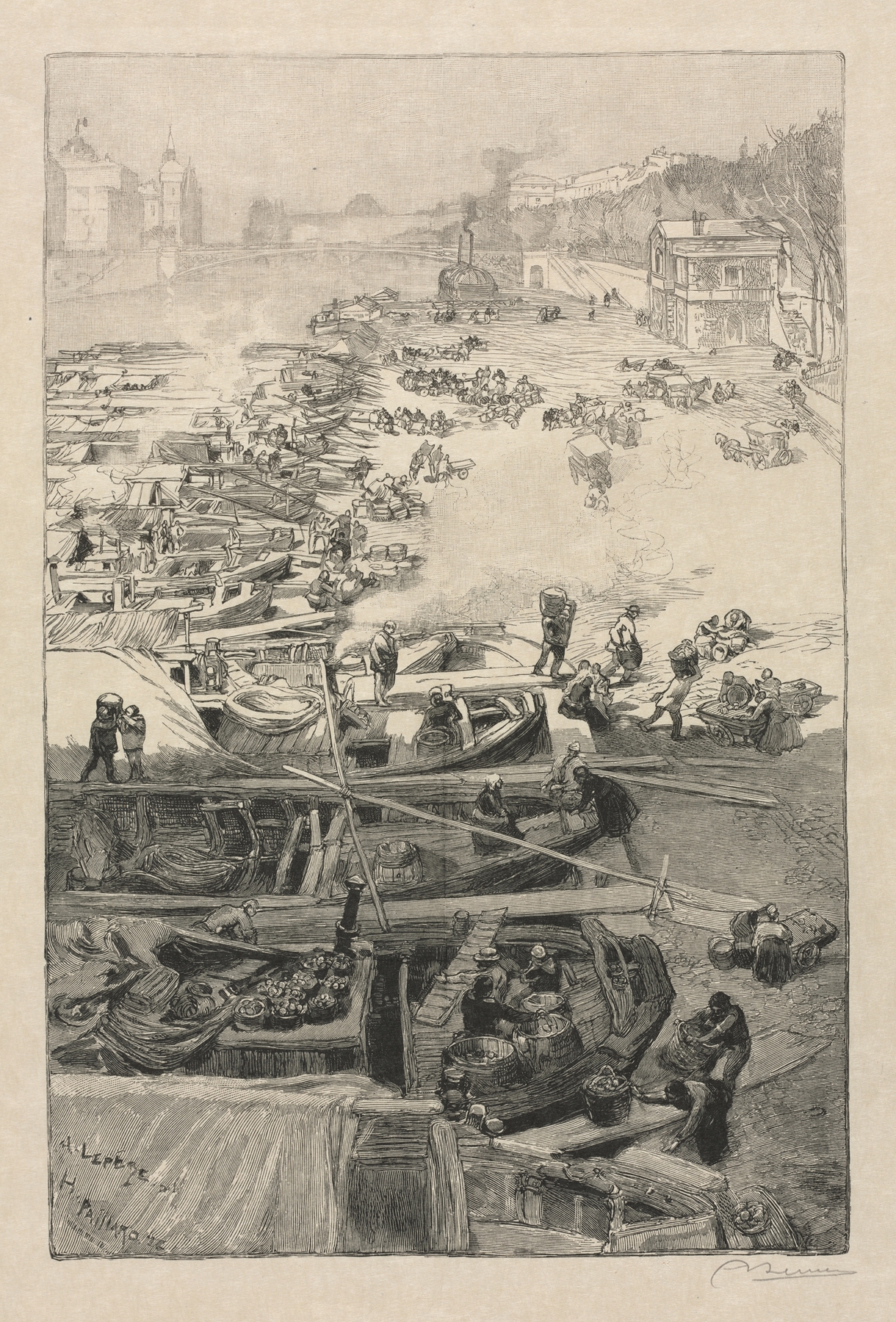
“Art reveals the soul when the world turns away.” In a bustling city, amidst the hum of life, the solitary weight of existence often goes unseen. Loneliness weaves through the fabric of everyday moments, a quiet companion in the shadows of vibrancy. Look to the left at the shadowed figures, hunched yet purposeful, as they unload the sacks of potatoes before the grand Hôtel de Ville. Notice how the muted browns and greys dominate the scene, suggesting a somber reality that contrasts with the imposing architecture that towers above. The light filters softly, illuminating the workers’ toil, emphasizing their labor as a poignant counterpoint to the grandeur surrounding them. Each brush stroke captures the texture of their labor, creating a palpable sense of effort and sacrifice. Within this composition lies a silent dialogue between the heroic and the mundane. The towering facade of the Hôtel de Ville serves as a reminder of aspirations and grandeur, while the workers, with their humble cargo, represent the often-overlooked reality of those who sustain the city's heartbeat. The juxtaposition of the ordinary with the extraordinary encapsulates a profound sense of isolation; though surrounded by the magnificence of Paris, the figures remain ensnared in their own world of toil, evoking empathy and reflection. In 1883, while residing in Paris, the artist was deeply engaged in the Impressionist movement, exploring themes of everyday life. The city was a hub of cultural development, yet the artist's focus on such a humble moment speaks to the complexities of urban existence. It was a time of transition; as the world celebrated progress, he chose to illuminate the quiet struggles that defined so many lives—an act of both compassion and profound observation.