
Presentatie van Christus in de tempel — History & Facts
In the delicate brushstrokes of the 16th century, where faith and artistry entwine, we encounter a moment of transcendence that breathes spirituality into the mundane. Look to the center of the canvas where the figures converge in solemn reverence, illuminated by a soft, divine light. The golden hues of the garments worn by Mary and Joseph shimmer gracefully against the muted background, guiding our gaze towards the Christ child cradled in their arms. Notice the intricate details of the temple’s architecture, which frame the scene, suggesting both grandeur and the weight of tradition.
The carefully composed symmetry evokes a sense of balance, harmonizing the earthly with the celestial. Yet, within this serene tableau lies an undercurrent of tension. The expressions of the figures convey a profound mixture of joy, reverence, and perhaps foreboding, as they stand on the precipice of a future intertwined with sacrifice. The contrasting colors of light and shadow evoke an emotional dichotomy, inviting viewers to contemplate the complexity of faith and the burdens it can carry.
The serene setting juxtaposed with the gravity of the moment hints at the profound implications of this presentation. In 1523, the artist crafted this piece during a period marked by religious upheaval and the evolving nature of Renaissance art. As a prominent figure in the Dutch painting scene, he sought to innovate while remaining rooted in tradition. This work reflects not only the spiritual aspirations of his time but also his dedication to elevating the sacred narrative through a profound visual language, capturing a pivotal act of devotion in the history of Christianity.
More Artworks by Jacob Cornelisz van Oostsanen
Browse all →
De hemelvaart en Christus voor God de Vader
Jacob Cornelisz van Oostsanen
Het hostiewonder van Amsterdam
Jacob Cornelisz van Oostsanen
The Adoration of the Christ Child
Jacob Cornelisz van Oostsanen
Vlucht naar Egypte
Jacob Cornelisz van Oostsanen
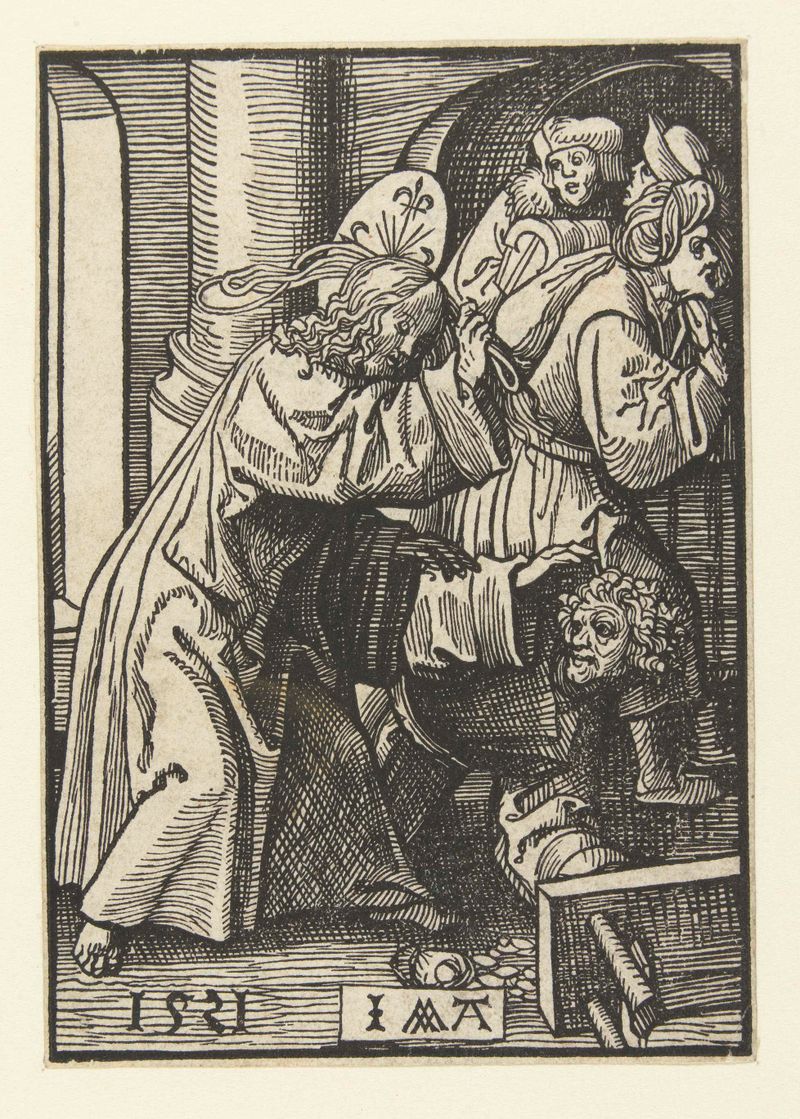
Verdrijving van de handelaren uit de tempel
Jacob Cornelisz van Oostsanen
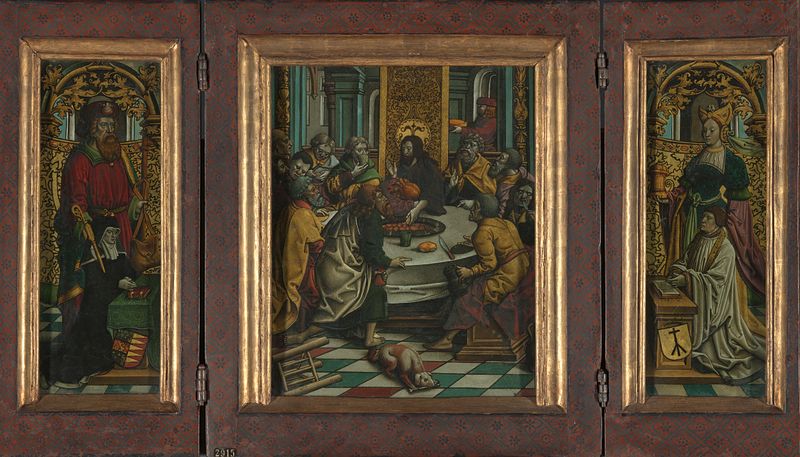
Triptych with the Last Supper and Donors
Jacob Cornelisz van Oostsanen
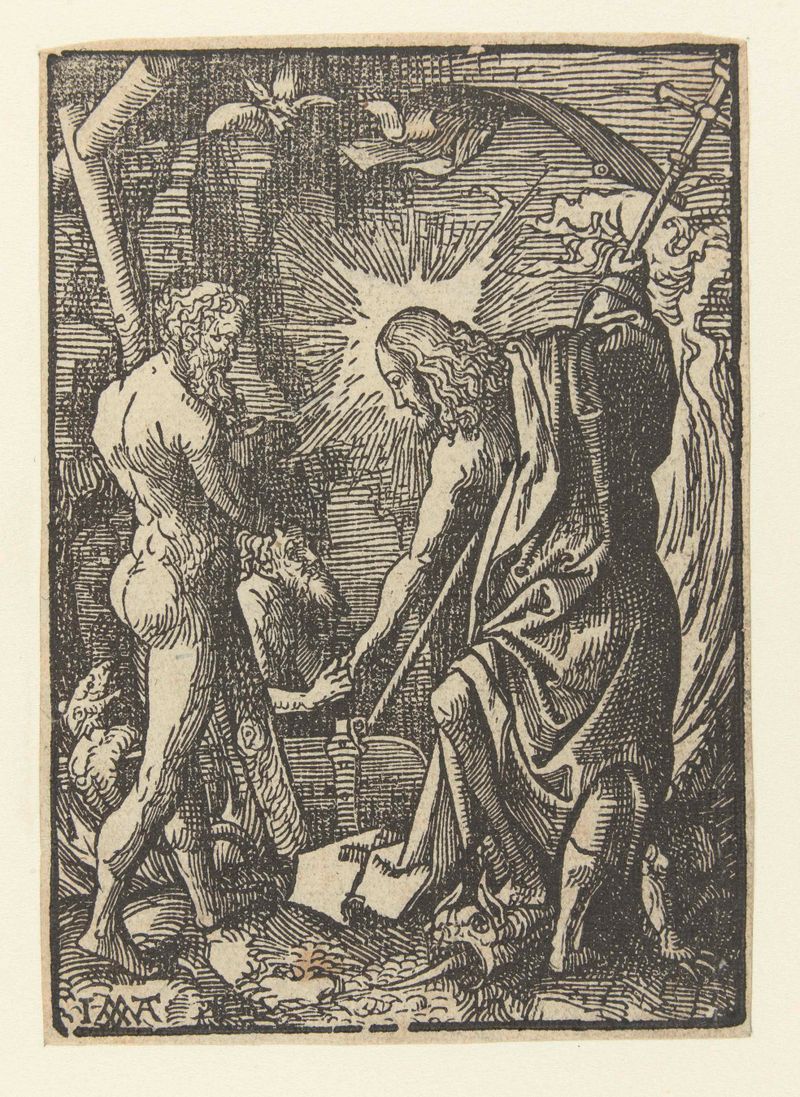
Christus in het voorgeborchte
Jacob Cornelisz van Oostsanen
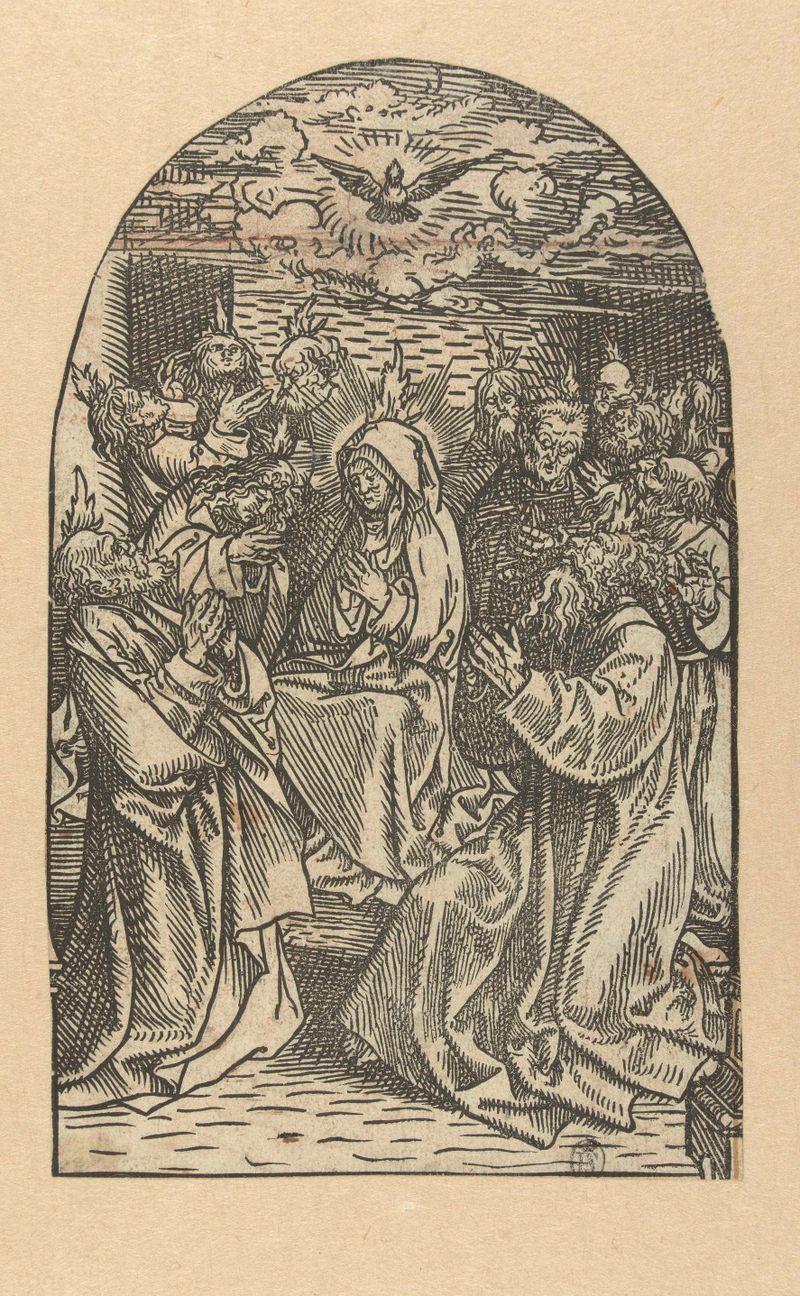
Uitstorting van de Heilige Geest
Jacob Cornelisz van Oostsanen
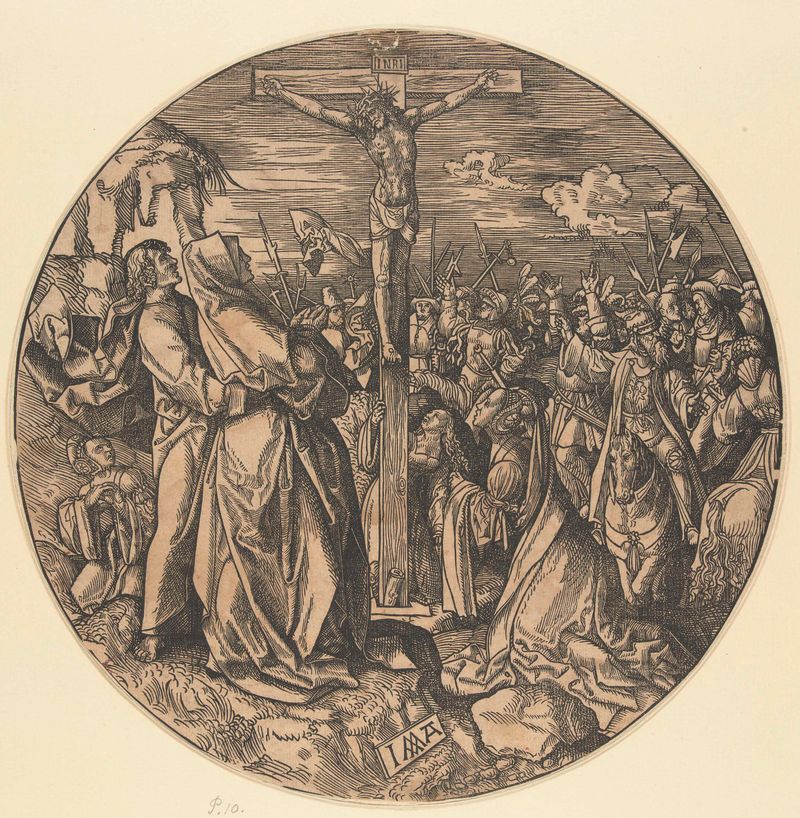
Christus aan het kruis
Jacob Cornelisz van Oostsanen

De kruisiging en de graflegging van Christus
Jacob Cornelisz van Oostsanen
More Religious Art
Browse all →
The Return of the Prodigal Son
Rembrandt van Rijn

The Garden of Earthly Delights
El Bosco

Count Orgaz’ funeral
El Greco

The Hundred Guilder Print: the central piece with Christ preaching, the plate arched
Rembrandt van Rijn

The Descent from the Cross
Rogier van der Weyden

The return of the prodigal son
Rembrandt van Rijn