
Presumed portrait of Louis-François Prault, formerly known as 'The Inspiration' — History & Facts
For decades, the sitter in Presumed portrait of Louis-François Prault, formerly known as The Inspiration was believed to be an allegorical figure, a muse caught in the act of creative revelation. Only in the late twentieth century did scholars begin to question this poetic reading, proposing instead that the subject may be Louis-François Prault, a prominent Parisian bookseller and publisher of the Enlightenment. This shift in identification not only changed the painting’s title, but also recast its meaning—from a generalized tribute to inspiration, to a specific homage to a man who helped disseminate the ideas that shaped Fragonard’s age. The painting captures a moment of lively contemplation: the sitter, eyes lifted and lips parted, seems to listen for a thought just out of reach.
His hand hovers above a blank page, quill poised, suggesting both readiness and hesitation. Fragonard’s loose, energetic brushwork animates the scene, with light flickering across the sitter’s face and the scattered papers below. The presence of books and writing implements hints at the intellectual world Prault inhabited, while the upward gaze recalls similar gestures in portraits by Jean-Baptiste Greuze, though Fragonard’s treatment is more playful and less sentimental.
The composition blurs the line between portrait and allegory, inviting viewers to see both the individual and the universal in the act of creation. The painting’s early history remains somewhat obscure, with no surviving records of its original commission or early ownership. It is thought to have remained in private collections until the twentieth century, when its attribution to Jean-Honoré Fragonard was established through stylistic analysis. The debate over the sitter’s identity persists, reflecting the challenges of reconstructing the lives behind eighteenth-century portraits.
Today, Presumed portrait of Louis-François Prault stands as a testament to Fragonard’s inventive approach to portraiture, bridging the gap between the Rococo’s exuberance and the Enlightenment’s intellectual curiosity.
More Artworks by Jean-Honoré Fragonard
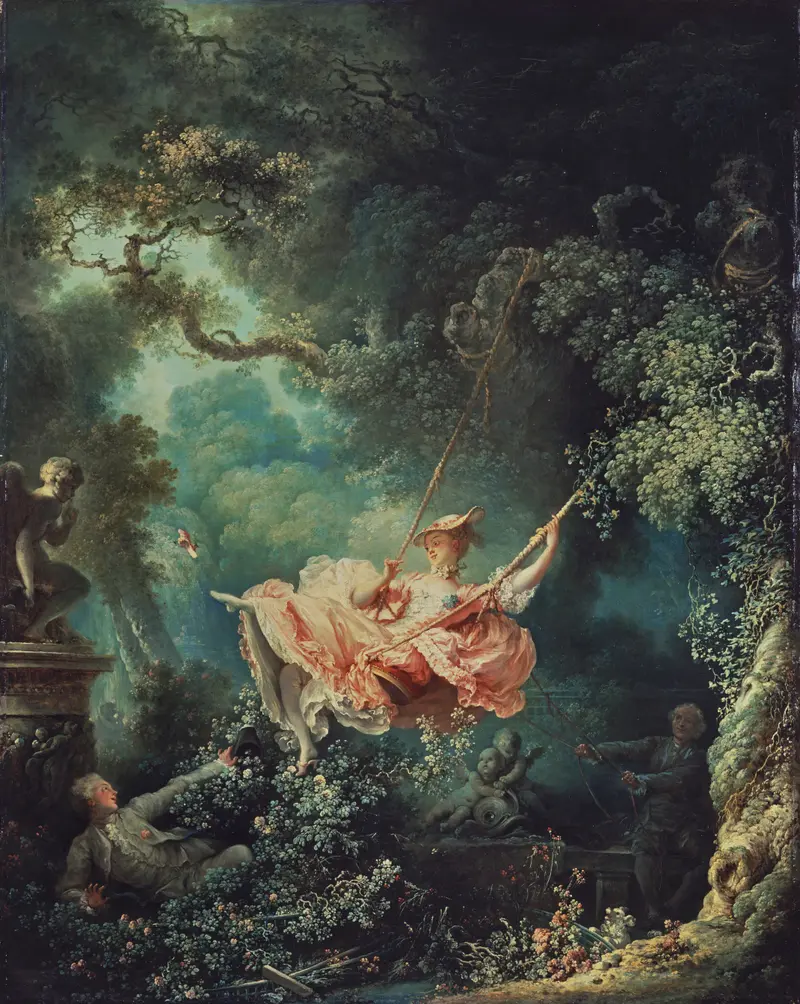
The Swing
Jean-Honoré Fragonard

The Swing
Jean-Honoré Fragonard
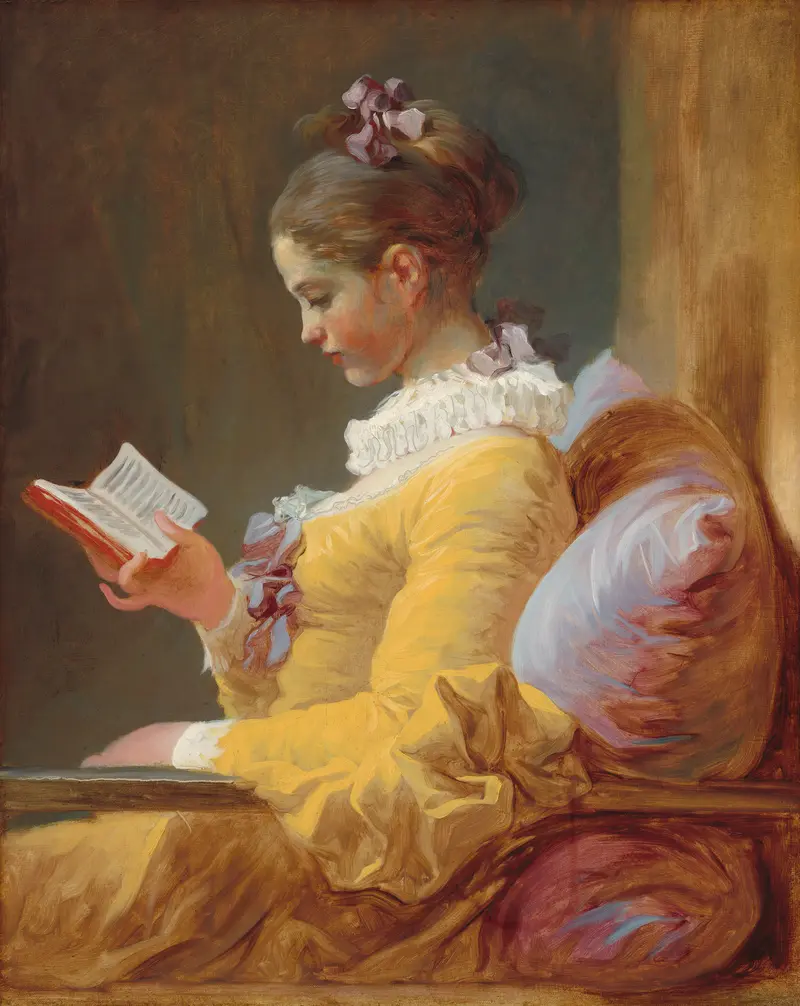
A Young Girl Reading
Jean-Honoré Fragonard
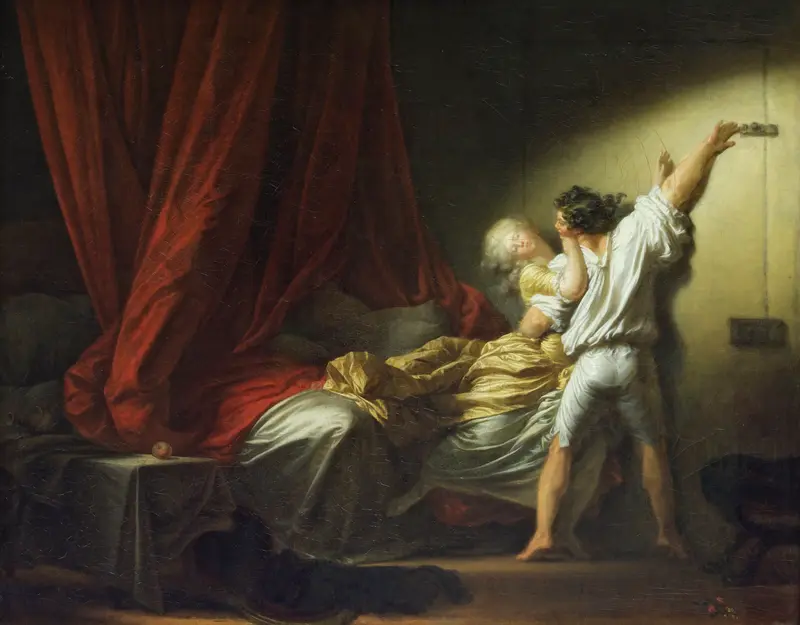
The Lock
Jean-Honoré Fragonard
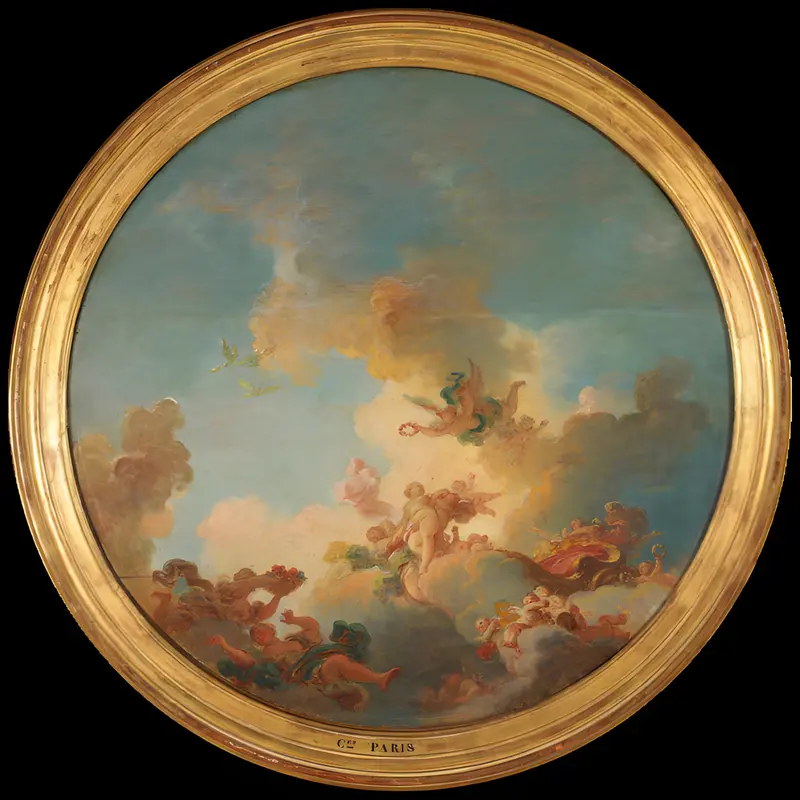
The Triumph of Venus
Jean-Honoré Fragonard
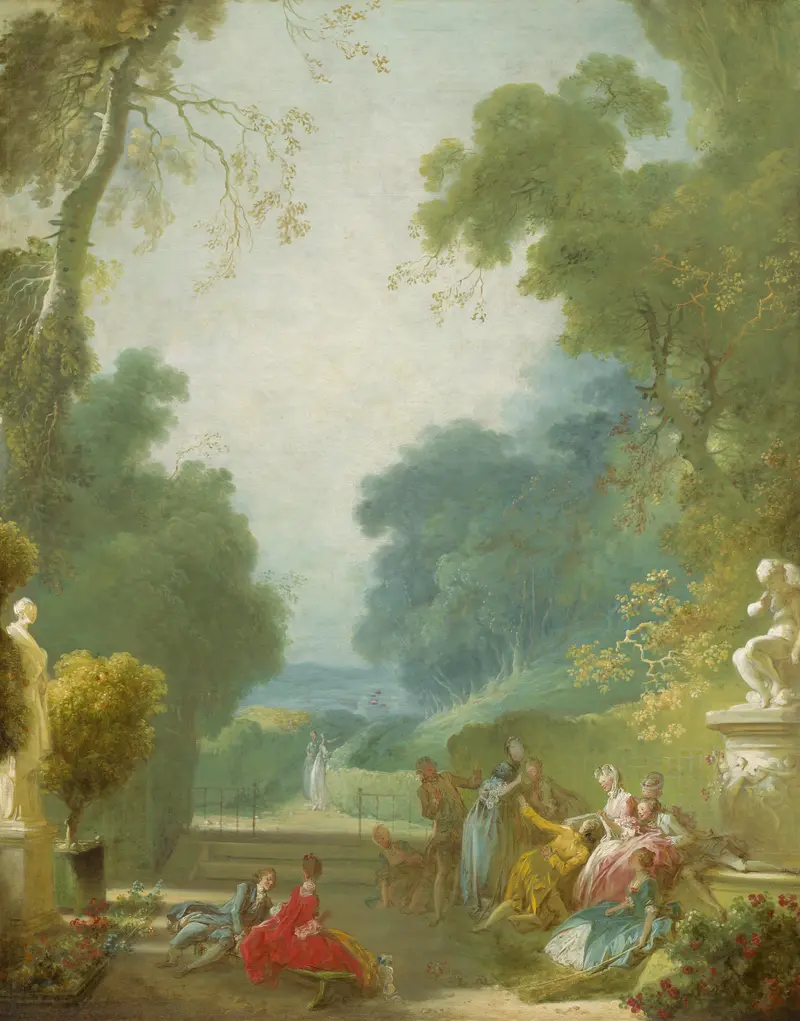
A Game of Hot Cockles
Jean-Honoré Fragonard
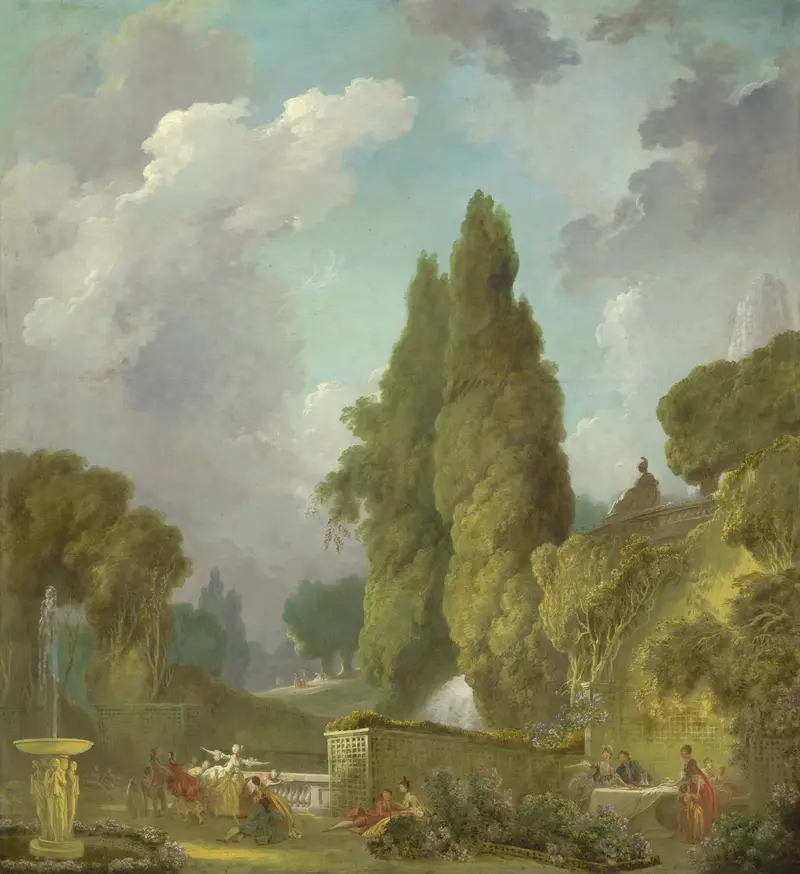
Blindman’s Buff
Jean-Honoré Fragonard
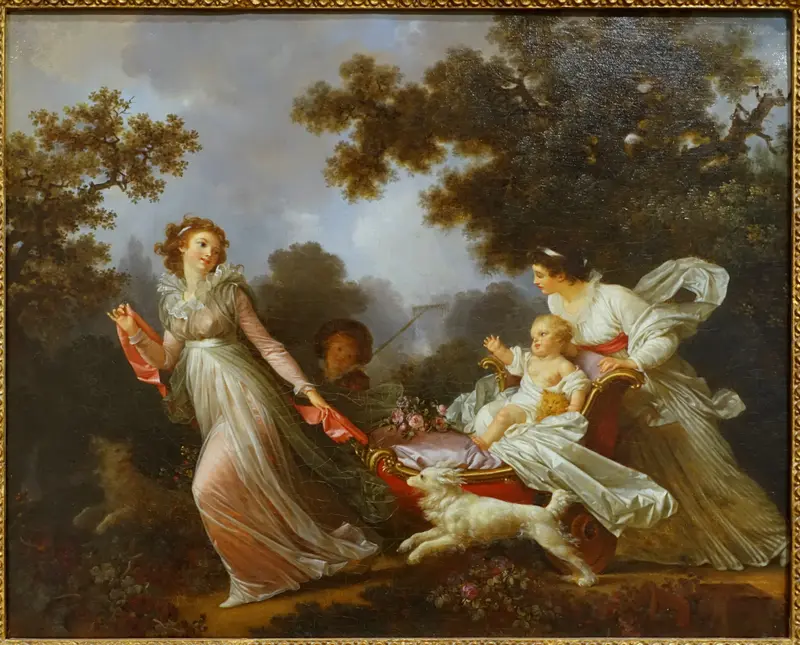
The Beloved Child
Jean-Honoré Fragonard
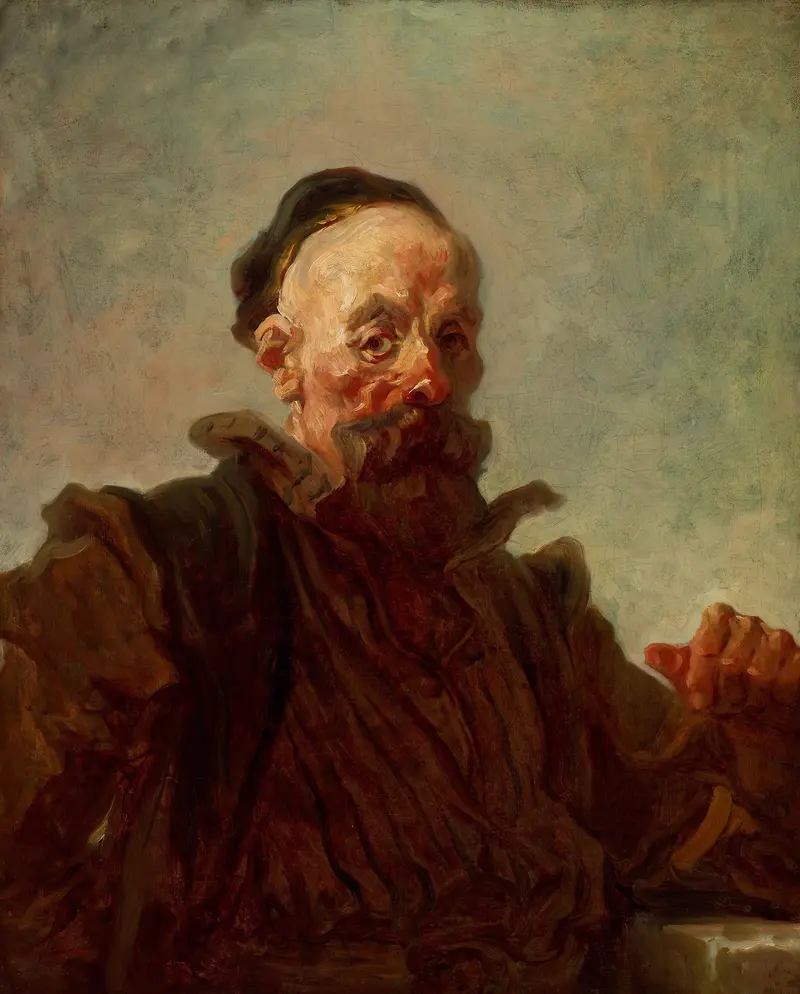
Portrait of a Man in Costume
Jean-Honoré Fragonard
The First Steps
Jean-Honoré Fragonard





