
Prince Elector Friedrich Wilhelm von Brandenburg (1620-1688) — History & Facts
It is the direct, unblinking gaze that first seizes the viewer in Prince Elector Friedrich Wilhelm von Brandenburg (1620-1688) by Adriaen Hanneman. The sitter’s eyes, steady and almost appraising, meet ours with a confidence that borders on challenge, as if aware that history itself will one day look back. The subtle play of light across the face draws out the textures of flesh and hair, while the armor and intricate lace at his wrist speak of both martial readiness and courtly refinement.
Every detail—the softly curling hair, the set of the mouth, the careful rendering of the brocade—signals a man conscious of his status and the expectations that come with it. Created in 1647, this portrait belongs to a world where power was performed as much through image as through action. The sitter’s armor, gleaming but not ostentatious, marks him as a figure of authority, while the delicate lace hints at the influence of Dutch and Flemish portraiture, where the tension between martial strength and personal dignity was a favorite theme. The muted palette and restrained background focus all attention on the face and hands, inviting speculation about the character behind the title.
In this, Hanneman aligns with contemporaries like Anthony van Dyck, who similarly captured the psychology of power in his portraits of European nobility. History has kept few traces of this specific painting’s journey, but its presence in the Deutsche Geschichte von Richard Suchenwirth collection and its date—1647—root it firmly in the mid-seventeenth century, an era when the portrait was both a political tool and a personal monument. Works like this were commissioned to assert lineage, reinforce alliances, and project an image of unassailable authority. In the uncertain years following the Thirty Years’ War, such images were more than mere likenesses; they were declarations of survival and ambition.
Let your eye linger on the face, and imagine the world of courts and conflicts that shaped both sitter and artist.
More Artworks by Adriaen Hanneman
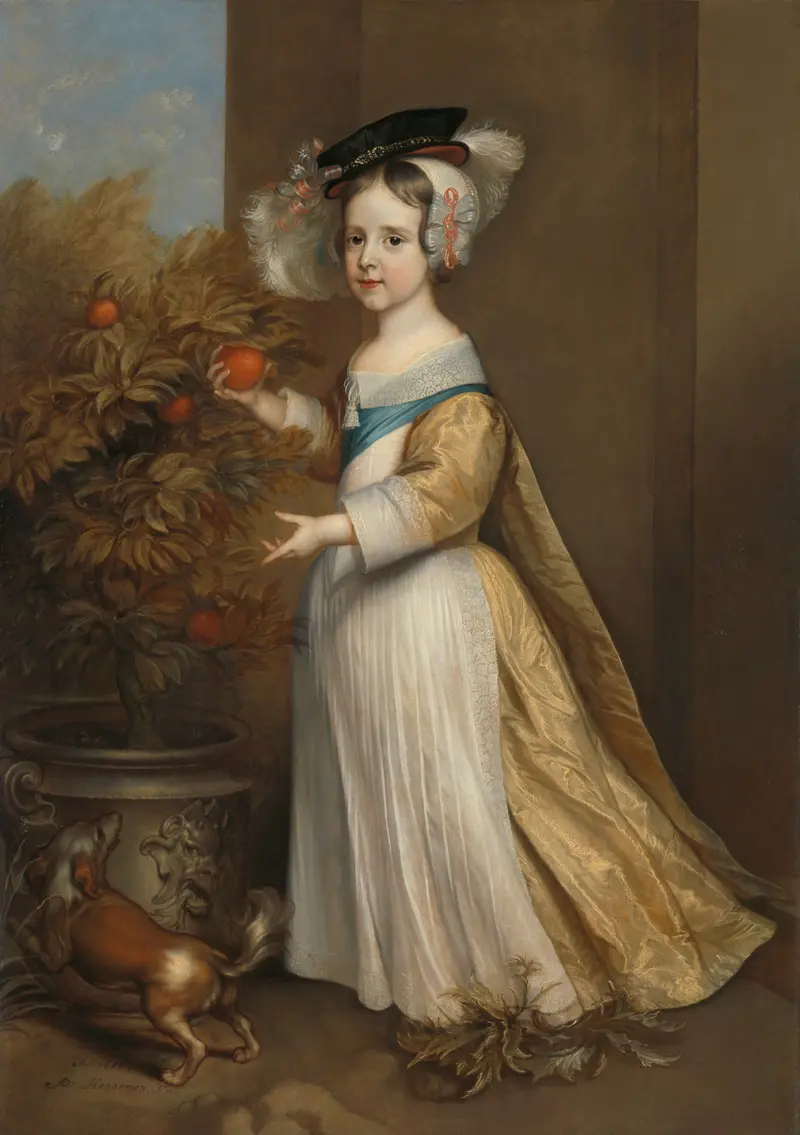
Portrait of Willem III (1650-1702), Prince of Orange, as a Child
Adriaen Hanneman
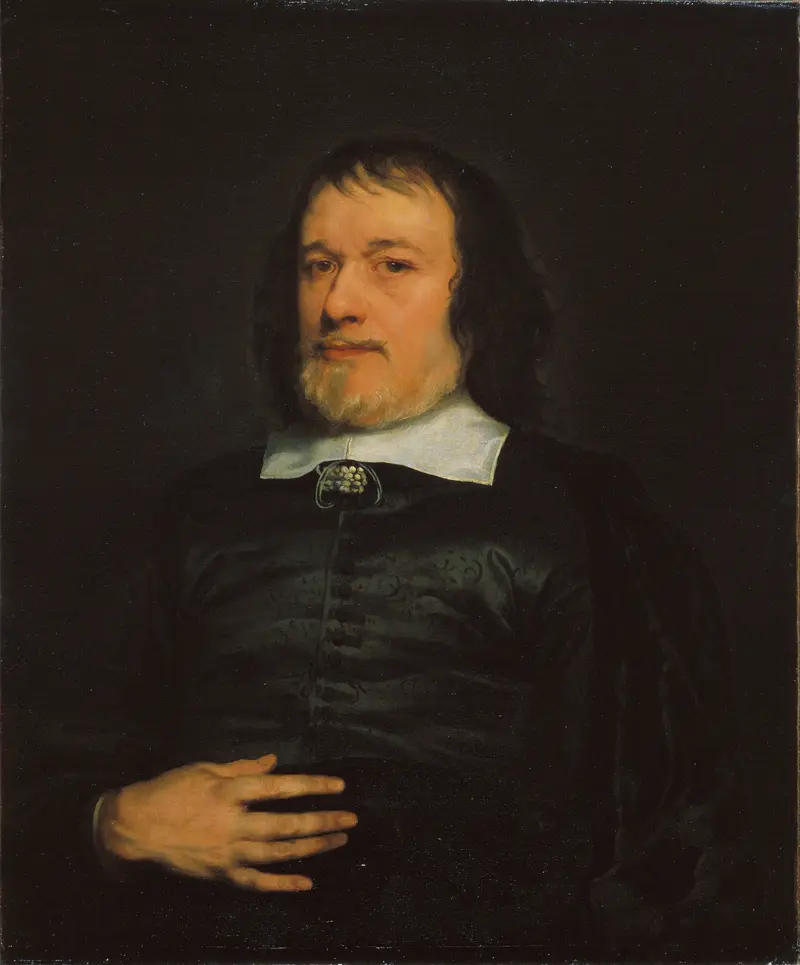
Portrait of a Gentleman
Adriaen Hanneman
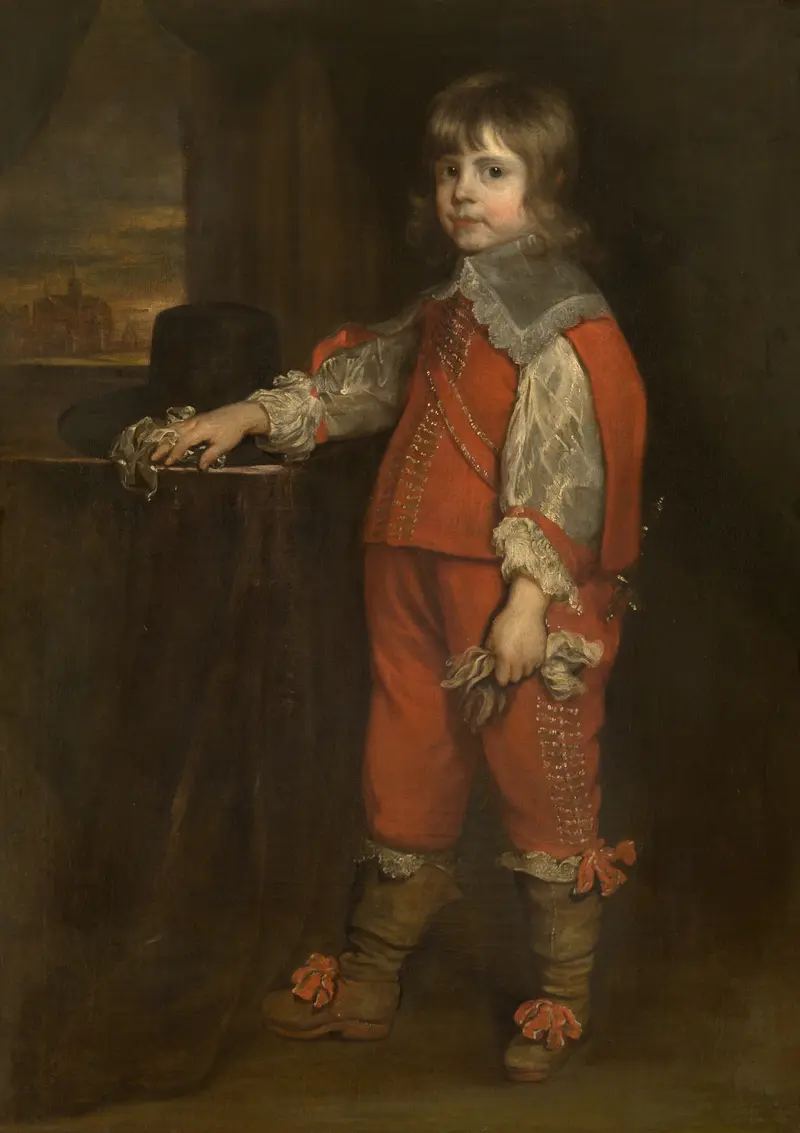
Charles II, when Prince of Wales
Adriaen Hanneman
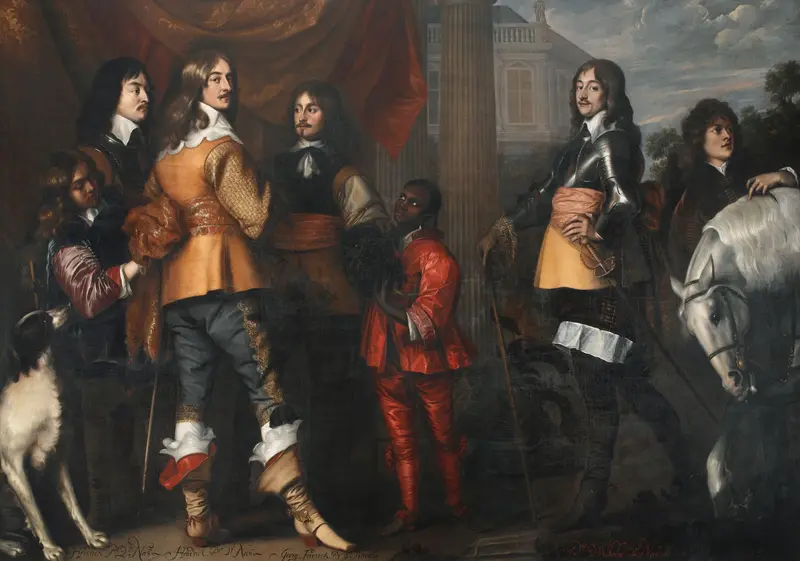
Group portrait Willem Frederik v Nassau-Dietz,Hendrik Casimir I v Nassau-Dietz,Hendrik v Nassau-Siegen,George Frederik v Nassau-Siegen with servants
Adriaen Hanneman
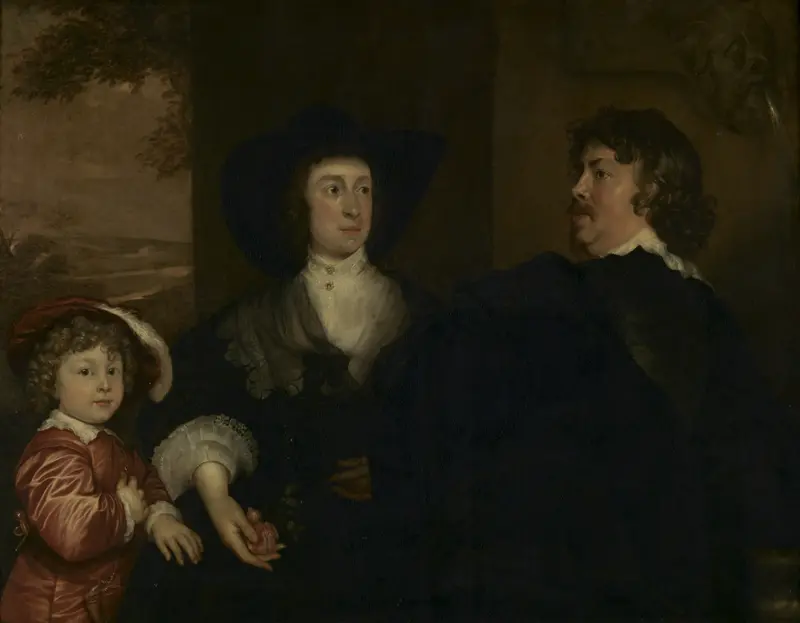
Family portrait of Cornelis Janson van Ceulen (1593-1661), Elisabeth Beck (died 1670) and their son Cornelis Janson van Ceulen (1634-1715)
Adriaen Hanneman
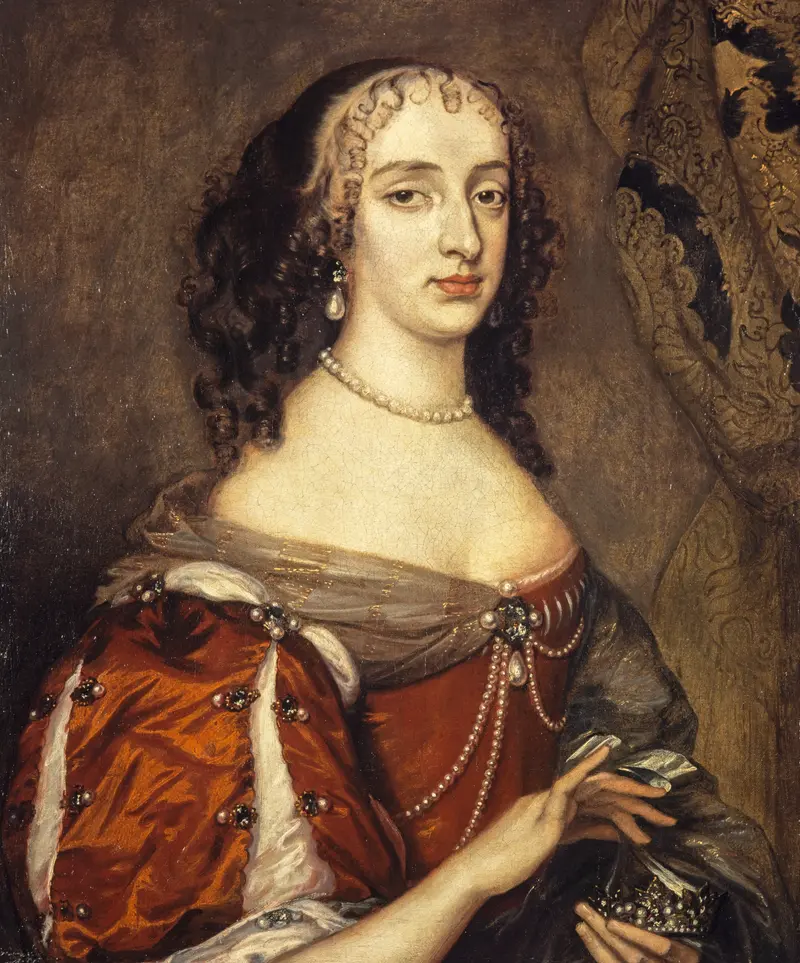
Princess Mary, 1631 - 1660. Eldest daughter of Charles I; Princess of Orange
Adriaen Hanneman
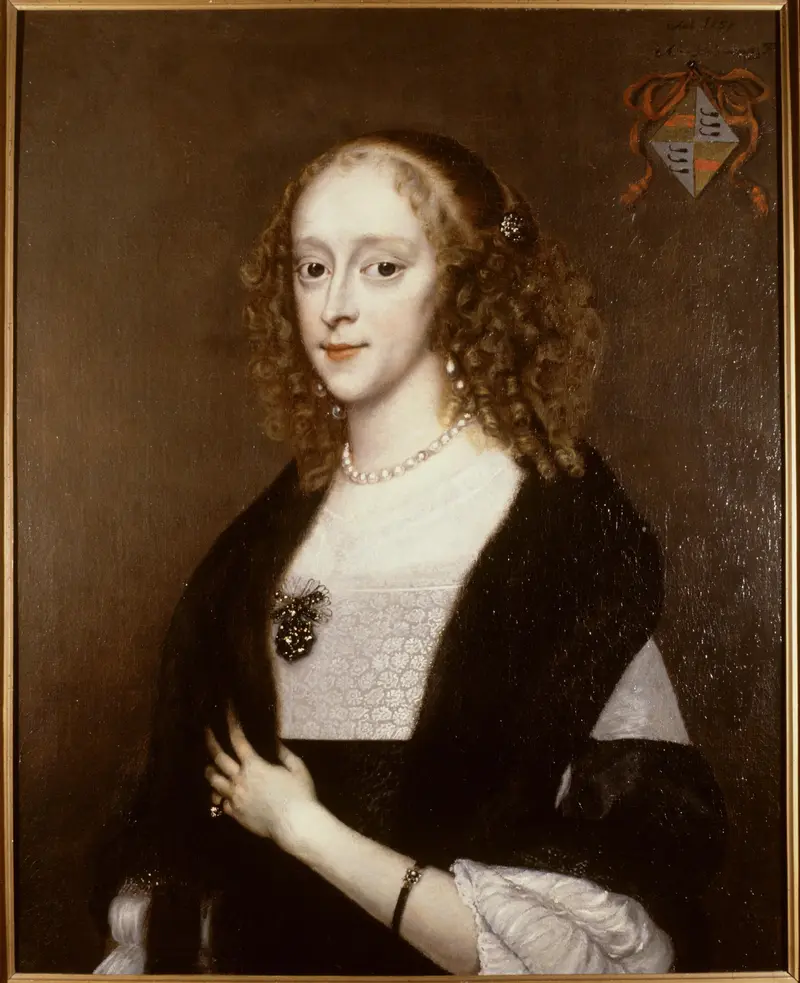
Portrait of Wendela Bicker (1636-1668)
Adriaen Hanneman
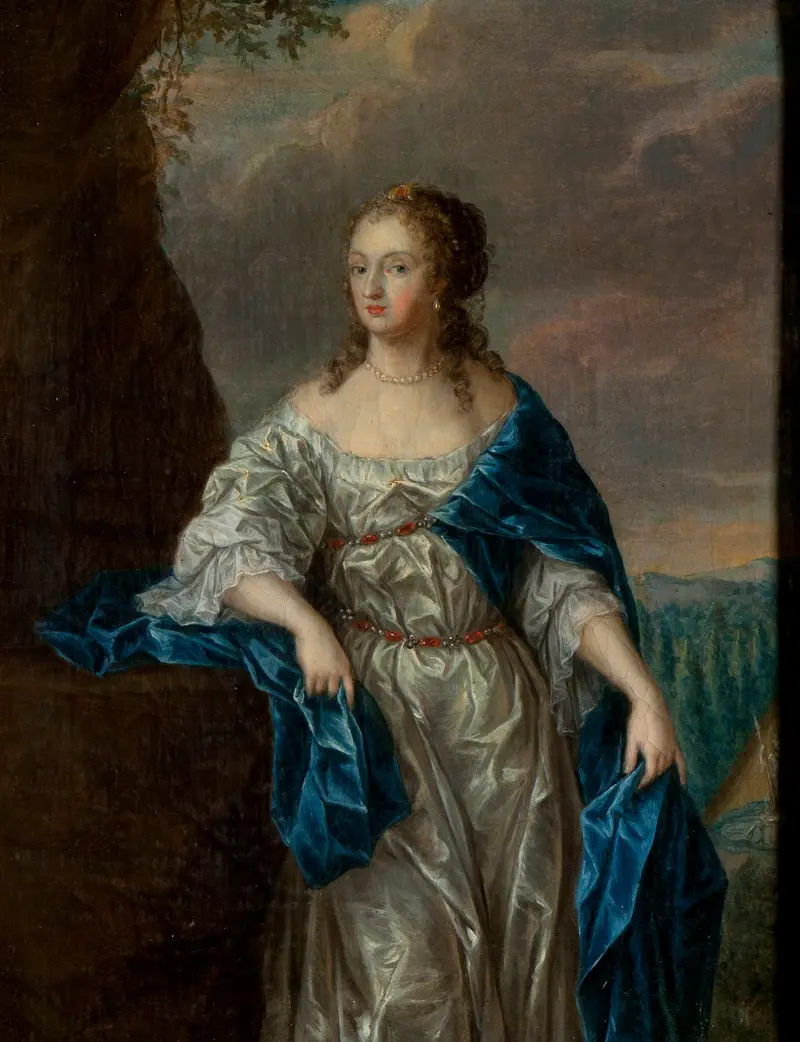
Mary Killegrew (born 1627), Countess of Nassau. Wife of Frederik van Nassau-Zuylenstein
Adriaen Hanneman
Portrait of a Man
Adriaen Hanneman
Self-portrait
Adriaen Hanneman





