
Prophet Zechariah — History & Facts
The most intriguing aspect of Prophet Zechariah by Jan van Eyck is the ongoing debate over its authorship and date. While the painting bears the unmistakable clarity and detail of van Eyck’s hand, its attribution remains uncertain, with some scholars arguing it may be the work of a follower or workshop member. The date, 1500, presents a puzzle, as van Eyck is believed to have died in 1441, raising questions about whether this is a later homage or a misattribution.
This uncertainty has sparked lively discussion among art historians, who point to stylistic elements both consistent and inconsistent with van Eyck’s known works. The painting captures the prophet Zechariah at a moment of divine inspiration, his gaze lifted as if receiving a vision. In the biblical account, Zechariah is called to encourage the rebuilding of the Temple in Jerusalem after the Babylonian exile, and here, the artist chooses to show him mid-revelation, a scroll unfurling in his hands. The intricate folds of his robe and the meticulous rendering of his beard and hands draw the viewer’s eye to the prophet’s concentration.
The gold chain around his neck may symbolize his authority as a messenger of God, while the subtle light illuminating his face suggests enlightenment. Compared to Michelangelo’s muscular, dynamic Zechariah on the Sistine Chapel ceiling, van Eyck’s prophet is more introspective, emphasizing wisdom over physical presence. The journey of Prophet Zechariah as an object is largely undocumented, typical of many works attributed to the Early Netherlandish period. No records survive of its original patron or commission, though its devotional subject hints at ecclesiastical origins.
Over the centuries, the painting has passed through private hands and collections, its attribution shifting as scholarship evolved. Today, it resides in a museum collection, where it continues to prompt questions about authorship and the boundaries of van Eyck’s oeuvre. Regardless of its precise origin, the painting stands as a testament to the enduring fascination with the prophet’s story and the technical brilliance associated with van Eyck and his circle.
More Artworks by Jan van Eyck

Adam
Jan van Eyck
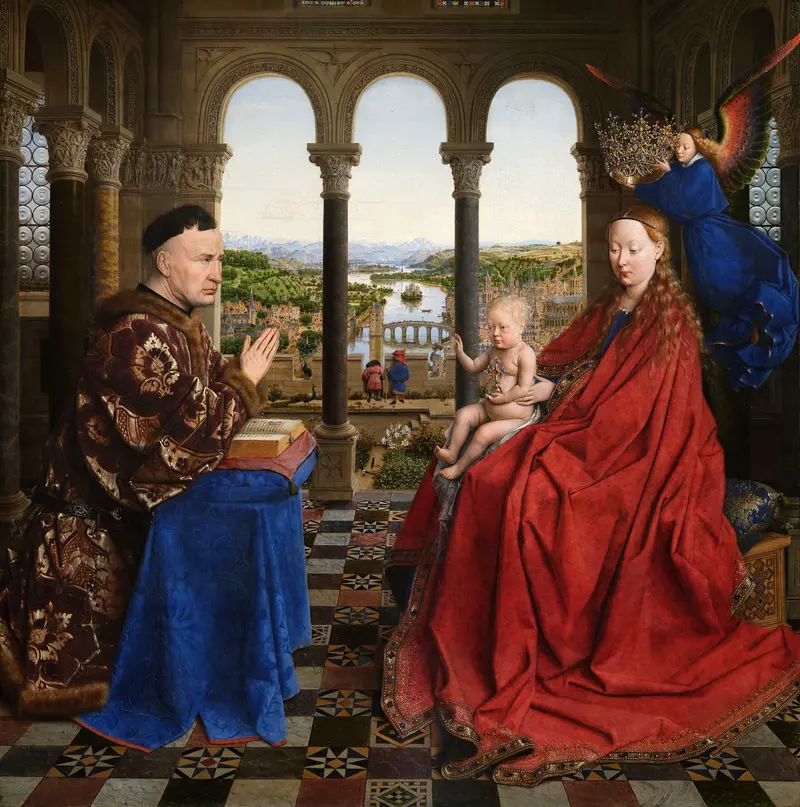
Madonna of Chancellor Rolin
Jan van Eyck
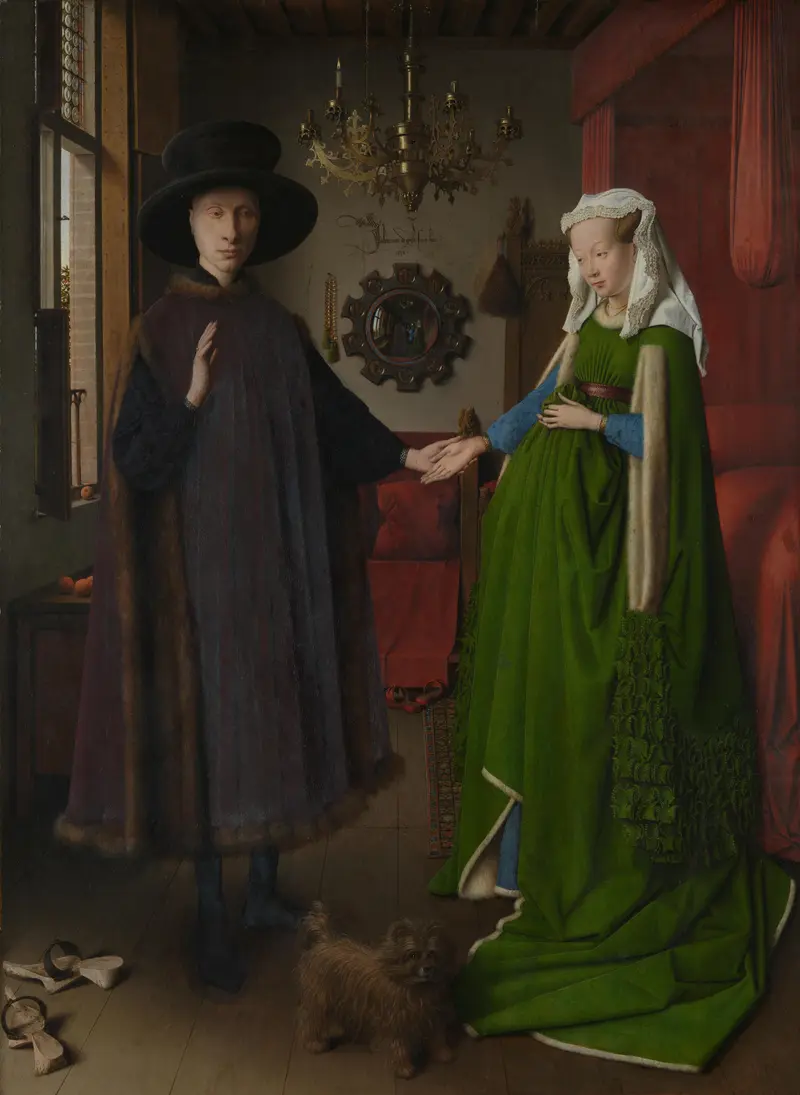
The Arnolfini Portrait
Jan van Eyck
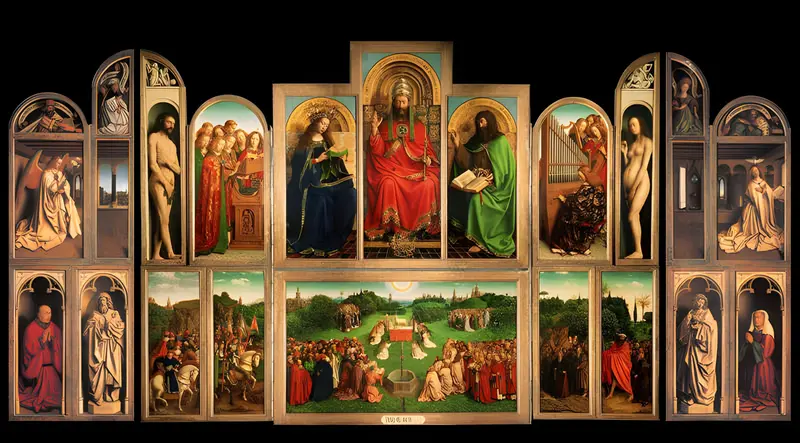
Ghent Altarpiece
Jan van Eyck

Dresden Triptych
Jan van Eyck
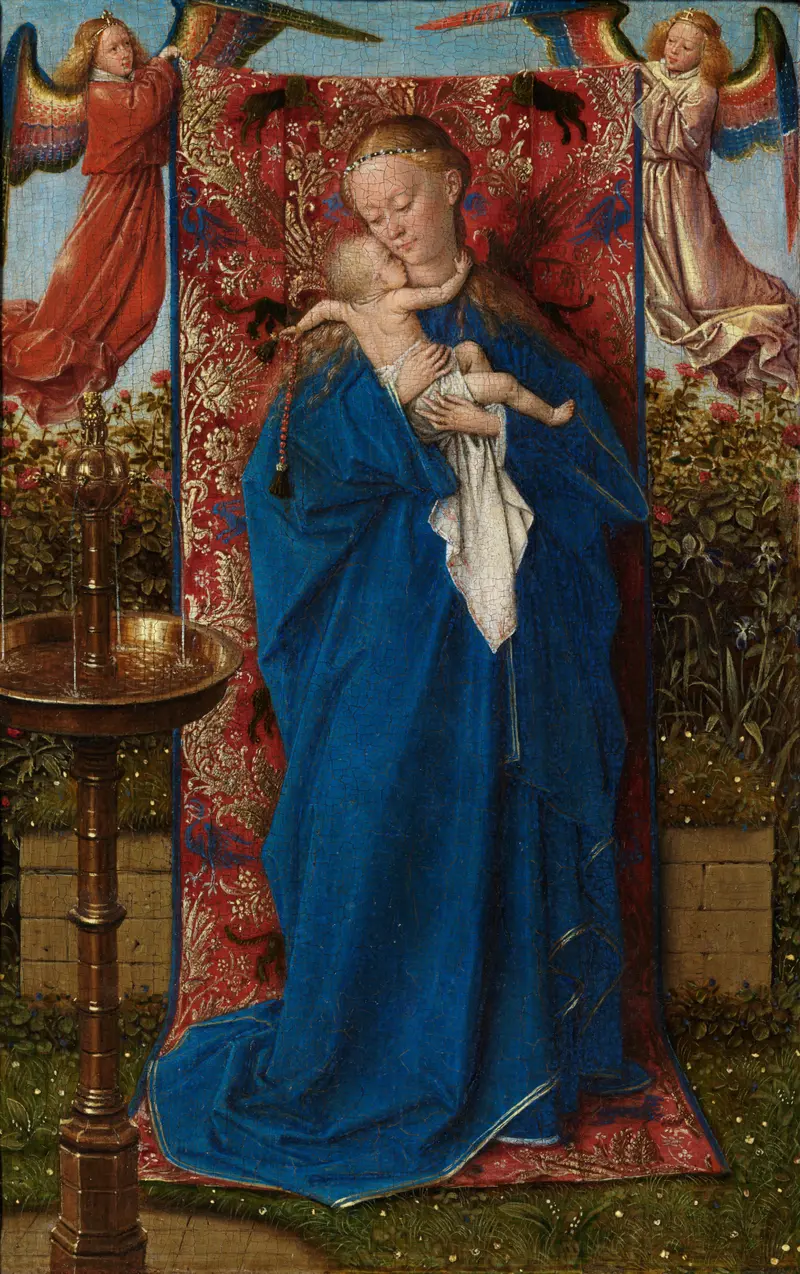
Madonna at the Fountain
Jan van Eyck

Madonna with Canon Joris van der Paele
Jan van Eyck

Prophet Zacharias; Angel of The Annunciation
Jan van Eyck
Portrait of a Man (Self Portrait?)
Jan van Eyck
Adoration of the Lamb from the Ghent Altarpiece
Jan van Eyck





