
Public square of Mexico. — History & Facts
In the delicate interplay of life and fragility, the essence of existence often goes unnoticed, quietly resonating within the heart of humanity. Look closely at the vibrant chaos of the public square, where figures blend into a tapestry of movement. The artist's use of warm, earthy tones draws your eye to the central gathering, creating a sense of unity amidst diverse expressions. Notice how the light filters through the leafy canopies above, casting dancing shadows that animate the scene, hinting at the transient nature of both time and emotion.
The careful detailing of each character not only depicts their individuality but also weaves a collective narrative of shared experience. Amidst the lively activity, subtle contrasts emerge between joy and melancholy. The exuberance of the children, caught in playful abandon, juxtaposes the contemplative gestures of the elders, who seem tethered by the weight of memory. This delicate balance invites reflection on the fleeting moments of life, suggesting that within every celebration lies an undercurrent of fragility.
Each figure tells a story, and as they share the communal space, they echo humanity’s shared quest for connection and understanding. C. Castro painted this work in 1869, during a period of social upheaval in Mexico. Emerging from a backdrop of political change and cultural revival, he sought to capture the vibrancy of everyday life within public spaces.
As the nation grappled with its identity, the artist used his brush to document not just a square, but the very soul of his community, blending realism with the emotional truths that define human existence.
More Artworks by C. Castro
Browse all →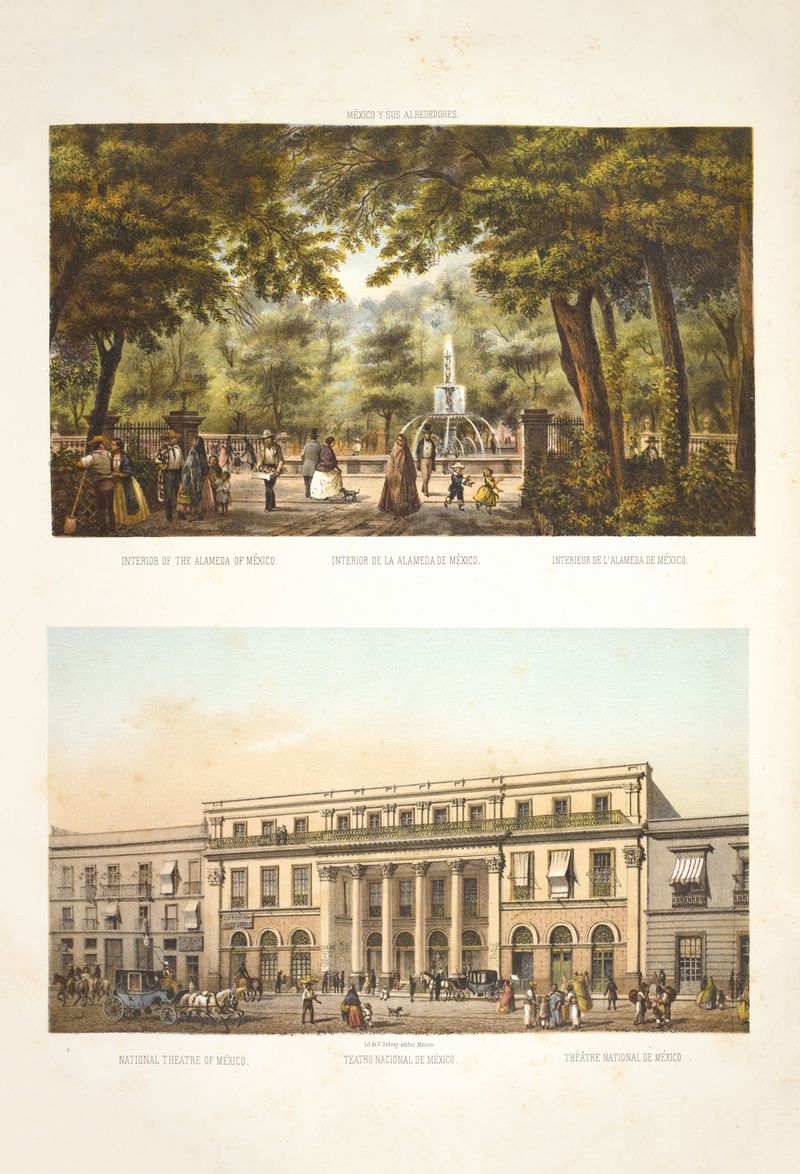
Interior of the Alameda of Mexico ; National Theatre of Mexico.
C. Castro
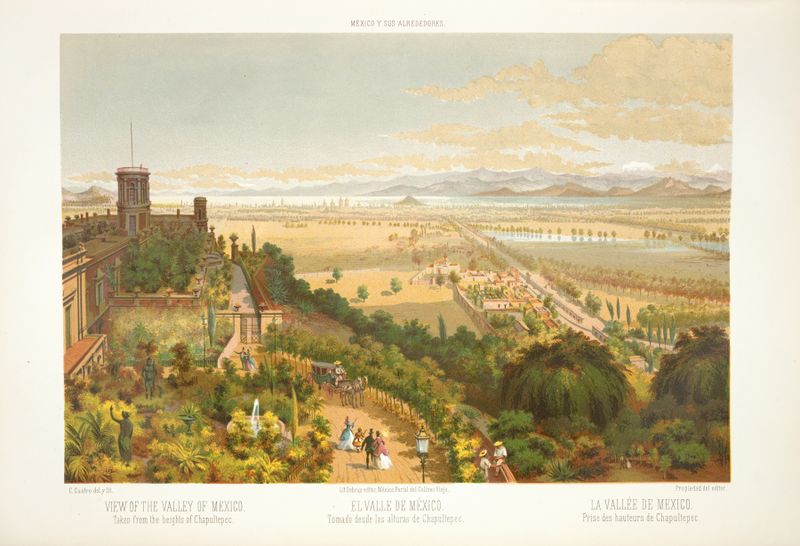
View of the Valley of Mexico, taken from the heights of Chapultepec.
C. Castro
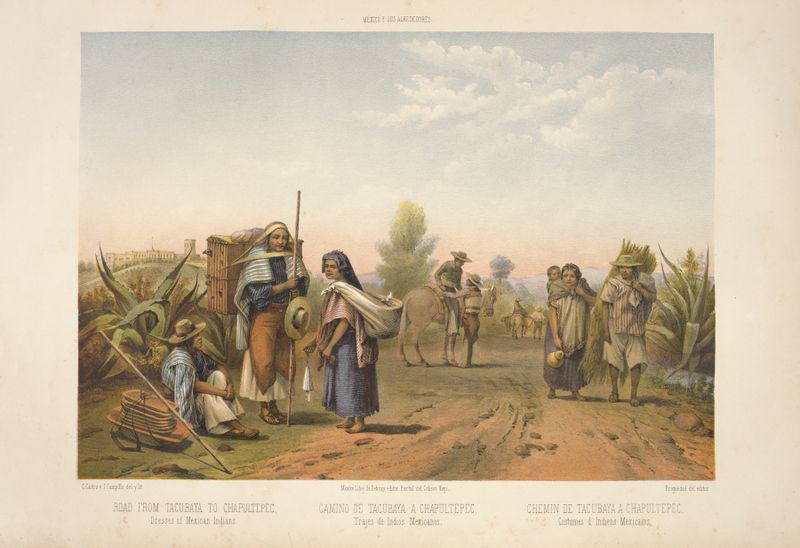
Road from Tacubaya to Chapultepec, dresses of Mexican Indians.
C. Castro
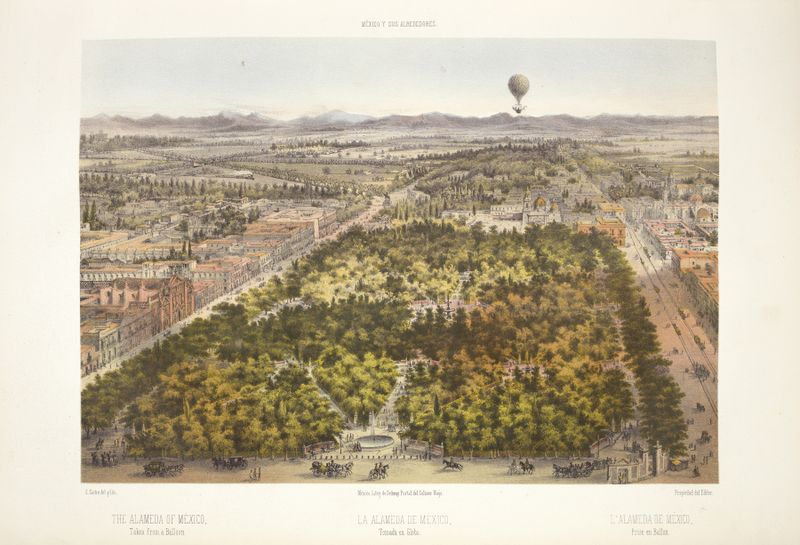
The Alameda of Mexico, taken from a balloon.
C. Castro
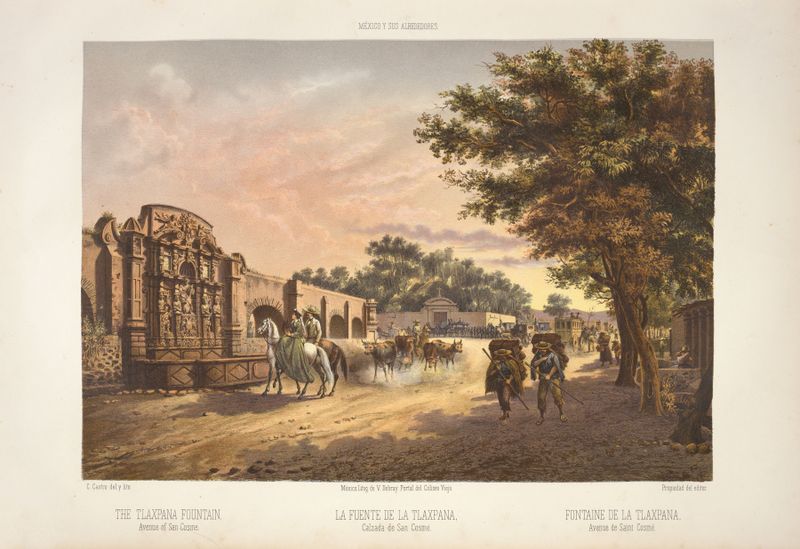
The Tlaxpana fountain, Avenue of San Cosme.
C. Castro
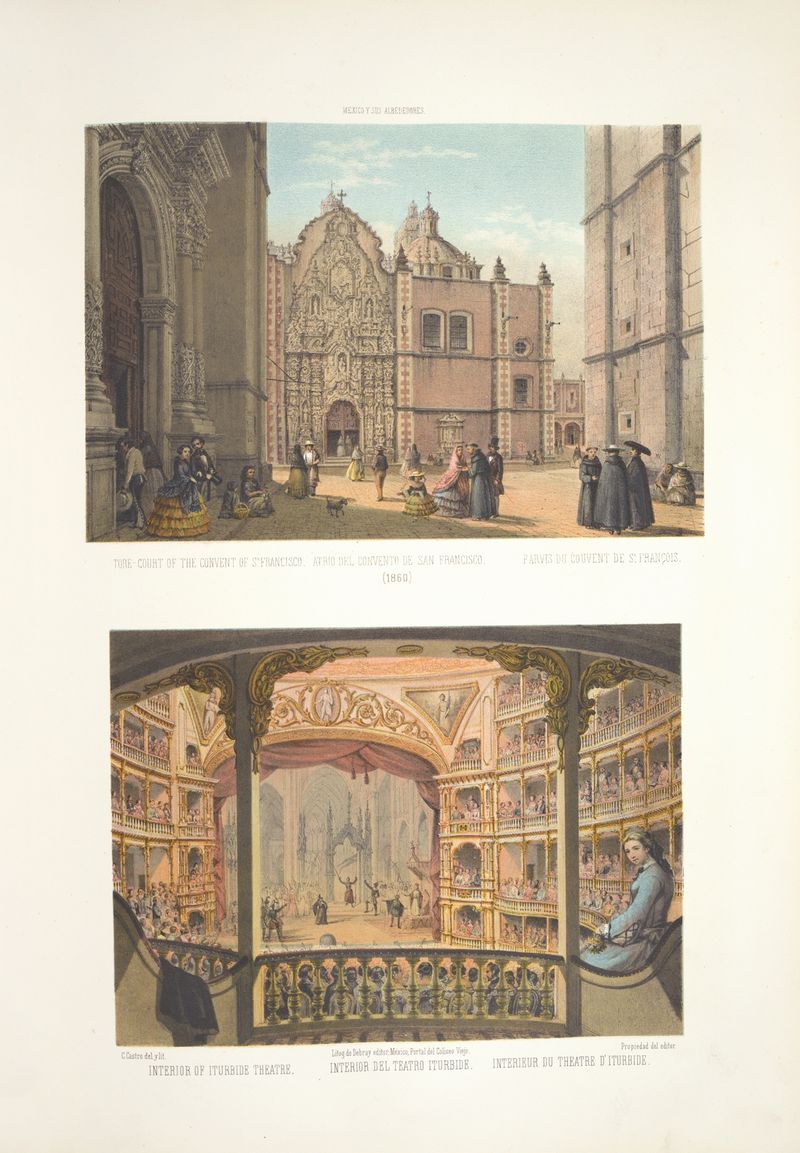
Tore-court of the convent of St. Francisco ; Interior del Teatro Iturbide
C. Castro
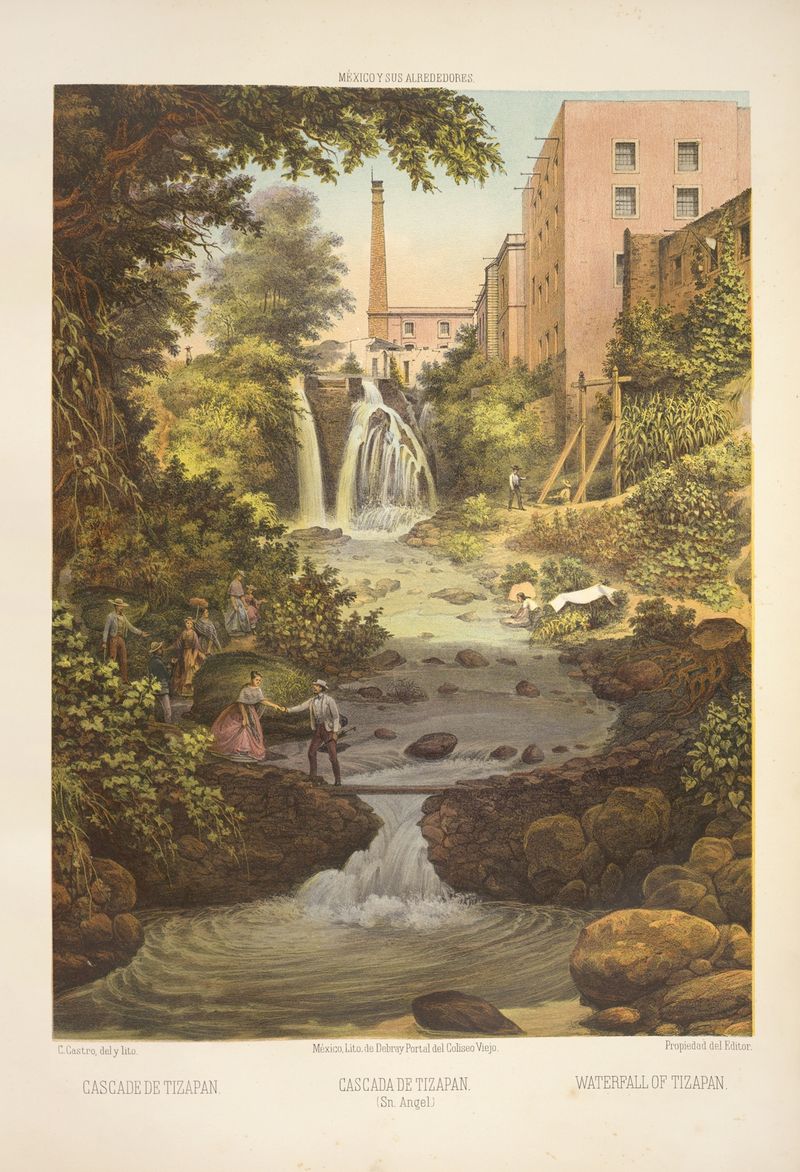
Waterfall of Tizapan
C. Castro
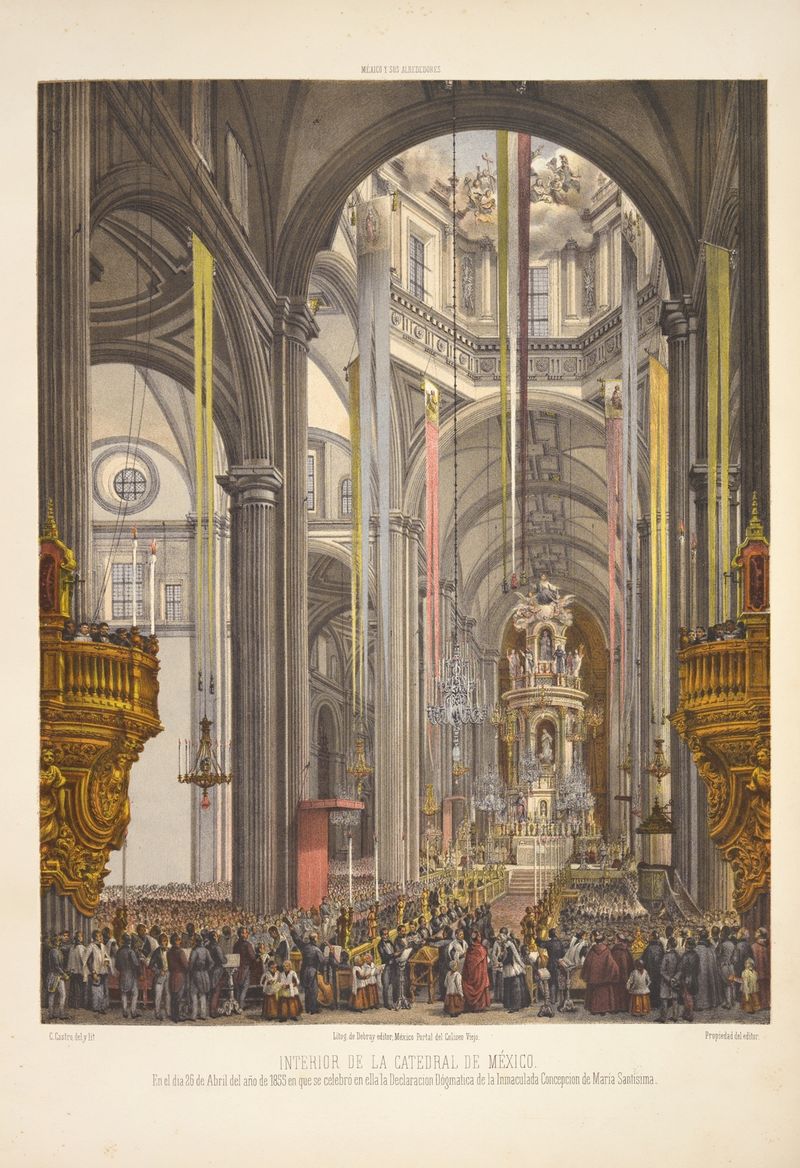
Interior de la Catedral de México. En el dia 26 de Abril del año de 1855 en que se celebró en ella la Declaracion Dógmatica de la Inmaculada Concepcion de María Santisima.
C. Castro
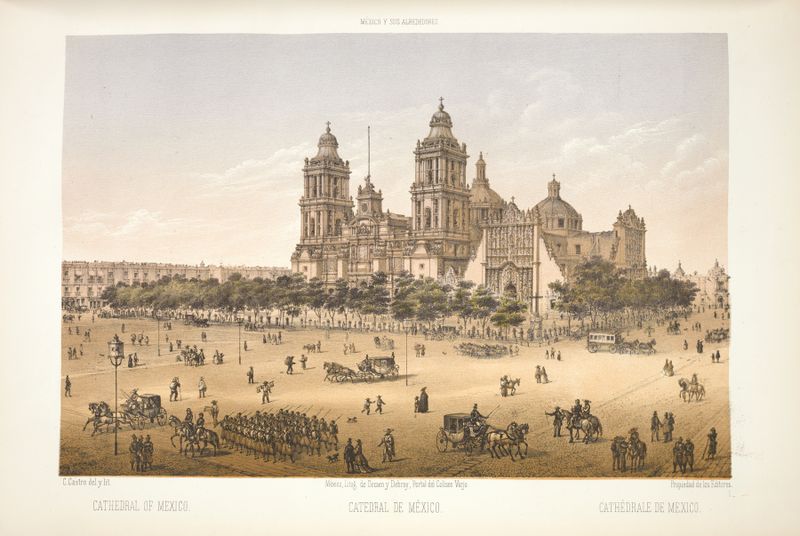
Cathedral of Mexico.
C. Castro
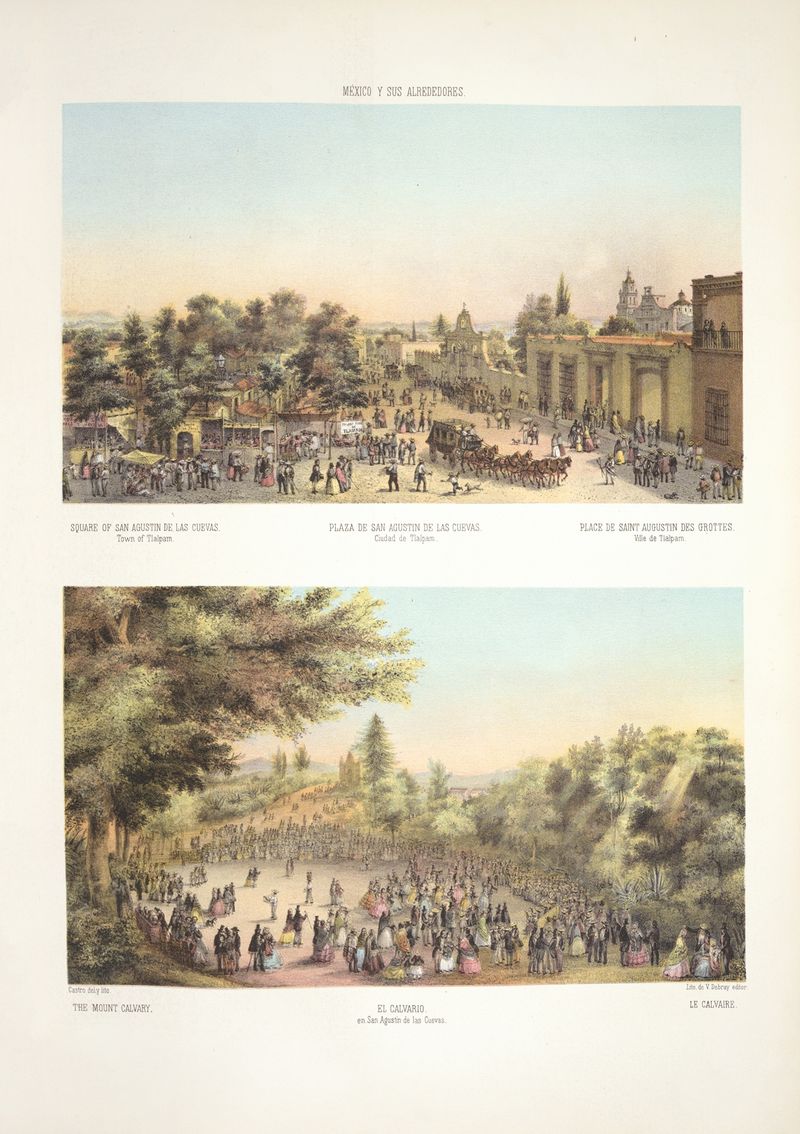
Square of San Agustin de las Cuevas, town of Tlalpam ; The Mount Calvary.
C. Castro





