Pukktuulik — History & Facts
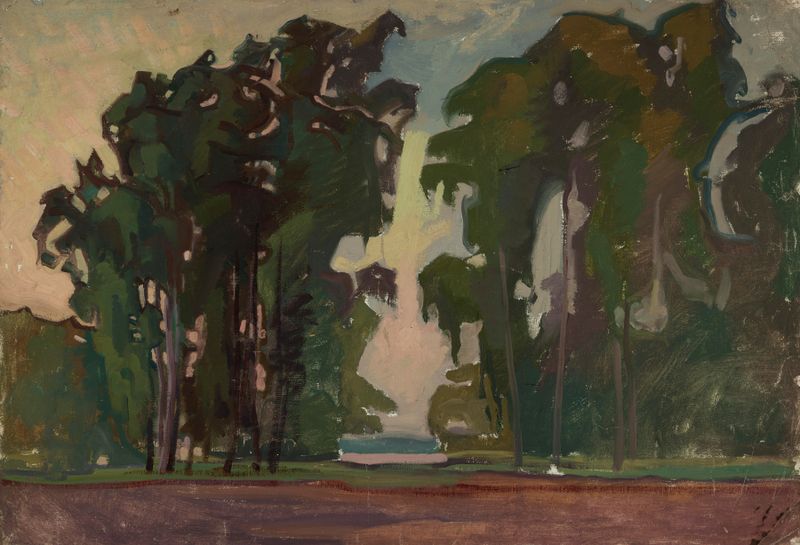
In a world where beauty often hides in the mundane, it emerges gently, waiting for the keen observer to notice. Gaze first at the delicate interplay of light and shadow in Pukktuulik, where soft hues of blue and green unfold like whispers across the canvas. The composition draws you into an intimate space, inviting you to explore every brushstroke. Notice how the artist’s hand captures the intricate details of flora, each petal meticulously rendered, reflecting a reverence for nature’s quiet elegance.
The subtle gradation of colors creates depth, allowing the viewer to feel the weight and presence of the forms as if they might stir to life at any moment. Look closer, and you’ll find contrasts that resonate deeply—between the vibrancy of the flowers and the stillness of their surroundings. The tension between life and stillness evokes a poignant sense of longing, as if these blossoms are caught in a moment of pause, holding secrets beneath their vibrant surfaces. The artist’s choice to exclude a human presence amplifies this tension, allowing an intimate connection with the beauty of the natural world, urging the viewer to reflect on what is unspoken in silence. Nikolai Triik painted Pukktuulik in 1906 while living in Estonia, a time when the nation was navigating its cultural identity amidst the broader currents of art movements in Europe.
Influenced by Symbolism, Triik sought to convey deeper meanings through nature, reflecting both the personal and collective experiences of his time. This period marked his growing exploration of beauty in simplicity, a theme that would define his artistic journey.