
Reclining Nude Shepherdess — History & Facts
A figure lies stretched across a patchwork of sunlit grass, her body at ease, her gaze lost in reverie. The most striking element here is the way Berthe Morisot lets the landscape and the nude merge, as if the shepherdess is not only resting in nature but becoming part of it. The yellow scarf anchors her to the everyday world, but the loose, swirling brushwork dissolves the boundaries between skin and earth, suggesting a moment of quiet absorption.
The model’s pose—chin propped on hand, legs extended—speaks of unhurried contemplation, a pause in the rhythm of work or wandering. Light pools along her back and thigh, guiding the viewer’s eye along the curve of her body and into the dapples of color that suggest wildflowers and grass. Painted in 1891, this work belongs to the last decade of the nineteenth century, when artists like Morisot—a leading figure among the Impressionists—were reimagining the nude not as an academic ideal but as a living, breathing presence in real landscapes. The shepherdess, a humble figure, here claims the kind of languid pose once reserved for mythological goddesses.
The painting now resides in the Carmen Thyssen-Bornemisza Collection, on deposit at the Museo Thyssen-Bornemisza, a reminder of how the Impressionists brought the outdoors—and the women who inhabited it—into the heart of modern art. Let your eye linger on the brushstrokes: each one is a trace of Morisot’s hand, and an invitation to enter this moment of sunlight and solitude.
More Artworks by Berthe Morisot

The Harbor at Lorient
Berthe Morisot
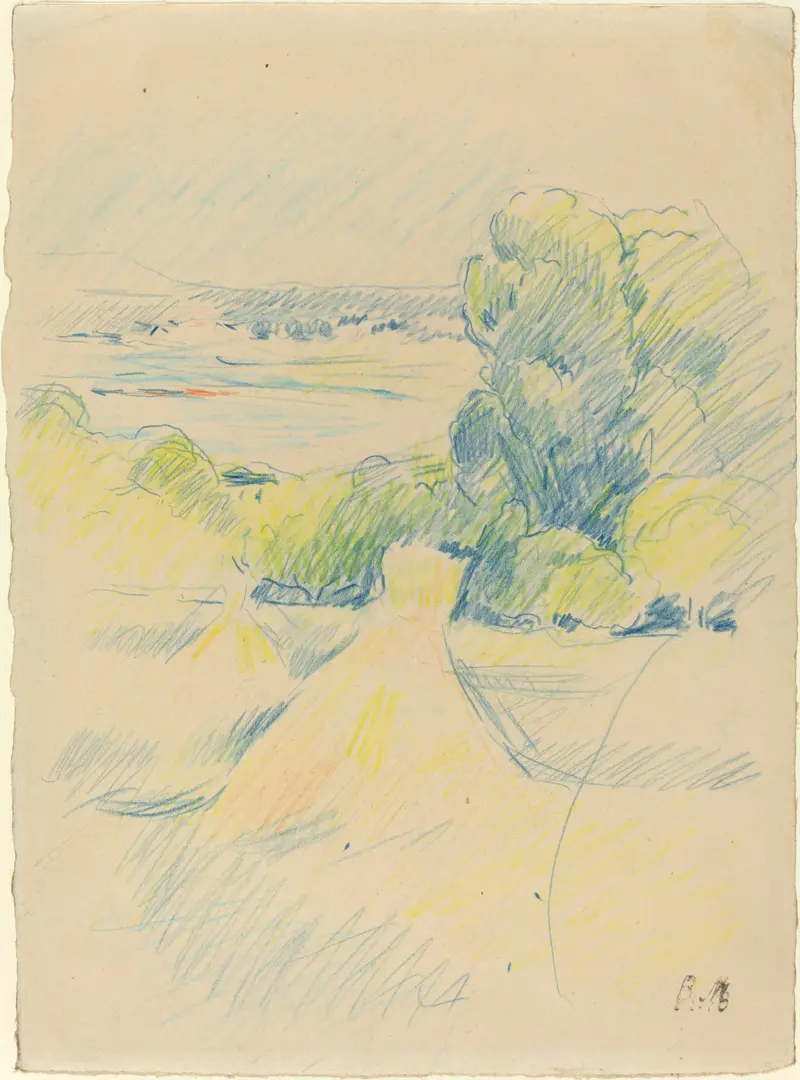
Landscape
Berthe Morisot

Hanging the Laundry out to Dry
Berthe Morisot

Woman in a Garden
Berthe Morisot

Young Girl with Hat
Berthe Morisot
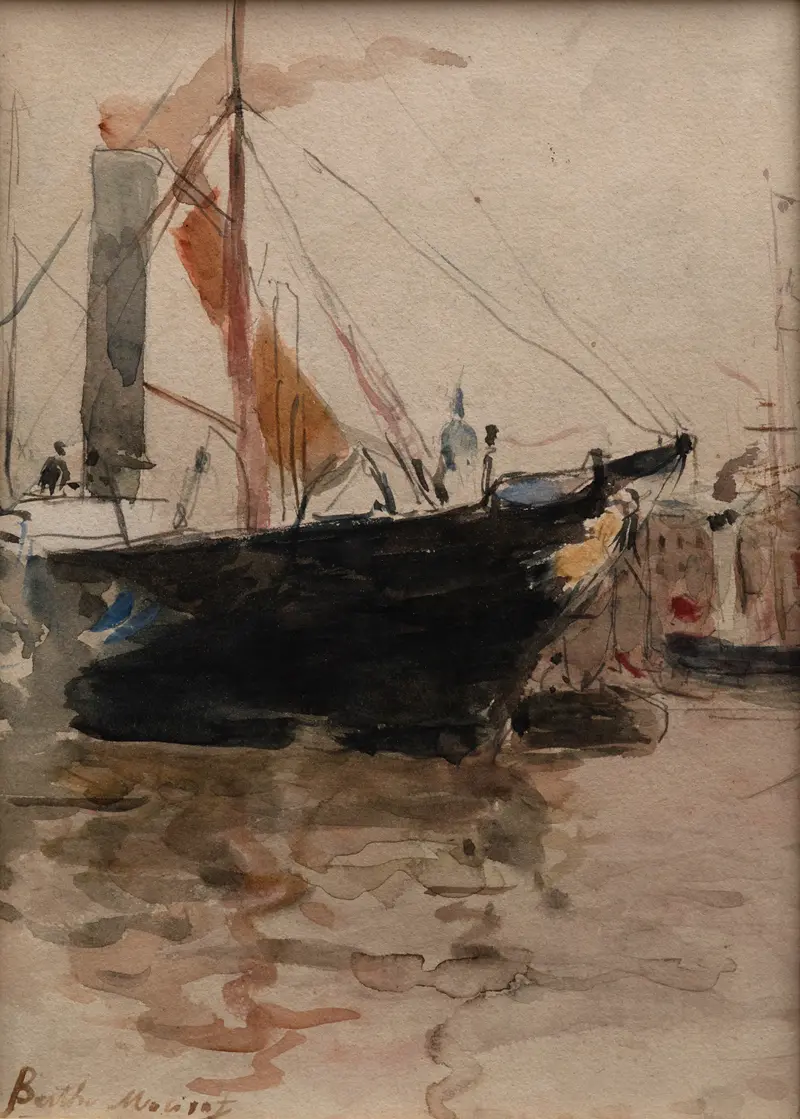
Harbor Scene, Isle of Wight
Berthe Morisot
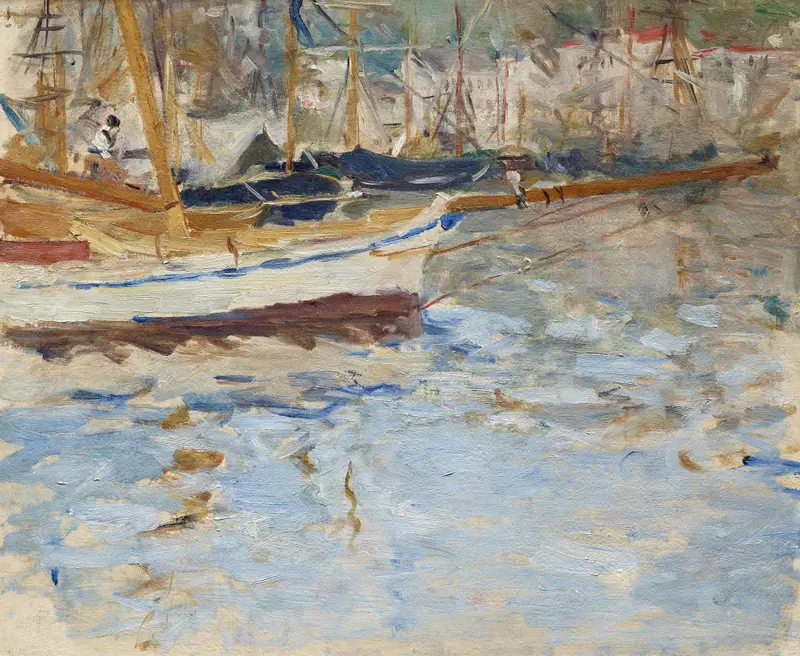
The Port of Nice
Berthe Morisot
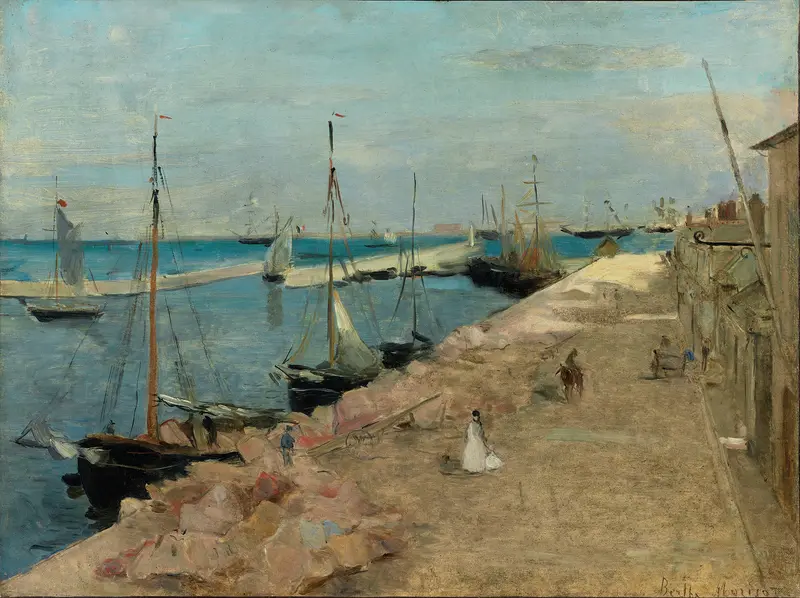
The Harbor at Cherbourg
Berthe Morisot

The Mother and Sister of the Artist
Berthe Morisot
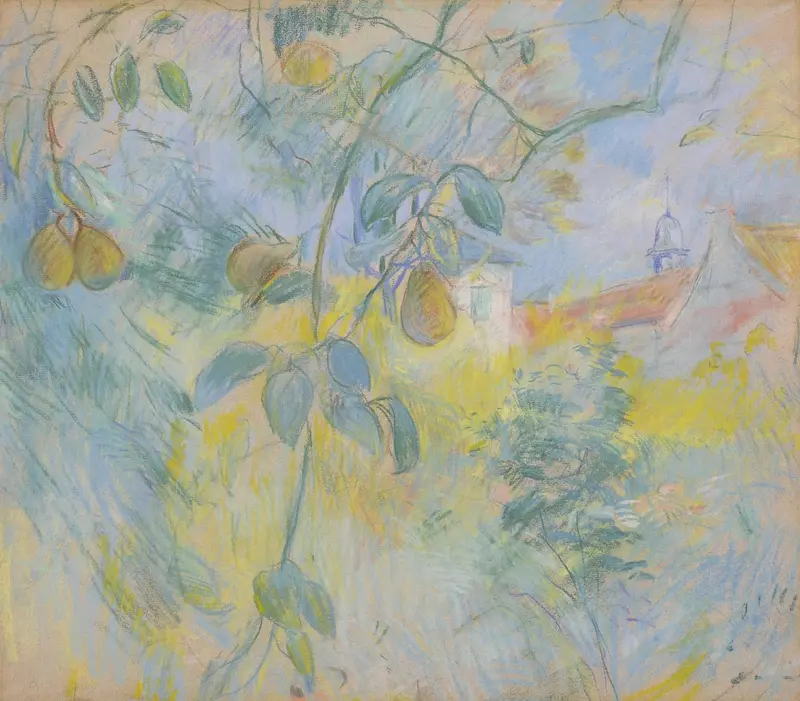
Les Poires
Berthe Morisot



