
Reclining Venus — History & Facts
When Jean Auguste Dominique Ingres unveiled his Reclining Venus in 1822, it immediately stirred comparisons to the celebrated nudes of the Italian Renaissance, particularly those of Titian. Critics and admirers alike noted the unmistakable echo of Titian’s Venus of Urbino, yet Ingres’ Venus was more than homage—it was a deliberate challenge to the conventions of the female nude in French painting. The work’s debut at the Paris Salon placed Ingres at the center of a heated debate about ideal beauty and the boundaries of academic tradition, a position he both relished and resented. Ingres chooses to capture Venus not in the throes of mythic drama, but in a moment of serene repose.
The goddess reclines on a sumptuous couch, her elongated form accentuated by the soft fall of drapery and the delicate play of light across her skin. Her gaze is averted, lost in thought, inviting viewers to contemplate not just her beauty, but her interior world. The carefully rendered pearls and the gentle twist of her wrist recall the sensuality of Giorgione’s Sleeping Venus, yet Ingres’ approach is cooler, more sculptural, emphasizing line over flesh.
Where Titian’s Venus meets the viewer’s eye, Ingres’ turns away, creating a sense of distance and introspection. The precise origins of Reclining Venus remain somewhat unclear, as the details of its commission have been lost to time, but it stands as a pivotal work in Ingres’ early career, marking his transition from student of Jacques-Louis David to an independent voice in the French Neoclassical movement. The painting has traveled through several private collections, its attribution to Ingres never seriously questioned, though its medium—whether oil on canvas or another support—remains a subject of minor scholarly debate. Today, Reclining Venus is recognized as a key moment in Ingres’ lifelong dialogue with antiquity and the female form, a work that bridges the gap between the Renaissance past and the modernity of 19th-century French art.
More Artworks by Jean Auguste Dominique Ingres
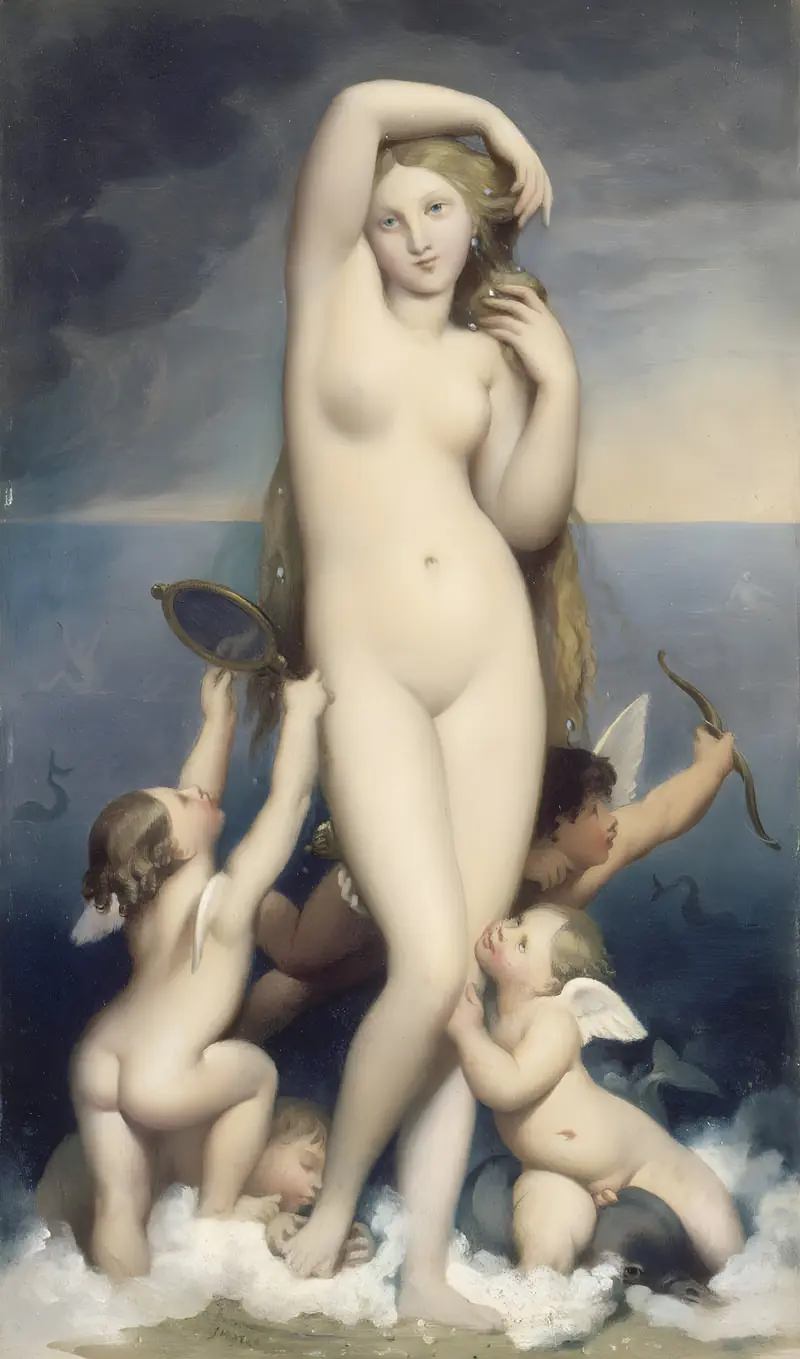
Vénus anadyomène
Jean Auguste Dominique Ingres
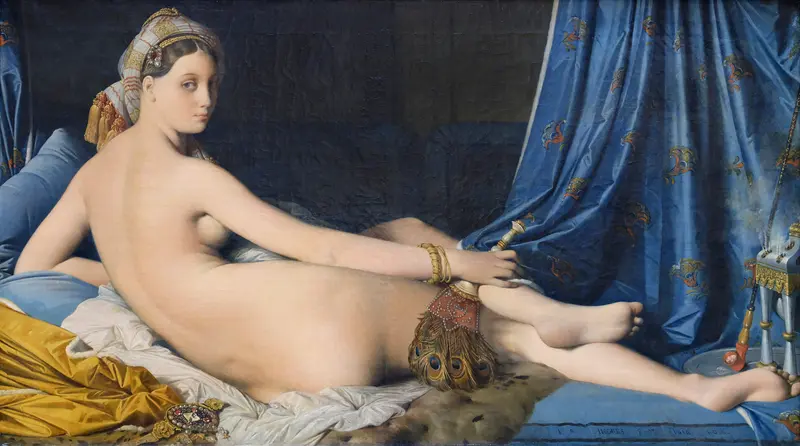
Grande Odalisque
Jean Auguste Dominique Ingres
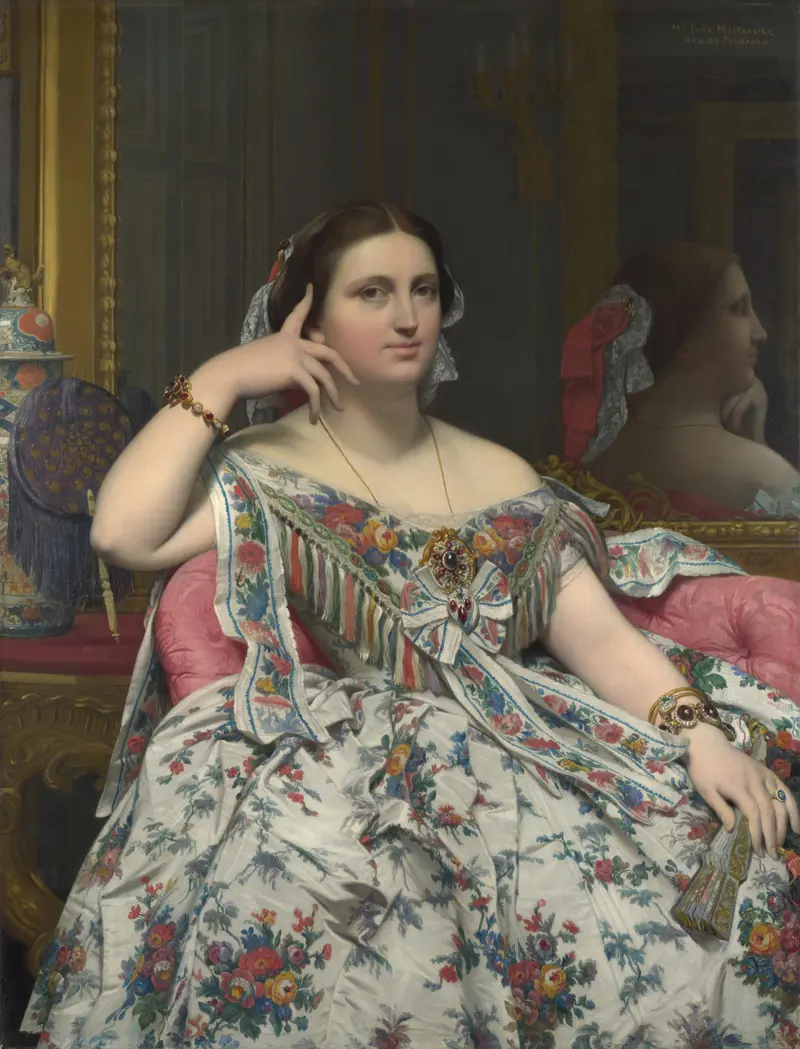
Madame Moitessier (seated)
Jean Auguste Dominique Ingres
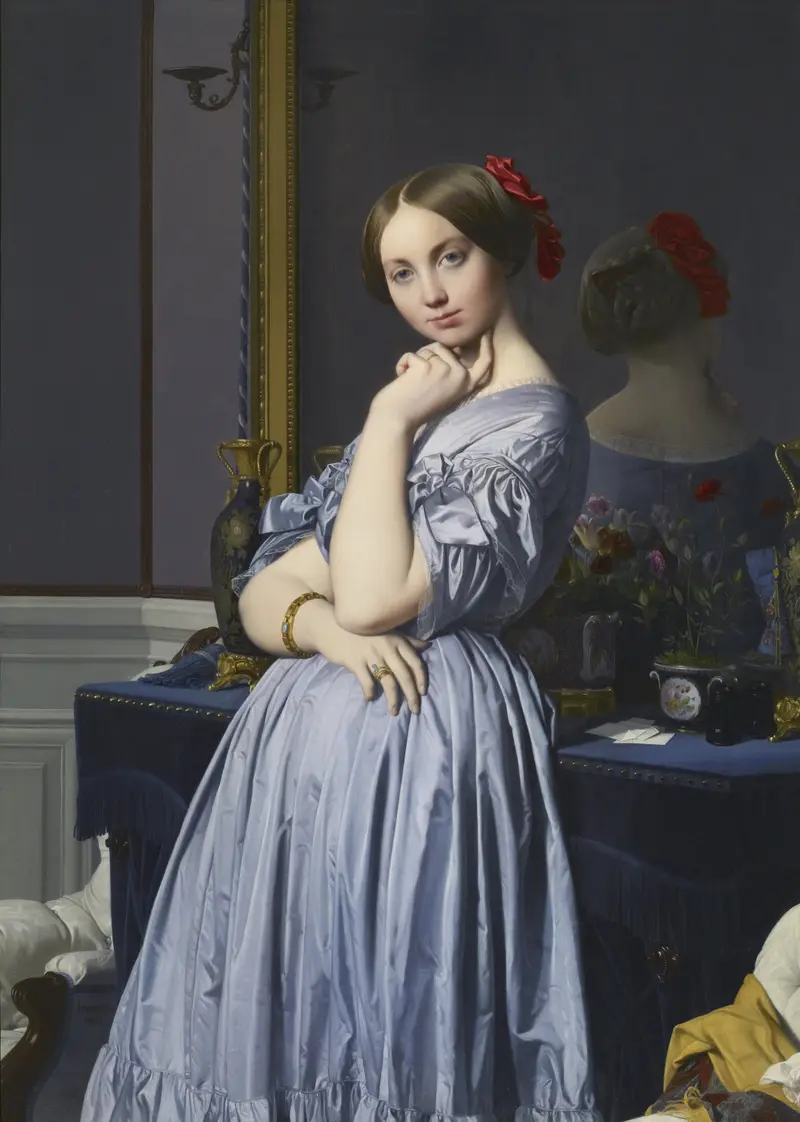
Portrait of Comtesse d’Haussonville
Jean Auguste Dominique Ingres
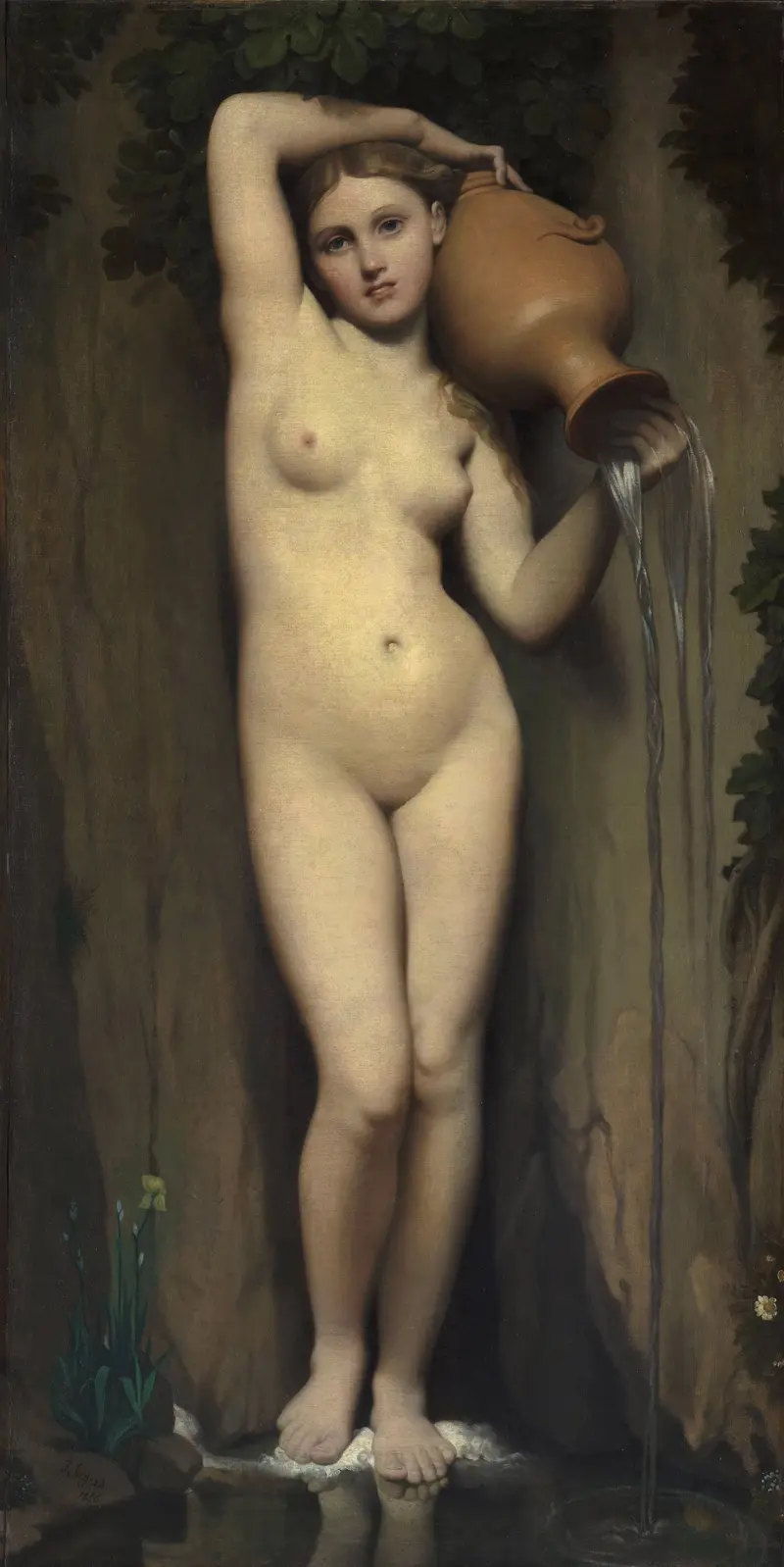
The Source
Jean Auguste Dominique Ingres
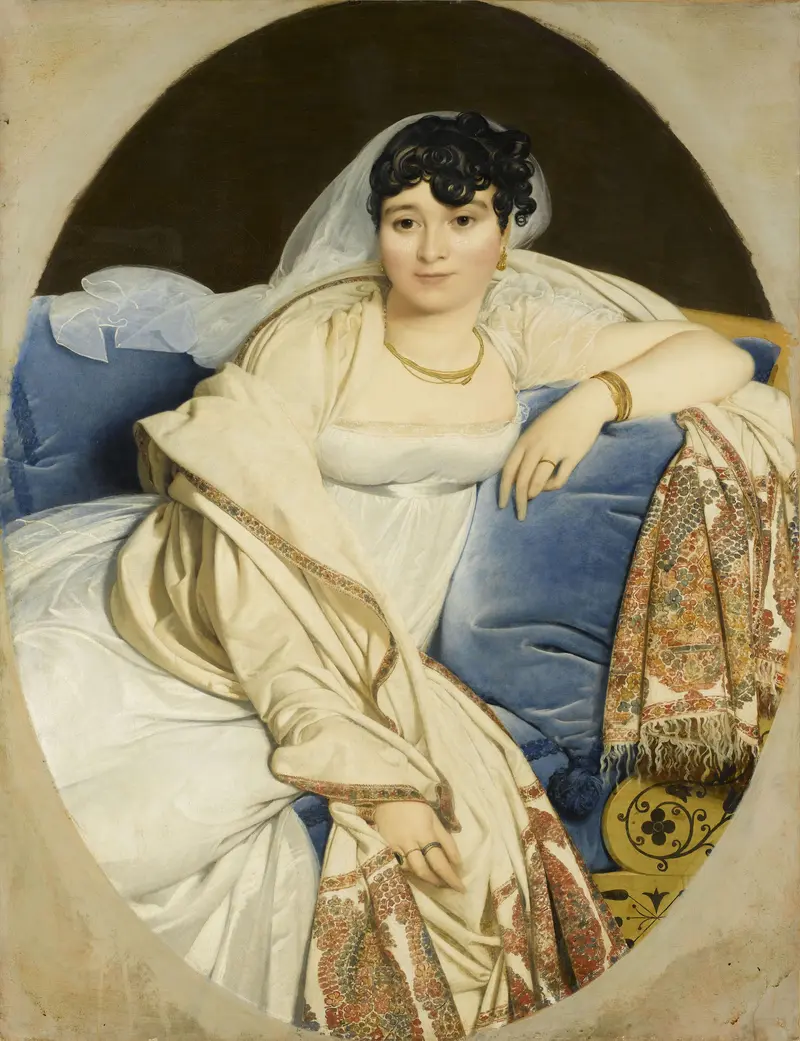
Madame Rivière
Jean Auguste Dominique Ingres

Madame Jean-Auguste-Dominique Ingres, née Madeleine Chapelle
Jean Auguste Dominique Ingres

Portrait of a Lady
Jean Auguste Dominique Ingres
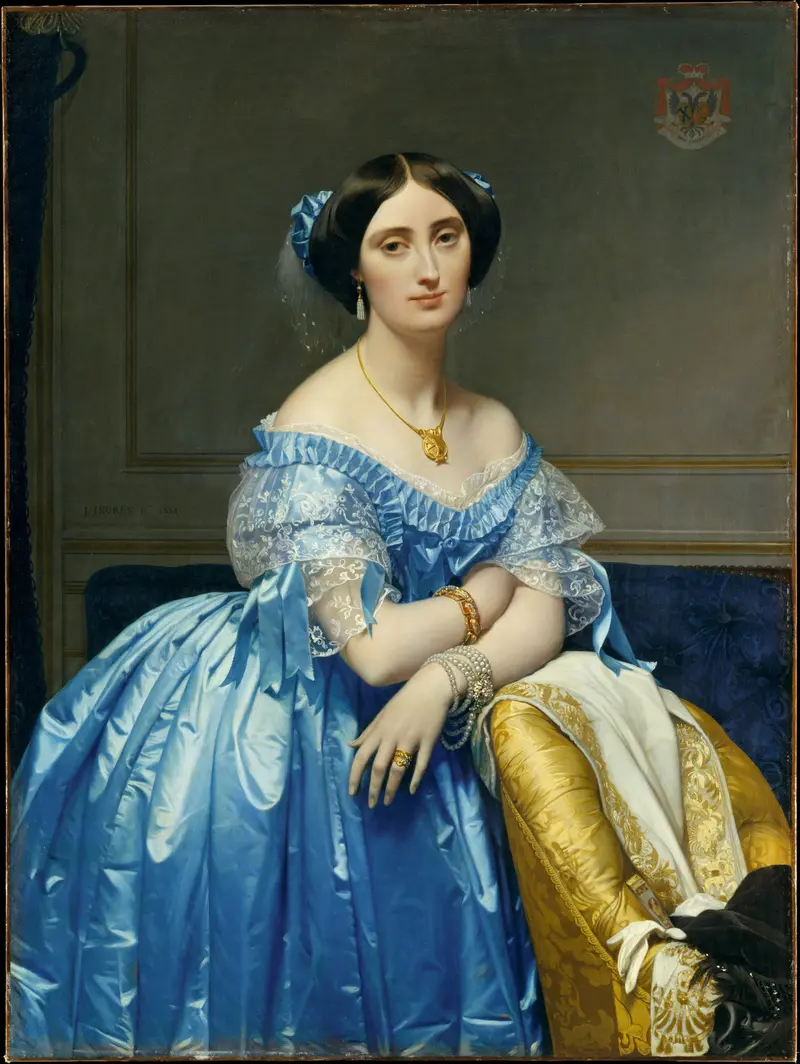
Joséphine-Éléonore-Marie-Pauline de Galard de Brassac de Béarn (1825–1860), Princesse de Broglie
Jean Auguste Dominique Ingres
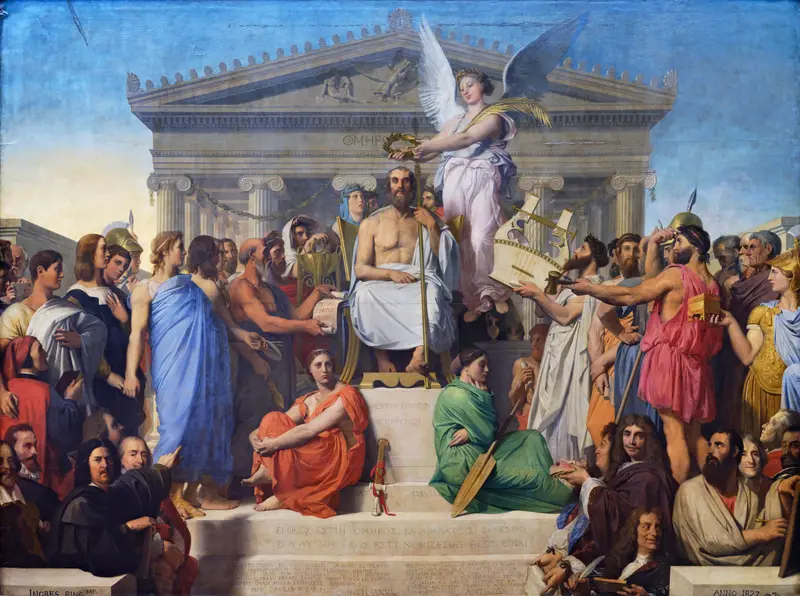
The Apotheosis of Homer
Jean Auguste Dominique Ingres





