
Red-headed Woodpecker — History & Facts
What first catches the eye in Red-headed Woodpecker is the sense of urgent, teeming life: a flash of scarlet and black as the adult swoops in, a berry clutched in its beak, while the young cluster around a battered tree trunk, each at a different stage of anticipation or hunger. The composition is a study in motion and attention—one chick leans out, beak open, another flutters its wings, a third peers from the safety of a hollow. The old wood, rendered with loving detail, becomes a stage for this daily drama, every hole and groove a sign of past meals and future hopes.
Audubon’s precision turns the scene into something almost theatrical, the stark white background focusing all energy on the birds’ interaction, the red heads and black wings like exclamation marks against the pale field. Created between 1827 and 1838 as Plate 27 of Birds of America, this work belongs to a world where the boundaries between art and science were being redrawn. In Audubon’s era, naturalists and artists alike were driven by a hunger to document, categorize, and celebrate the continent’s astonishing variety of life. These prints were not just for beauty’s sake—they were tools for learning, prized by collectors and scientists, and often commissioned by those eager to possess a piece of the new American wilderness.
Now held by the University of Pittsburgh, this plate stands as a testament to the ambitions of its time: to capture the living world in all its restless detail, and to invite the viewer to look again, and look closer.
More Artworks by John James Audubon
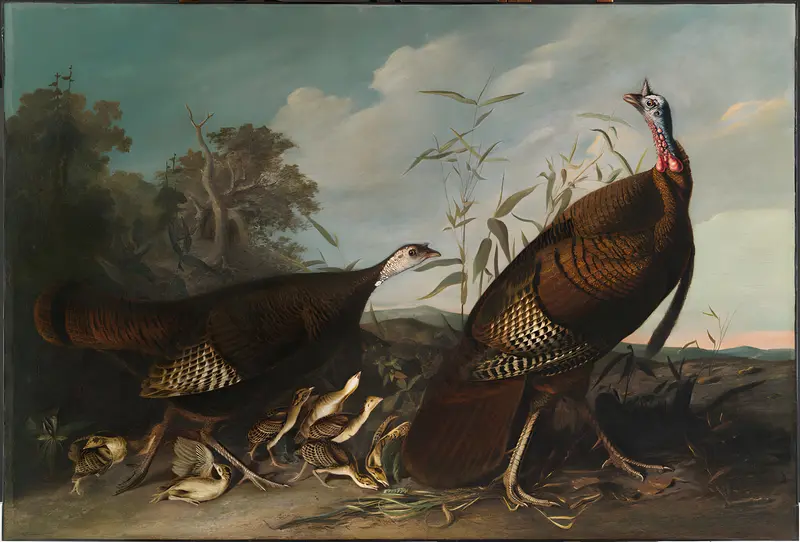
Wild Turkey Cock, Hen, and Chicks
John James Audubon
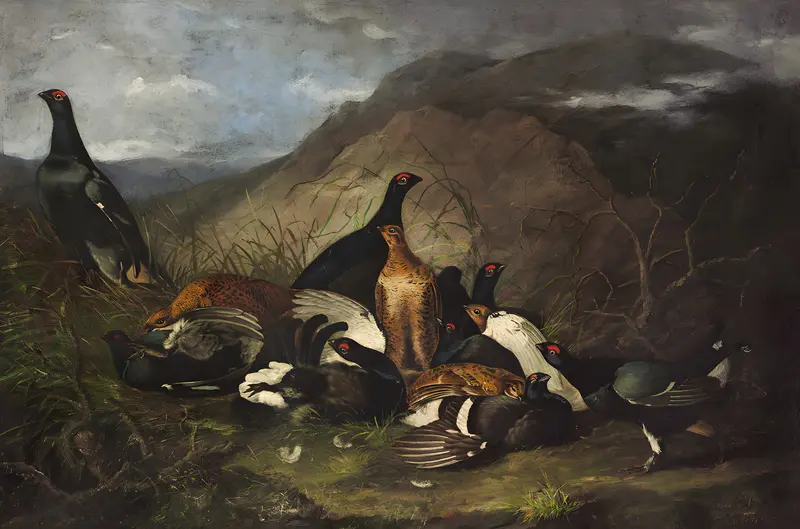
Scottish Black Grouse, Cocks and Hens
John James Audubon
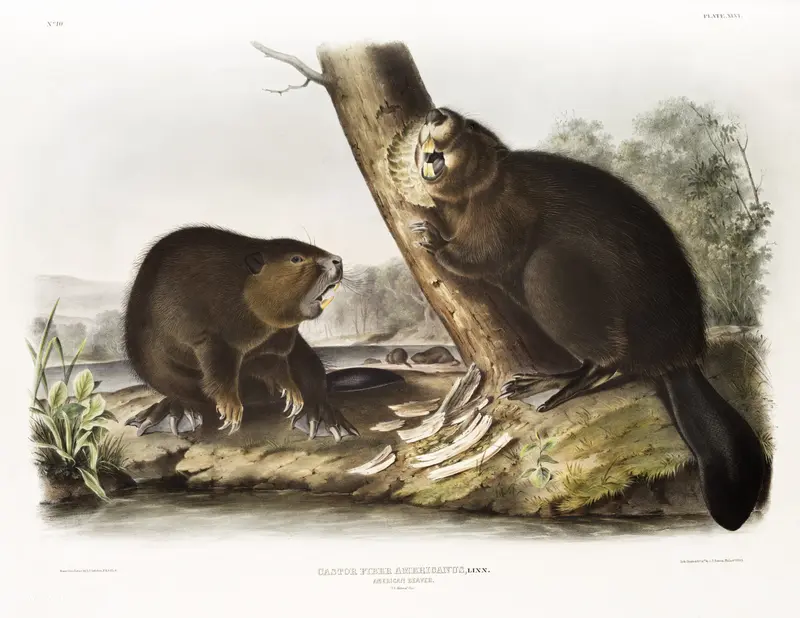
American Beaver
John James Audubon
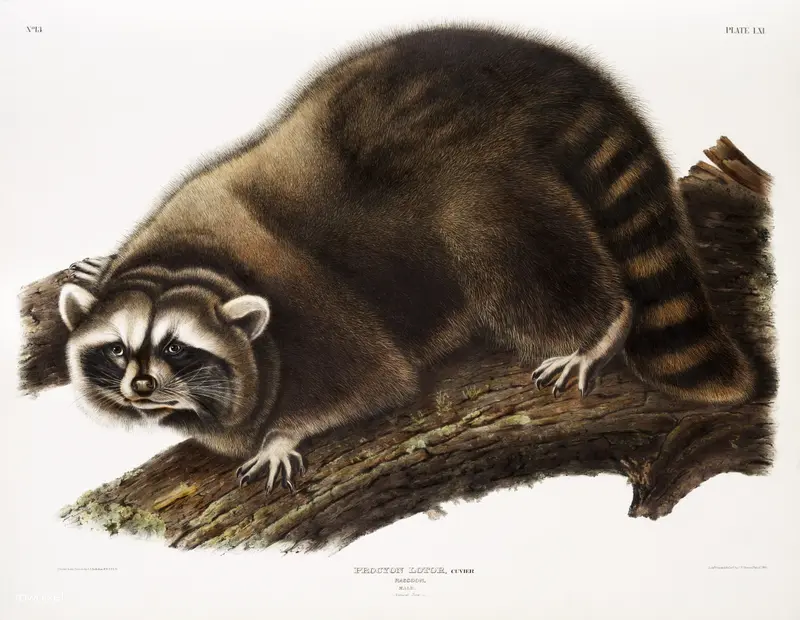
Raccoon
John James Audubon

Magnificent Frigatebird
John James Audubon
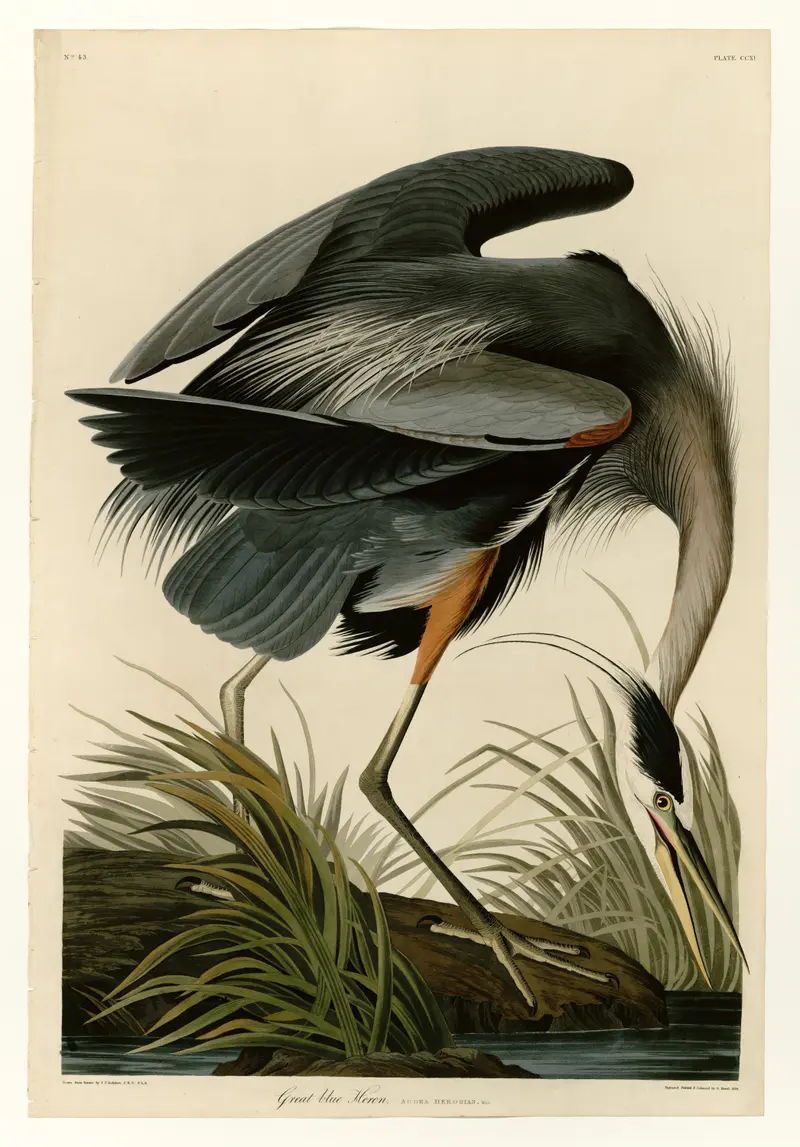
Great Blue Heron
John James Audubon
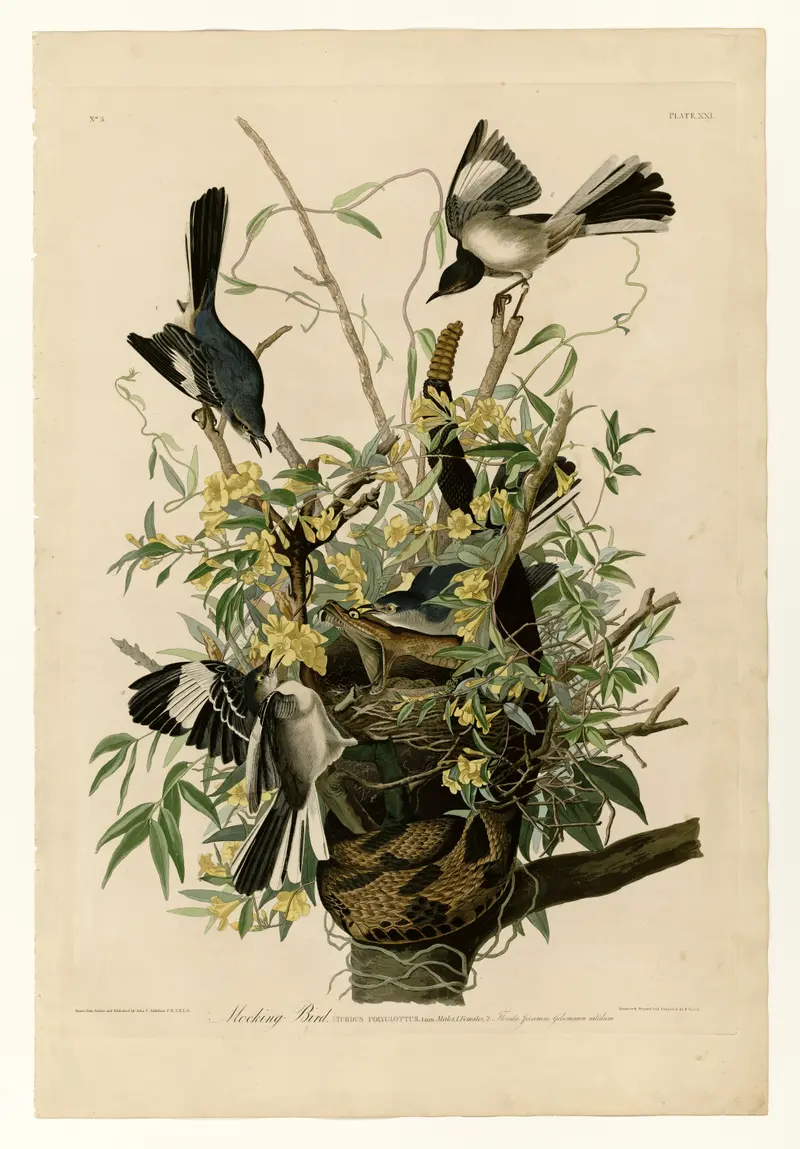
Northern Mockingbird
John James Audubon
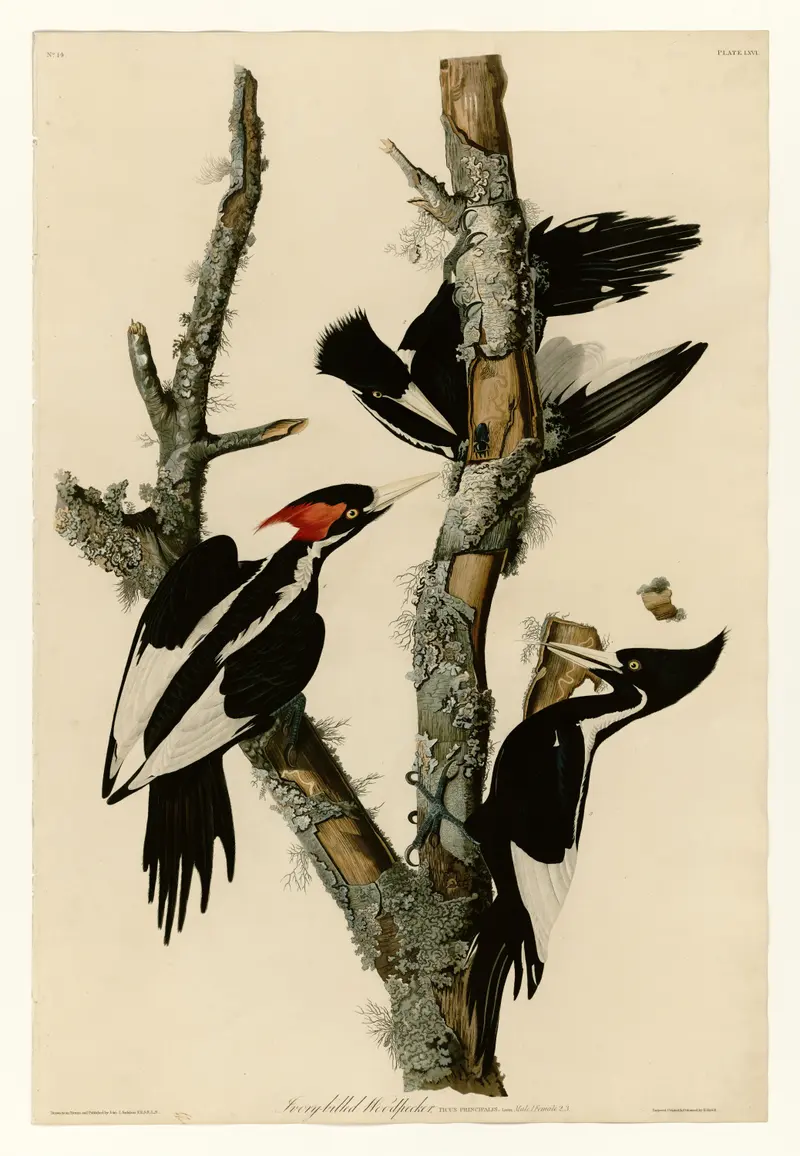
Ivory-billed Woodpecker
John James Audubon
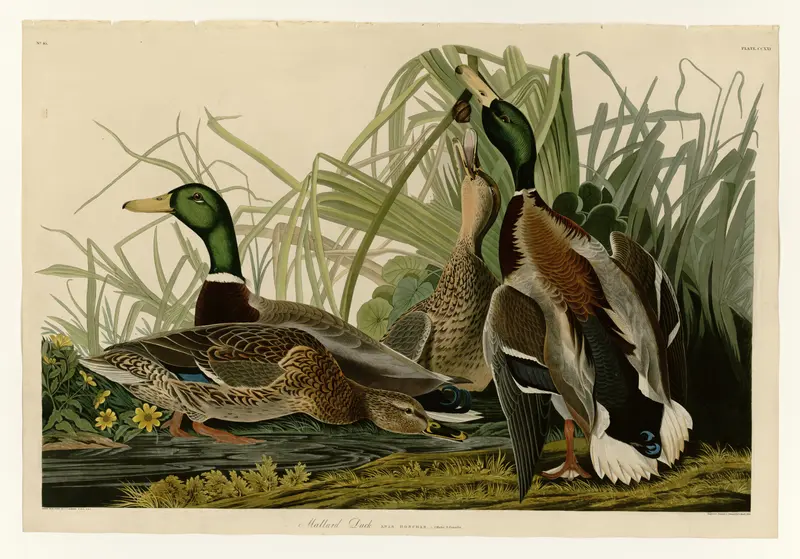
Mallard
John James Audubon
Ruby-throated Hummingbird
John James Audubon





