
Regensberg — History & Facts
It is in this quiet sanctuary that rebirth occurs, inviting contemplation and reflection. Here, the viewer is beckoned to explore the intersection of life and renewal, where every brushstroke breathes new energy into the canvas. Look to the center of the composition, where a delicate interplay of blues and greens creates a vibrant landscape that seems to pulse with life. Observe how Wagner expertly employs light to illuminate the horizon, casting a warm glow that signals the dawn of a new beginning.
The arching trees frame the scene, inviting the eye to wander and discover the intricate details interspersed throughout the foliage and flowing water. Within the layers of this artwork, contrasts emerge—serenity against turbulence, stillness juxtaposed with the flow of water that suggests movement and change. The subtle inclusion of figures in the distance evokes a sense of scale and human connection to nature, hinting at the timeless cycles of life that mirror the artist’s own journey. Each element whispers a narrative of hope, underscoring the emotional core of rebirth that resonates throughout this piece. During the years 1840 to 1844, the artist created this work in a time of evolving Romanticism in Germany, with nature becoming a prominent theme in visual arts.
Wagner was engaged in the exploration of landscapes that reflected the inner emotions of the soul, a pursuit that mirrored the societal shifts of the era. Emerging from the shadows of tradition, he sought to capture not just the external world, but also the essence of rebirth within it.
More Artworks by Johann Friedrich Wagner
Browse all →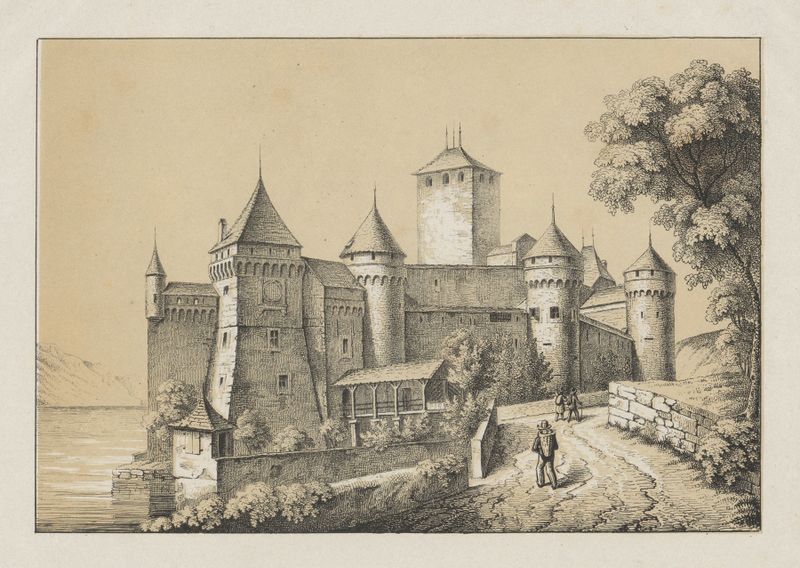
Chillon
Johann Friedrich Wagner

Valangin
Johann Friedrich Wagner
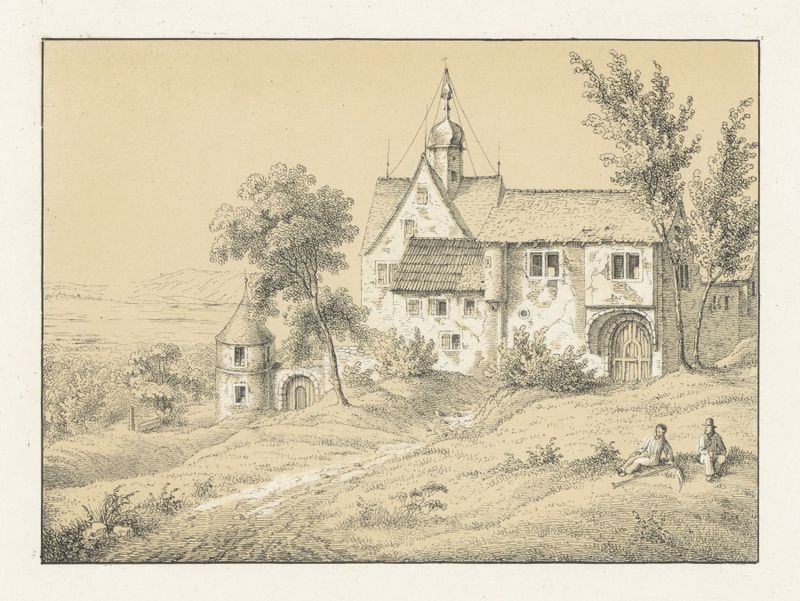
Greifenstein
Johann Friedrich Wagner

Vorburg
Johann Friedrich Wagner
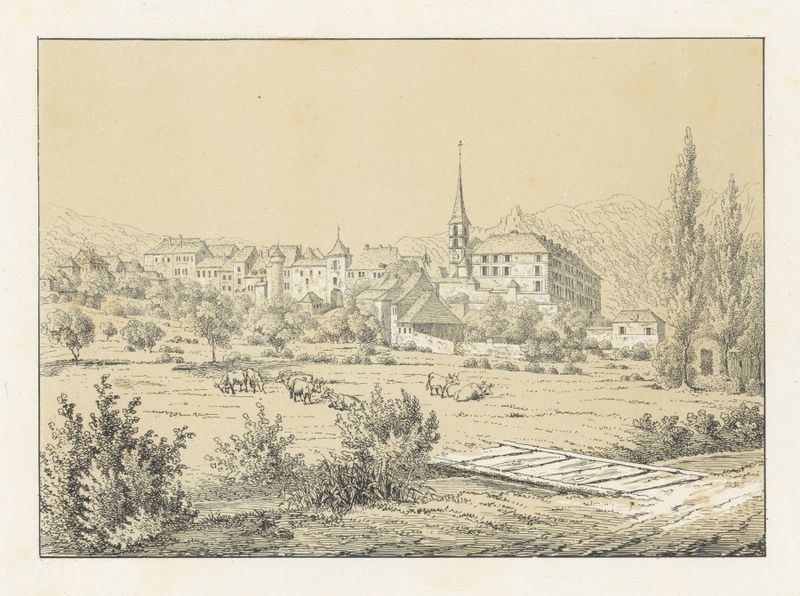
Delémont
Johann Friedrich Wagner

Pleujouse
Johann Friedrich Wagner

Challay
Johann Friedrich Wagner
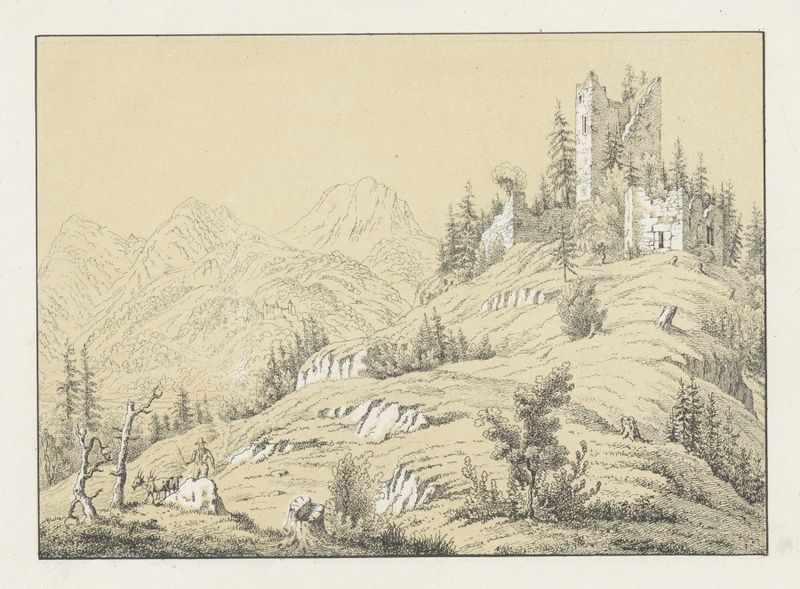
Mont Salvant
Johann Friedrich Wagner
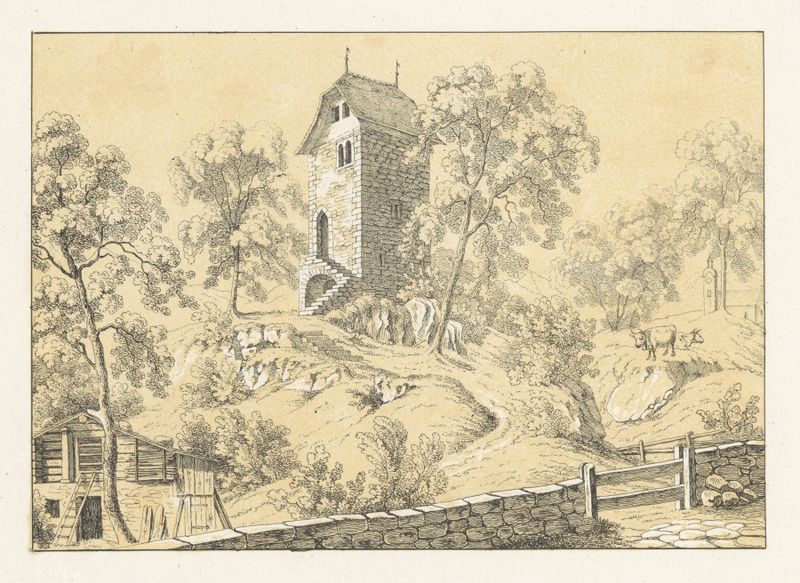
Aha. Od. Untere Burg von Sarnen
Johann Friedrich Wagner
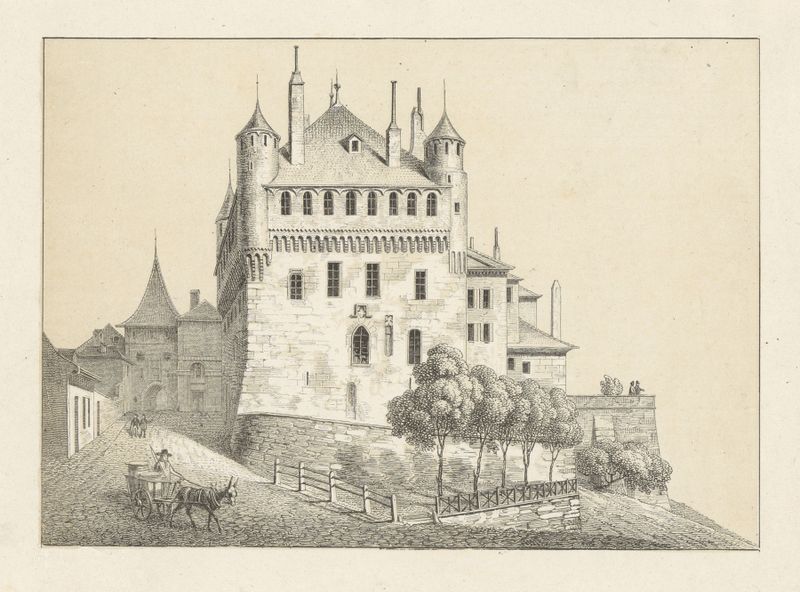
Lausanne
Johann Friedrich Wagner





