
Rekenkunde — History & Facts
Can paint confess what words never could? In Georg Pencz's Rekenkunde, the intricate interplay of figures and symbols whispers secrets of betrayal, echoing the human condition in ways mere language often fails to convey. Look to the left at the solemn figures engaged around a table, their expressions steeped in concentration. Notice the rich, muted colors enveloping the scene, with the browns and greens creating an air of somber gravity. The soft light cascades from the upper left, illuminating their faces, casting shadows that dance like idle doubts.
The meticulous detail in the garments, particularly the textures of fabric, invites you to linger, enhancing the tension between the wealth of knowledge being calculated and the unspoken precariousness of their trust. Amid the intellectual exchange, hidden meanings lace through the artwork: the weight of knowledge as both power and potential betrayal; the men’s gestures, poised between collaboration and competition; the book, a silent witness to the burdens of accountability. Each element speaks to the fragility of relationships, where camaraderie may mask underlying rivalries. The calculated precision of their task contrasts sharply with the emotional turmoil that lingers unacknowledged, suggesting that behind every shared insight lies the specter of deception. Created between 1539 and 1543, this work emerged during a time of religious upheaval and personal introspection for the artist.
Pencz, working in Nuremberg, was influenced by the Northern Renaissance's precision and humanism, grappling with the shifting tides of faith and loyalty in both art and life. This period marked an exploration of deeper human psychology, reflecting the artist's own experiences and the uncertainties of his time.
More Artworks by Georg Pencz
Browse all →
Parabel van de zaaier
Georg Pencz

Parabel van de arbeiders in de wijngaard
Georg Pencz
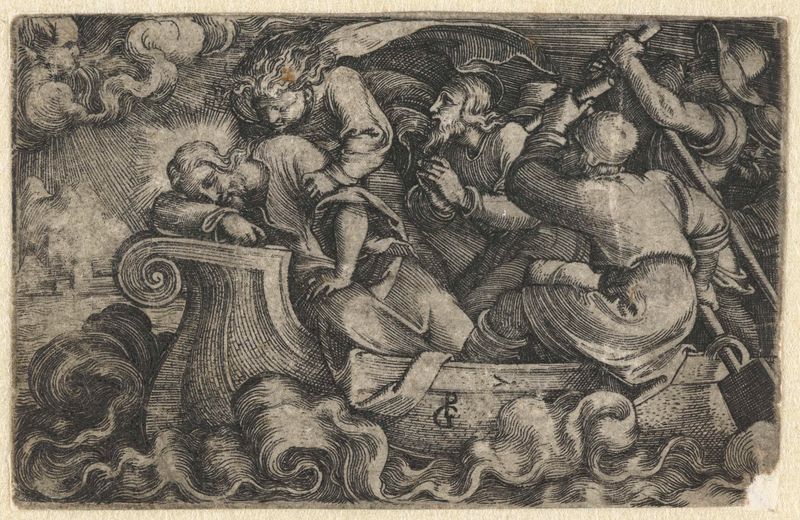
Discipelen wekken slapende Christus tijdens storm op Meer van Galilea
Georg Pencz

Afgunst (Invidia)
Georg Pencz
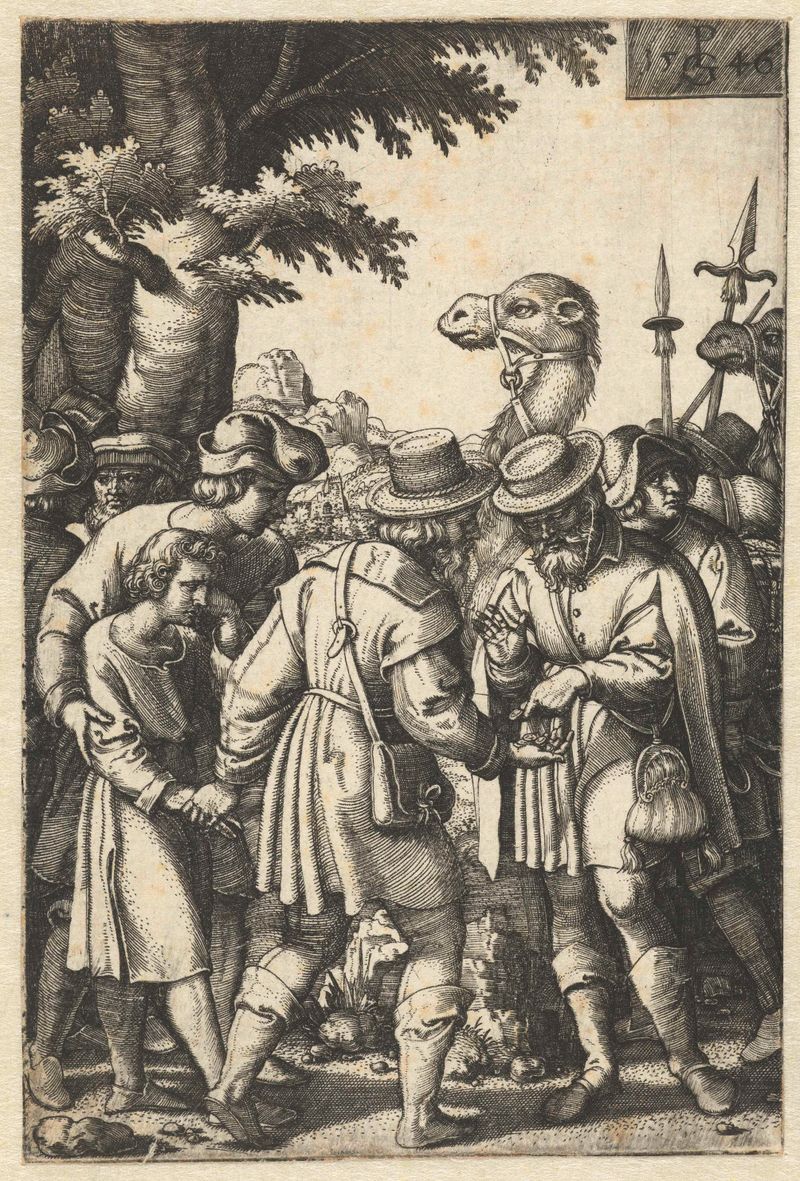
Jozef wordt verkocht aan kooplieden op weg naar Egypte
Georg Pencz

Aanbidding der koningen
Georg Pencz
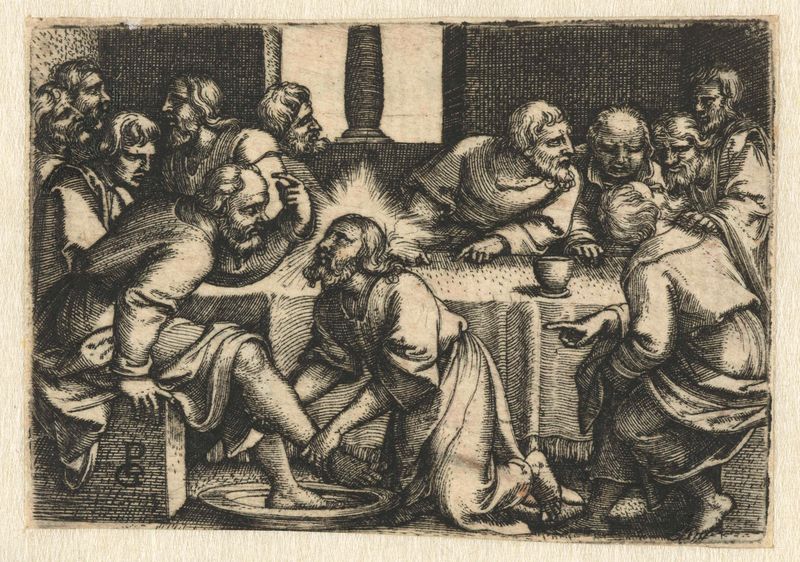
Petrus protesteert als Christus zijn voeten wast
Georg Pencz
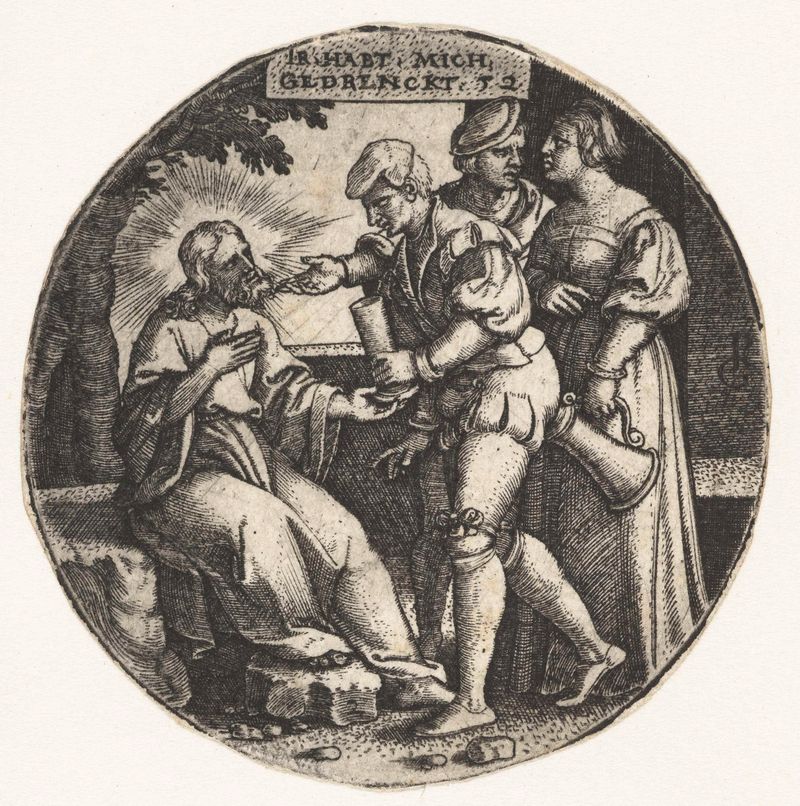
Christus heeft dorst en krijgt drinken aangeboden
Georg Pencz
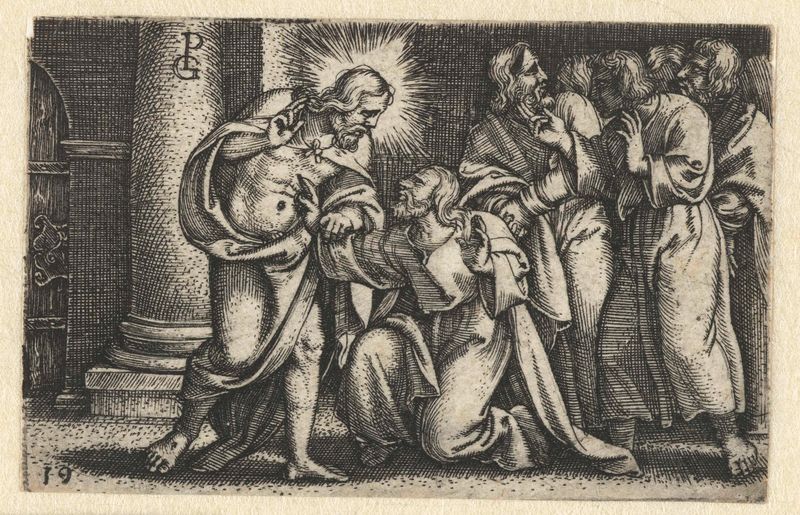
Ongelovige Thomas raakt wonden Christus aan
Georg Pencz

Offer van Abraham van Isaak
Georg Pencz





