
Rekenkunde — History & Facts
Did the painter know this moment would outlive them? In Rekenkunde, an obsessive exploration of mathematics and its allure unfolds on canvas, inviting contemplation of knowledge and the human condition. Focus first on the central figure, a young man deeply engrossed in his studies, his brow furrowed in concentration. Look closely at the tools surrounding him: compasses, parchment, and intricate geometric shapes form a chaotic yet harmonious constellation. Notice how the light streams from the upper left, casting delicate shadows that reveal the contours of his face, emphasizing his intense dedication.
The muted palette of earth tones is punctuated by the vibrant red of his clothing, drawing us into his world of numbers and calculations. Yet, beyond the surface lies a tension between enlightenment and obsession. The young mathematician’s posture suggests both fervor and isolation, as if he is trapped within the confines of his own intellectual pursuits. The surrounding objects not only represent knowledge but also evoke a sense of confinement, as though the very tools of understanding are shackling him to a singular path.
This duality reflects the Renaissance belief in the power of reason while hinting at the anxieties of overindulgence in intellect. Georg Pencz painted Rekenkunde between 1539 and 1543, a period in which the Northern Renaissance was flourishing amid religious upheaval and scientific inquiry. Based in Nuremberg, he was influenced by the humanist movement that emphasized the study of classical texts and a deeper understanding of the natural world. As artists pursued realism and intellectual themes, Pencz’s work captured the spirit of curiosity and the bittersweet nature of obsession that often accompanies the quest for knowledge.
More Artworks by Georg Pencz
Browse all →
Parabel van de zaaier
Georg Pencz

Parabel van de arbeiders in de wijngaard
Georg Pencz
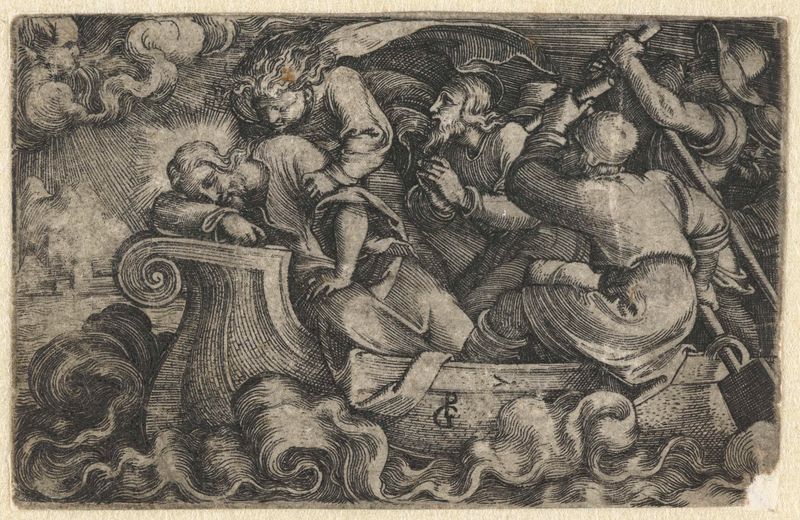
Discipelen wekken slapende Christus tijdens storm op Meer van Galilea
Georg Pencz

Afgunst (Invidia)
Georg Pencz
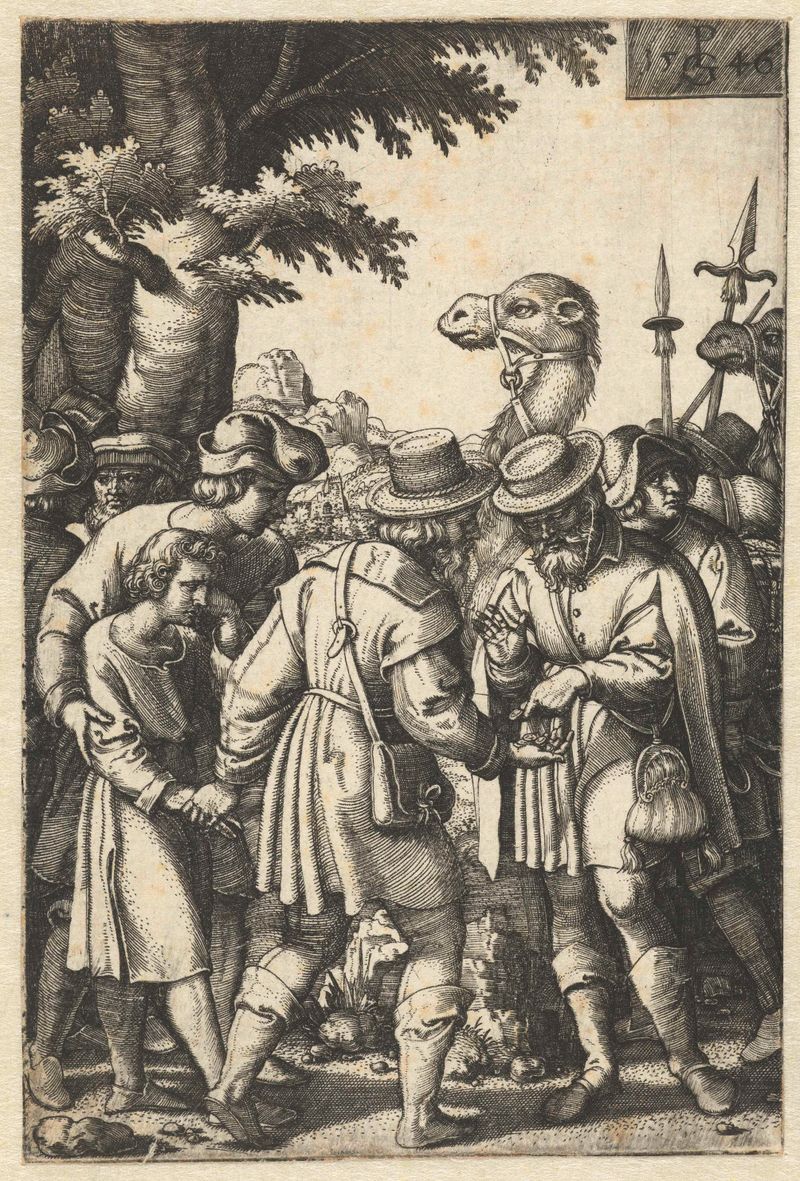
Jozef wordt verkocht aan kooplieden op weg naar Egypte
Georg Pencz

Aanbidding der koningen
Georg Pencz
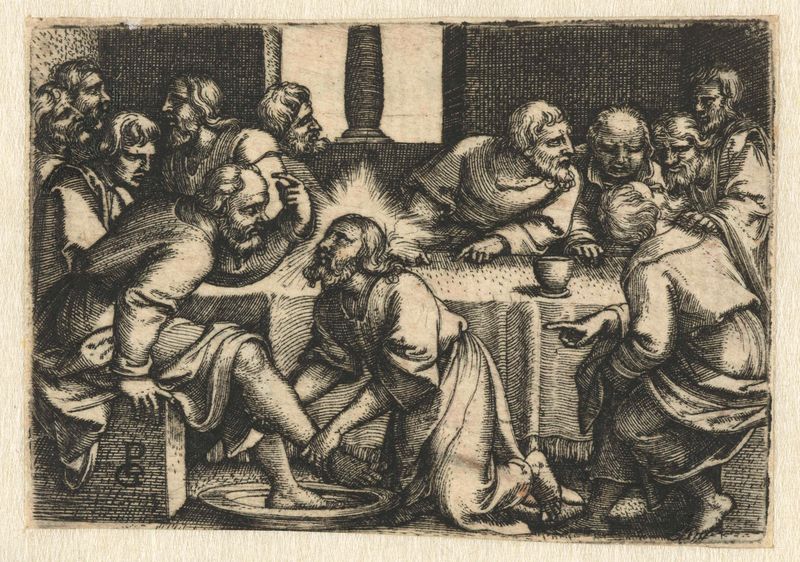
Petrus protesteert als Christus zijn voeten wast
Georg Pencz
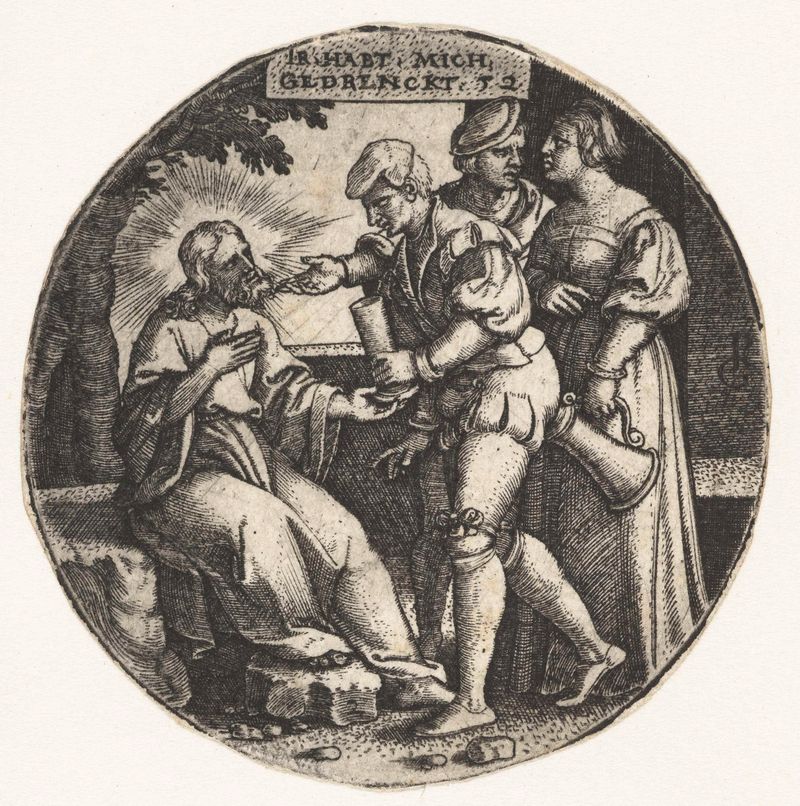
Christus heeft dorst en krijgt drinken aangeboden
Georg Pencz
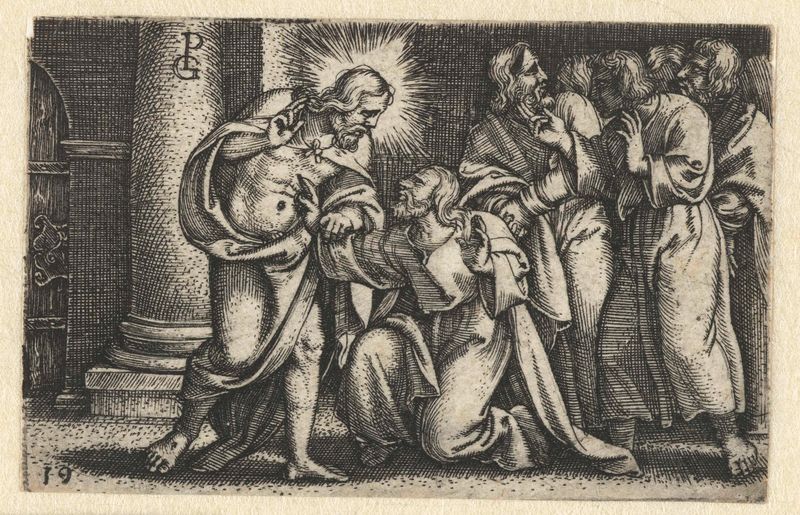
Ongelovige Thomas raakt wonden Christus aan
Georg Pencz

Offer van Abraham van Isaak
Georg Pencz





