
Renoir Bust — History & Facts
What first catches the eye in Renoir Bust by Aristide Maillol is the deep, searching gaze set beneath the broad brim of a hat, as if the figure is caught mid-thought, peering into a world just beyond our reach. The rough, almost impressionistic treatment of the bronze surface gives the face a living tension: cheekbones jut sharply, the mouth is set in a wary line, and the beard is rendered with just enough definition to suggest wiry age. Light pools on the crown and brim, then slips into the hollows of the eyes, drawing us to the intensity of the sitter’s expression.
Maillol’s modeling here is unsparing, capturing not only likeness but a sense of character—alert, perhaps skeptical, and entirely present. This bronze bust, modeled probably in 1906 or 1907 and cast around 1907, belongs to a moment in French sculpture when artists were wrestling with the legacy of realism and the new freedoms of modernism. Portrait busts like this one were often commissioned to honor artists, writers, or patrons, meant for display in salons or private homes as tokens of admiration and intellectual kinship. Maillol, best known for his serene, monumental nudes, here turns his attention to a fellow artist—likely the painter Renoir, if the title is to be trusted—rendering him not as an icon, but as a man marked by time and thought.
The work now resides in the Metropolitan Museum of Art, a quiet testament to the networks of friendship and influence that shaped the Parisian art world at the dawn of the twentieth century. The longer you look, the more the bronze seems to shift, inviting you to imagine the conversation that might have passed between sculptor and sitter.
More Artworks by Aristide Maillol

Paysage à Banyuls
Aristide Maillol
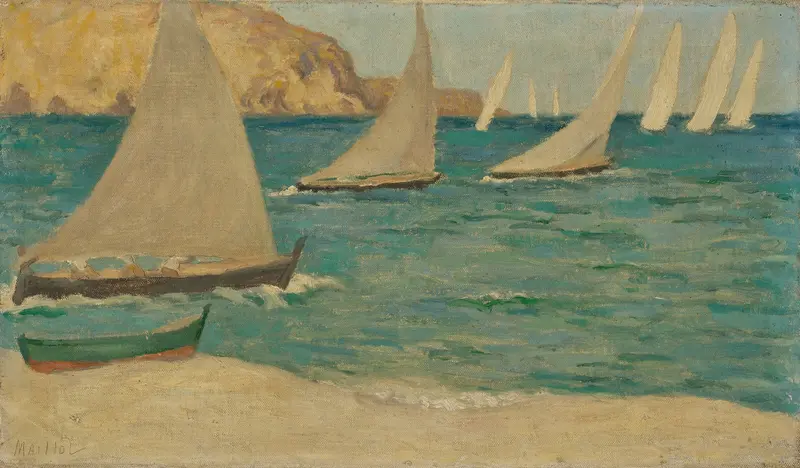
Les Régates
Aristide Maillol
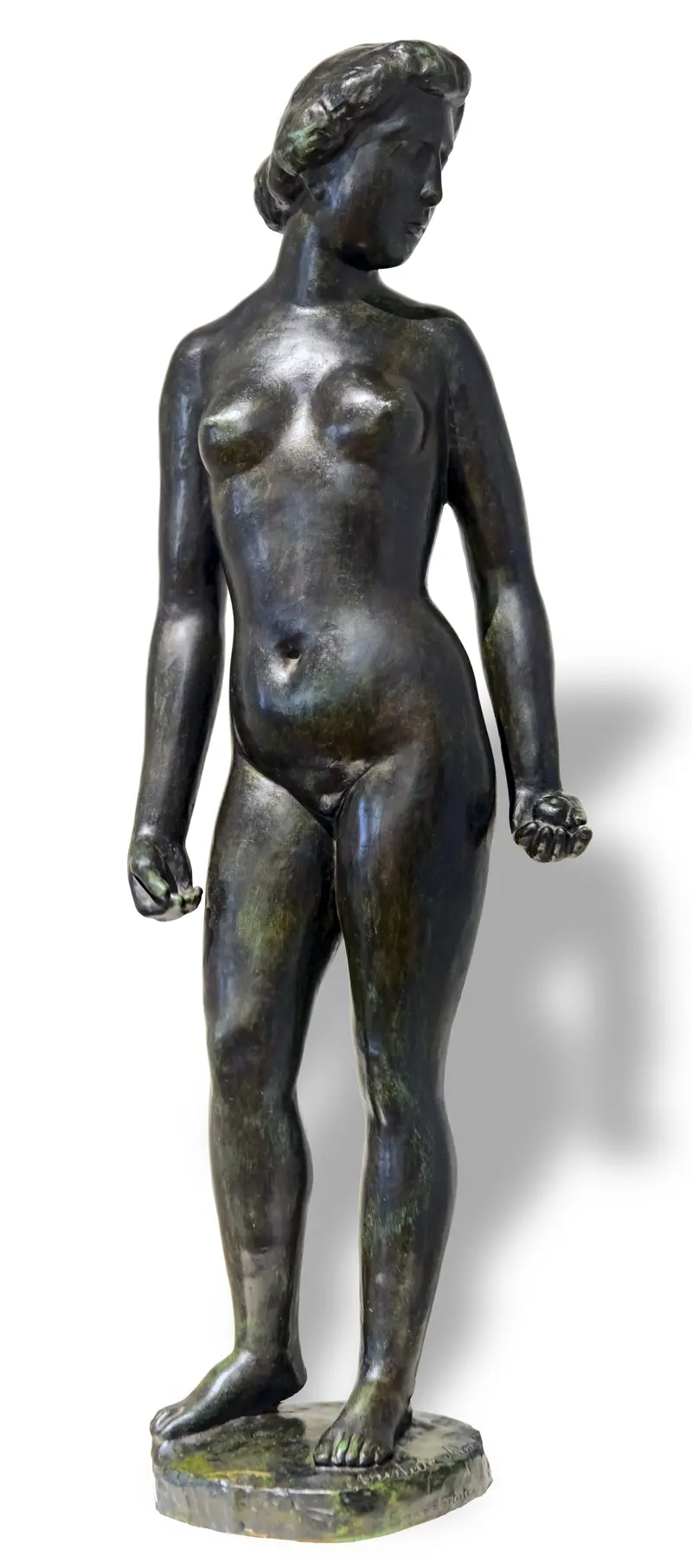
Eve with the Apple
Aristide Maillol
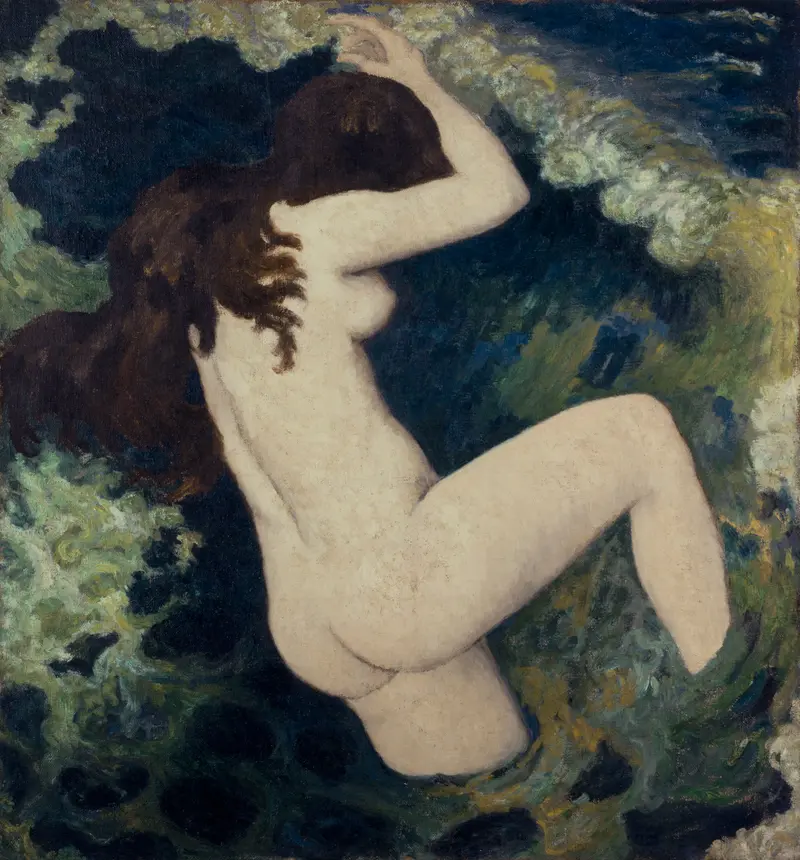
La vague
Aristide Maillol
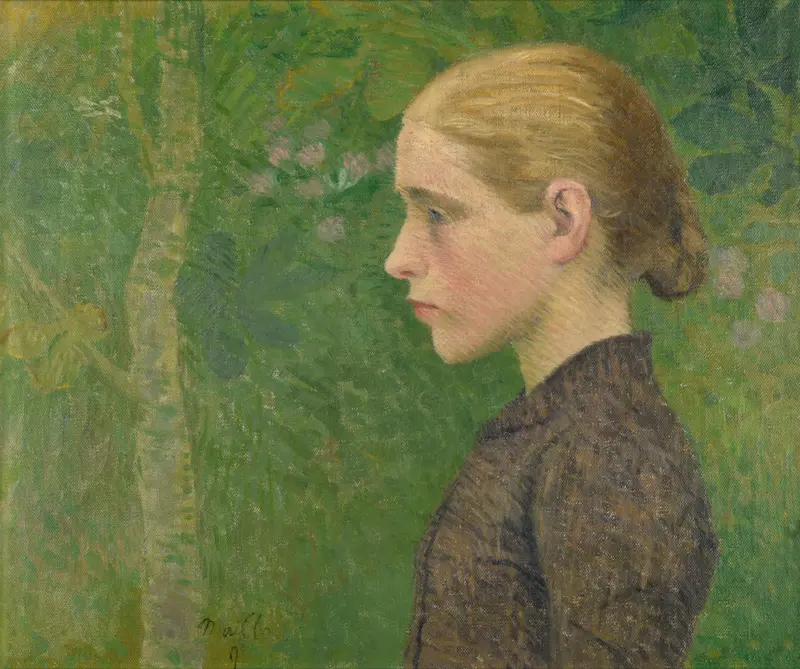
Jeune paysanne en buste
Aristide Maillol
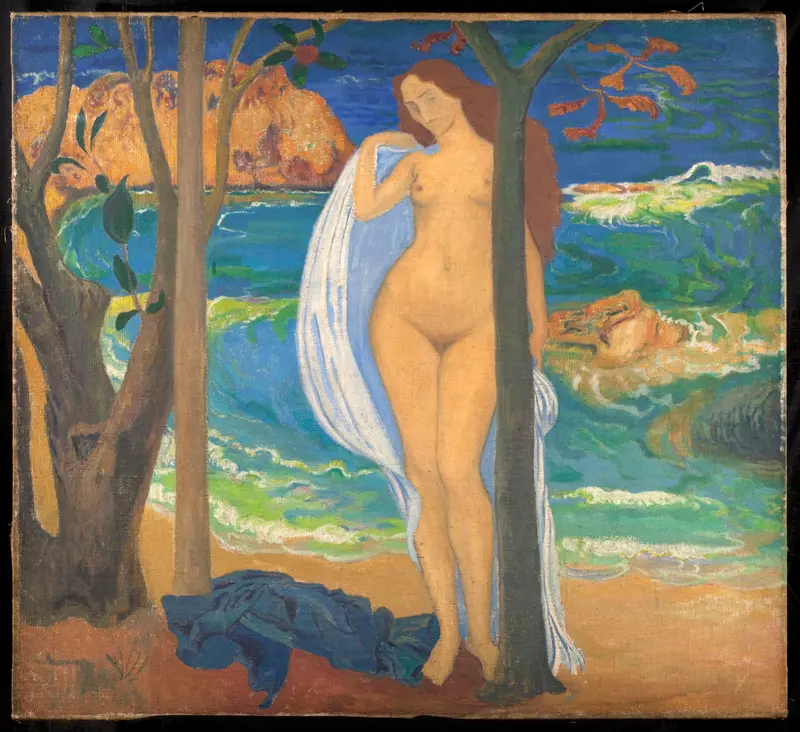
Méditerranée
Aristide Maillol
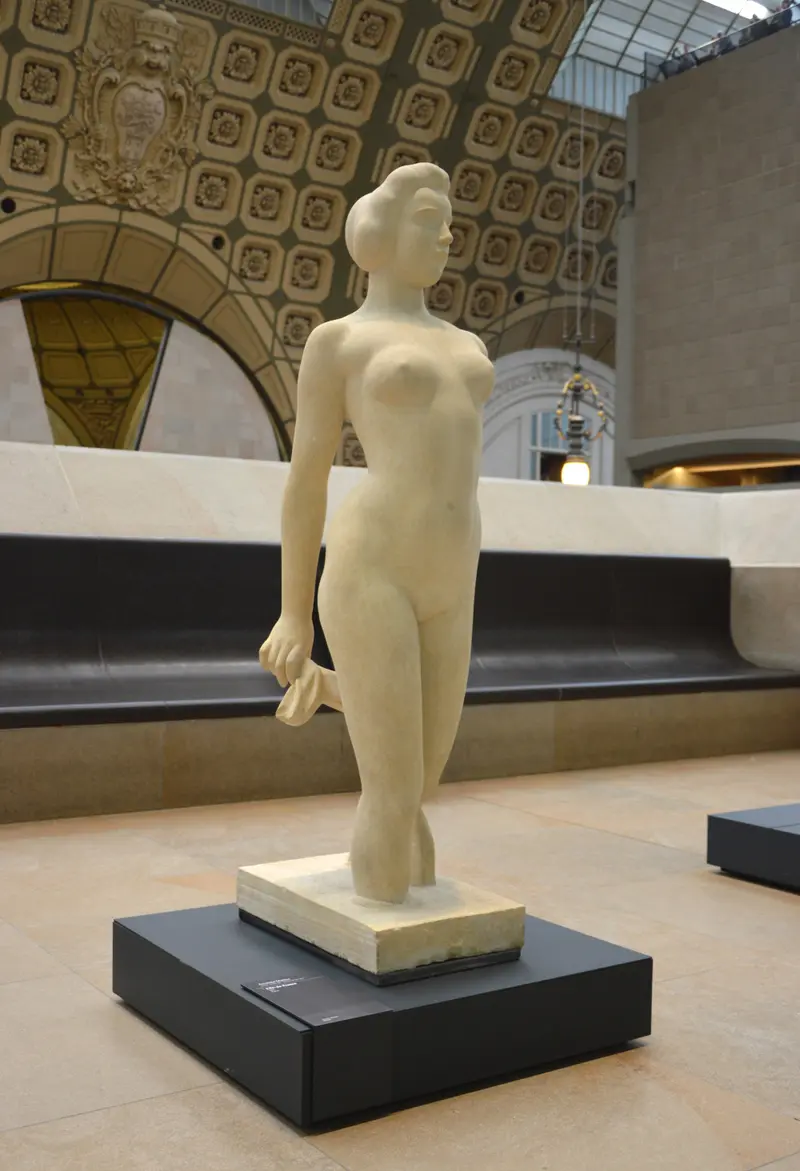
Ile de France
Aristide Maillol
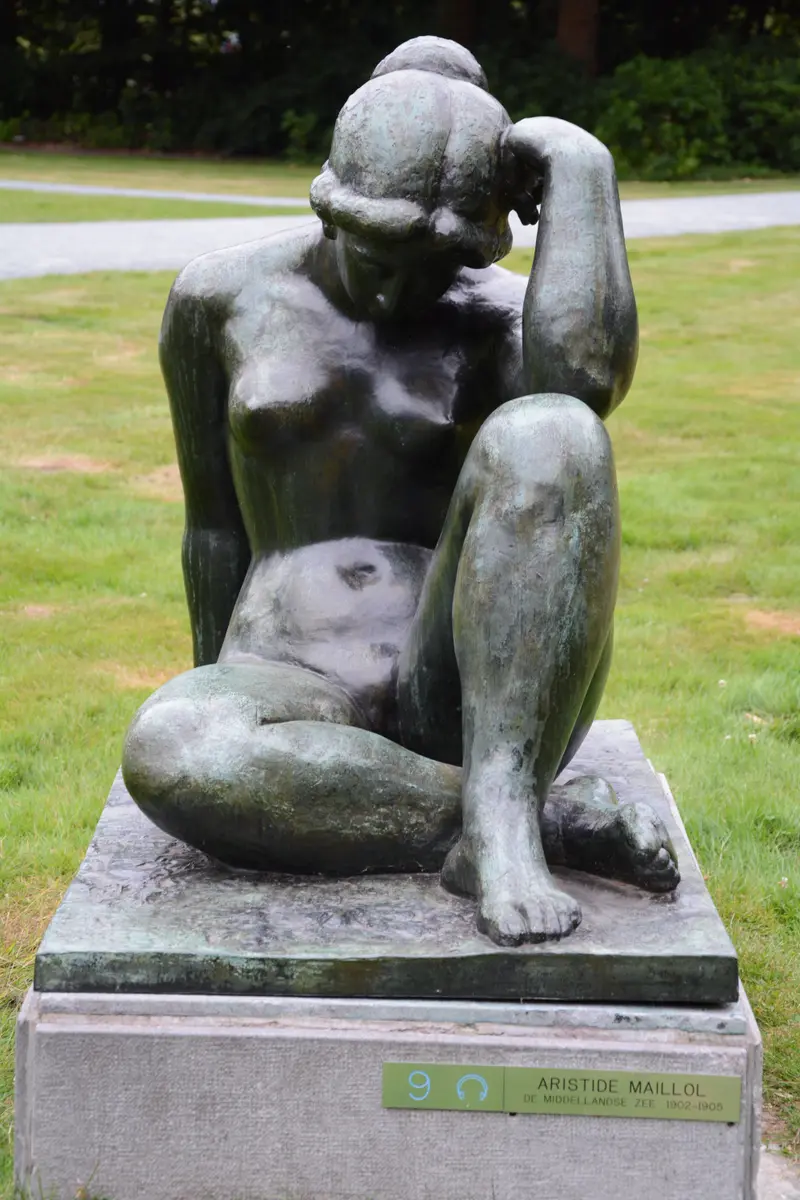
La Méditerranée
Aristide Maillol
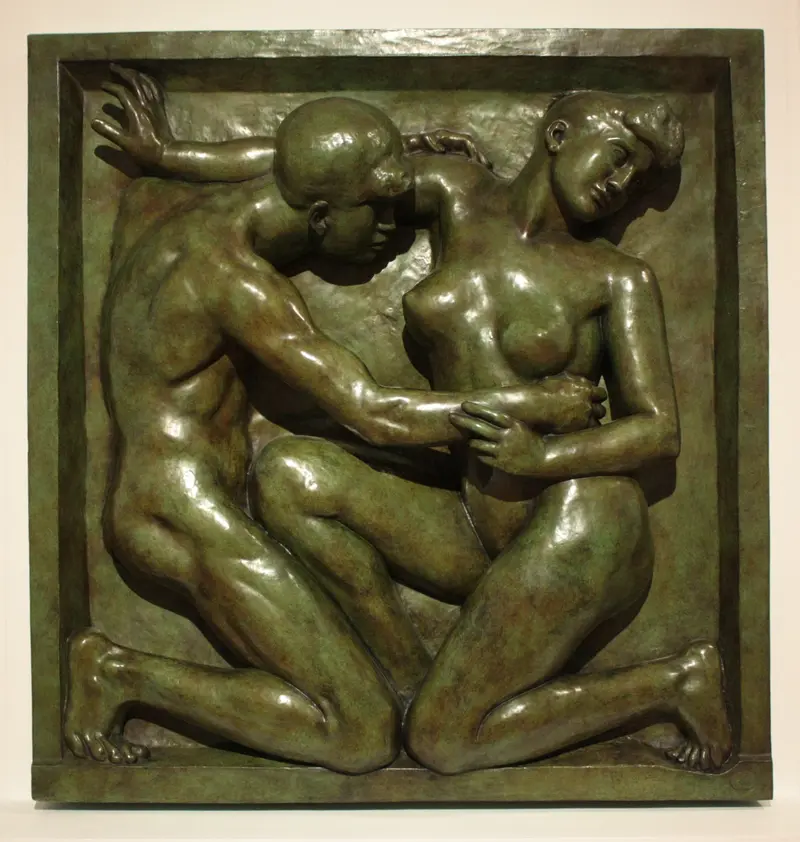
Le Désir
Aristide Maillol
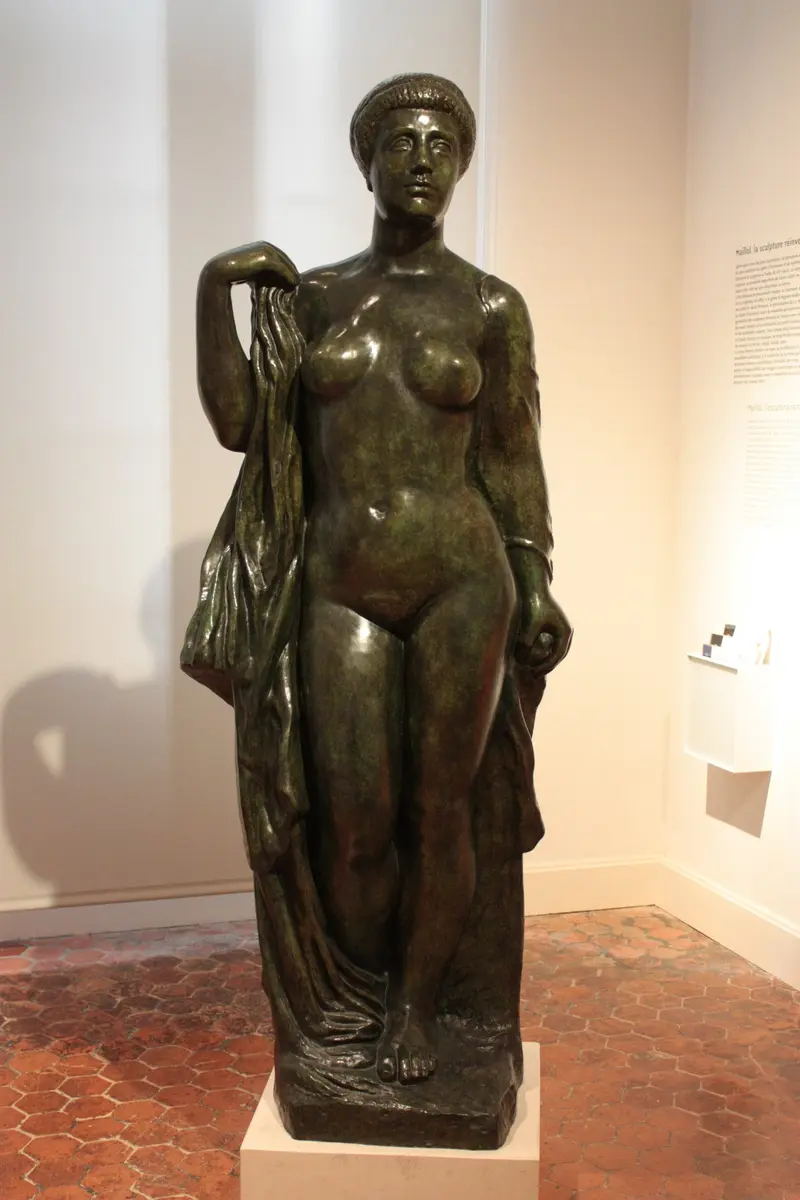
La Baigneuse drapée by Aristide Maillol
Aristide Maillol





