
Repos Dans La Campagne — History & Facts
Here, the lush landscape whispers secrets of longing and the ache of unfulfilled desires, hidden beneath its tranquil surface. Look to the left at the gentle slope, where the vibrant greens of the grass cradle the soft hues of the setting sun. Notice how the artist employs a delicate balance of light and shadow, illuminating the figures in repose, as if coaxing them into a moment of serenity. The brushstrokes are both fluid and deliberate, mirroring the languid atmosphere of the countryside, while the palette is rich with earth tones and soft pastels that convey a sense of warmth and intimacy. Yet, beneath the idyllic scene lies a disquieting tension; the figures, seemingly at peace, evoke a sense of stillness that hints at their own internal struggles.
The distant horizon, painted with a delicate gradient, suggests both freedom and confinement, inviting contemplation of the elusive nature of happiness. Each element, from the reclining figures to the distant trees, resonates with an obsession for what lies just outside the frame—an emotional contrast between contentment and yearning. In 1879, Harpignies painted this work during a period marked by his immersion in the Barbizon School, where the exploration of natural landscapes flourished. He found himself captivated by the interplay of light and color in the French countryside, reflecting a personal quest for beauty amidst an era of artistic experimentation and profound change.
This painting stands as a testament to his dedication to capturing fleeting moments of tranquility, yet it harbors deeper narratives of human experience and aspiration.
More Artworks by Henri-Joseph Harpignies
Browse all →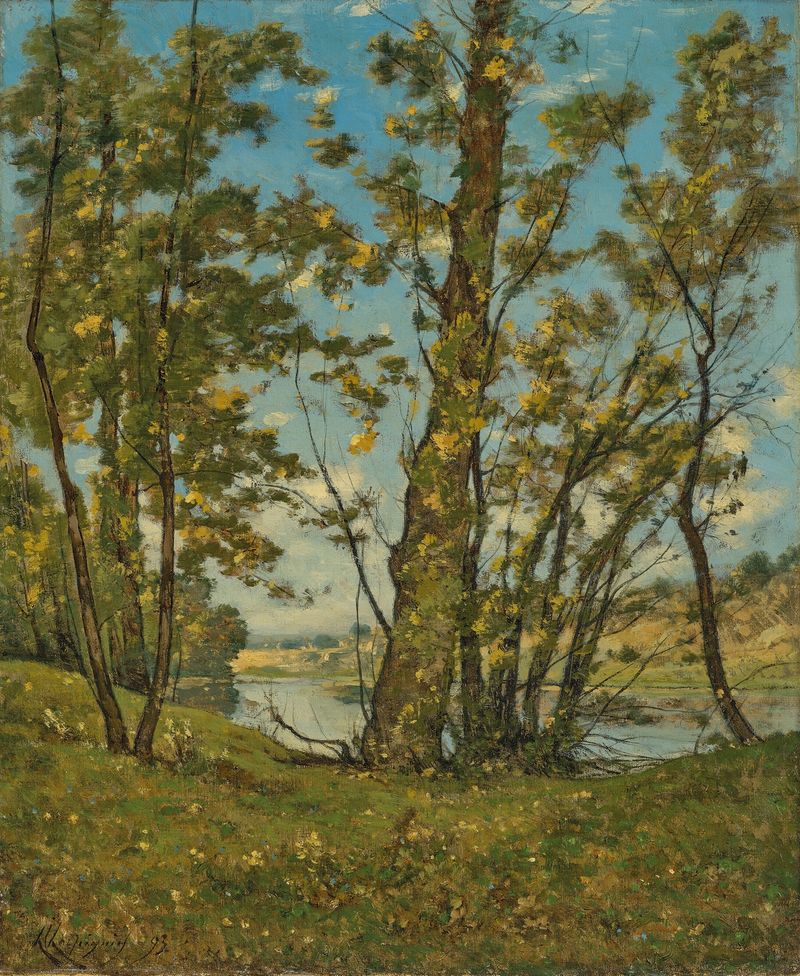
La Loire à Bonny
Henri-Joseph Harpignies
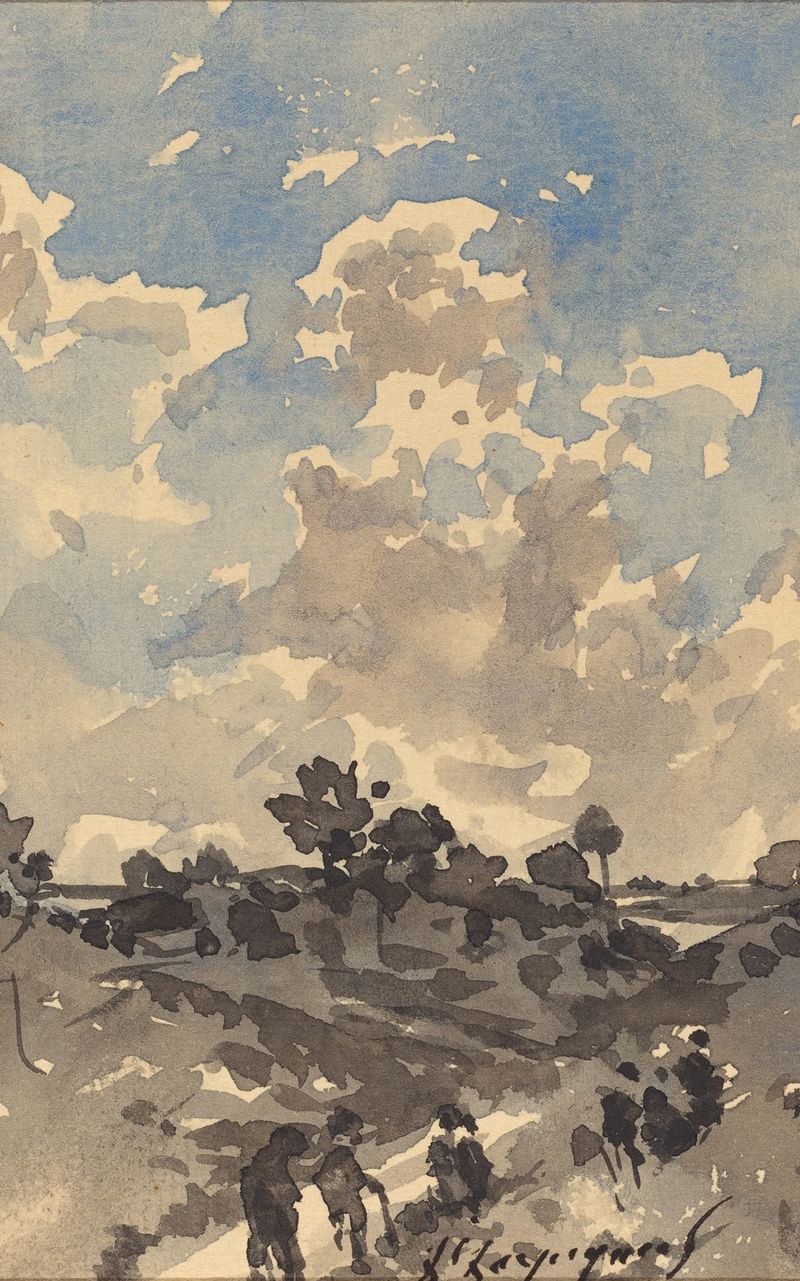
A Landscape with Figures Walking along a Path
Henri-Joseph Harpignies
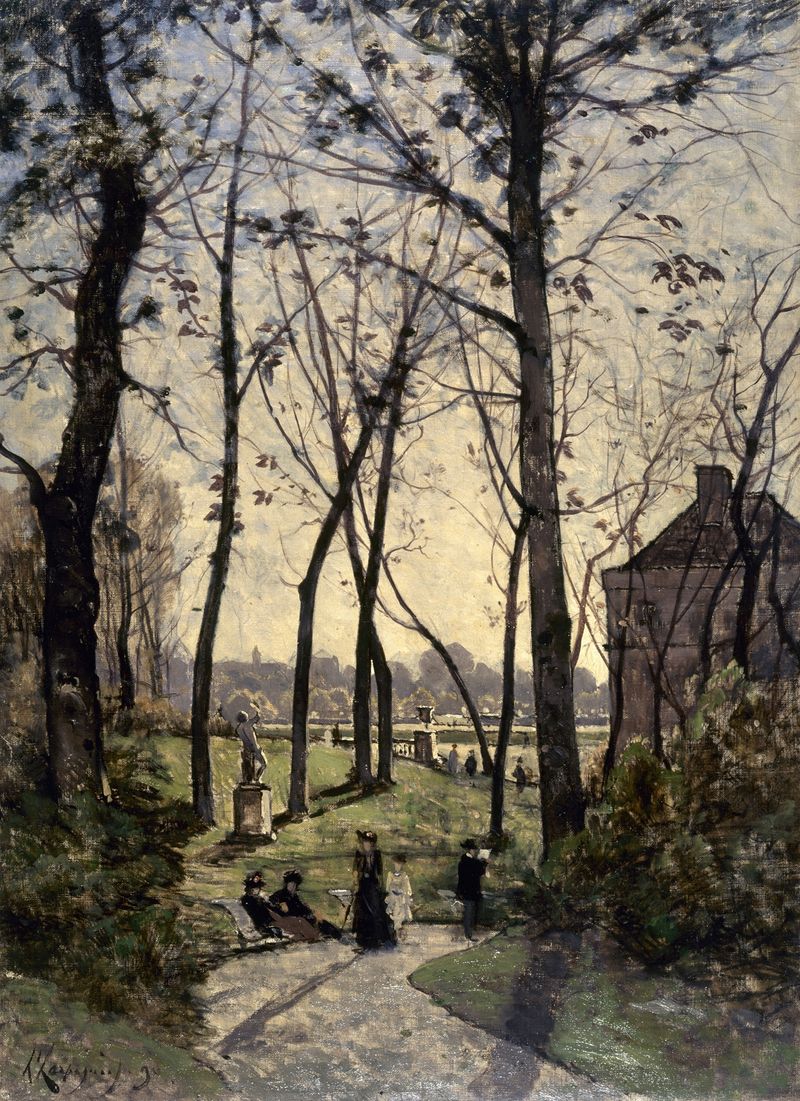
Le jardin du Luxembourg
Henri-Joseph Harpignies
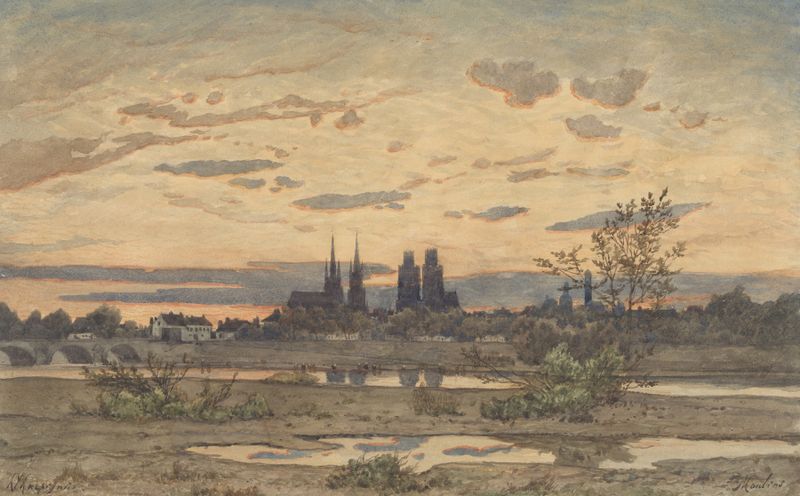
A View of Moulins
Henri-Joseph Harpignies
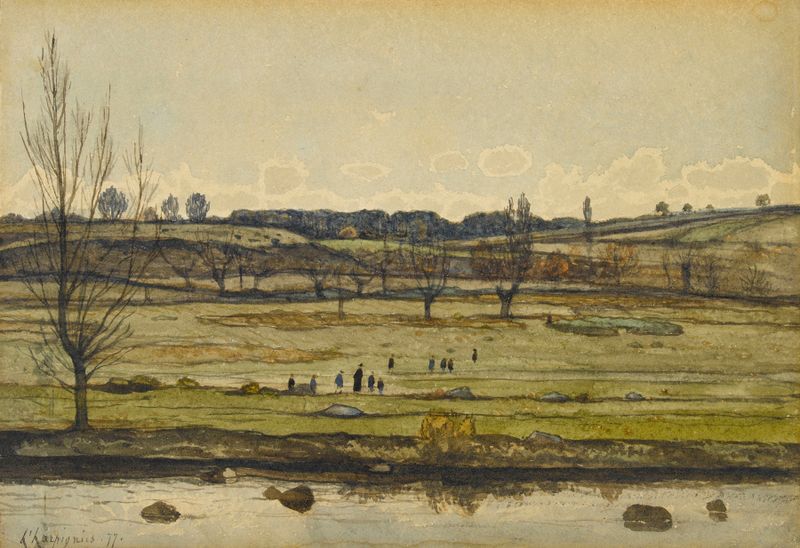
Paysage
Henri-Joseph Harpignies
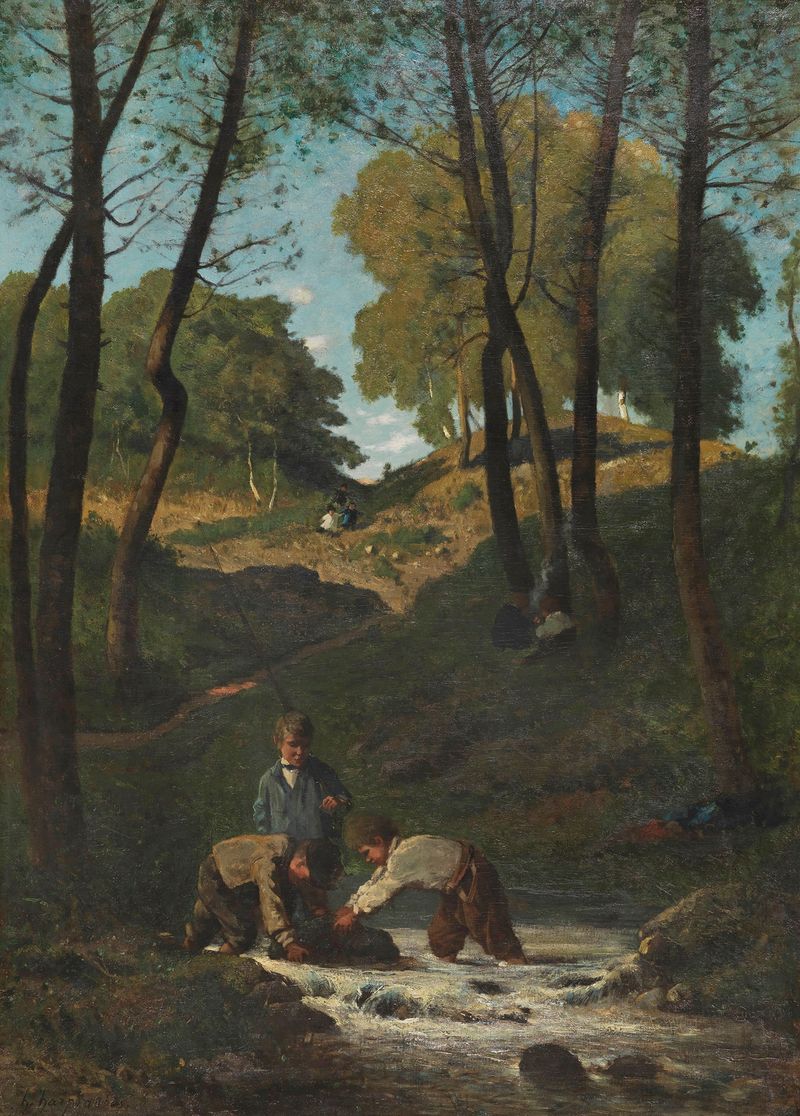
Chercheurs d’écrevisses
Henri-Joseph Harpignies
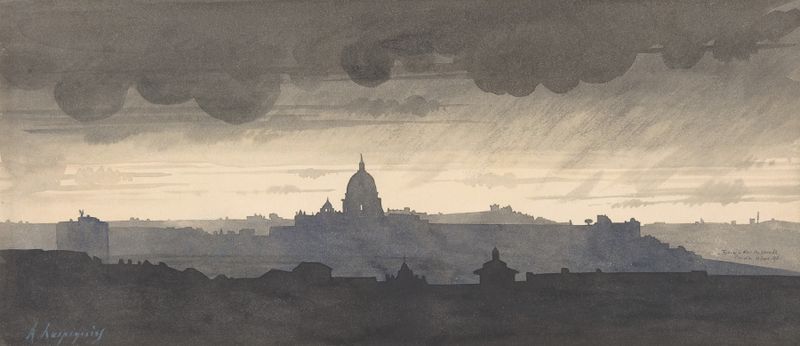
Saint Peter’s Seen From the Pincio, Rome
Henri-Joseph Harpignies
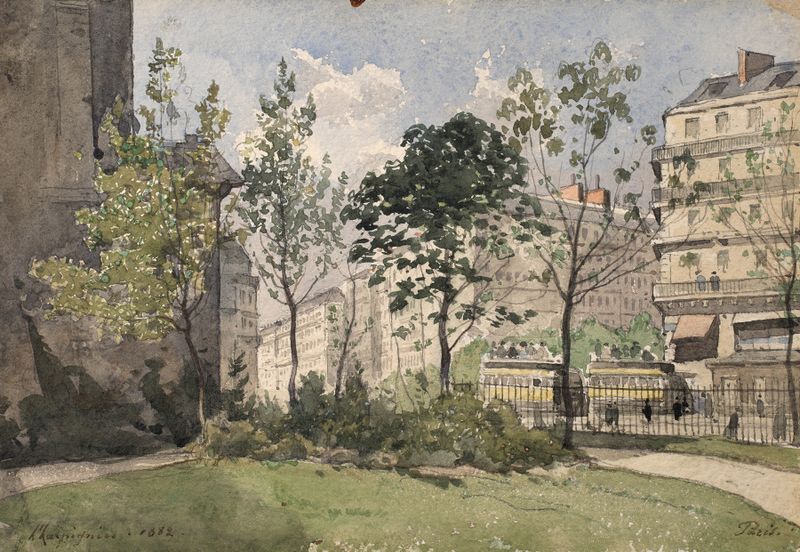
View of the forecourt of the Saint-Germain-des-Prés church
Henri-Joseph Harpignies
Le Colisée à Rome
Henri-Joseph Harpignies

Villefranche
Henri-Joseph Harpignies





