
Resurrection of Christ — History & Facts
When Giovanni Bellini painted Resurrection of Christ around 1475, Venice was in the midst of a cultural transformation, with artists experimenting boldly with light and color. This particular work stands out for its early use of oil painting techniques in the Venetian school, a method that would soon revolutionize Italian art. The painting’s authorship has never been in doubt, but its original location remains a mystery—some suggest it was commissioned for a private chapel, others for a confraternity.
What is certain is that Bellini’s approach to the Resurrection would influence generations of painters, including his famous pupils Giorgione and Titian. The scene captures the pivotal moment on Easter morning: Christ rises from the tomb, radiant and serene, as the Roman guards reel back in terror and confusion. Bellini sets the event at dawn, bathing the landscape in a gentle, golden light that signals both the end of night and the promise of salvation. Christ’s right hand is raised in blessing, while his left holds a white banner—a symbol of victory over death.
The soldiers, rendered with careful attention to their armor and expressions, emphasize the miracle by their very disbelief. Unlike Piero della Francesca’s more austere Resurrection, Bellini’s version is suffused with warmth and humanity, inviting the viewer to witness not just a miracle, but a moment of hope. The exact provenance of Resurrection of Christ is uncertain, as is often the case with early Giovanni Bellini works. While records do not reveal its first owner, the painting’s style and subject suggest it was created during Bellini’s formative years, as he moved away from the influences of his father, Jacopo Bellini, and absorbed the innovations of Andrea Mantegna.
Over the centuries, the painting has been admired for its delicate handling of color and light, hallmarks of the Venetian Renaissance. Today, it remains a key example of Bellini’s early religious art, though its current location is not widely published—a reminder of how many Renaissance treasures still reside in private hands or lesser-known collections.
More Artworks by Giovanni Bellini
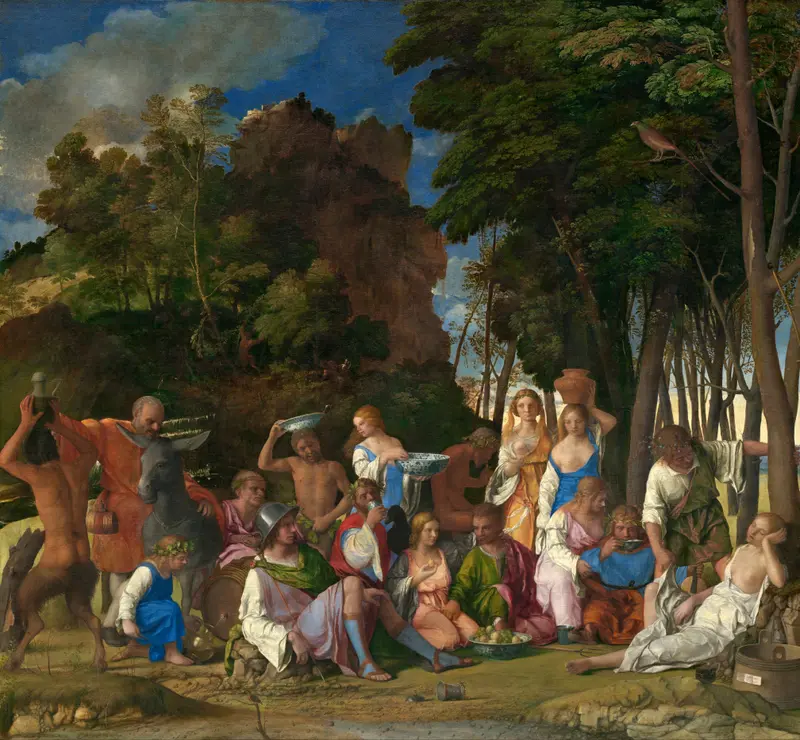
The Feast of the Gods
Giovanni Bellini

Madonna and Child enthroned with Saints and Angels
Giovanni Bellini
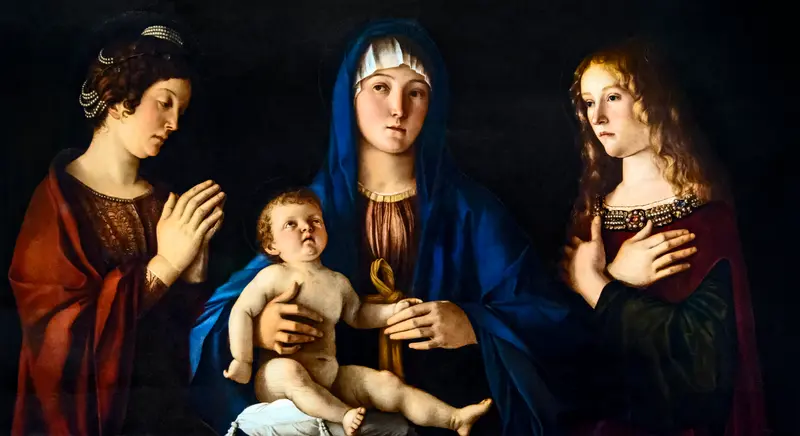
Madonna and Child between Saints Catherine and Mary Magdalene
Giovanni Bellini
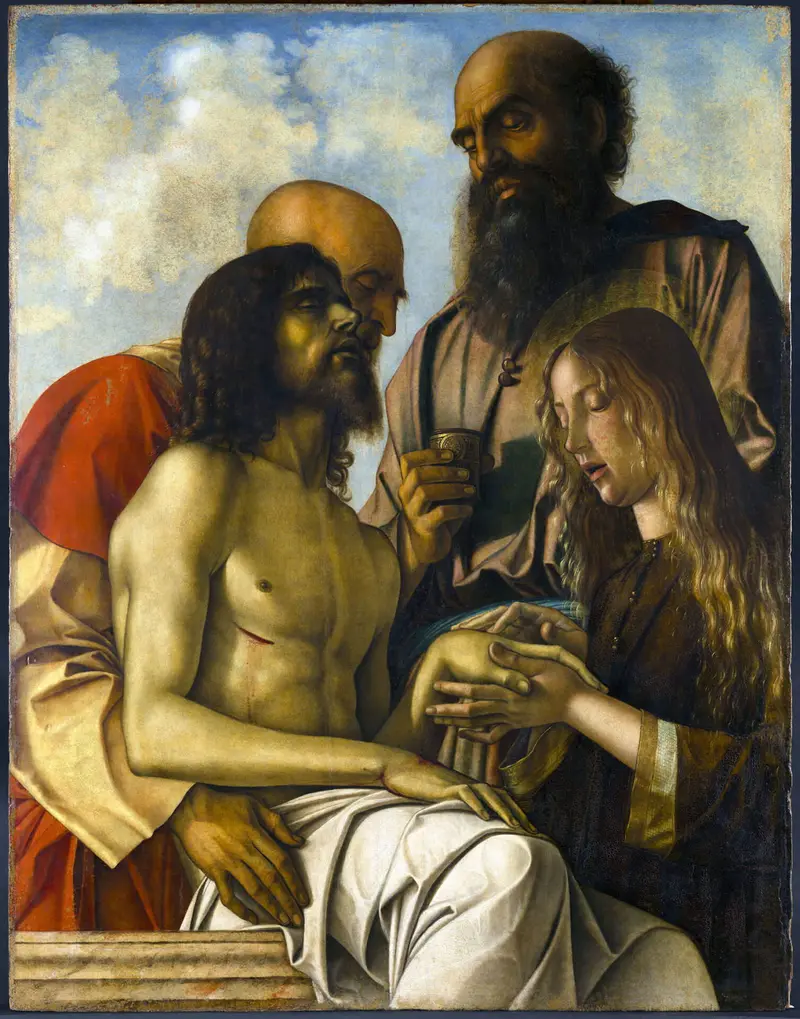
Lamentation over the Dead Christ
Giovanni Bellini
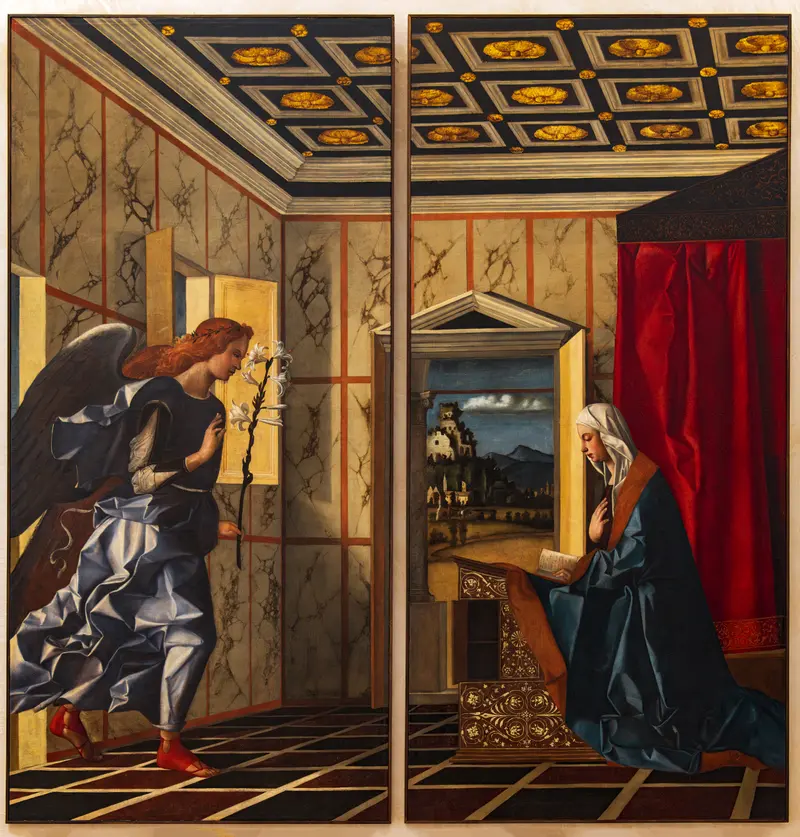
Annunciation
Giovanni Bellini
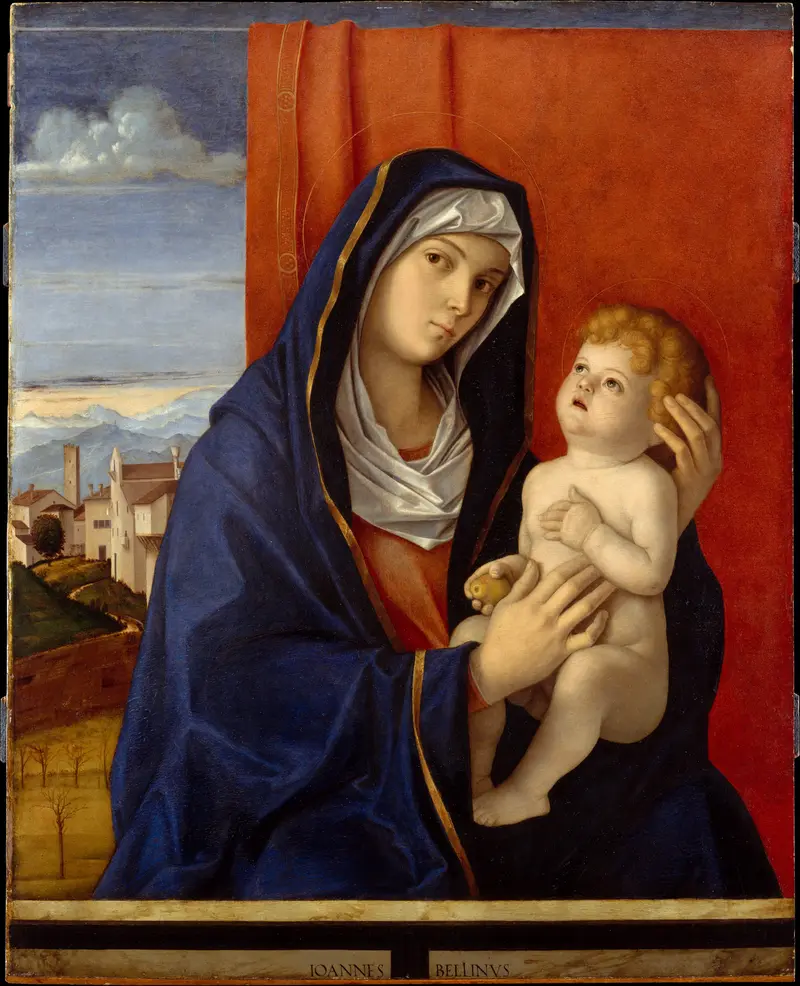
Madonna and Child
Giovanni Bellini
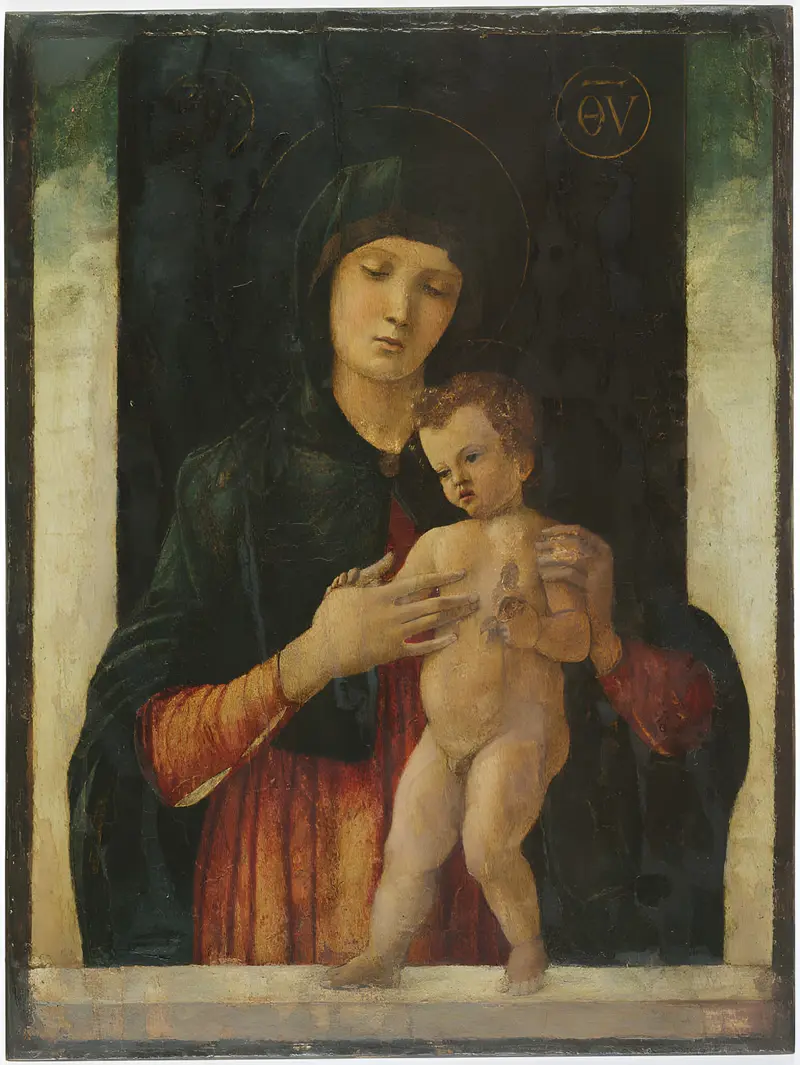
The Virgin and Child
Giovanni Bellini
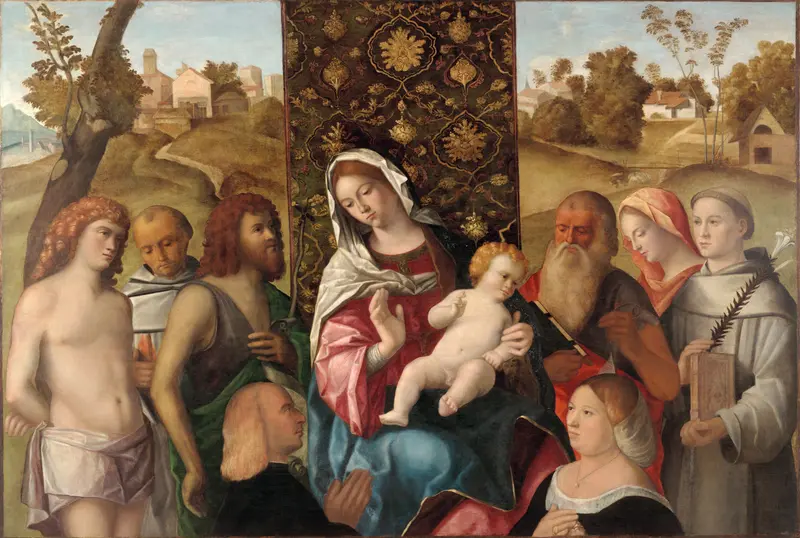
Virgin and Child with Saints Sebastian, Francis, John the Baptist, Jerome, an unidentified female saint, Saint Anthony of Padua and two donors
Giovanni Bellini
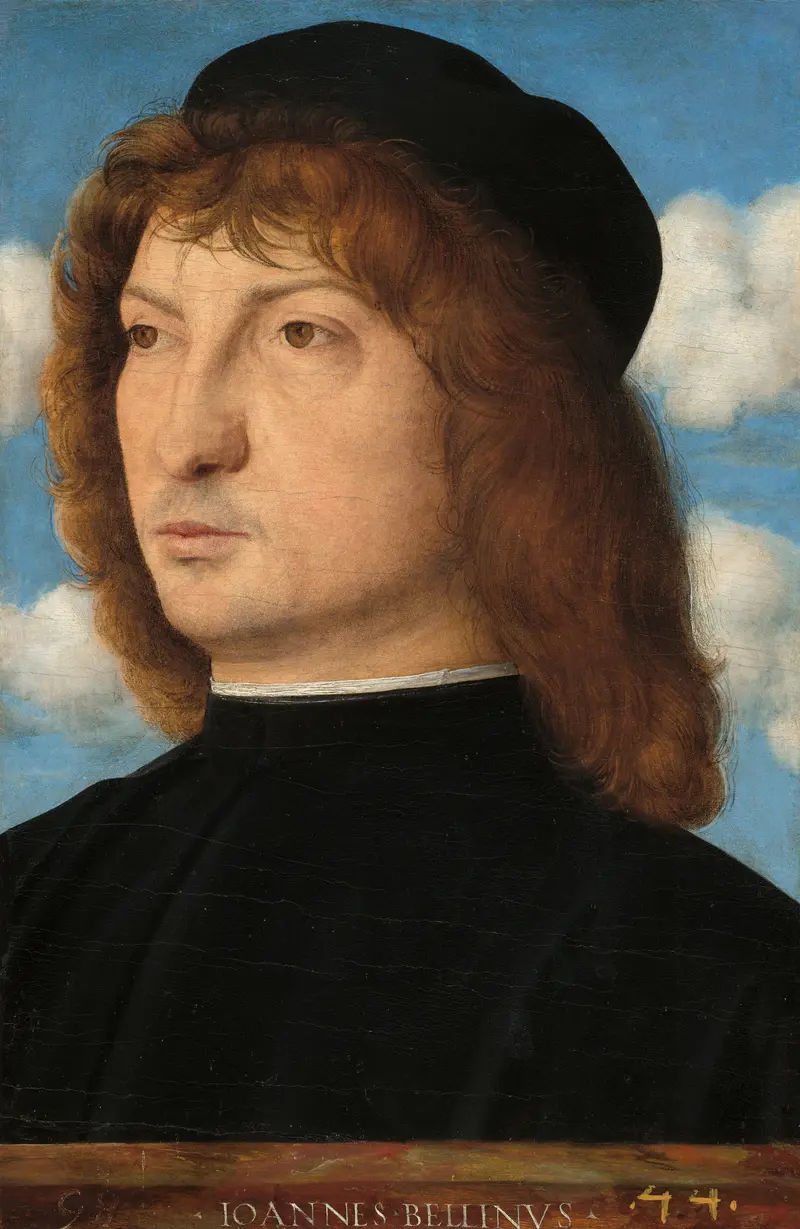
Portrait of a Venetian Gentleman
Giovanni Bellini
Portrait of a Young Man
Giovanni Bellini





