
Richard Beard Streatfield of Copford Lichfield, Staffordshire (1705–1770) — History & Facts
What immediately draws the eye in Richard Beard Streatfield of Copford Lichfield, Staffordshire (1705–1770) by Arthur Devis is the improbable stage on which its subject stands: a solitary man, crisply dressed in the red and blue of eighteenth-century English gentry, commands an imaginary spit of land before the unmistakable silhouette of Table Mountain and the waters of Table Bay. The painting is a portrait, but it is also a map, a declaration, and perhaps a boast. Streatfield’s pose is formal, yet the telescope in his hand and the distant ships behind him are clues—this is not just a likeness, but a story of trade, travel, and ambition.
The calm expanse of water and the pale, almost dreamlike sky lend the scene a sense of possibility, as if the sitter is about to step into a new world. Portraits like this, painted in 1746, were more than records of appearance; they were statements of identity and aspiration. In the era of the East India Company, when English fortunes were made and lost on distant shores, to be pictured with Table Mountain at one’s back was to lay claim to a global reach. Arthur Devis specialized in such carefully constructed images, where every detail—down to the ships and the sweep of coastline—signals status and connection.
While history has preserved only scattered traces of Streatfield’s own mercantile dealings, the painting itself is a window onto the ambitions of a class eager to see itself reflected in the wider world. The longer you look, the more the stillness of the sitter gives way to the restless movement of ships and trade beyond.
More Artworks by Arthur Devis
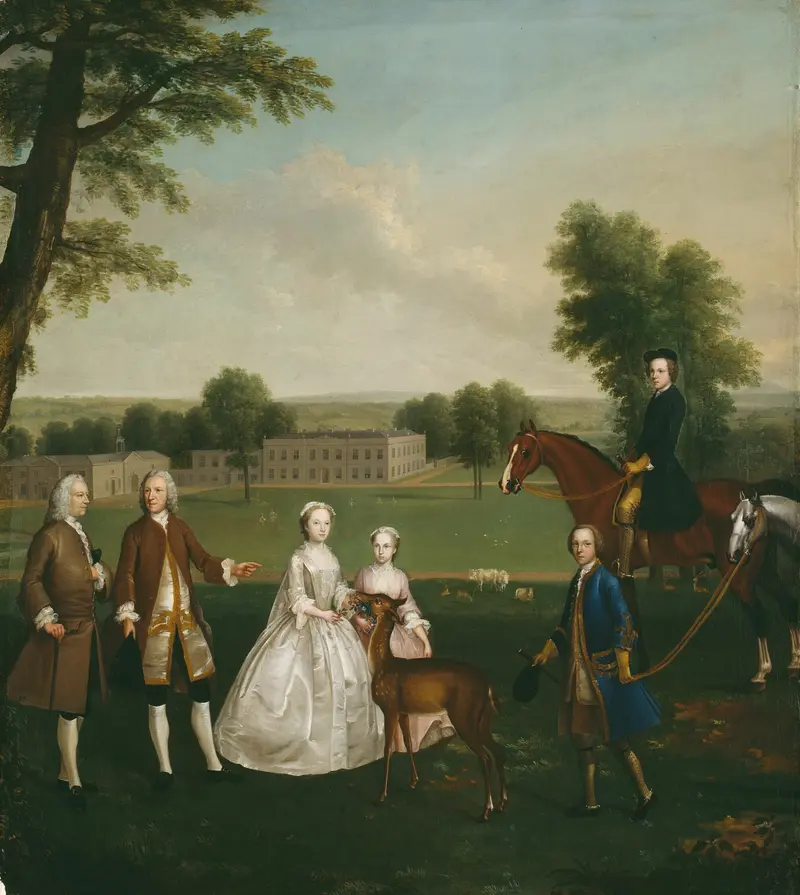
Thomas Lister and Family at Gisburne Park
Arthur Devis

Sir John Shaw and his Family in the Park at Eltham Lodge, Kent
Arthur Devis
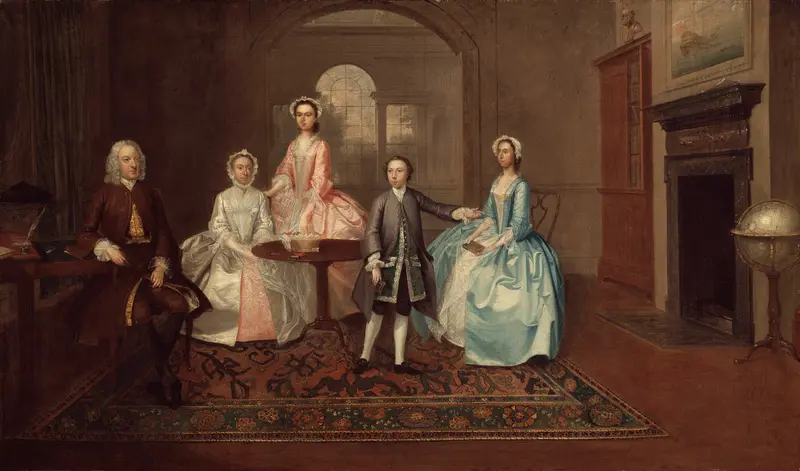
John Thomlinson and His Family
Arthur Devis
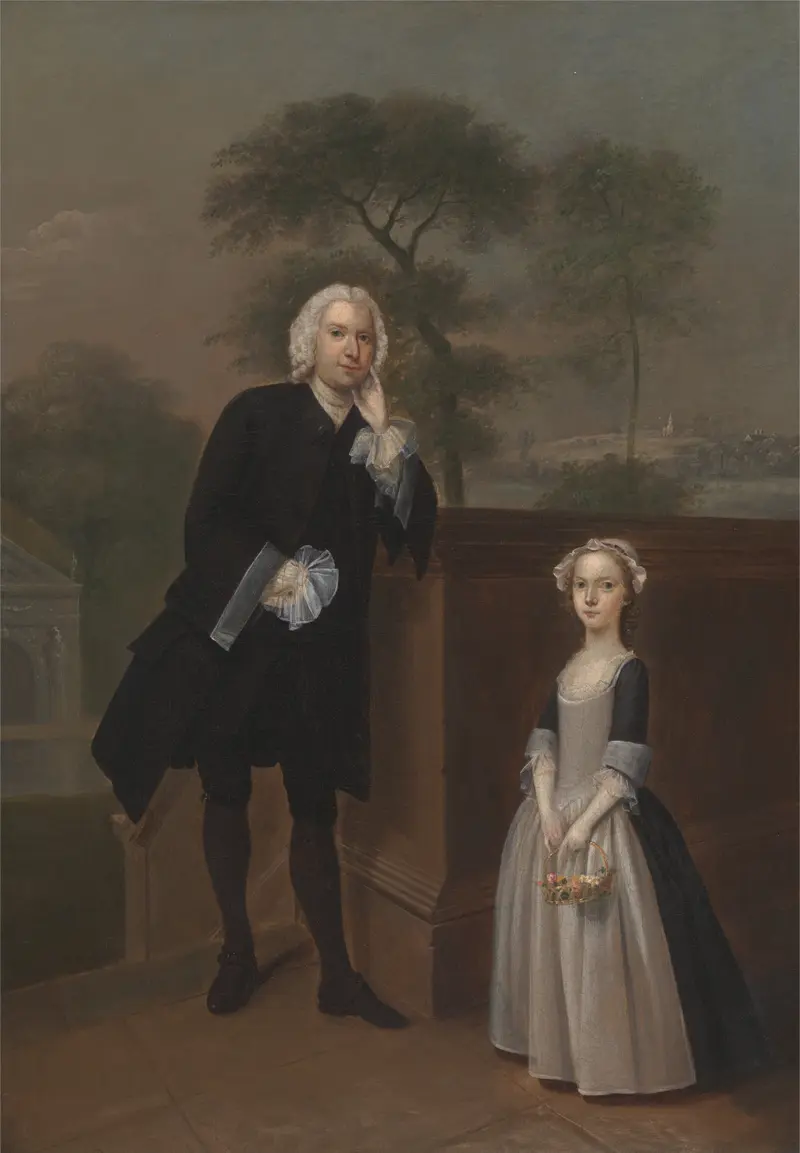
An Unknown Man with His Daughter
Arthur Devis
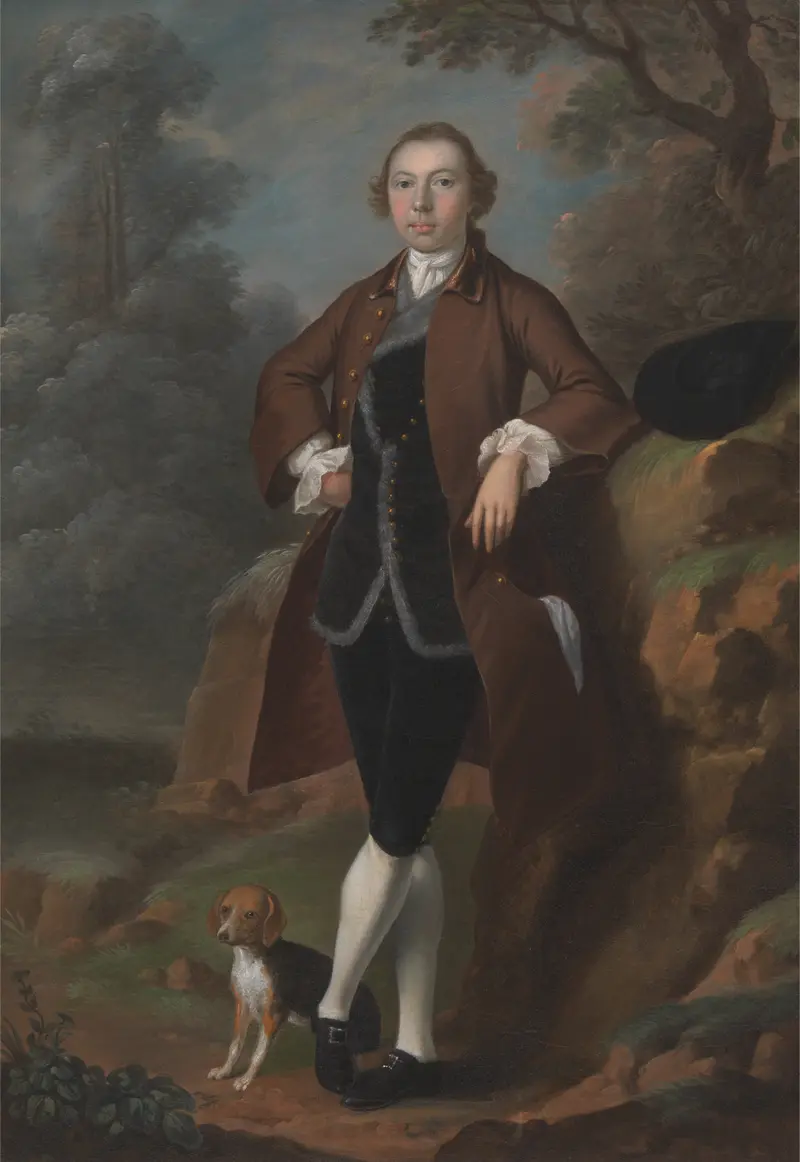
William Farington of Shawe Hall, Lancashire
Arthur Devis
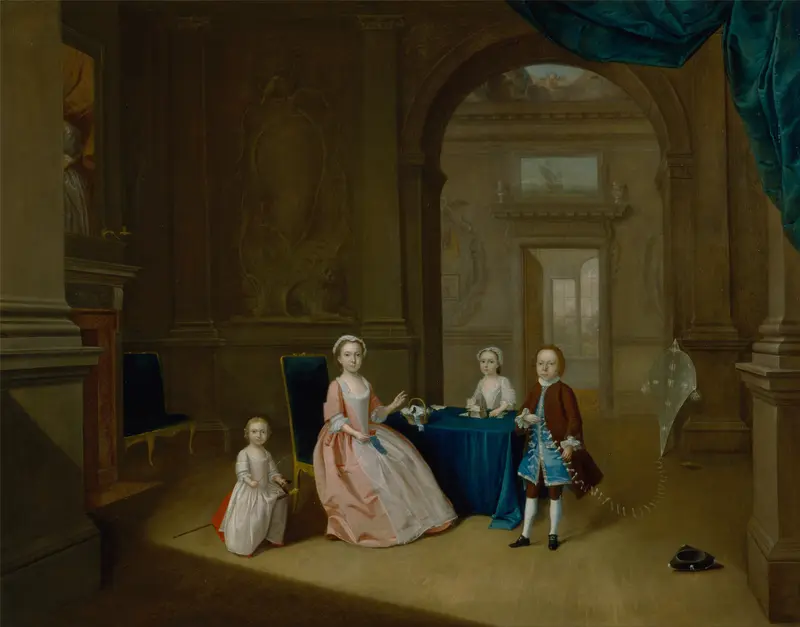
Children in an Interior
Arthur Devis
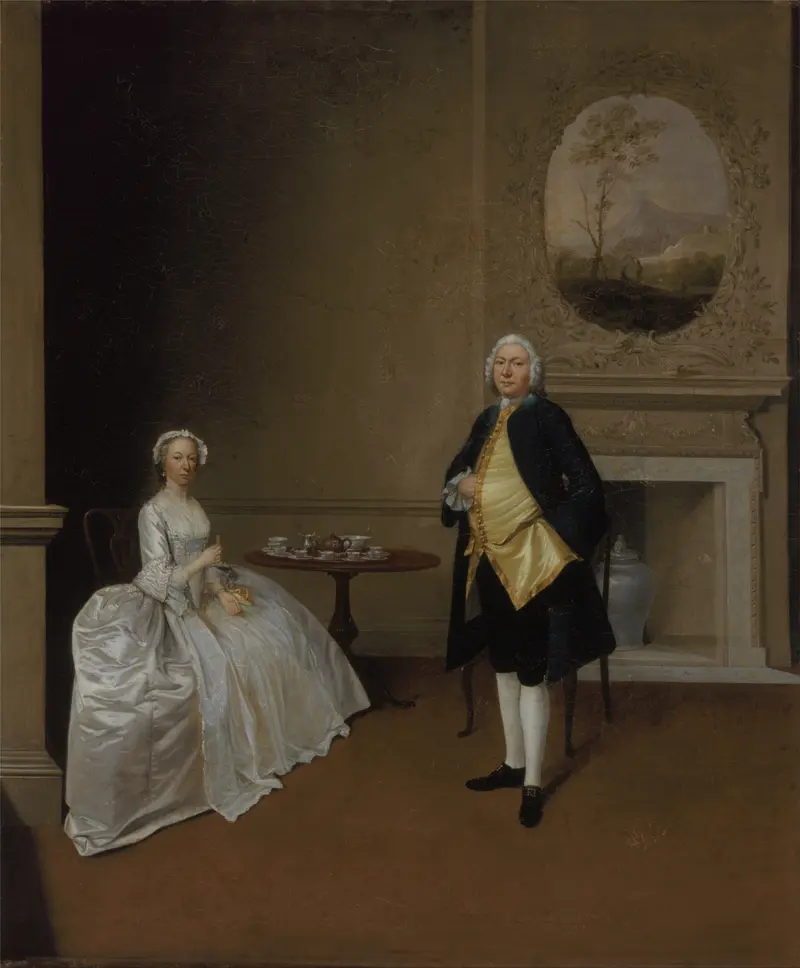
A Couple, Traditionally Identified as Mr. and Mrs. Hill
Arthur Devis
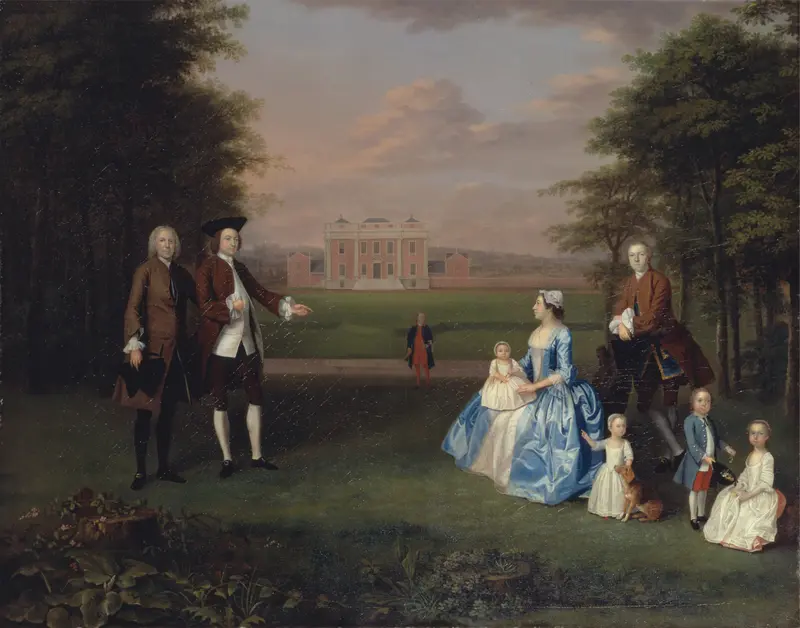
Robert Gwillym, Elizabeth Gwillym (née Atherton), and Their Family
Arthur Devis
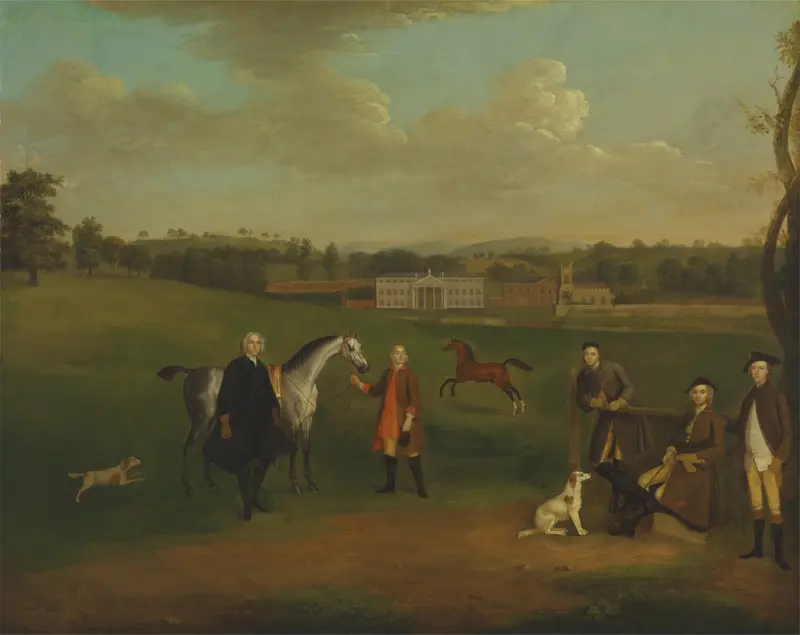
Leak Okeover, Rev. John Allen and Captain Chester at Okeover Hall, Staffordshire
Arthur Devis
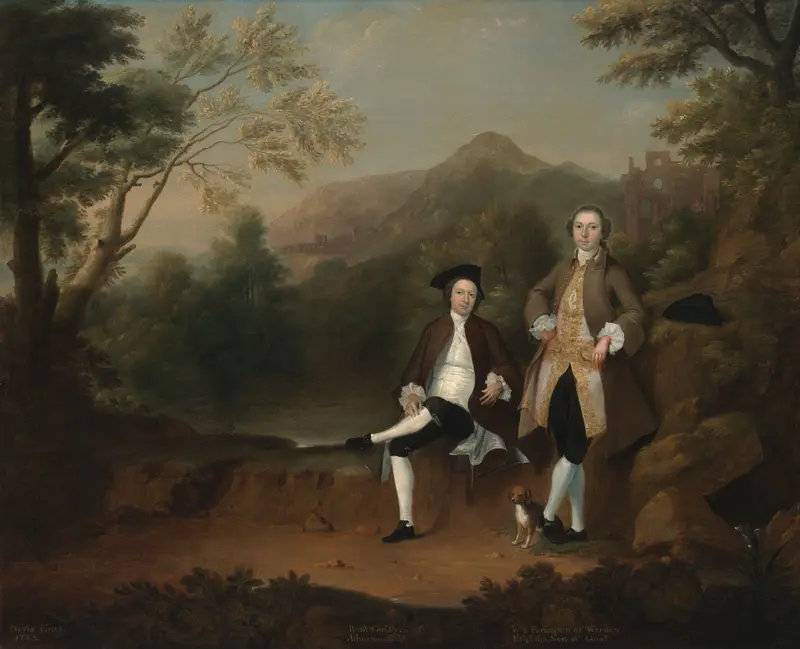
Robert Gwillym of Atherton and William Farington of Werden
Arthur Devis





