Rider Unhorsed and Bewitched — History & Facts
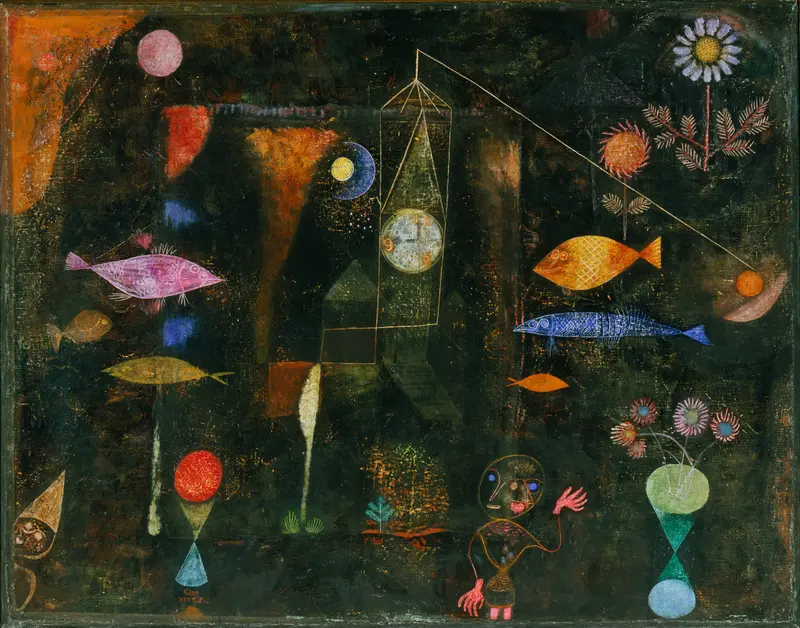
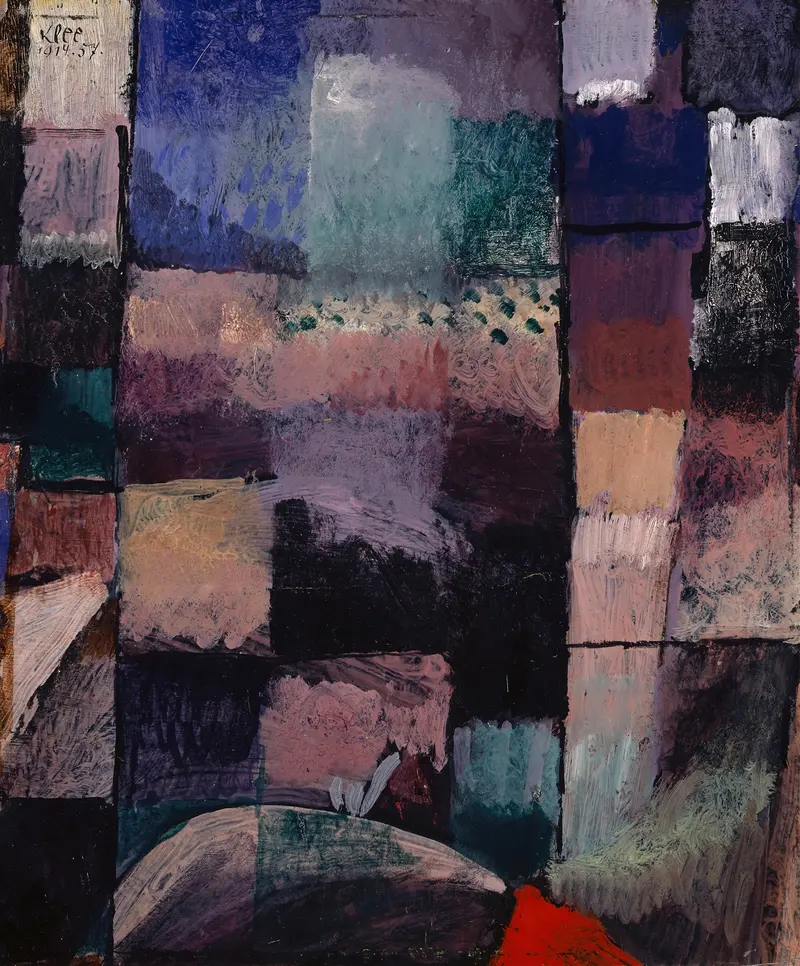
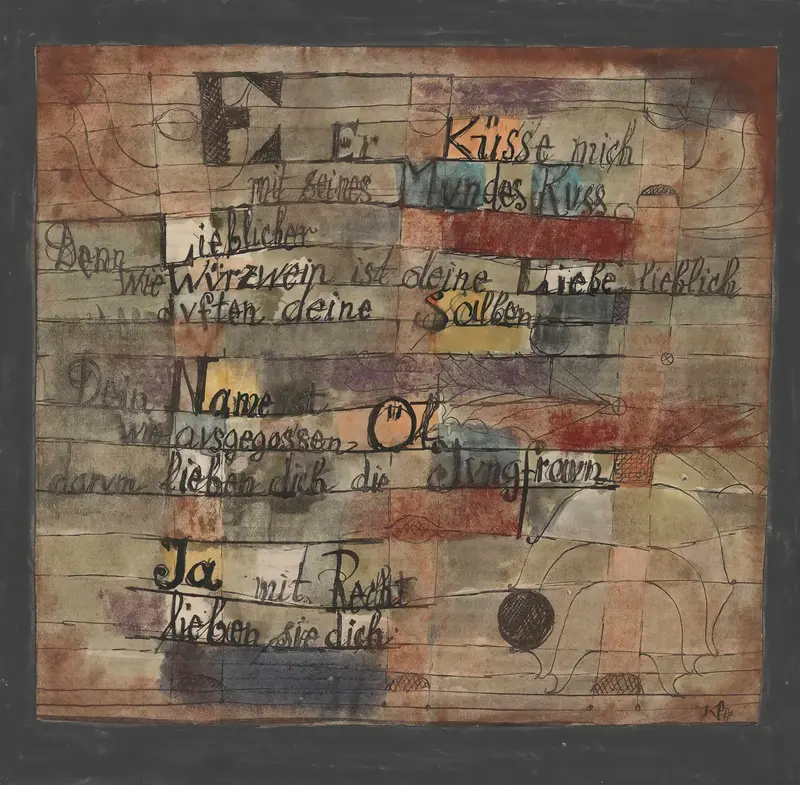
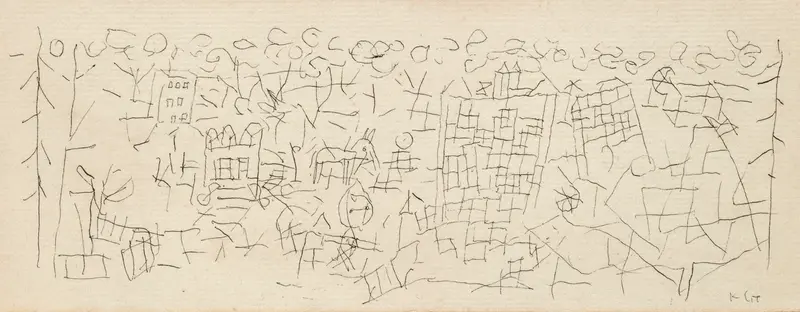
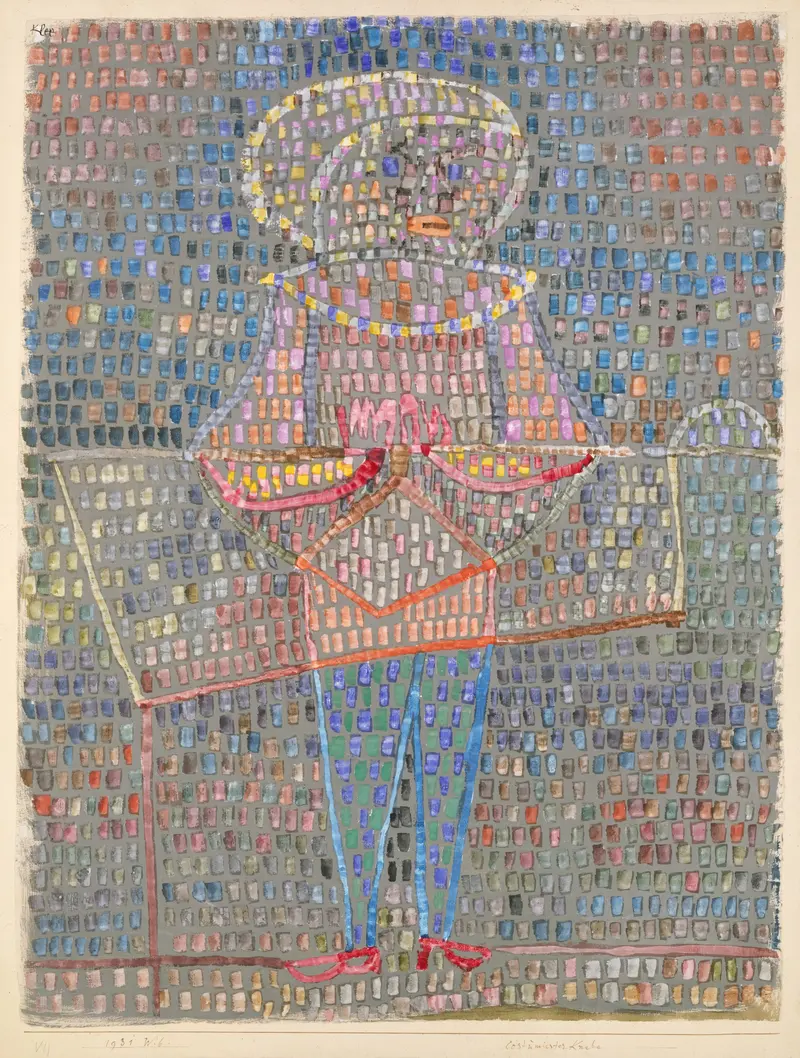
In Rider Unhorsed and Bewitched, Paul Klee uses a vibrant palette of colors, primarily reds, blues, and yellows. The painting features a central figure of a rider, who appears to be falling from his horse, surrounded by whimsical shapes and patterns. The background is filled with abstract forms that suggest a mystical landscape.
This combination creates a dreamlike atmosphere that draws the viewer in. The painting is characterized by Klee's unique style, which blends abstraction with figurative elements. The use of bold lines and geometric shapes is evident, showcasing Klee's interest in both color theory and form. The composition is dynamic, with the rider's position suggesting movement and the surrounding elements adding to the sense of enchantment.
Viewers can appreciate the intricate details and the playful nature of Klee's work. Paul Klee was a Swiss artist known for his contributions to Expressionism and Modernism. Rider Unhorsed and Bewitched reflects his fascination with mythology and the subconscious. An interesting fact about this work is that it embodies Klee's belief in the power of art to convey emotions and ideas beyond the visible world.
This painting, created in the 1920s, showcases his innovative approach to color and form.