
Rising moon in Barbizon — History & Facts
Did the painter know this moment would outlive them? In the quiet embrace of twilight, a solitary moon rises above the tranquil landscape, casting a silver sheen on the water below. This fleeting reflection dances upon the surface, inviting contemplation and wonder in its serene glow. Look to the left at the gentle curve of the river, where the moonlight waltzes with the ripples. Notice how Daubigny’s delicate brushstrokes create a harmonious blend of deep blues and soft whites, conjuring a world where nature breathes and whispers.
The horizon holds a muted palette, offering a backdrop that enhances the luminescence of the moon, while the trees stand as silent guardians, framing this ephemeral moment in time. In the stillness of this scene, contrasts emerge: the vibrant life of the natural world meets the quiet solitude of night. The reflection in the water symbolizes a connection between two realms—one of reality and one of dreams, invoking the fragility of existence. The interplay of light and shadow suggests a deeper meditation on time, urging viewers to pause and reflect on their own transient moments. In the 19th century, Daubigny found himself entrenched in the Barbizon School, a movement that emphasized the beauty of the French countryside and the direct observation of nature.
Painted during a time of artistic innovation and exploration, he sought to capture the essence of the landscape around him. His work echoed the evolving relationship between humanity and nature, as well as the emerging Impressionist spirit that would soon reshape the art world.
More Artworks by Charles François Daubigny
Browse all →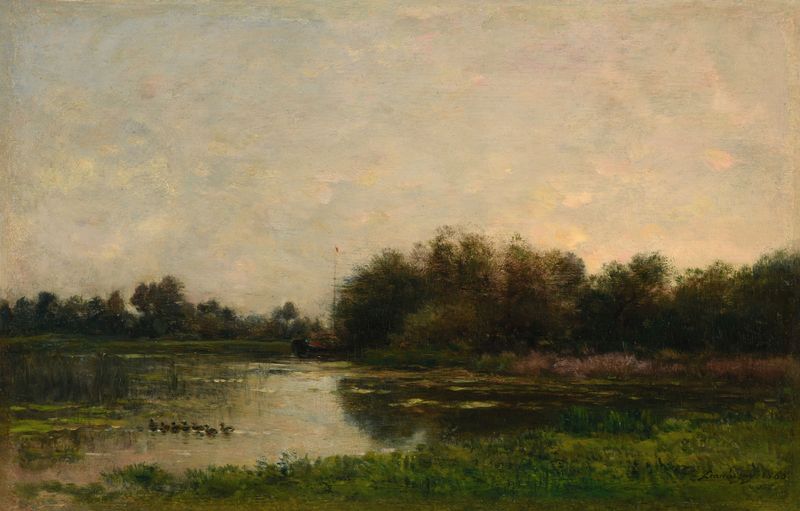
Bords de l’Oise
Charles François Daubigny
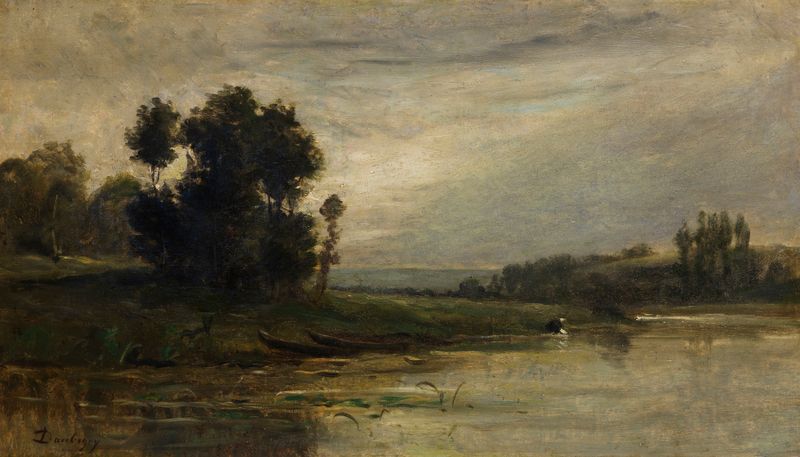
Bords de l’Oise
Charles François Daubigny
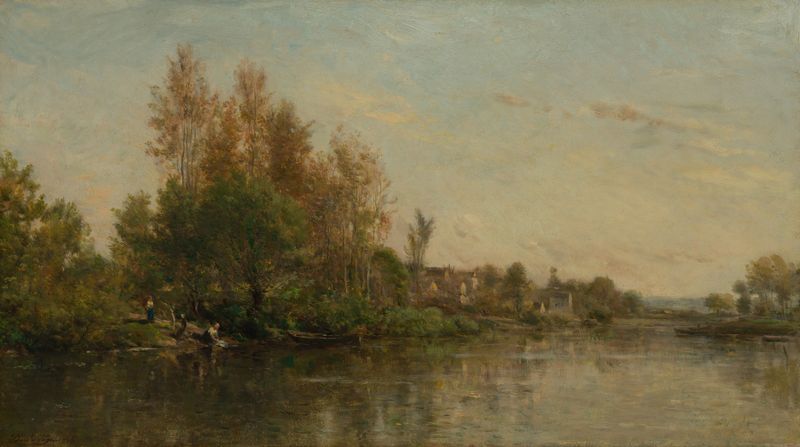
The Banks of the Oise
Charles François Daubigny
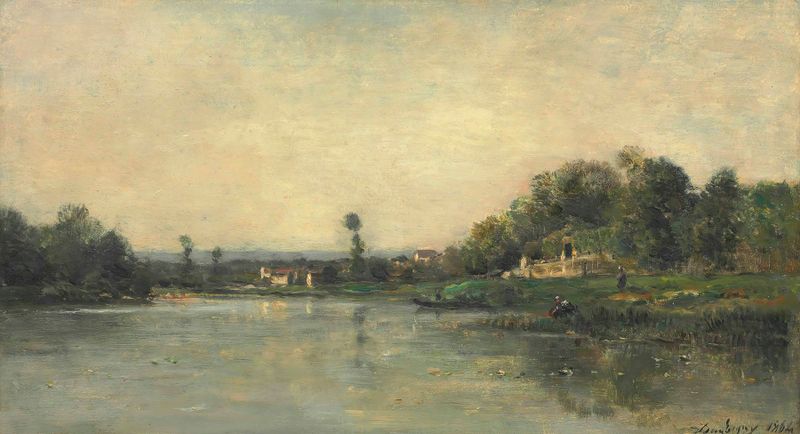
Les Bords De L’oise
Charles François Daubigny
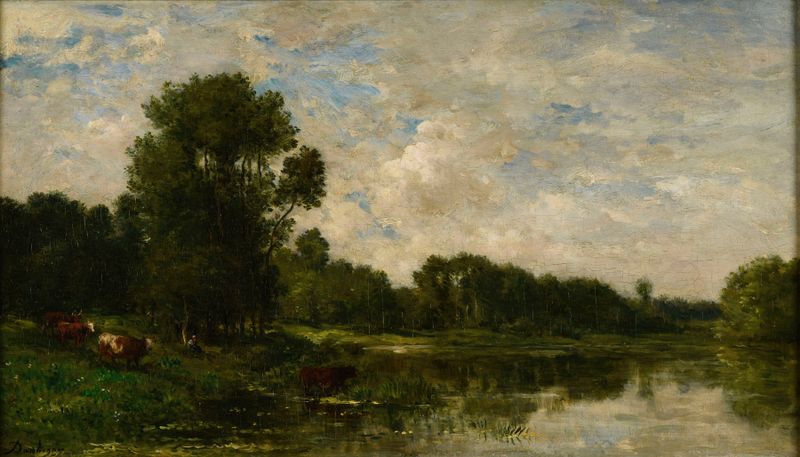
Bords de l’Oise
Charles François Daubigny
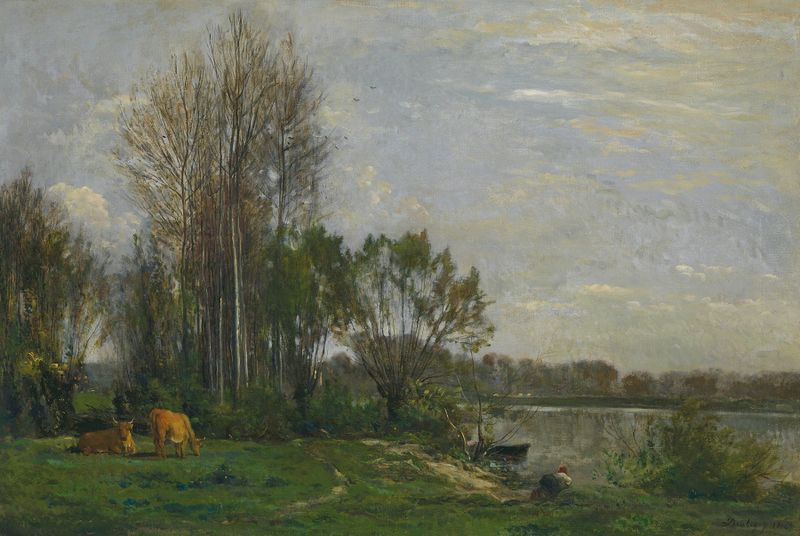
Les Bord De L’oise
Charles François Daubigny
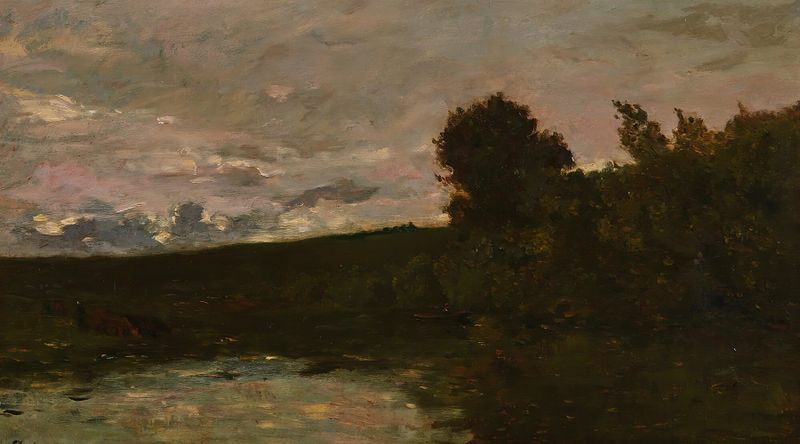
Bord De Riviére
Charles François Daubigny
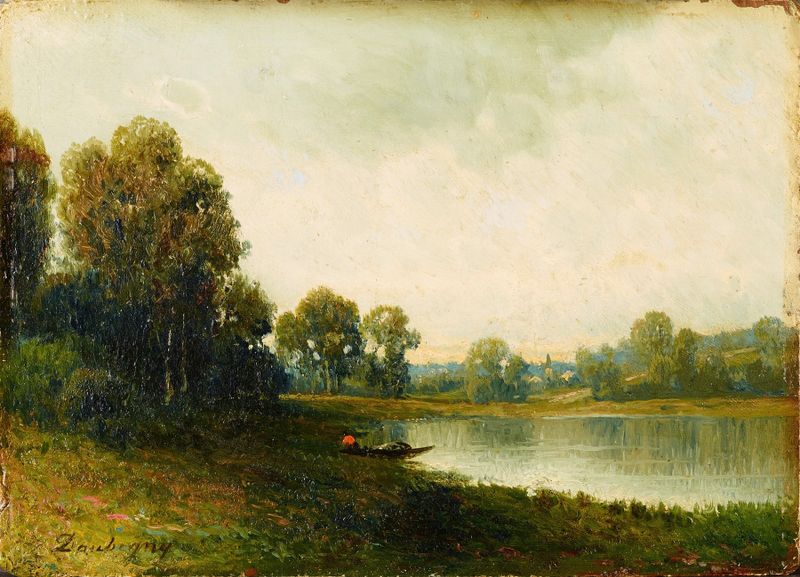
Landscape
Charles François Daubigny
Herbstliche Aulandschaft Abendstimmung
Charles François Daubigny
Landscape near Crémieu
Charles François Daubigny





