
River in the Alps — History & Facts
When Gustave Doré exhibited River in the Alps in 1849, he was just seventeen—a prodigy already known for his illustrations, but here revealing his early ambitions as a painter. The painting’s debut drew the attention of critics who were surprised to see such atmospheric depth from a teenager more famous for pen and ink. Its precise date and youthful origin have made it a touchstone for tracing Doré’s transition from caricaturist to landscape artist, and it stands as one of the earliest surviving examples of his fascination with wild, mountainous terrain. Doré captures a moment of stillness amid the grandeur of the Alps: a river winds through craggy rocks, its waters reflecting the fleeting light of a cloud-laden sky.
The eye follows the silvery thread of water as it disappears into the mist, dwarfed by towering peaks and dark pines. There are no human figures, only nature’s drama—rocks tumbled in the riverbed, trees clinging to steep slopes, and the interplay of shadow and light that hints at both danger and beauty. Unlike the tranquil, domesticated rivers of Jean-Baptiste-Camille Corot, Doré’s vision is restless and untamed, inviting viewers to contemplate nature’s power rather than its comforts. The medium of River in the Alps remains uncertain, as the work is rarely exhibited and its physical details are not widely documented.
It likely remained in Doré’s own collection or passed quietly through private hands, overshadowed by his later fame as an illustrator and his monumental canvases of the 1860s and 1870s. Today, the painting is valued for its insight into Doré’s early development and his lifelong fascination with dramatic landscapes. Though less known than his engravings, it offers a rare glimpse of the young artist’s restless imagination and his first experiments with the themes that would define his career.
More Artworks by Gustave Doré

The Deluge
Gustave Doré
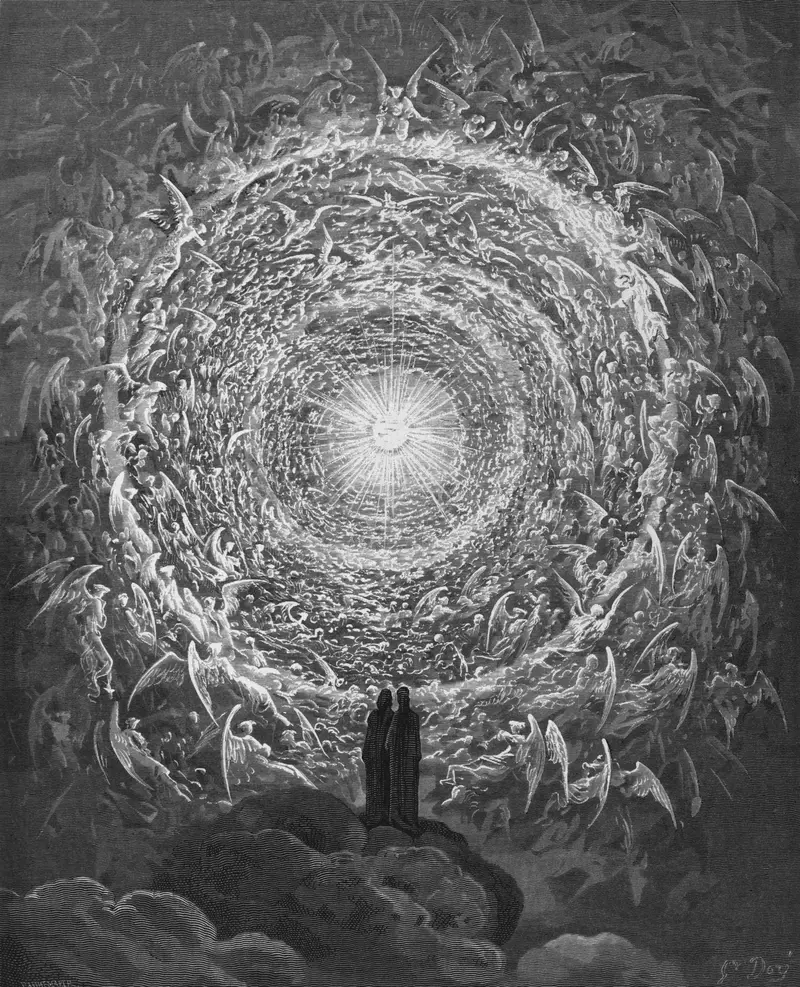
The Empyrean (Paradiso, Canto 31)
Gustave Doré
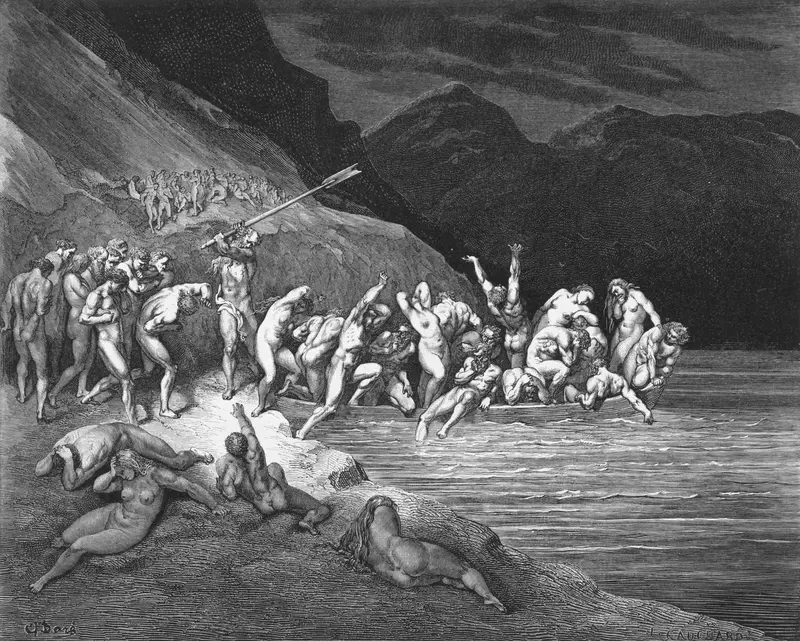
Charon (Inferno, Canto 3)
Gustave Doré
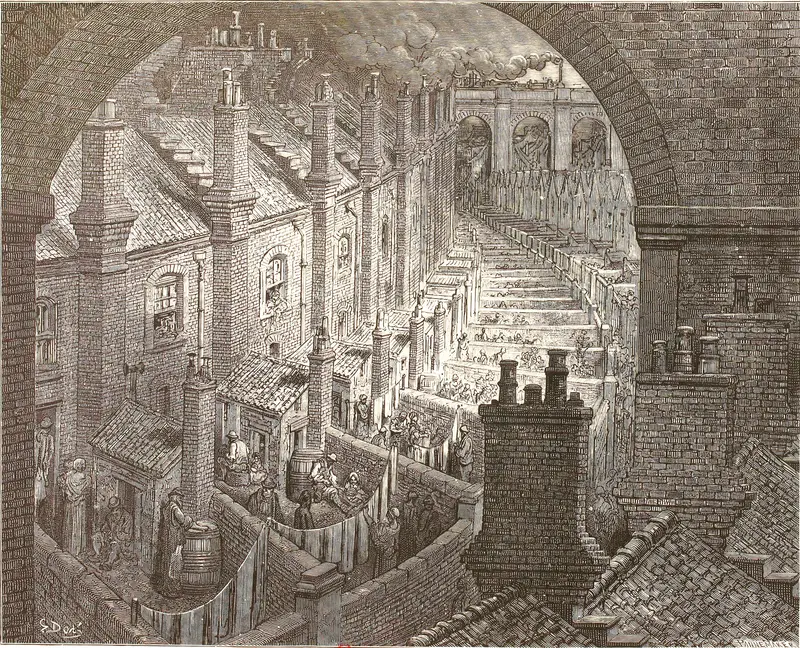
Over London by Rail
Gustave Doré
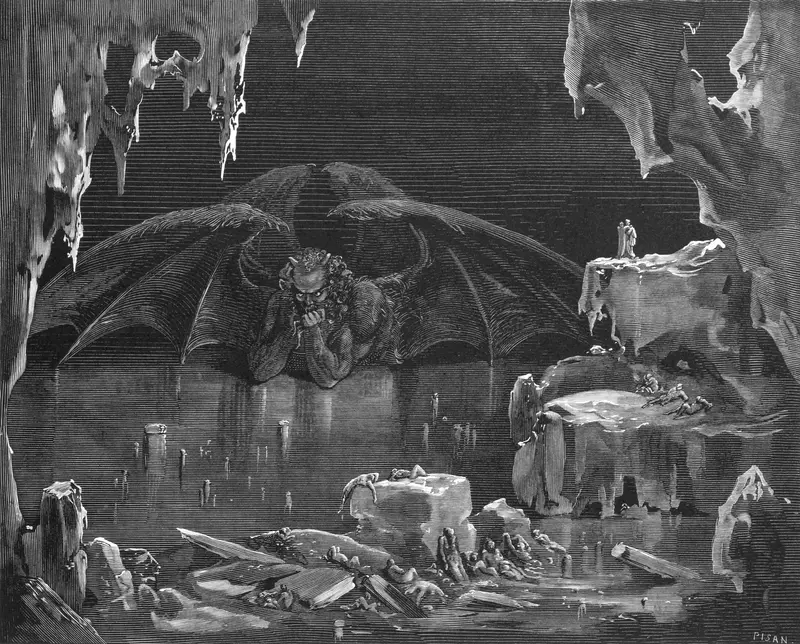
Lucifer, King of Hell
Gustave Doré
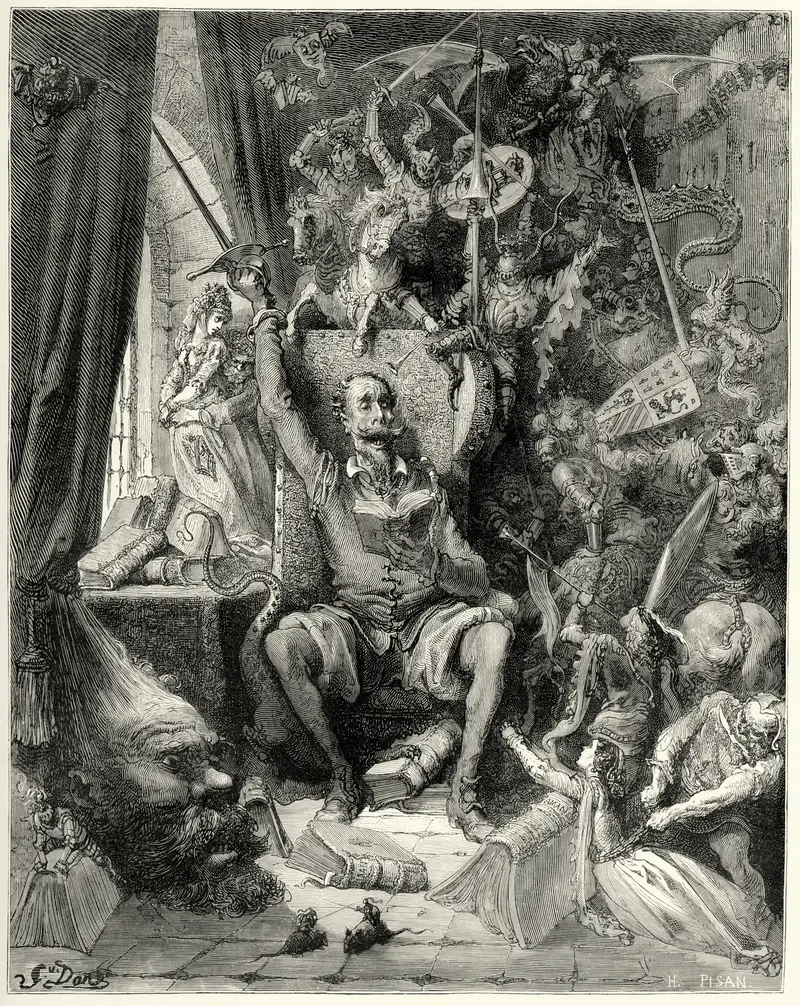
Don Quixote in His Library
Gustave Doré
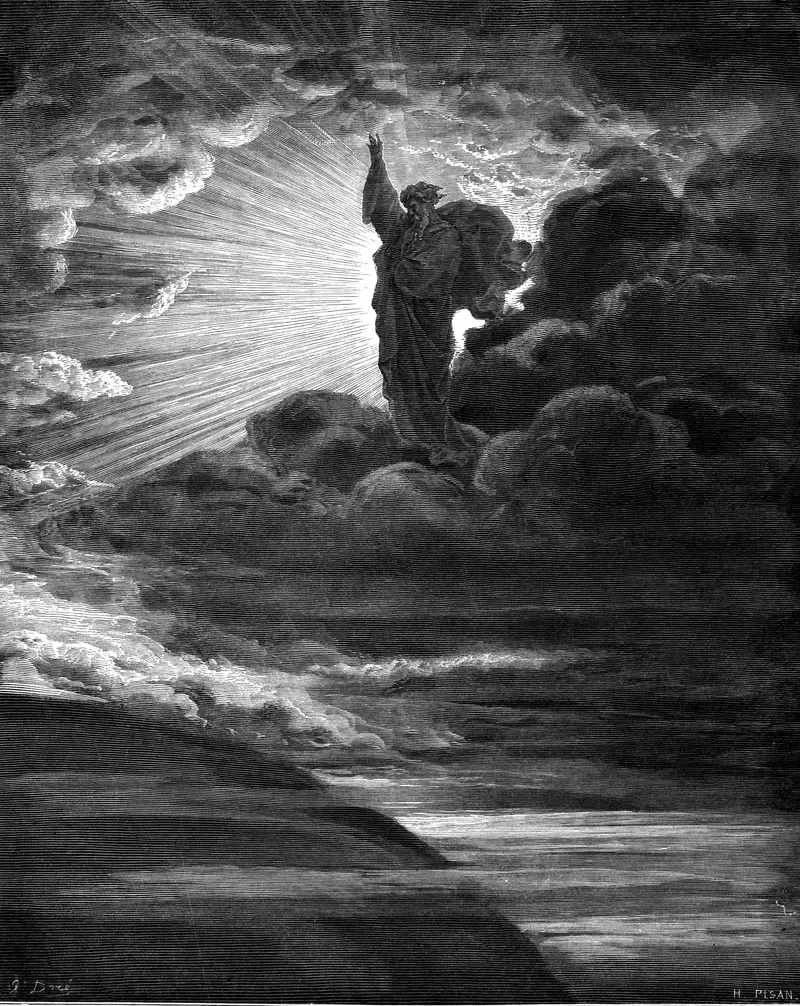
The Creation of Light
Gustave Doré
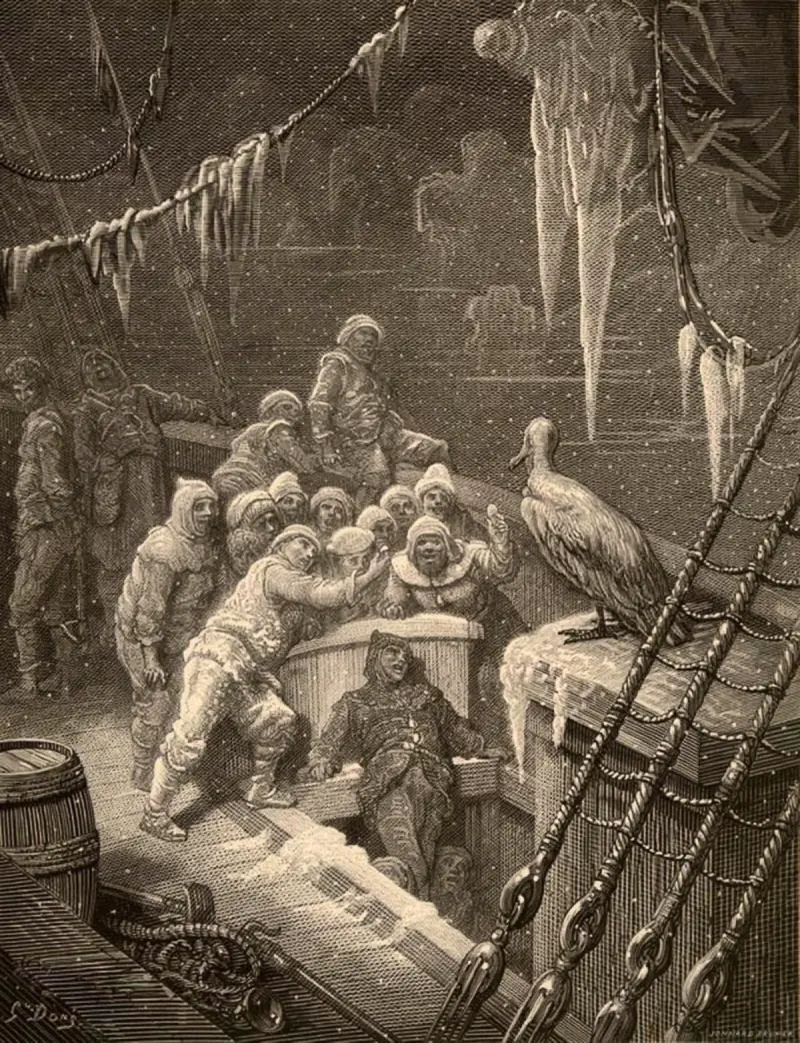
The Albatross (The Rime of the Ancient Mariner)
Gustave Doré
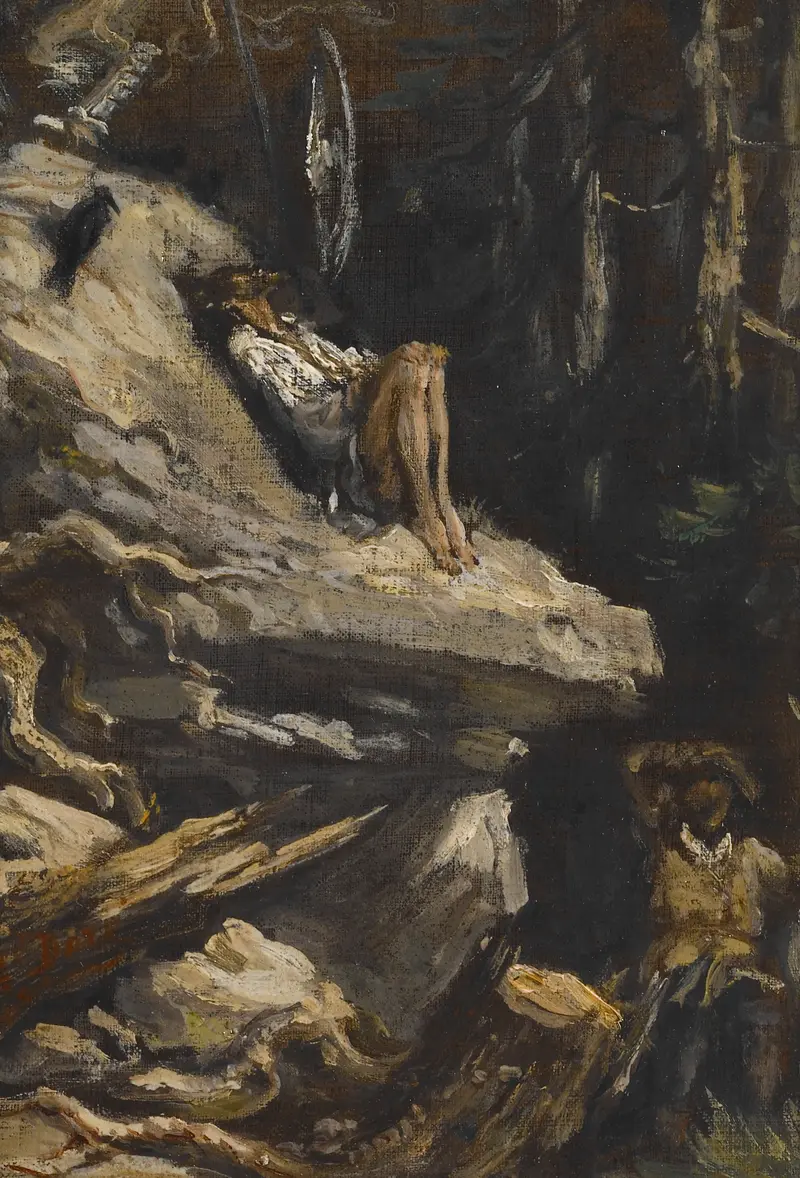
"'Alas!' answered Sancho, 'I found him in his shirt, lean, pale, and almost starved, sighing for his Lady Dulcinea'" from Don Quixote
Gustave Doré
Christ's Entry into Jerusalem
Gustave Doré
More Landscape Art

The Starry Night
Vincent van Gogh

View of Delft
Johannes Vermeer

Water Lilies
Claude Monet

The Grand Canal, Venice, looking north-west from the Ca' Corner to the Ca' Contarini degli Scrigni, with the campanile of Santa Maria della Carità
Canaletto

Windsor Castle
Canaletto

The Grand Canal looking North-East from the Palazzo Dolfin-Manin to the Rialto Bridge
Canaletto