
Riverbank with Fowl — History & Facts
Did the painter know this moment would outlive them? In the quiet stillness of Riverbank with Fowl, an ephemeral scene of nature unfolds, evoking a haunting sense of loss amid the tranquility. Look to the foreground where the gentle curve of the riverbank invites your gaze. The soft greens of the grass are dappled with the warm golden hues of sunlight, creating a soothing contrast against the cool blue of the water. Notice how the artist's delicate brushwork captures the shimmering surface, reflecting the clouds above, while the fowl—still and poised—suggest a fleeting serenity that belies their vulnerability. Delve deeper into the composition, where the interplay between light and shadow hints at an elusive melancholy.
The fowl, seemingly at ease, also embody the fragility of life, their presence echoing the transience of beauty. The surrounding landscape, a vivid yet restrained palette of earthy tones, amplifies the sense of nature’s quiet endurance in the face of inevitable change, evoking a bittersweet resonance in the viewer. Created in 1868, this piece reveals much about Charles François Daubigny at a pivotal time in his career. Painting from his home along the banks of the Oise River, he immersed himself in the natural world, capturing its essence with spontaneous brushstrokes.
As the Impressionist movement began to gain momentum, Daubigny was transitioning his style, blending realism with the emergent ethos of capturing fleeting moments in time, forever imbuing the mundane with enduring significance.
More Artworks by Charles François Daubigny
Browse all →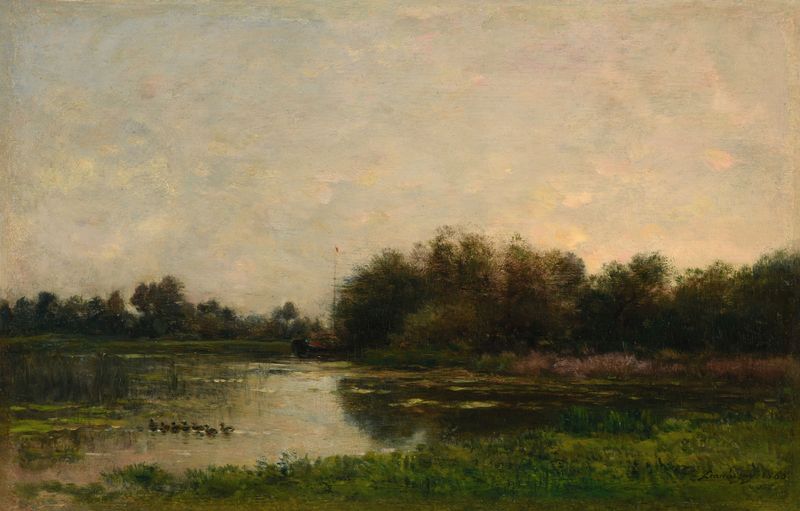
Bords de l’Oise
Charles François Daubigny
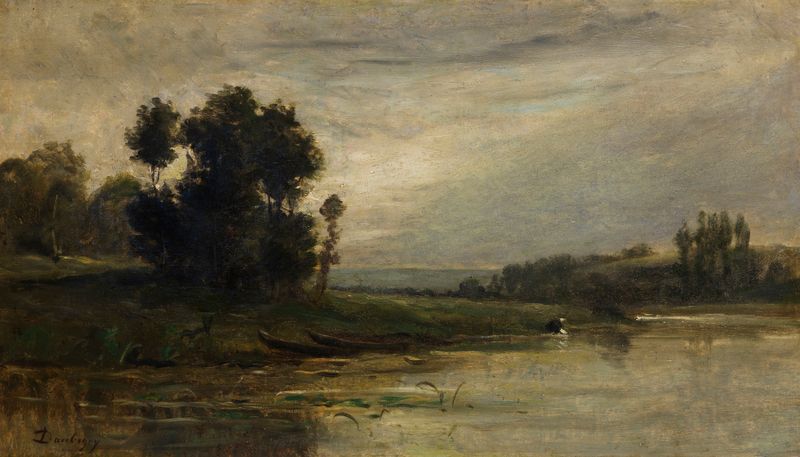
Bords de l’Oise
Charles François Daubigny
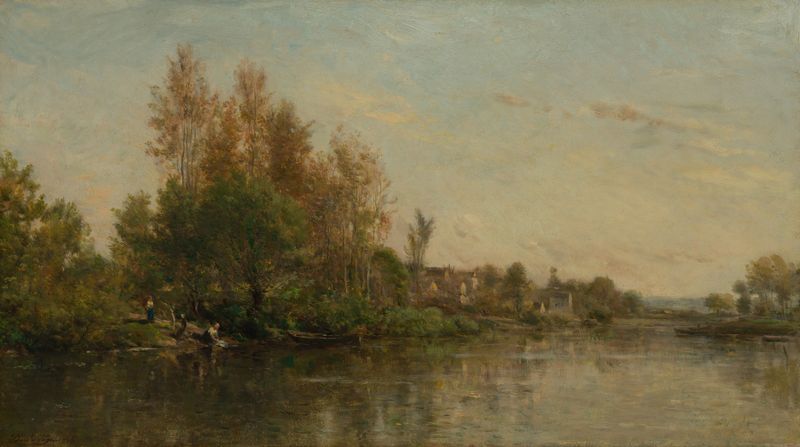
The Banks of the Oise
Charles François Daubigny
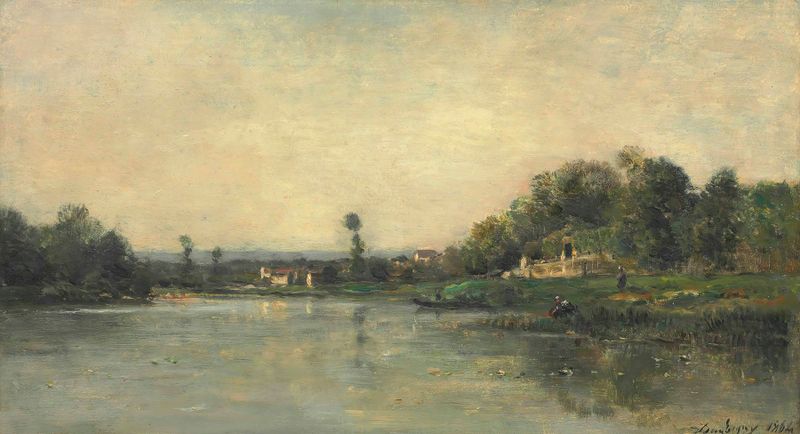
Les Bords De L’oise
Charles François Daubigny
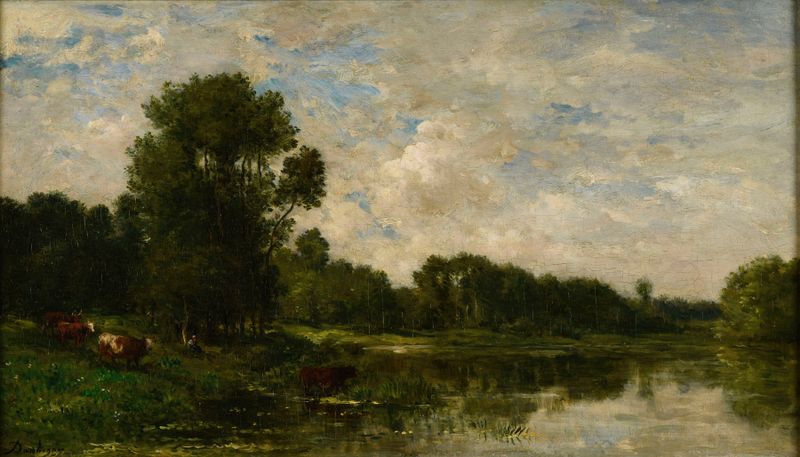
Bords de l’Oise
Charles François Daubigny
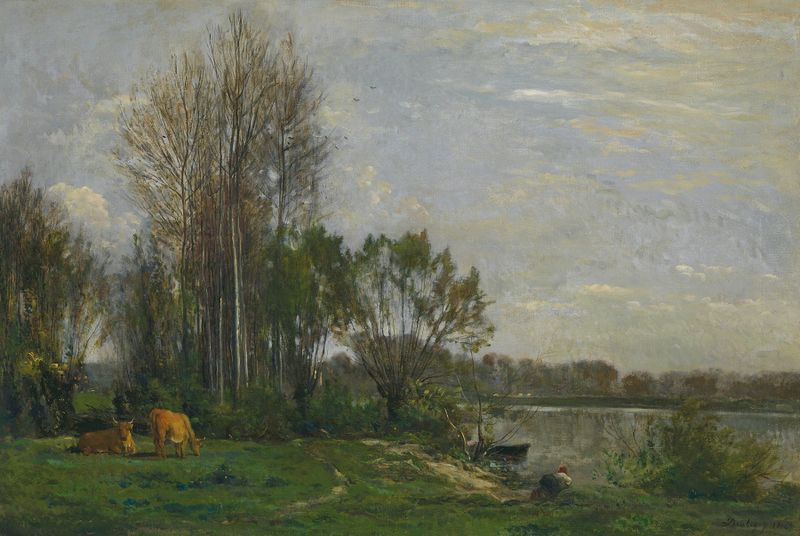
Les Bord De L’oise
Charles François Daubigny
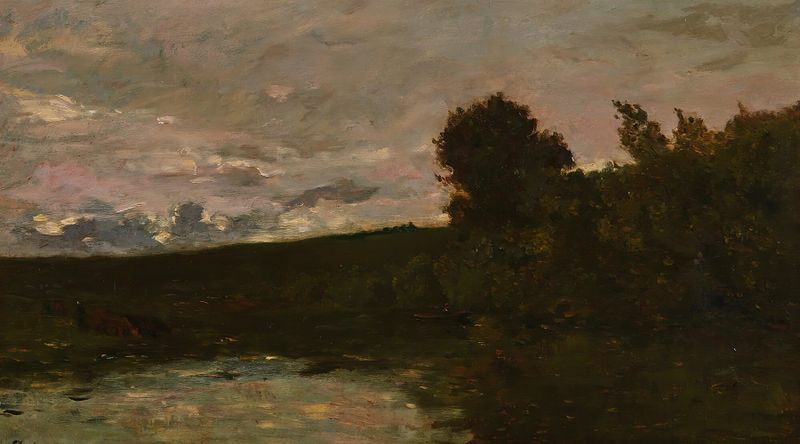
Bord De Riviére
Charles François Daubigny
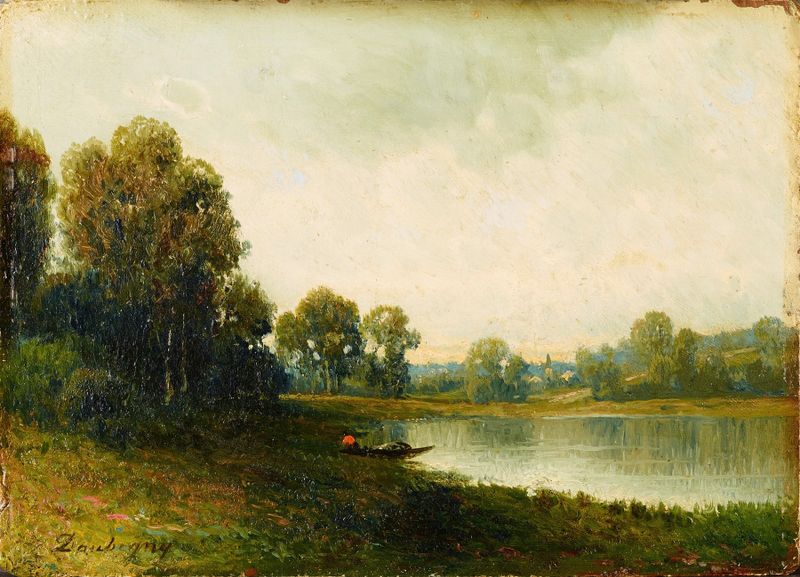
Landscape
Charles François Daubigny
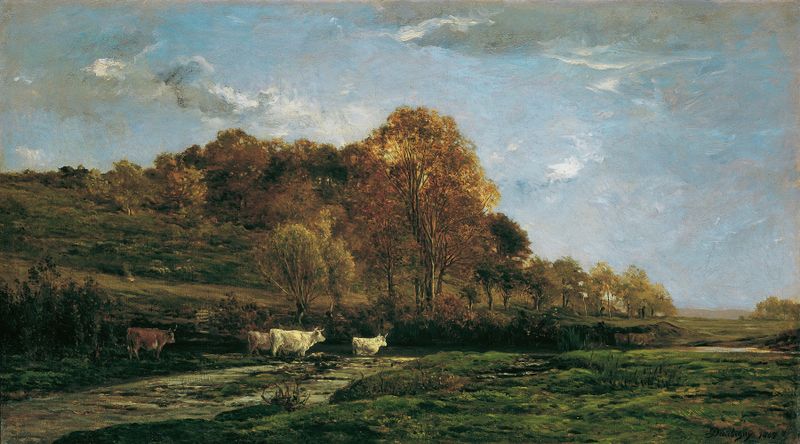
Herbstliche Aulandschaft Abendstimmung
Charles François Daubigny
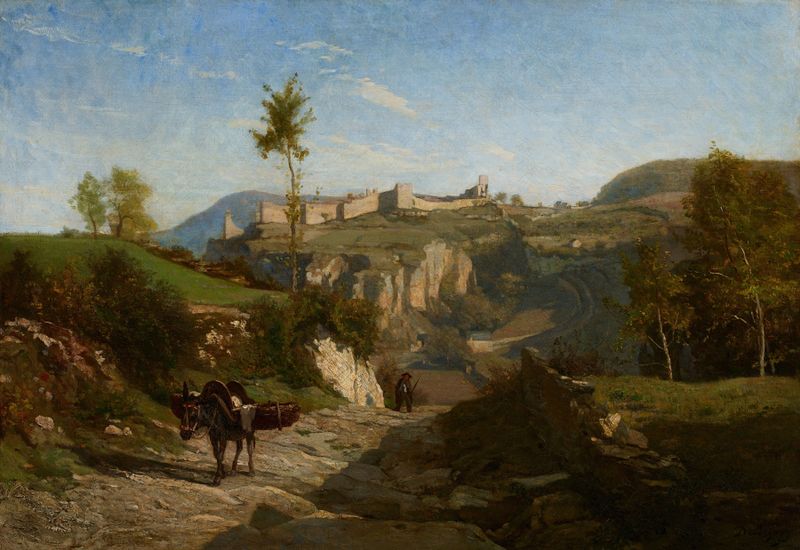
Landscape near Crémieu
Charles François Daubigny





