
Rivière — History & Facts
In the shimmering expanse of Rivière, fear lurks beneath the surface, transforming tranquil waters into a subtle reflection of hidden turmoil. Look to the left at the gentle curves of the river’s banks, where verdant trees arch gracefully, their vibrant greens contrasting the somber hues of the water. The artist’s deft brushstrokes evoke a sense of movement, as if the foliage whispers secrets to the flowing current. Notice how the light dances upon the water, creating a golden glow that hints at both warmth and unease, drawing the viewer deeper into this serene yet unsettling landscape. Delve into the depths of this piece, where the interplay of light and shadow reveals an emotional tension.
The calm surface of the river belies an undercurrent of chaos, suggesting that beneath the beauty of nature lies an ever-present fear—the fear of change, of the unknown. The painting invites reflection on how beauty can mask deeper anxieties, prompting a contemplation of what lurks beneath the placid exterior. In 1849, Harpignies created this work during a period of artistic transition in France, as Romanticism gradually shifted into Realism. Living in a time of social upheaval and change, he sought to capture not only nature's beauty but also the complexities of human emotion tied to it.
This painting represents a moment where the artist explores both the allure and the trepidation that beauty can evoke.
More Artworks by Henri-Joseph Harpignies
Browse all →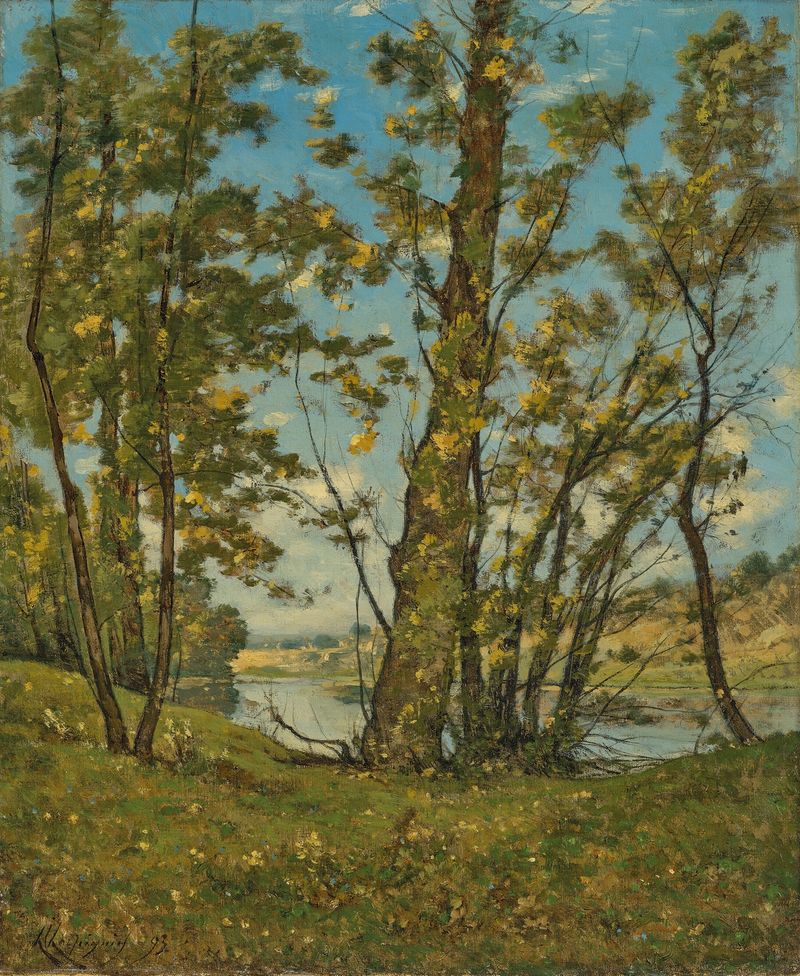
La Loire à Bonny
Henri-Joseph Harpignies
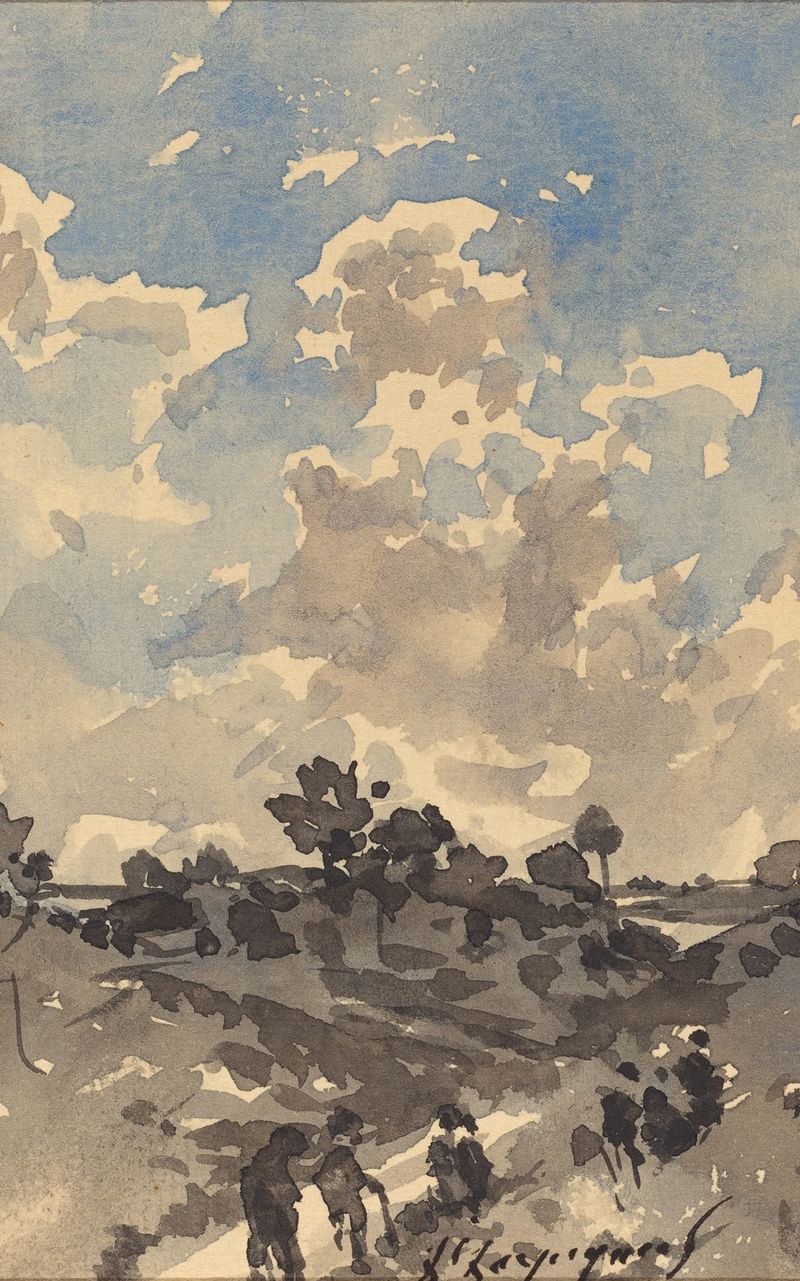
A Landscape with Figures Walking along a Path
Henri-Joseph Harpignies
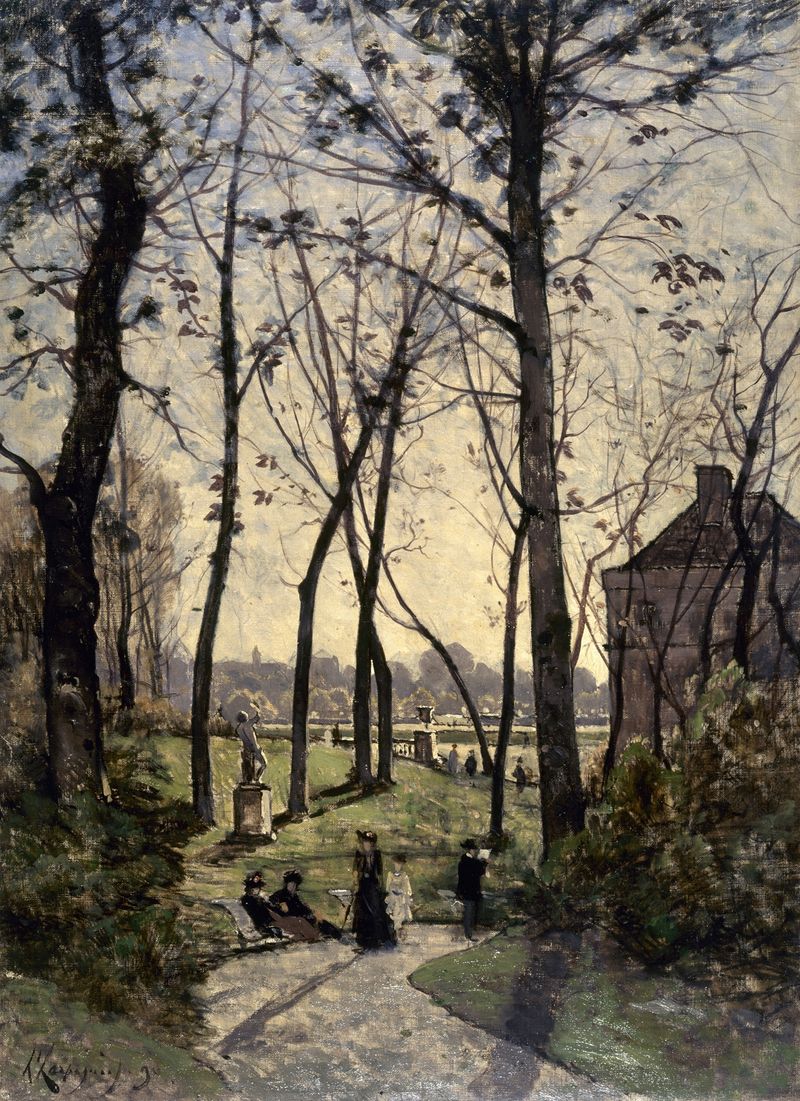
Le jardin du Luxembourg
Henri-Joseph Harpignies
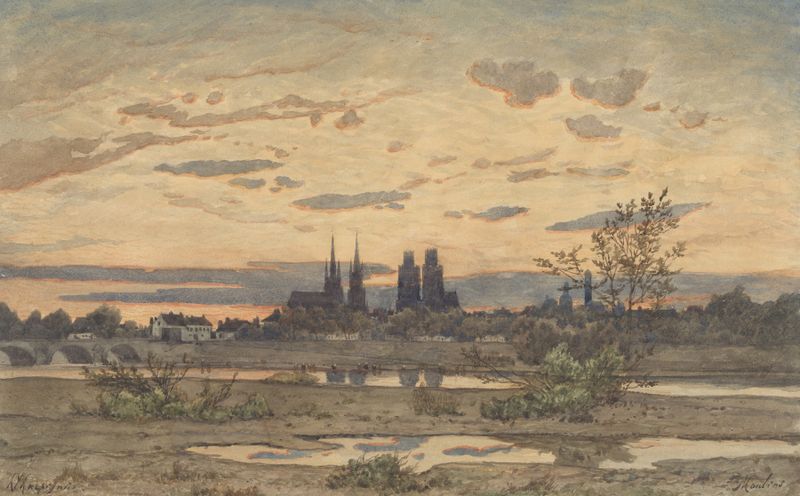
A View of Moulins
Henri-Joseph Harpignies
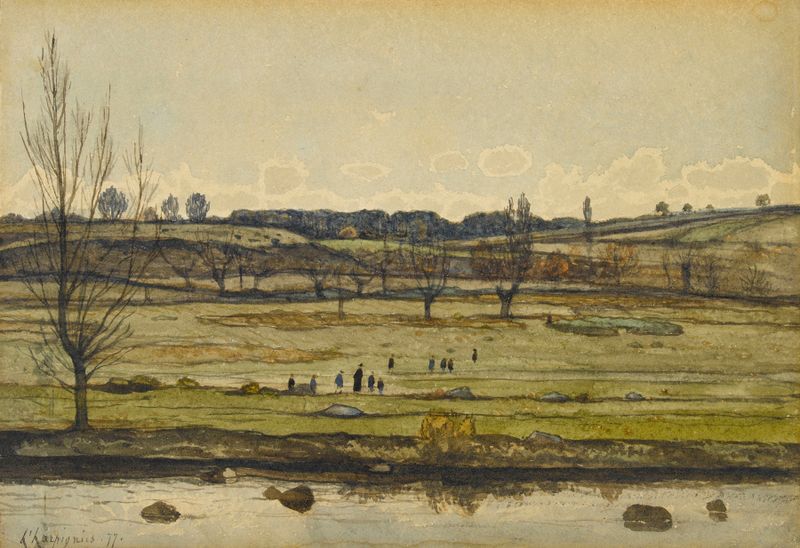
Paysage
Henri-Joseph Harpignies
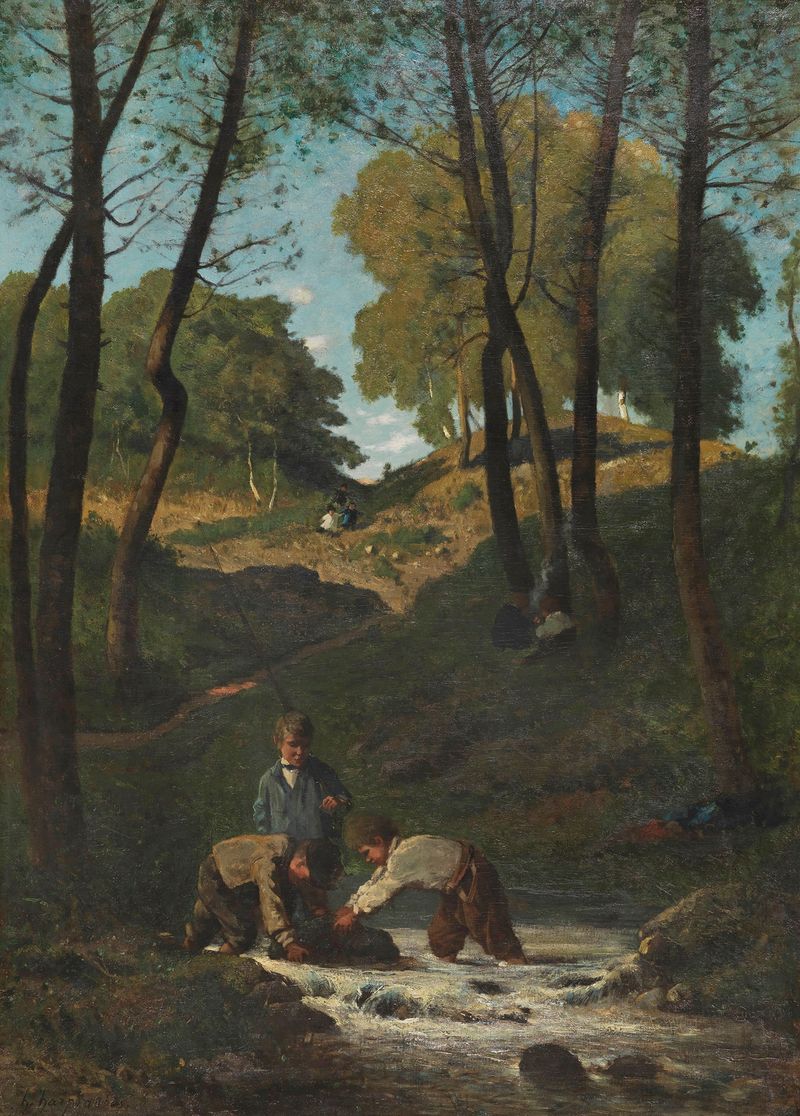
Chercheurs d’écrevisses
Henri-Joseph Harpignies
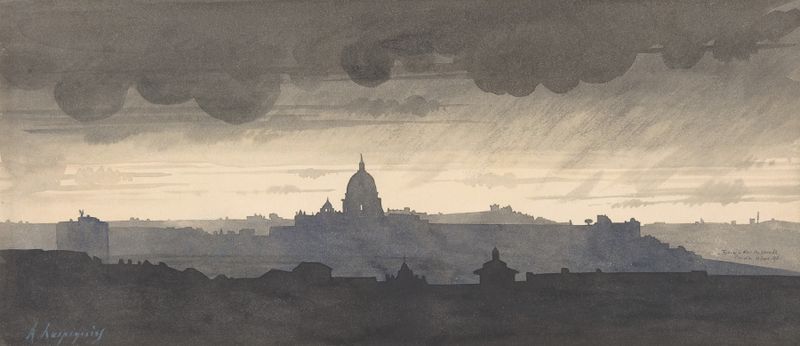
Saint Peter’s Seen From the Pincio, Rome
Henri-Joseph Harpignies
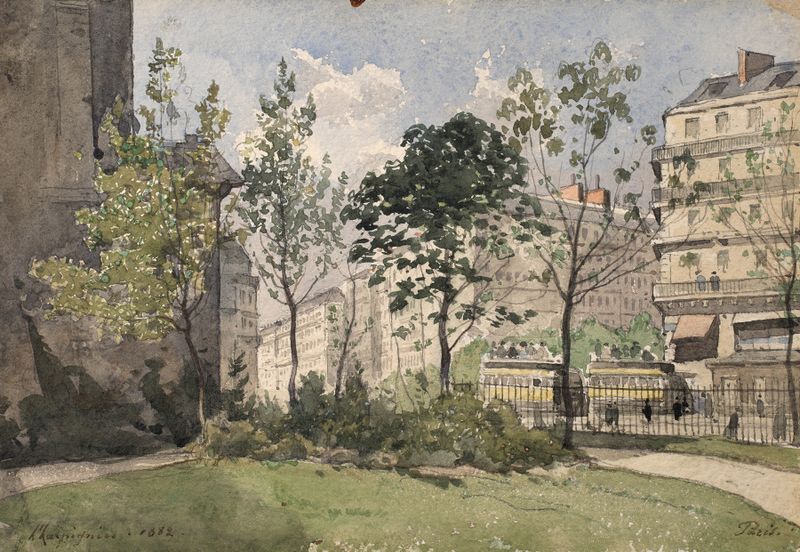
View of the forecourt of the Saint-Germain-des-Prés church
Henri-Joseph Harpignies
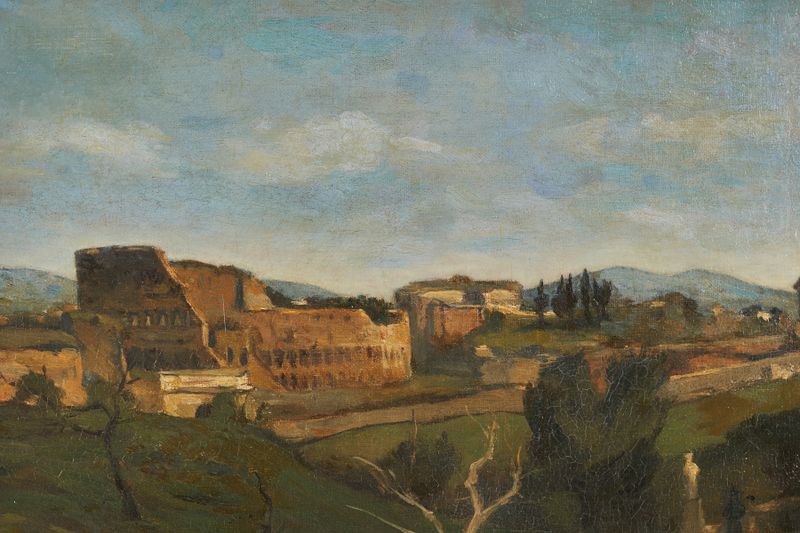
Le Colisée à Rome
Henri-Joseph Harpignies

Villefranche
Henri-Joseph Harpignies





