
Rocks — History & Facts
What secret hides in the quiet of the canvas? In Rocks, the stillness of the composition belies a sense of movement, as if the stones themselves are caught in a transient moment, ready to shift under the weight of time. Look to the lower left, where the cool shades of gray and muted blues create a foundation of solidity. The jagged edges of the rocks stand in stark contrast to the delicate play of light cascading across their surfaces, illuminating one side while casting the other into shadow. This interplay of light not only highlights the texture of the stones but also invites the viewer to trace the contours and cracks, suggesting a history of relentless weathering and endurance. Beneath this seemingly straightforward representation lies a poignant exploration of permanence and transience.
The rocks symbolize resilience amidst the inevitability of change; their unyielding forms evoke a sense of strength, while the light suggests the passage of time. Each crevice tells a story of erosion, while the colors hint at the inevitability of decay — a reflection of life's impermanence meticulously captured in the stillness of nature. During the years 1915 to 1920, Ľudovít Čordák was immersed in a period of personal and artistic transformation, creating this work amidst the backdrop of a world deeply affected by the ravages of war. Working in Slovakia, he sought to reconcile the changing landscapes around him with his artistic vision, contributing to the modernist movement that emphasized the emotive potential of form and color.
In this piece, he firmly planted his voice in a conversation about the enduring beauty of nature, even in the face of turmoil.
More Artworks by Ľudovít Čordák
Browse all →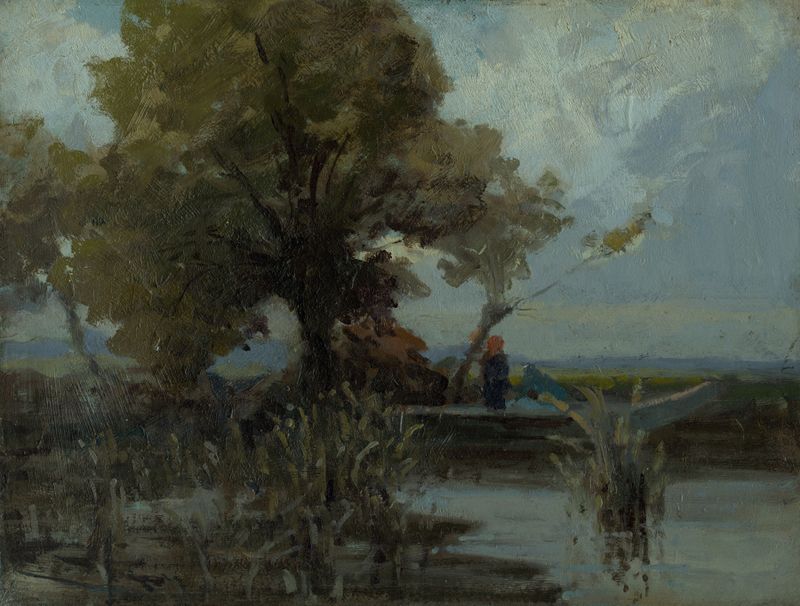
Košatý strom pri jazere
Ľudovít Čordák
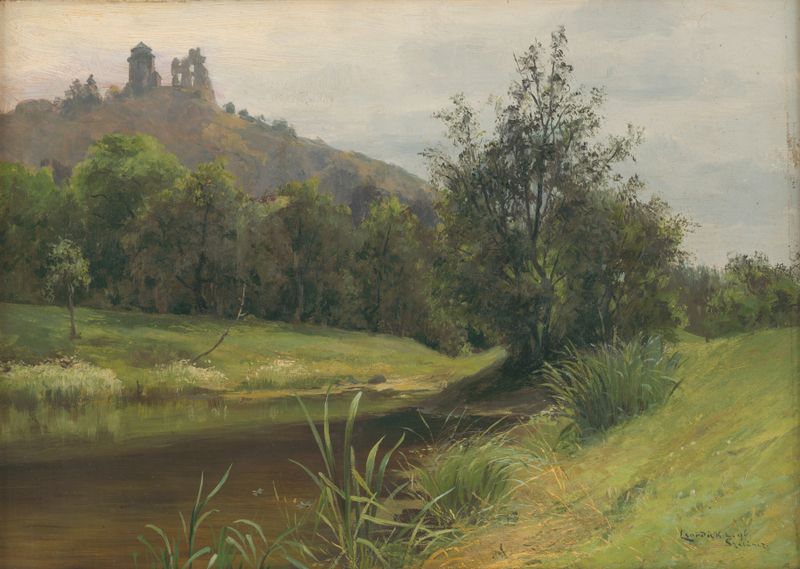
Močarina pod Slaneckým hradom
Ľudovít Čordák
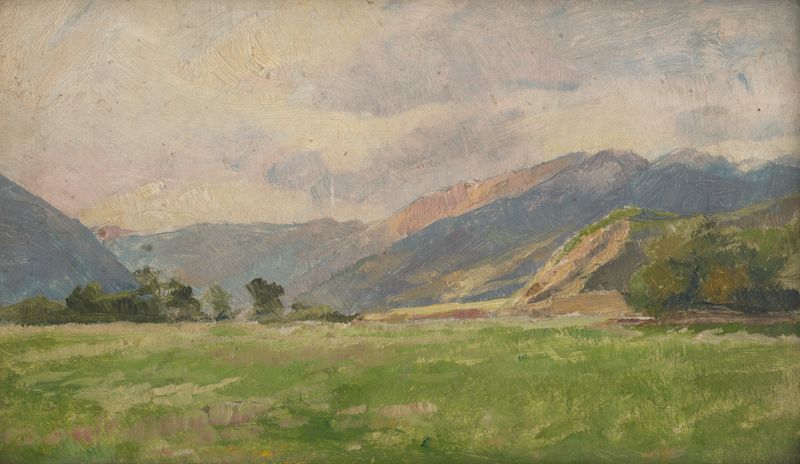
Mountain Meadow
Ľudovít Čordák
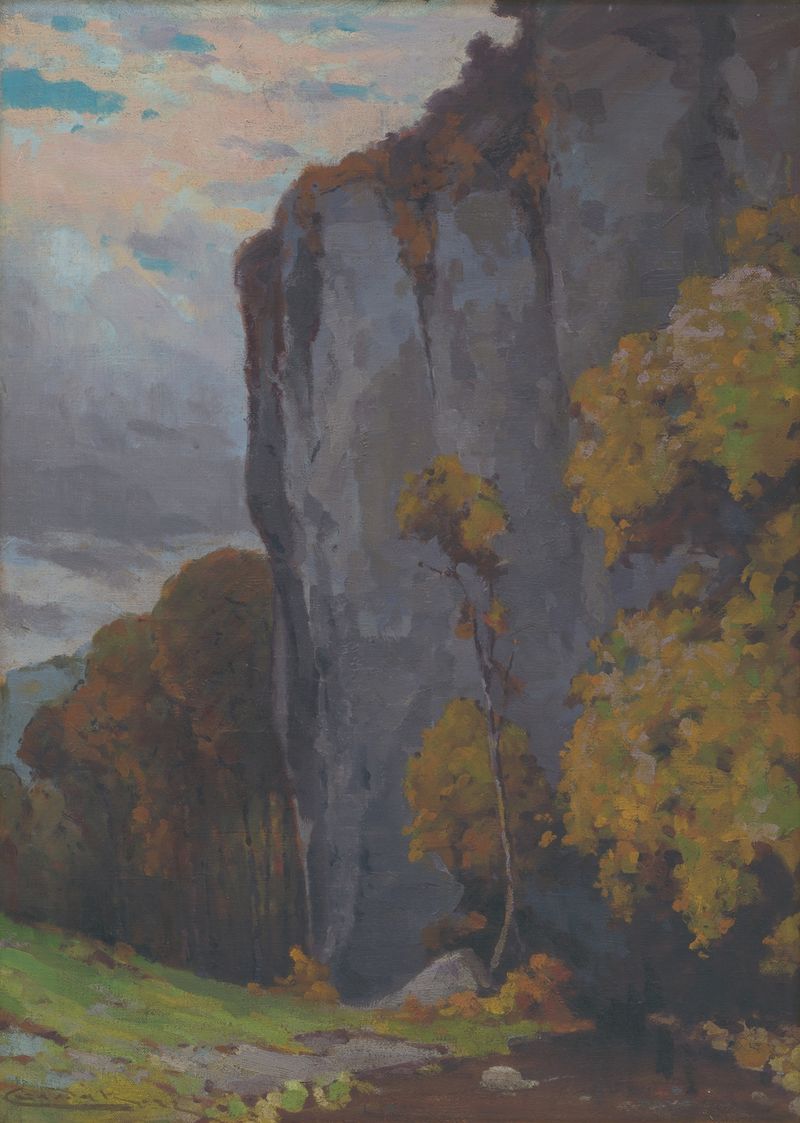
Zádiel
Ľudovít Čordák
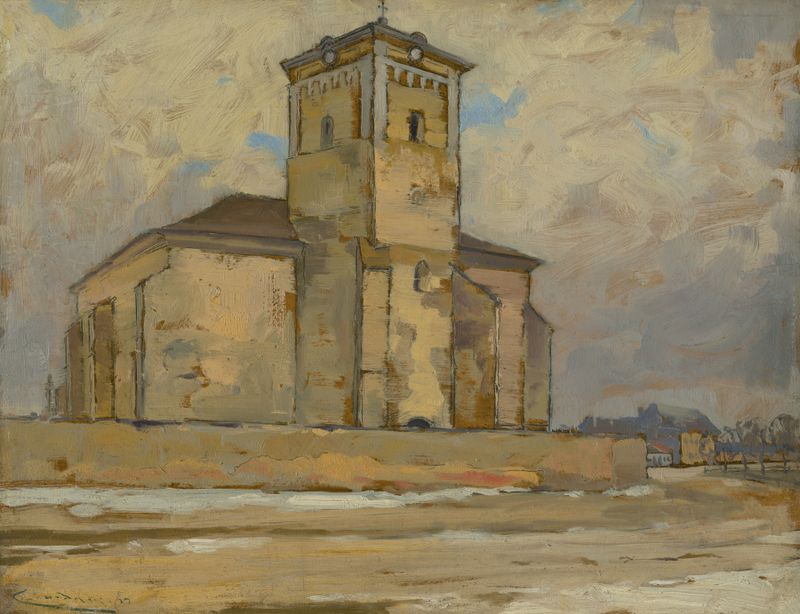
Church in Moldova
Ľudovít Čordák
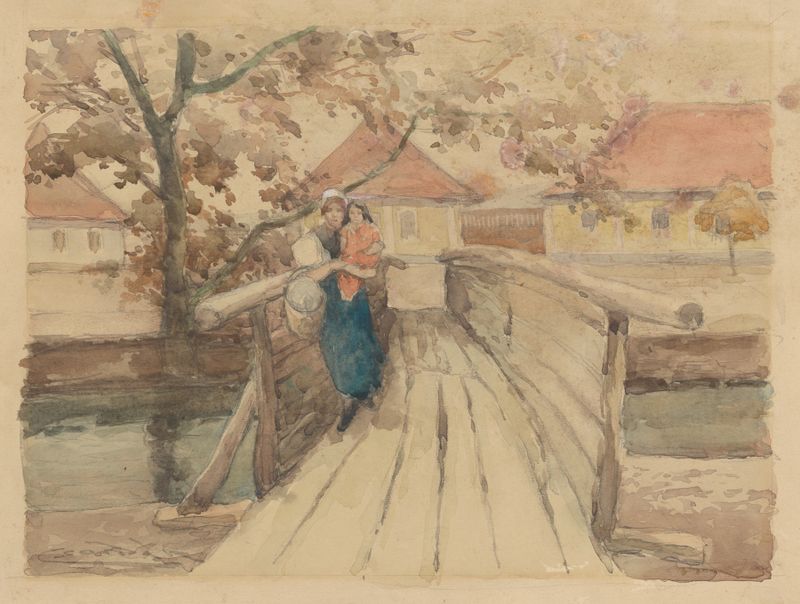
Wooden bridge
Ľudovít Čordák
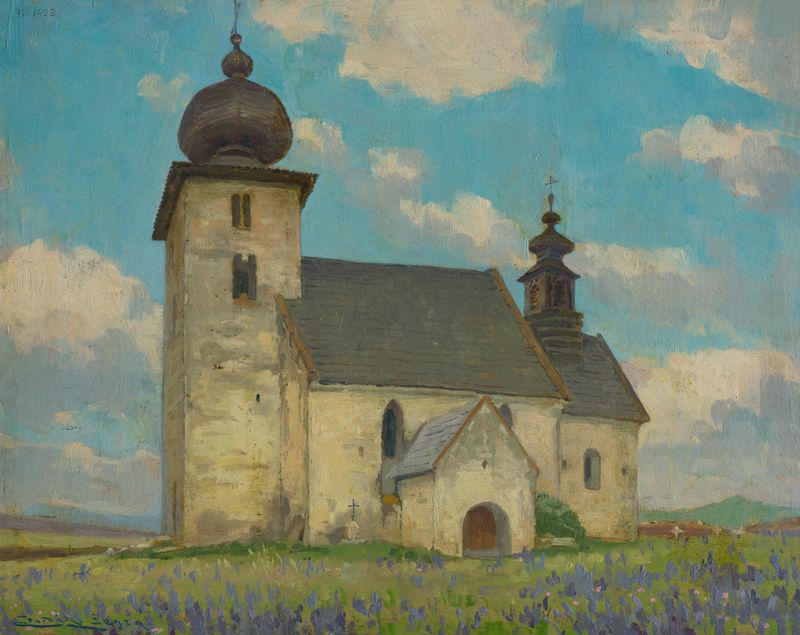
Gothic church in Žehra
Ľudovít Čordák
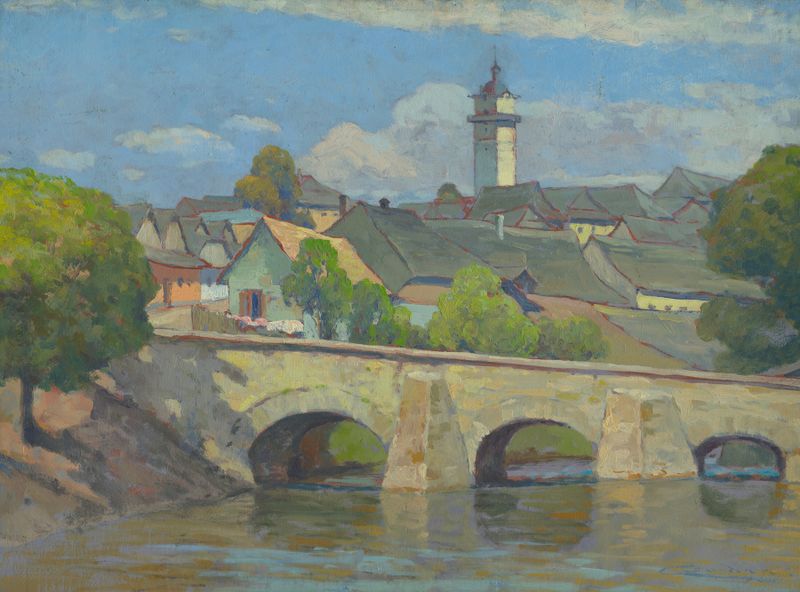
A small town in Spiš
Ľudovít Čordák
At Sunset
Ľudovít Čordák
Forest
Ľudovít Čordák





