
Rocky Island with Ribbon Banner in the Middle of a Lake — History & Facts
No one can say for certain what message once fluttered across the mysterious ribbon banner at the heart of Rocky Island with Ribbon Banner in the Middle of a Lake, for the inscription—if there ever was one—has faded or perhaps was never painted at all. This enigma has fueled decades of speculation among admirers of Gustave Van de Woestijne, who was known for weaving symbols and riddles into his landscapes. The painting’s isolated motif has been linked by some to the artist’s fascination with allegory and the hidden language of signs, a theme that recurs throughout his work.
Others have wondered if the banner once bore a motto, a dedication, or a fragment of poetry, now lost to time. The absence of any written clue is as deliberate as it is tantalizing. The viewer is drawn into a silent drama: a solitary rocky island, craggy and improbable, rises from the still waters of a lake. At its summit, a ribbon banner twists in the wind, its blankness as present as any inscription.
The cool, muted palette and the gentle modeling of light across stone and water lend the scene a sense of quiet suspension. In the tradition of Symbolism, to which Van de Woestijne was closely linked, every element invites interpretation—the island as a refuge or exile, the banner as a message withheld. Unlike Arnold Böcklin’s Isle of the Dead, which offers a narrative of passage and mourning, Rocky Island with Ribbon Banner in the Middle of a Lake withholds its story, inviting the viewer to supply their own. The origins and early history of this painting remain obscure, as neither a commission nor an original exhibition date has been documented.
It is generally placed among Van de Woestijne’s mature works, likely created during his years in Flanders when his style turned inward and contemplative. The painting’s journey through private collections is poorly recorded, and its medium—possibly oil on canvas, though some suggest tempera—has yet to be confirmed by technical analysis. Today, it stands as a testament to the artist’s fascination with ambiguity and the unseen, occupying a quiet but significant place in his oeuvre.
Its presence in the online gallery continues to provoke questions and inspire viewers, much as it did in Van de Woestijne’s own lifetime.
More Artworks by Gustave Van de Woestijne
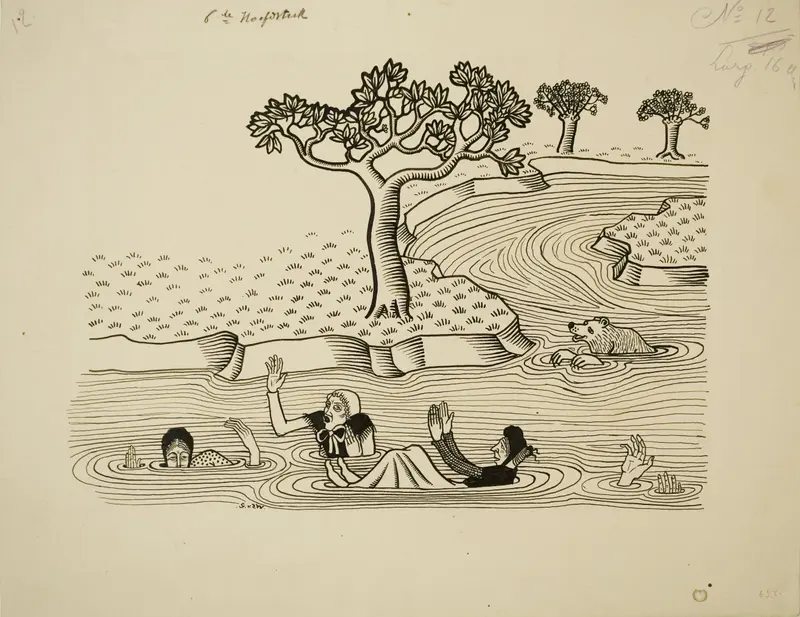
How Brown went out with Reynard where he thought he was eating honey and how he was caught by head and feet and suffered further misfortune
Gustave Van de Woestijne
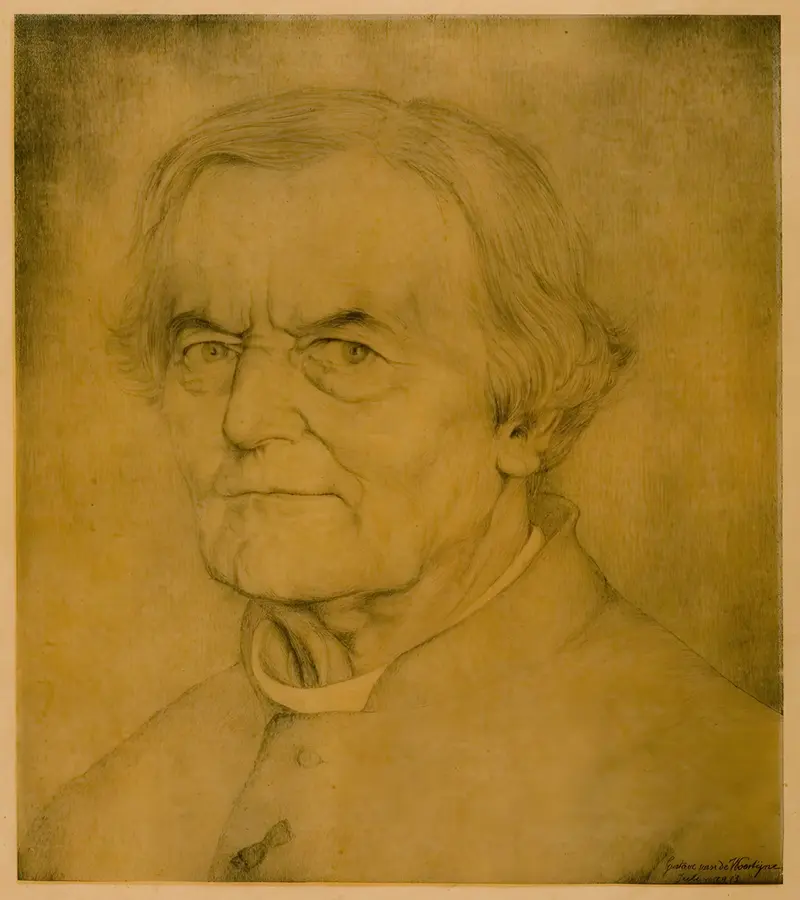
Portrait of Hugo Verriest
Gustave Van de Woestijne
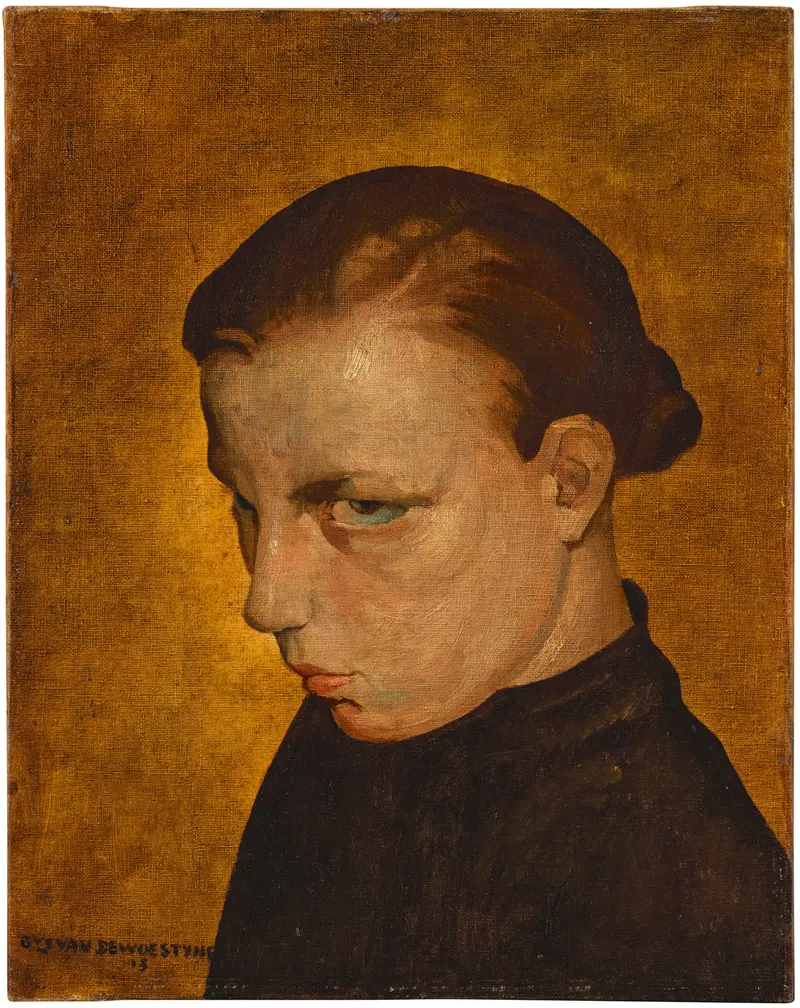
Angèle
Gustave Van de Woestijne
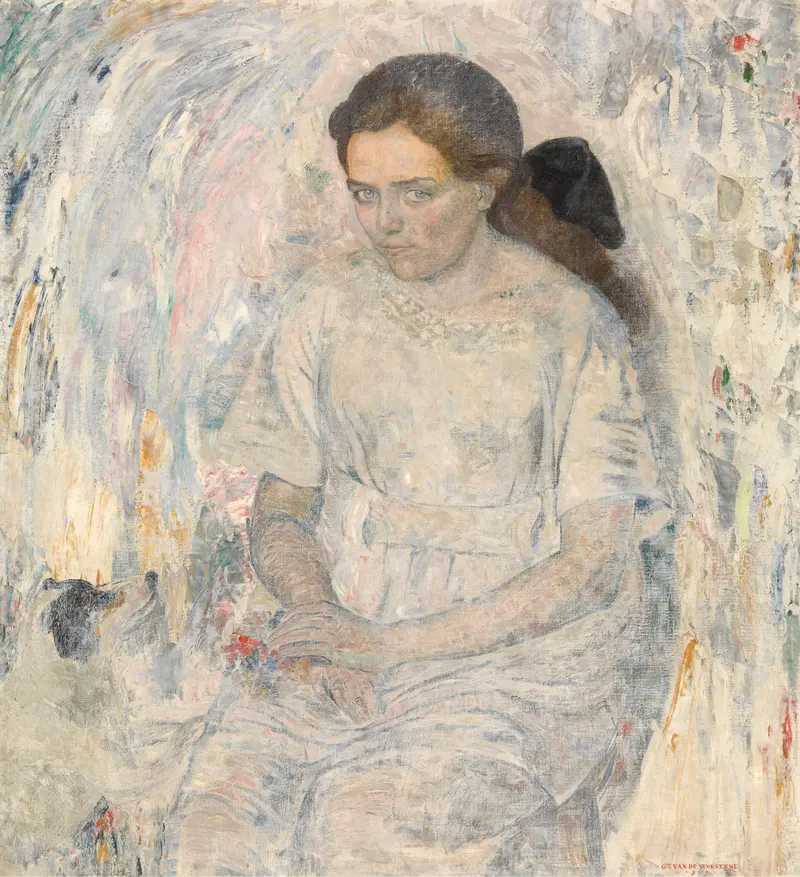
Adrienne
Gustave Van de Woestijne
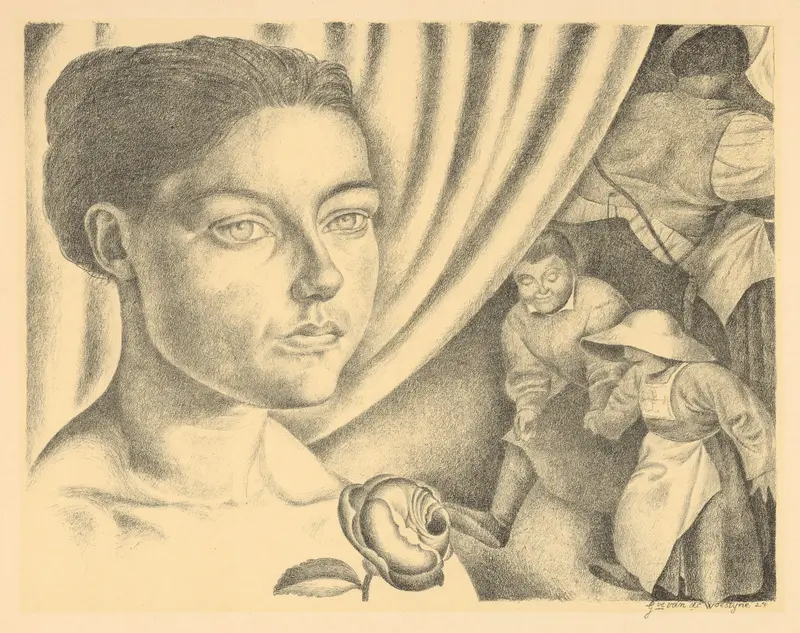
Jeune Femme
Gustave Van de Woestijne
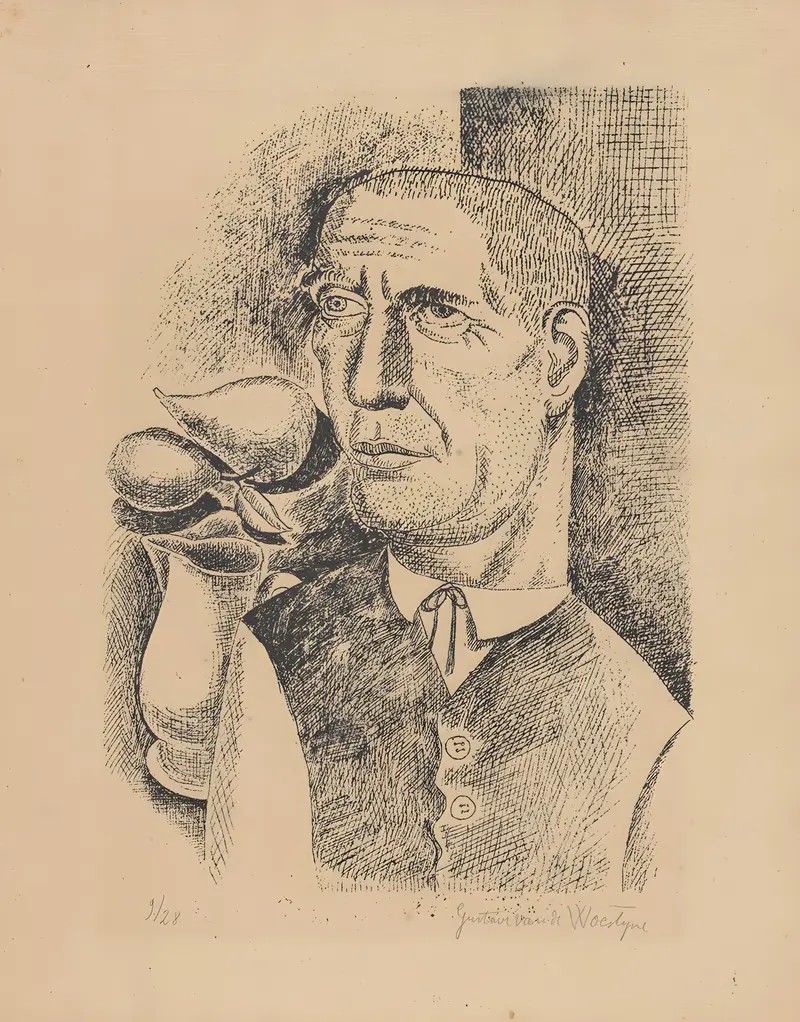
Boer op zijn zondags (Paysan endimanché)
Gustave Van de Woestijne
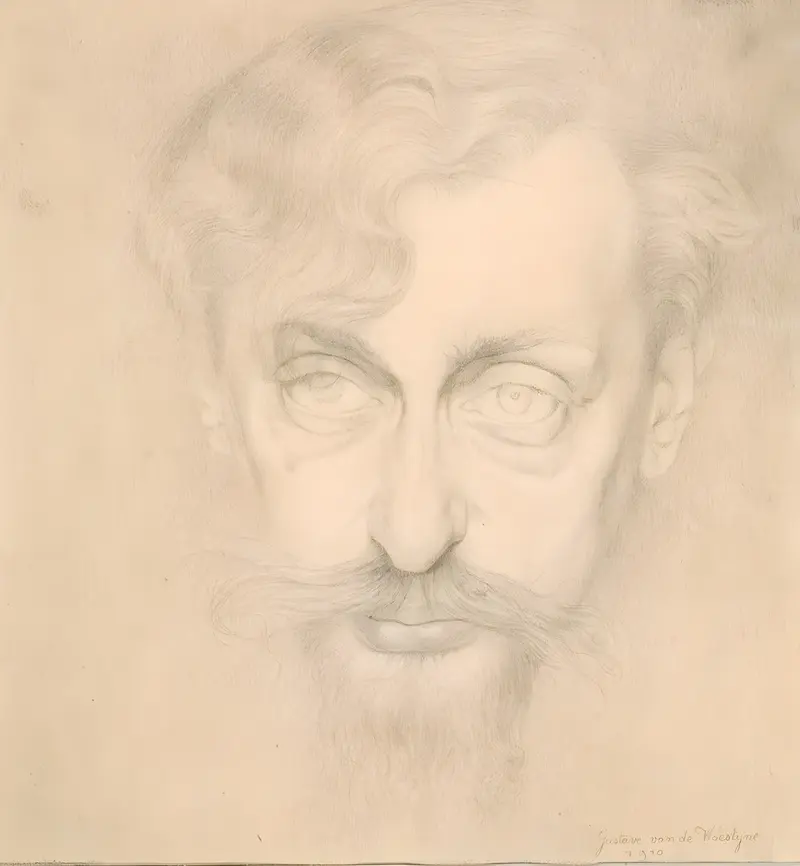
Portrait of the Writer Karel van de Woestijne
Gustave Van de Woestijne
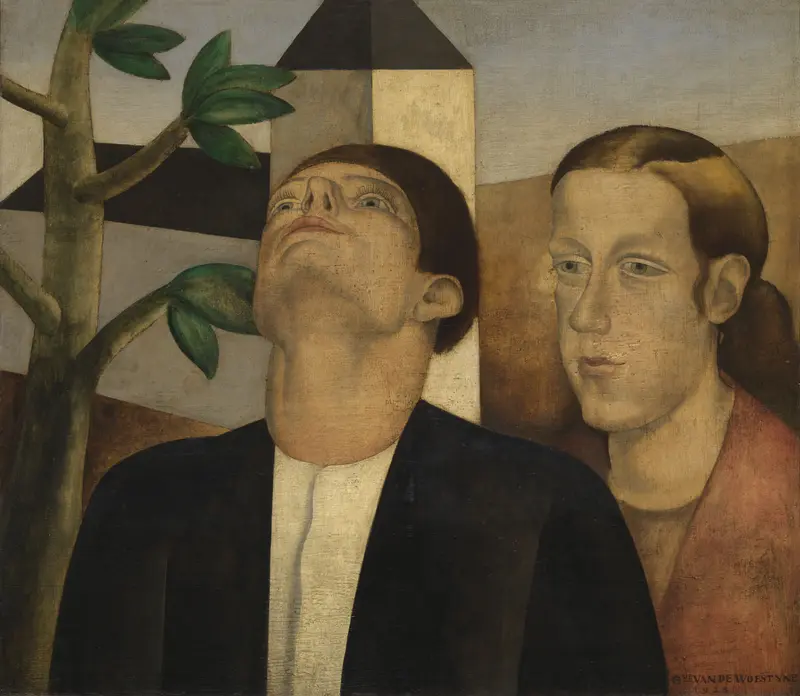
Azure
Gustave Van de Woestijne
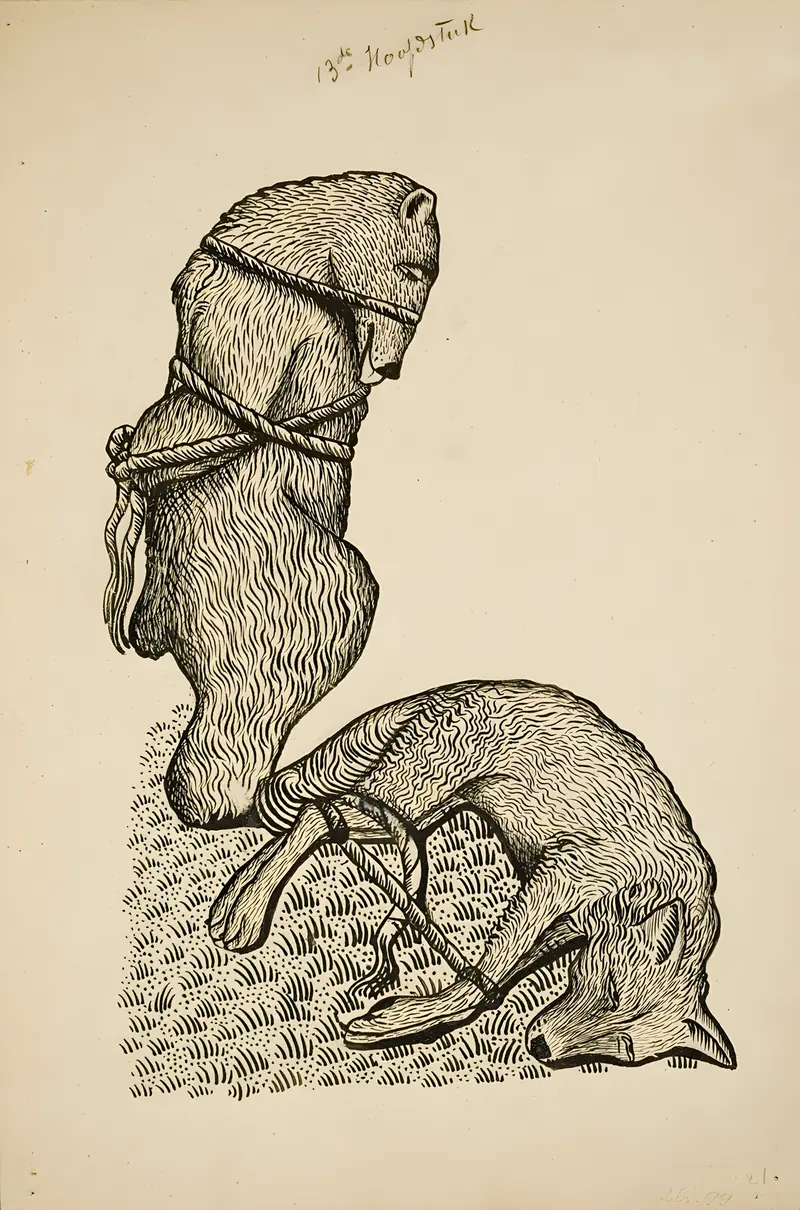
How Reinaert devises a new trick to get free and exterminate his enemies
Gustave Van de Woestijne
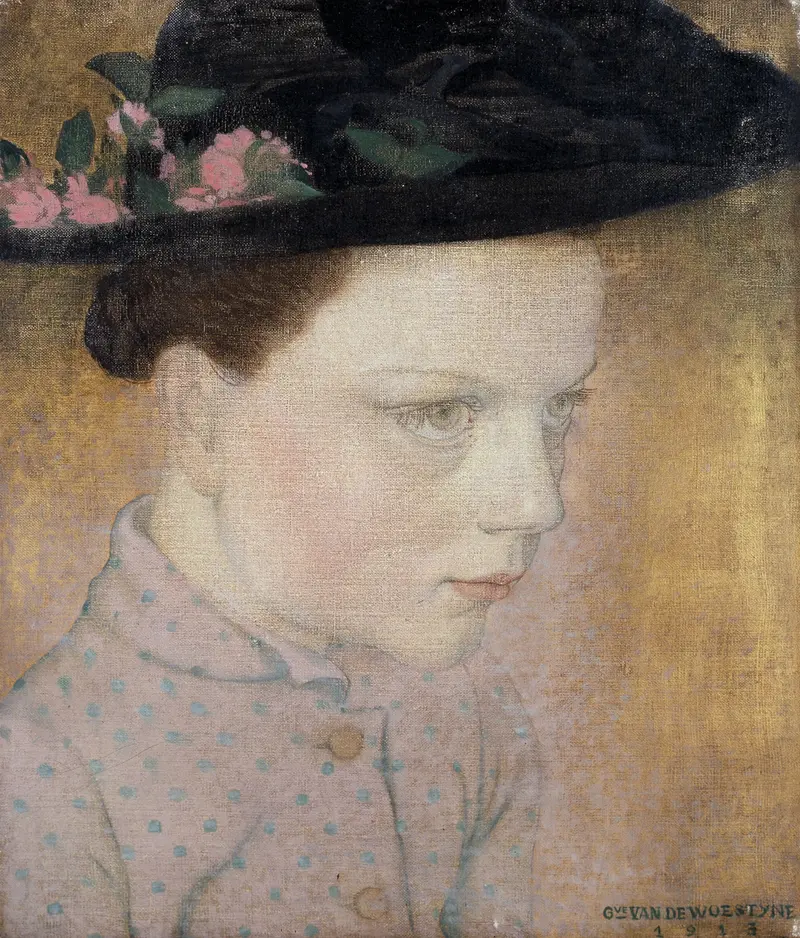
Country Girl
Gustave Van de Woestijne
More Landscape Art

The Starry Night
Vincent van Gogh

View of Delft
Johannes Vermeer

Water Lilies
Claude Monet

The Grand Canal, Venice, looking north-west from the Ca' Corner to the Ca' Contarini degli Scrigni, with the campanile of Santa Maria della Carità
Canaletto

Windsor Castle
Canaletto

The Grand Canal looking North-East from the Palazzo Dolfin-Manin to the Rialto Bridge
Canaletto