
Rocky landscape with a hunting centaur — History & Facts
A single figure—half man, half horse—charges through the lower right of the scene, bow drawn, as if the wildness of the landscape itself has taken human form. The eye is drawn first to the twisted tree, its trunk bent by wind or time, anchoring the composition against a sweep of jagged rocks and distant blue mountains. The centaur’s dynamic pose, taut with intent, hints at a moment of pursuit or flight; the rocky terrain and sparse vegetation heighten the sense of danger and myth.
Light pools in warm golds across the foreground, while the background dissolves into cool, misty blues, creating a sense of vastness and ancient mystery. Every element seems to conspire to place the viewer at the edge of an untamed world, where legend might still roam. Painted around 1860 by Arnold Böcklin, this work belongs to a moment when artists across Europe turned to myth and nature to explore the boundaries of imagination. Böcklin, a Swiss painter known for his fascination with the fantastic and the primeval, often used such scenes to evoke lost eras and the power of untamed nature.
The painting now resides in the Klassik Stiftung Weimar, a collection that preserves traces of this Romantic longing for the wild and the mythic. History has kept few traces of this particular canvas’s early journey, but its spirit is unmistakably of its time—a world in which the ancient past and the raw forces of nature still held sway. Stand before it, and the centaur’s hunt becomes your own invitation to wander into the unknown.
More Artworks by Arnold Böcklin

Die Toteninsel III
Arnold Böcklin
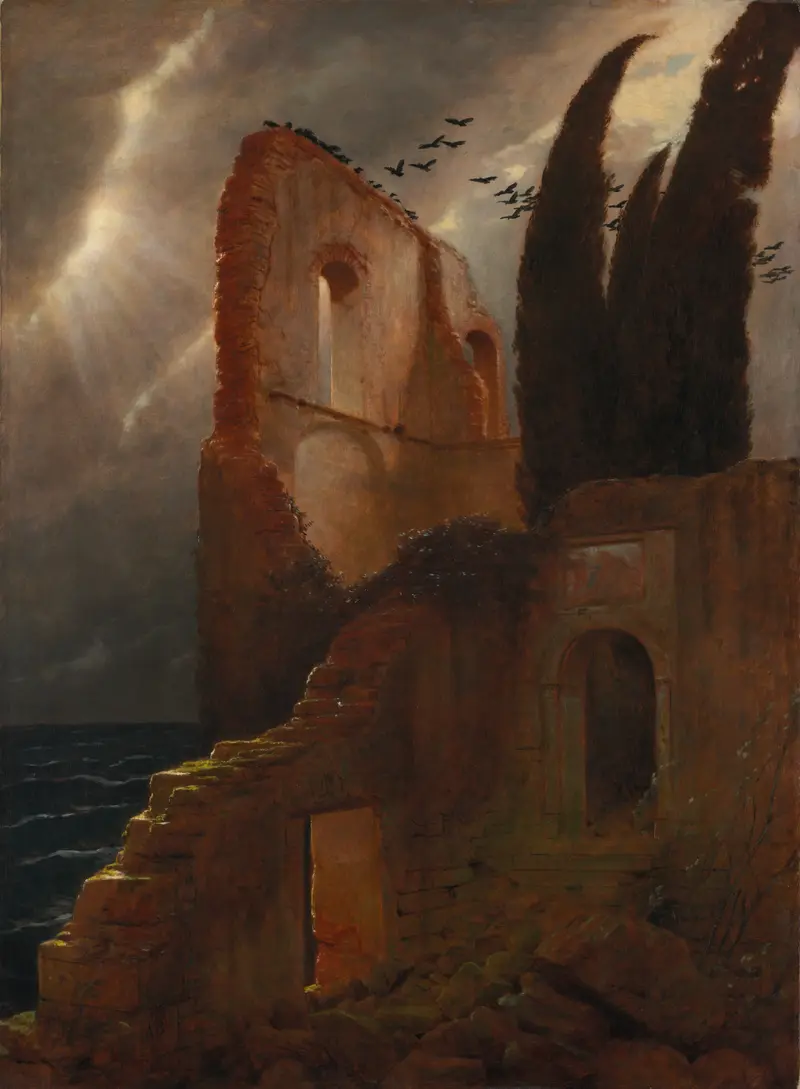
Ruin by the Sea
Arnold Böcklin
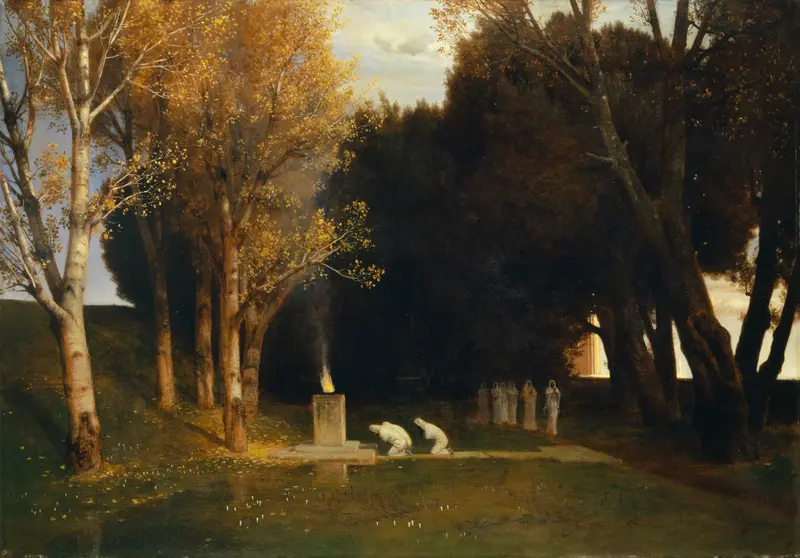
The Sacred Grove
Arnold Böcklin
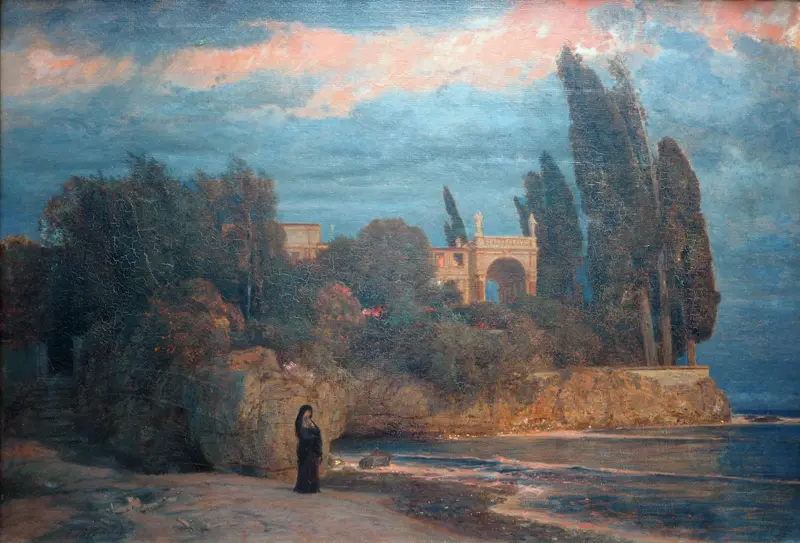
Villa by the Sea
Arnold Böcklin
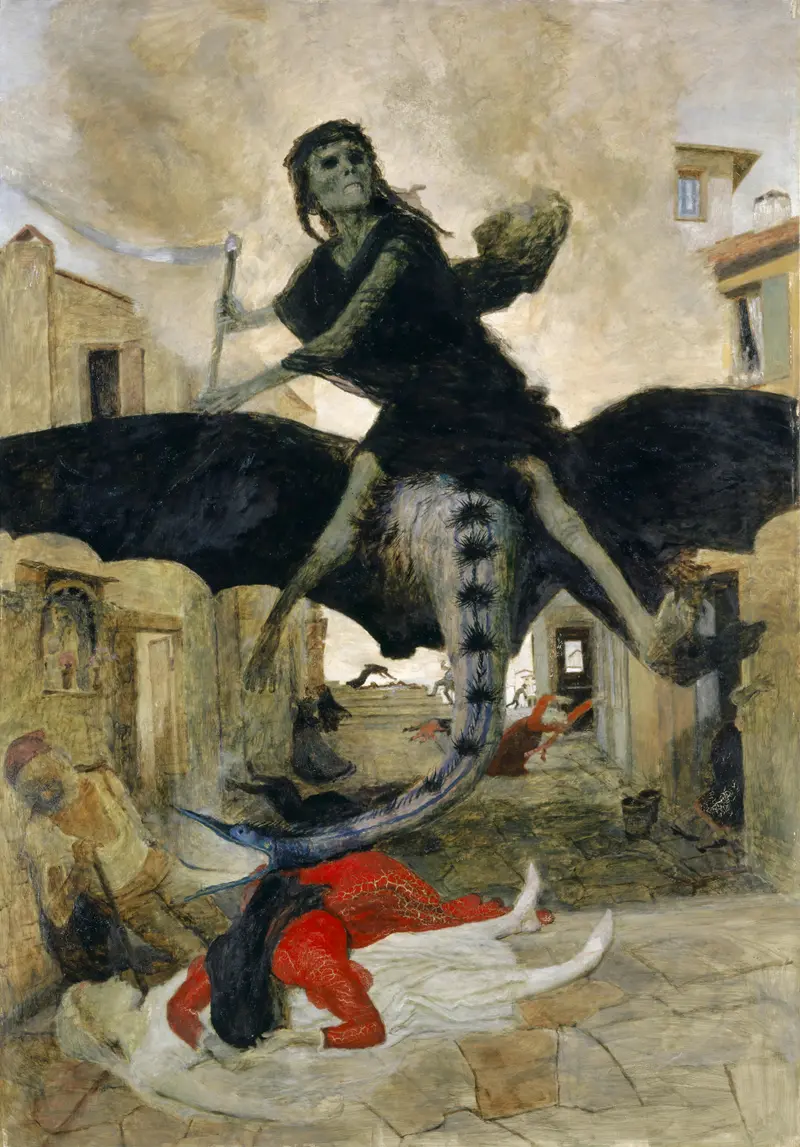
The Plague
Arnold Böcklin
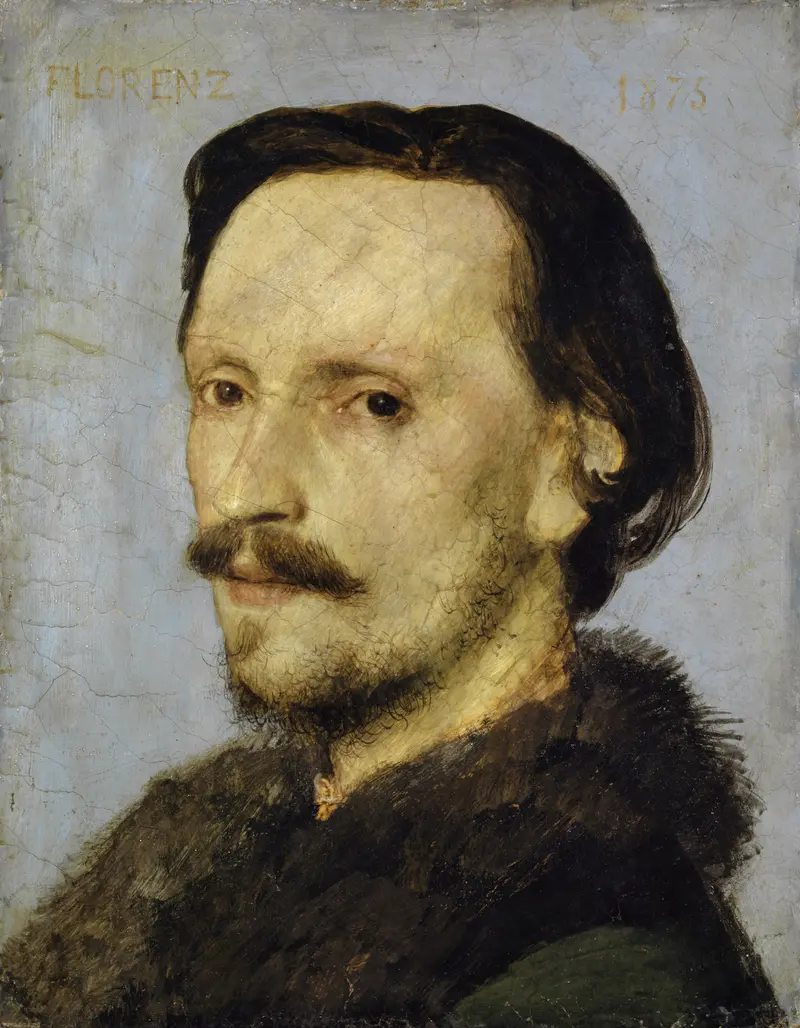
Böcklin Bildnis des Kunsthistorikers Adolph Bayersdorfer, 1875
Arnold Böcklin
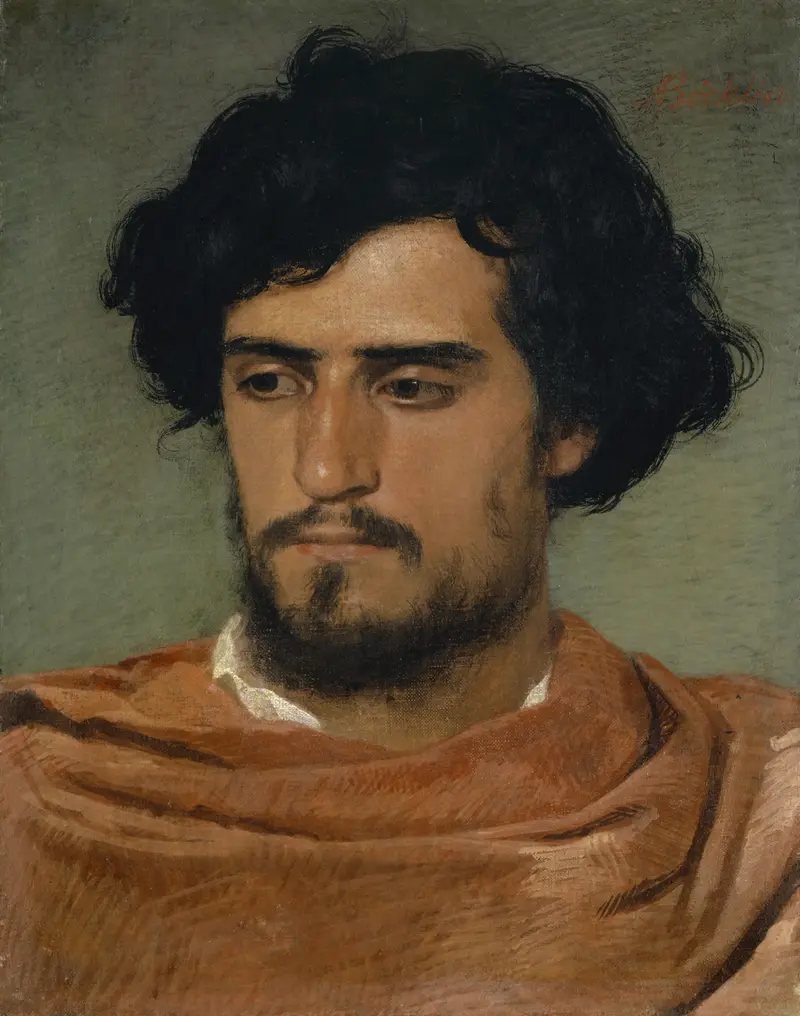
Head of a Roman
Arnold Böcklin
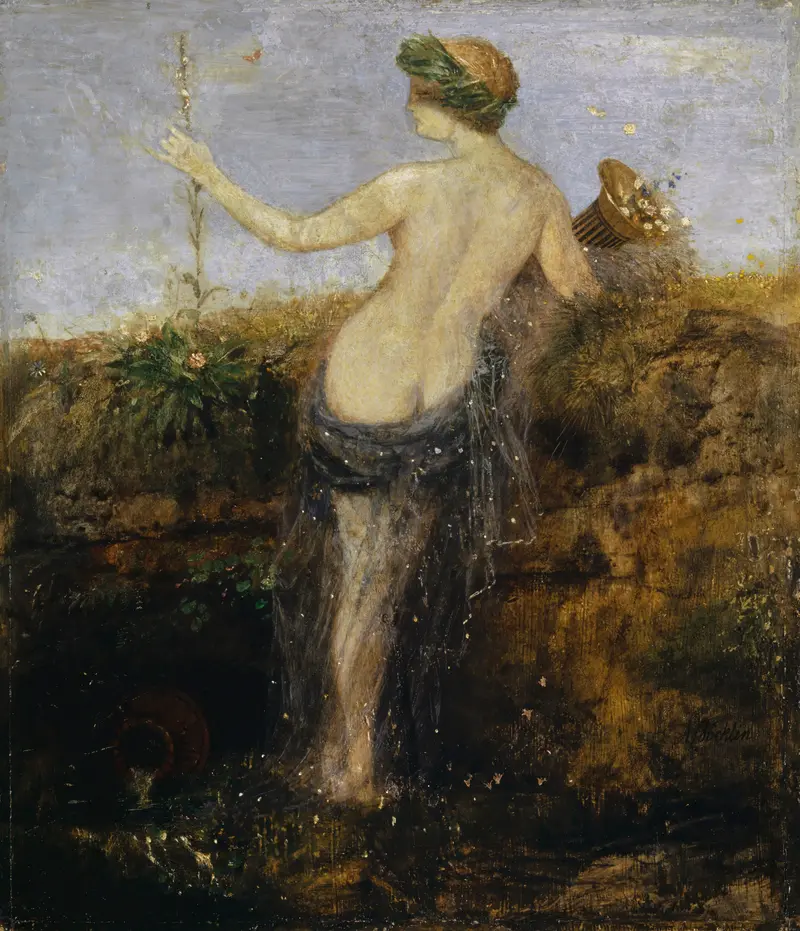
Nymphe with Horn of Plenty
Arnold Böcklin
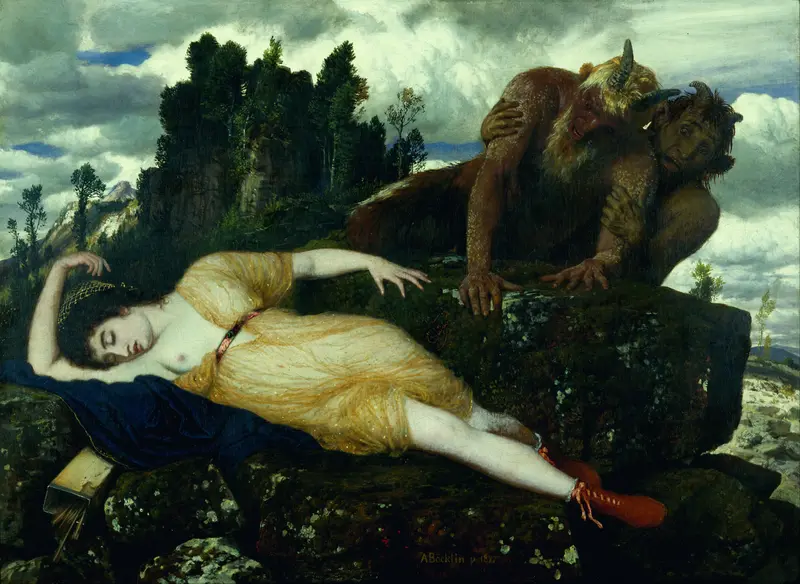
Sleeping Diana Watched by Two Fauns
Arnold Böcklin
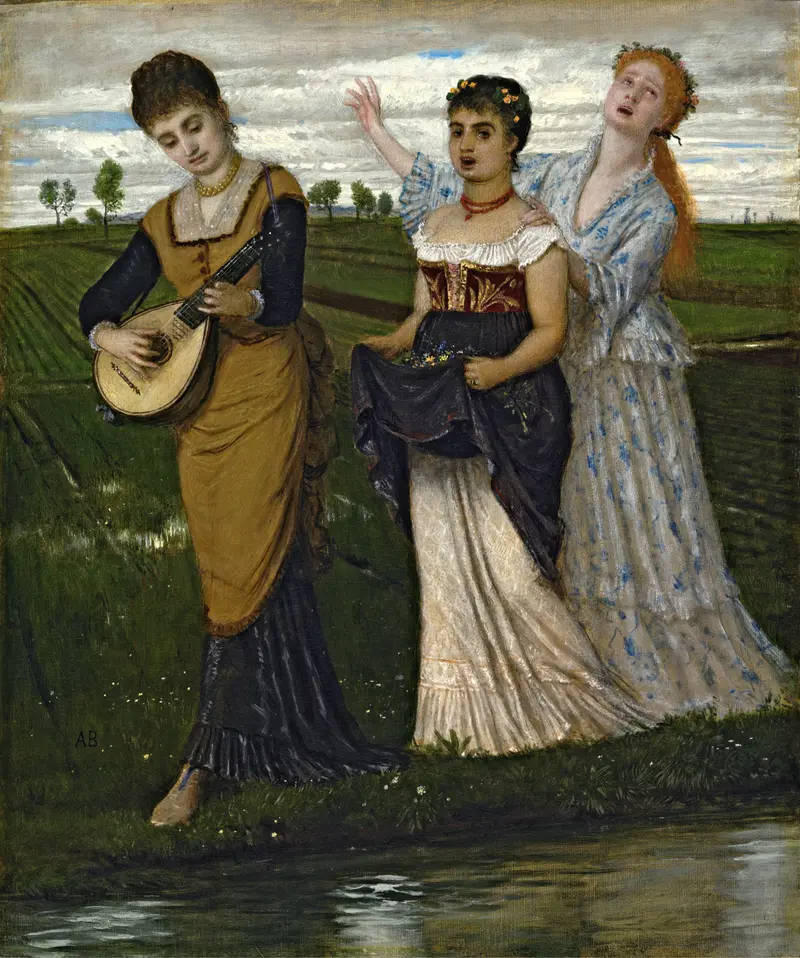
Spring (Songs of Spring)
Arnold Böcklin





