
Rocky Landscape with a Yellow Tree — History & Facts
In stillness, it holds the potential for transformation, a promise of renewal in every brushstroke. Each viewer is a witness to the unfolding story within, where the interplay of color and form invites introspection and connection. Look to the center of the canvas, where a brilliant yellow tree stands defiantly amid rugged, gray rocks. It is both a beacon of hope and a stark contrast to the surrounding landscape, which is rendered in muted greens and browns.
The artist employs thick impasto layers, giving texture to the tree's leaves that seem to shimmer in the light, while the roughness of the rocky terrain adds depth and weight. The composition draws the eye upward, as if urging us to transcend the harshness of reality. Hidden within this landscape lies a profound dialogue between resilience and struggle. The yellow tree symbolizes the potential for growth and recovery, a vibrant life persisting in an unforgiving environment.
These contrasts highlight the emotional landscape within — the tumult of the external world versus the inner strength that blossoms against adversity. The interplay of shadows and light creates a tension that resonates with the viewer, provoking thoughts about transformation in our own lives. In 1931, Zolo Palugyay created this work during a time of considerable change in the art world, as modernism began to influence traditional approaches. Living in Hungary, Palugyay was navigating the socio-political upheavals of the era while engaging with the broader European avant-garde movements.
His commitment to exploring natural landscapes reflects both a personal journey and a broader search for meaning amidst chaos.
More Artworks by Zolo Palugyay
Browse all →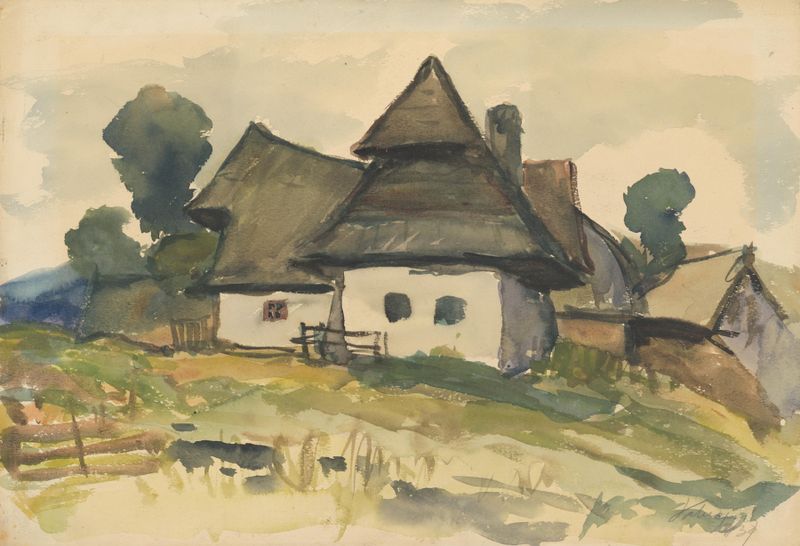
Dedinský motív
Zolo Palugyay
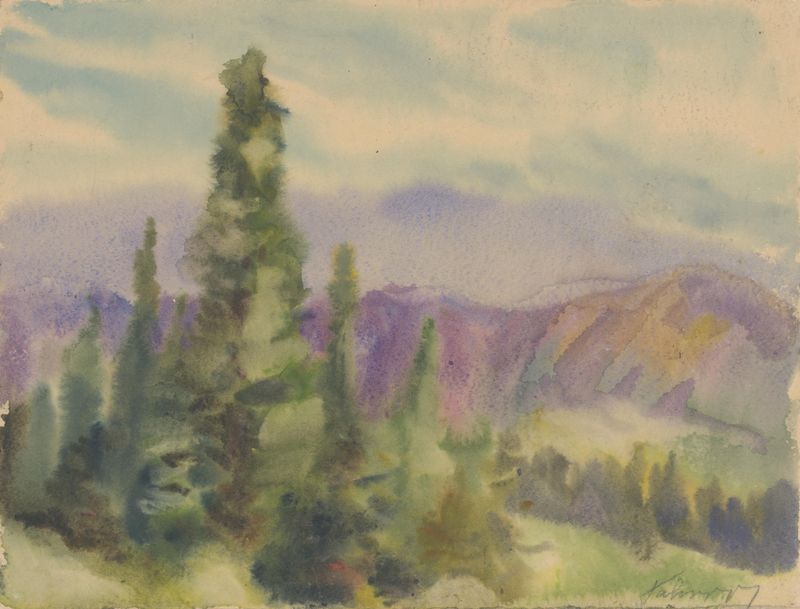
Motif from Liptov Mountains
Zolo Palugyay
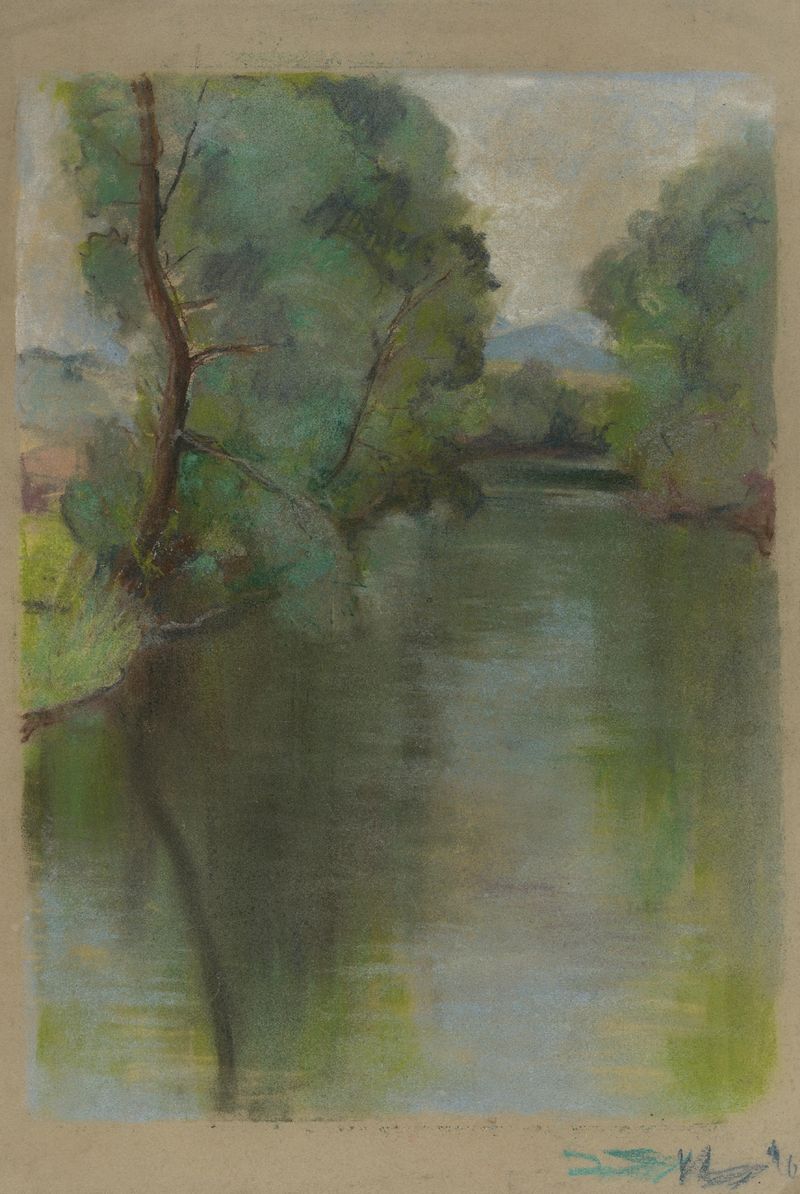
Silent River
Zolo Palugyay
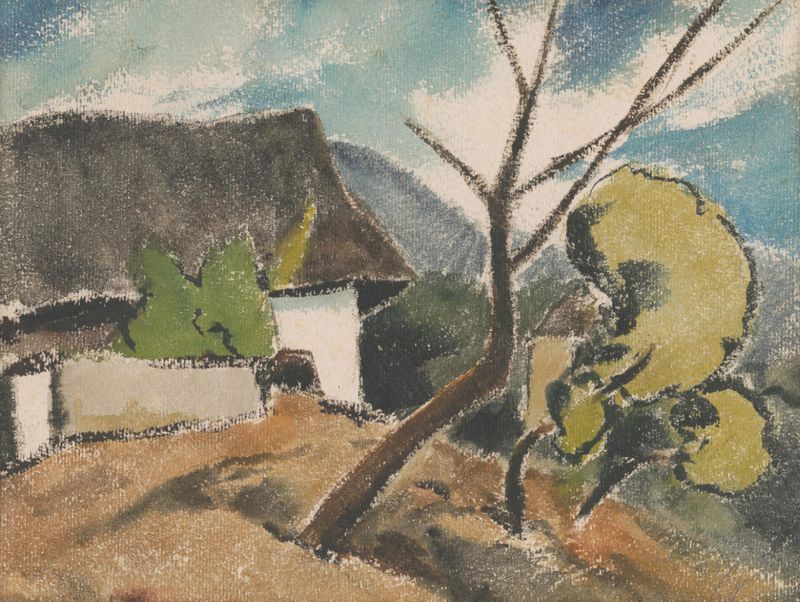
Oravská chalupa
Zolo Palugyay
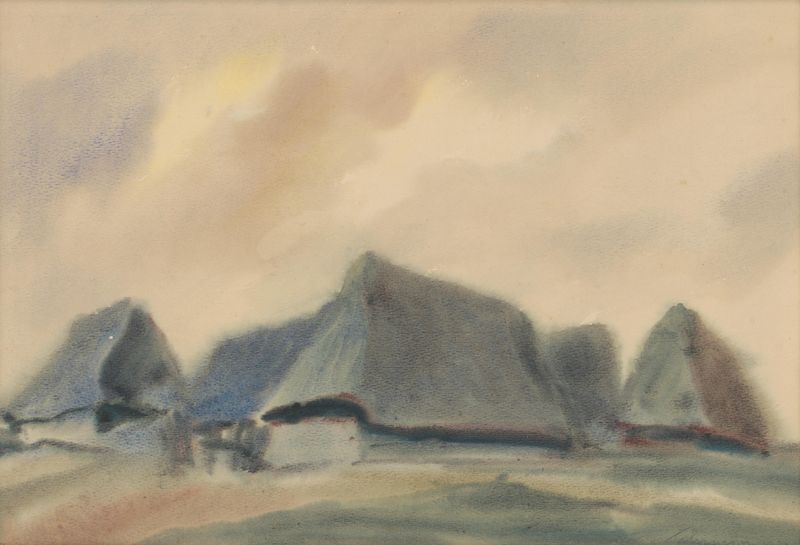
Modré chalupy
Zolo Palugyay
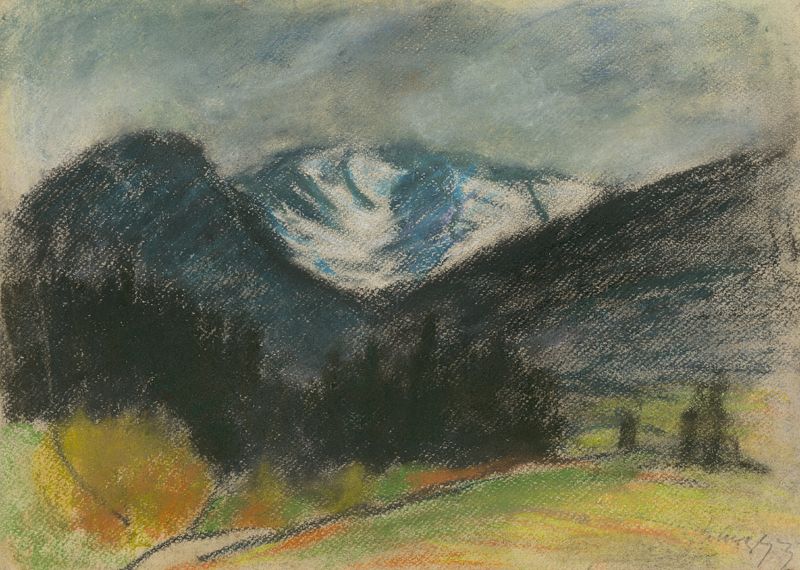
Mountain Landscape with Snowy Peaks
Zolo Palugyay
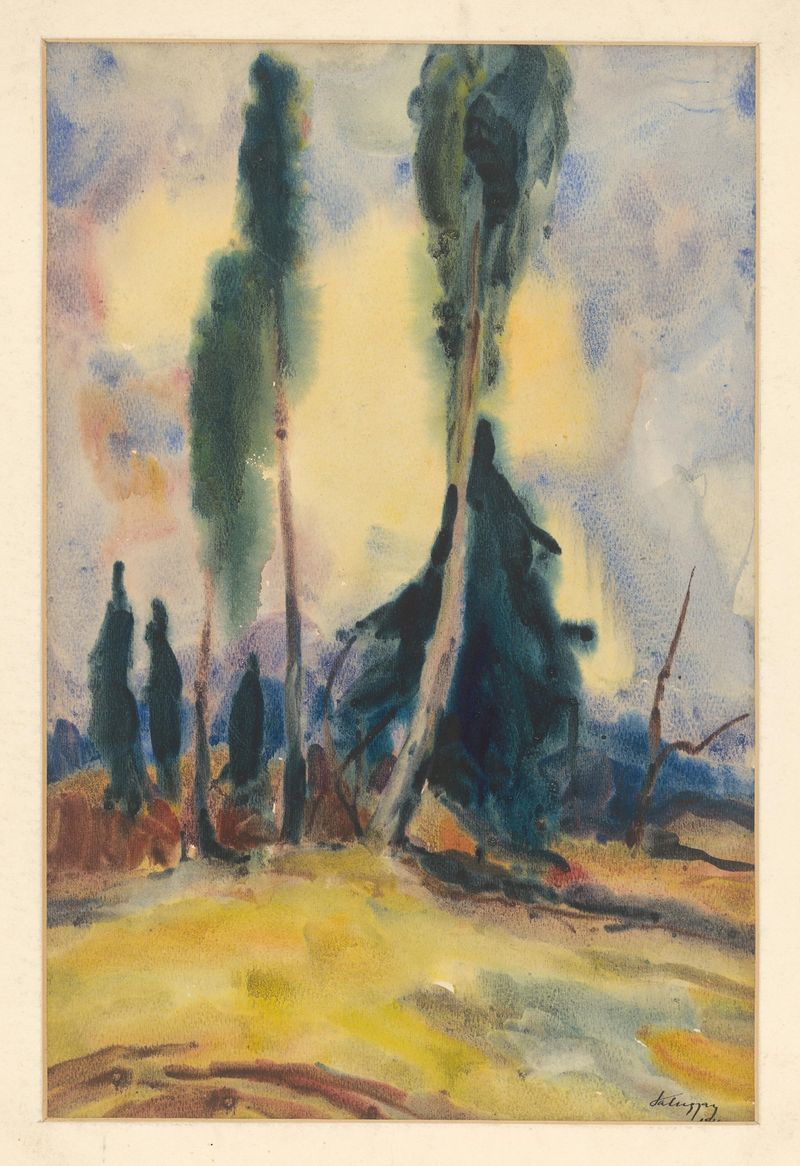
Three Trees on a Plain
Zolo Palugyay
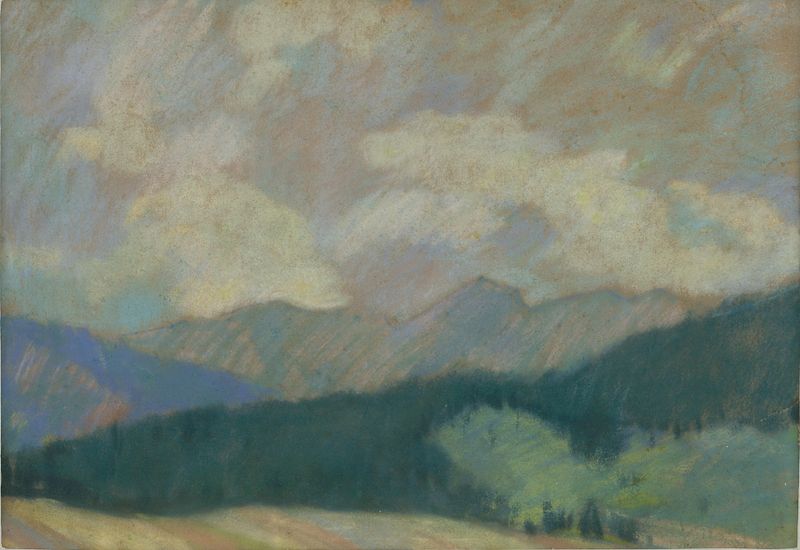
Horská krajina
Zolo Palugyay
Tatra Landscape
Zolo Palugyay
Spring Landscape
Zolo Palugyay





