
Roman Fish Market. Arch of Octavius — History & Facts
What draws the eye first is the cool, slanting light slicing through the ancient brick arch, catching on the white kerchiefs of the fishmongers and the glinting scales of their catch. This is a world built from contrasts: the rough, sun-warmed stones and the deep, crowded shadows; the bustle of commerce and the languor of the figures sprawled on the cobbles. At the market’s heart, a woman sits serenely among baskets and fish, her calm presence anchoring the scene amid the swirl of buyers, sellers, and stray animals.
Every detail works in concert—the tangle of nets, the posters peeling from the walls, the laundry strung high above—to conjure the noise, the smells, and the daily negotiations of a Roman street. Bierstadt’s eye for drama is in the lighting, which both divides and unites the scene, pulling the viewer deeper under the arch and into the city’s pulse. Painted in 1858, this work belongs to a moment when artists, especially those traveling from America or Northern Europe, were entranced by the picturesque realities of southern Europe. Such market scenes were prized by collectors eager for glimpses of “authentic” local life, and artists like Albert Bierstadt—better known for his sweeping American landscapes—turned their skills to the textures and stories of the Old World.
The genre thrived on contrasts: modernity pressing against tradition, the monumental permanence of Roman ruins against the fleeting bustle of daily trade. History has kept few traces of this particular painting’s journey, but its presence in a digital collection today lets us step into a vanished street and measure its rhythms for ourselves. Look again at the faces in the crowd, and imagine the conversations echoing under that arch.
More Artworks by Albert Bierstadt

A Storm in the Rocky Mountains, Mt. Rosalie
Albert Bierstadt
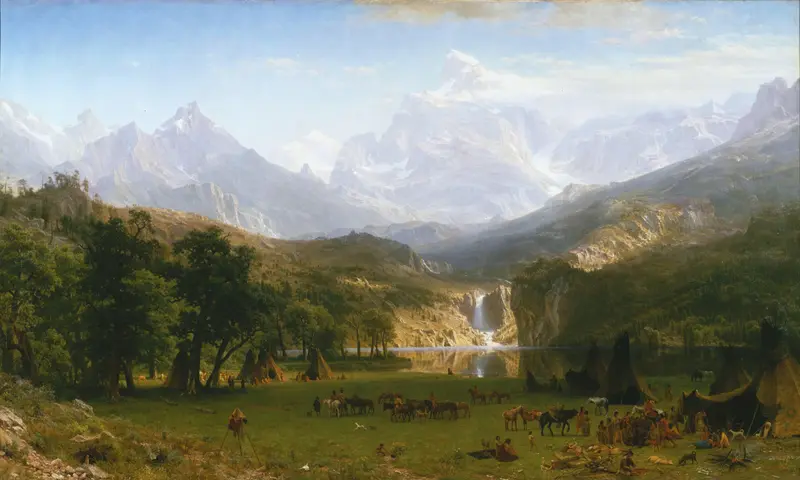
The Rocky Mountains, Lander's Peak
Albert Bierstadt
Niagara from the American Side
Albert Bierstadt
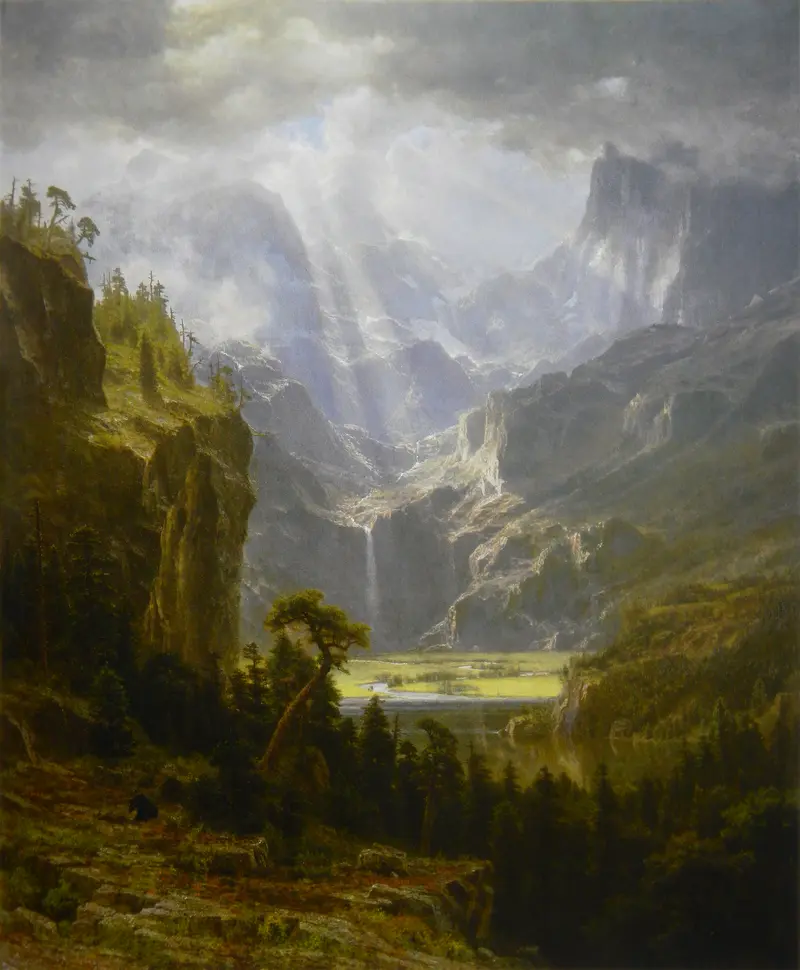
Rocky Mountains, Lander’s Peak
Albert Bierstadt

Valley of the Yosemite
Albert Bierstadt
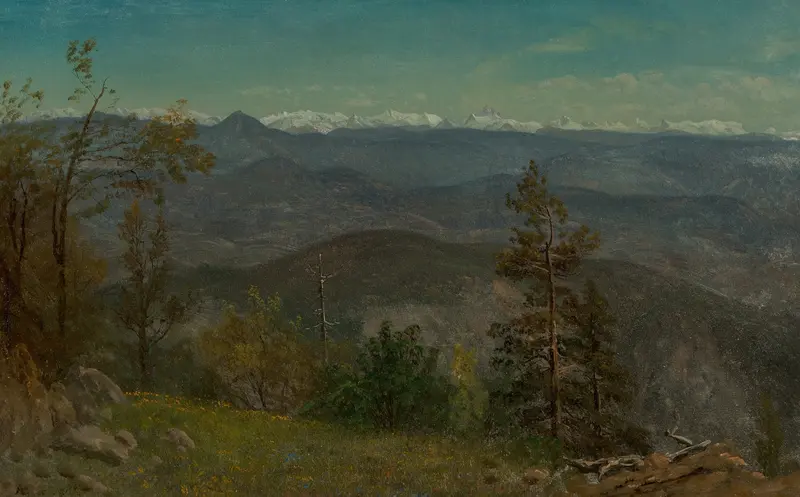
Yosemite Valley, California
Albert Bierstadt
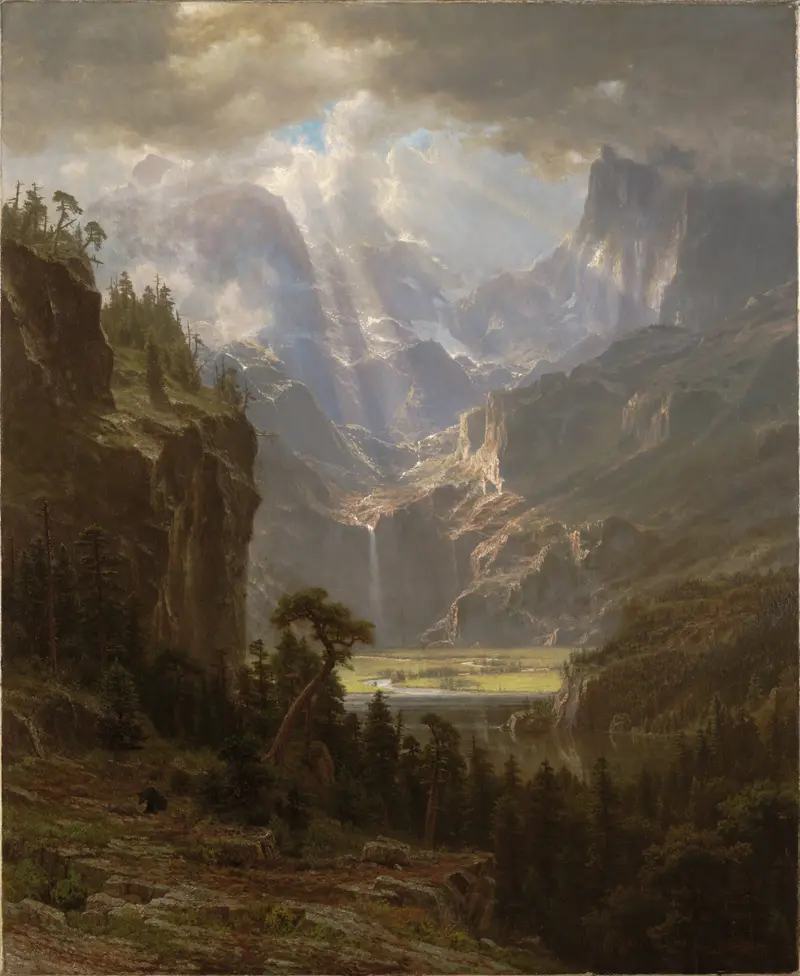
Rocky Mountains, "Lander's Peak"
Albert Bierstadt

Laramie Peak
Albert Bierstadt
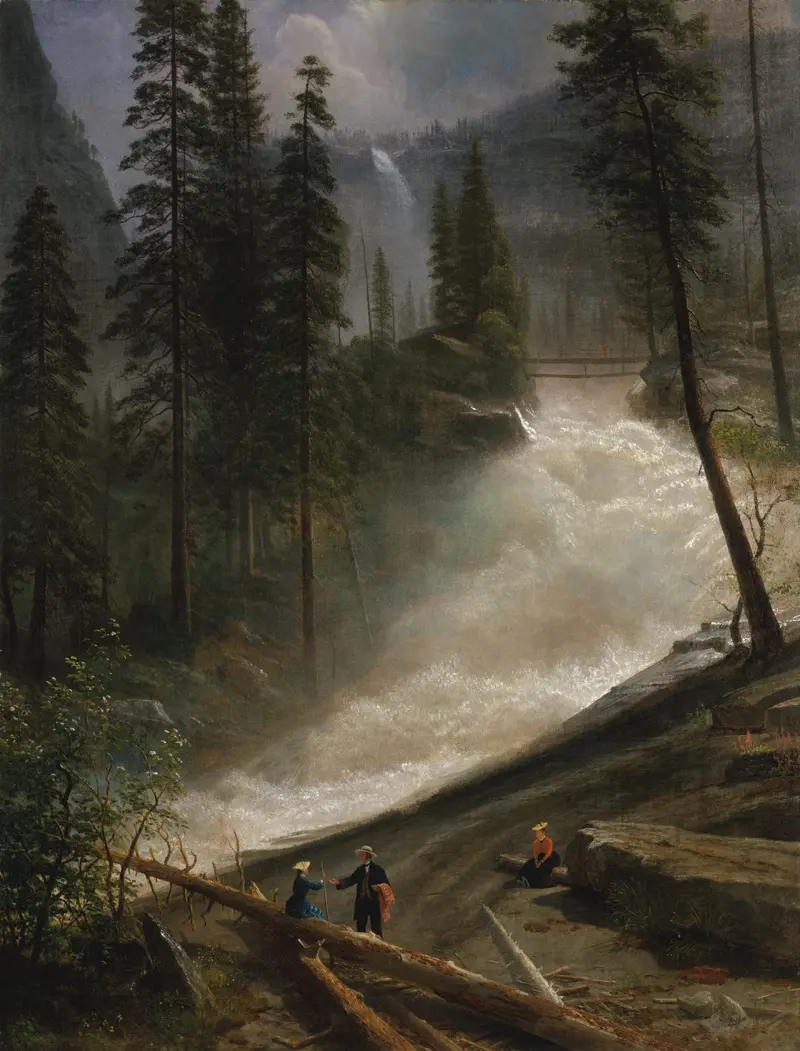
Nevada Falls, Yosemite
Albert Bierstadt
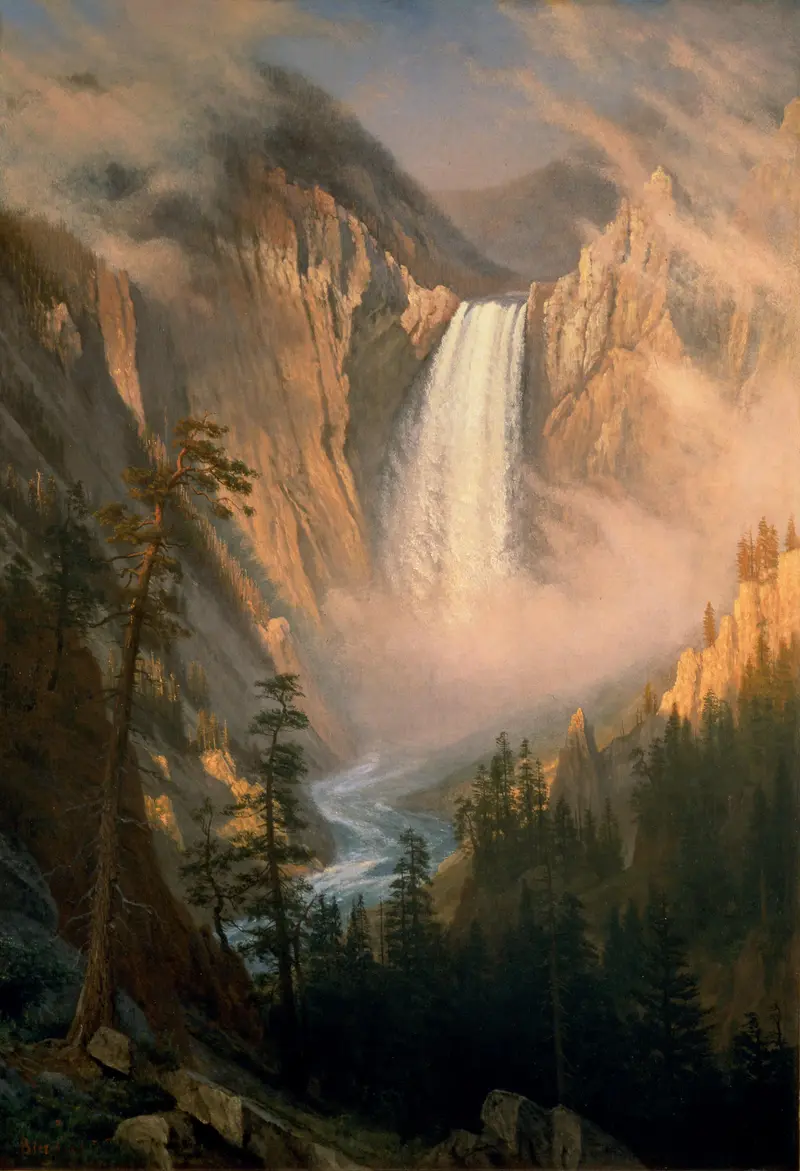
Yellowstone Falls
Albert Bierstadt
More Genre Scene Art

Banquet of the Officers of the St George Civic Guard
Frans Hals

Rembrandt and Saskia in the Scene of the Prodigal Son
Rembrandt van Rijn

Bal du moulin de la Galette
Pierre-Auguste Renoir

Quadrille at the Moulin Rouge
Henri de Toulouse-Lautrec

A Burial at Ornans
Gustave Courbet

When Will You Marry?
Paul Gauguin