
Romantic Landscape with Distant Mountains — History & Facts
When did color learn to lie? In the delicate hues of a tranquil dawn, hope unfurls like the petals of a flower, casting shadows that dance between reality and reverie. Look to the center, where soft pastels mingle in the sky, as if the very air vibrates with promise. The mountains in the distance, rendered with gentle strokes, blend seamlessly into a dreamy horizon. Notice how the light falls upon the foreground, illuminating the lush greenery and inviting the viewer to step into this serene landscape.
The composition breathes a sense of spaciousness—a balance of calm and distance that stirs the soul. Yet, beneath the tranquil exterior, emotional tensions pulse like hidden currents. The vibrant colors seem to whisper secrets of yearning and nostalgia, inviting contemplation on the passage of time. The juxtaposition of light and shadow suggests the duality of hope—the longing for what lies ahead and the acceptance of what has been left behind.
Each brushstroke hints at a narrative, where the mountains symbolize both aspiration and the barriers that life imposes. In 1842, the artist painted this work in England during a period of rapid industrial change, when romanticism was giving way to realism. Varley, a prominent figure in the British watercolor movement, found solace in the natural world, capturing its beauty while reflecting on the transformative shifts in society. This painting, rich with symbolism, speaks to the enduring human spirit amidst a landscape that balances longing and tranquility.
More Artworks by John Varley
Browse all →
Knaresborough on the River Nidd, Yorkshire
John Varley

Kirkstall Abbey near Leeds
John Varley

Bamborough Castle from the Northeast, with Holy Island in the Distance, Northumberland
John Varley
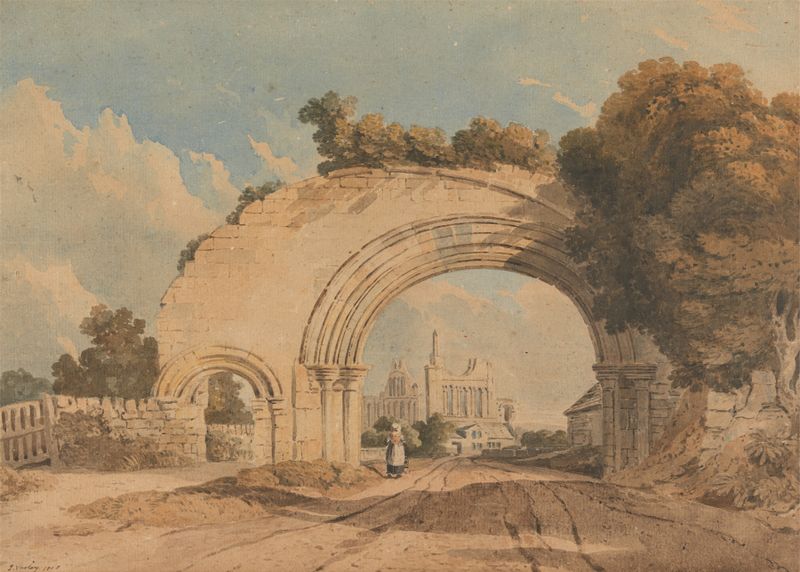
Byland Abbey, Yorkshire
John Varley

View of Conwy Castle, North Wales
John Varley
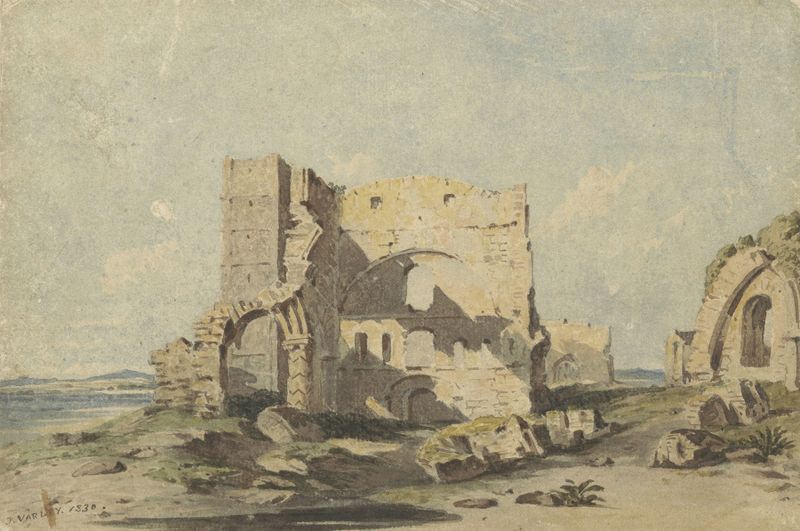
Lindisfarne Abbey op Holy Island, Northumberland
John Varley
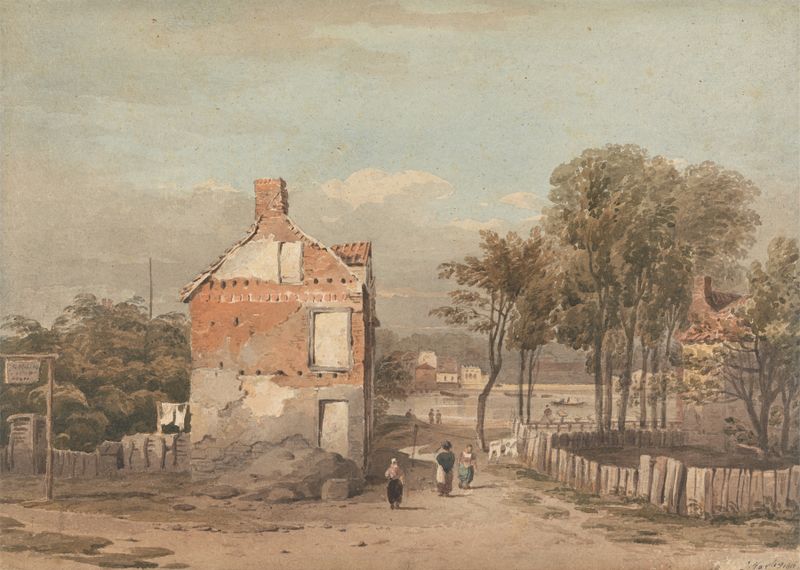
The Thames Near the Penitentiary, Millbank, London
John Varley

Vale of Clwyd, Wales
John Varley

A View along the Thames towards Chelsea Old Church
John Varley

The Thames at Windsor
John Varley





