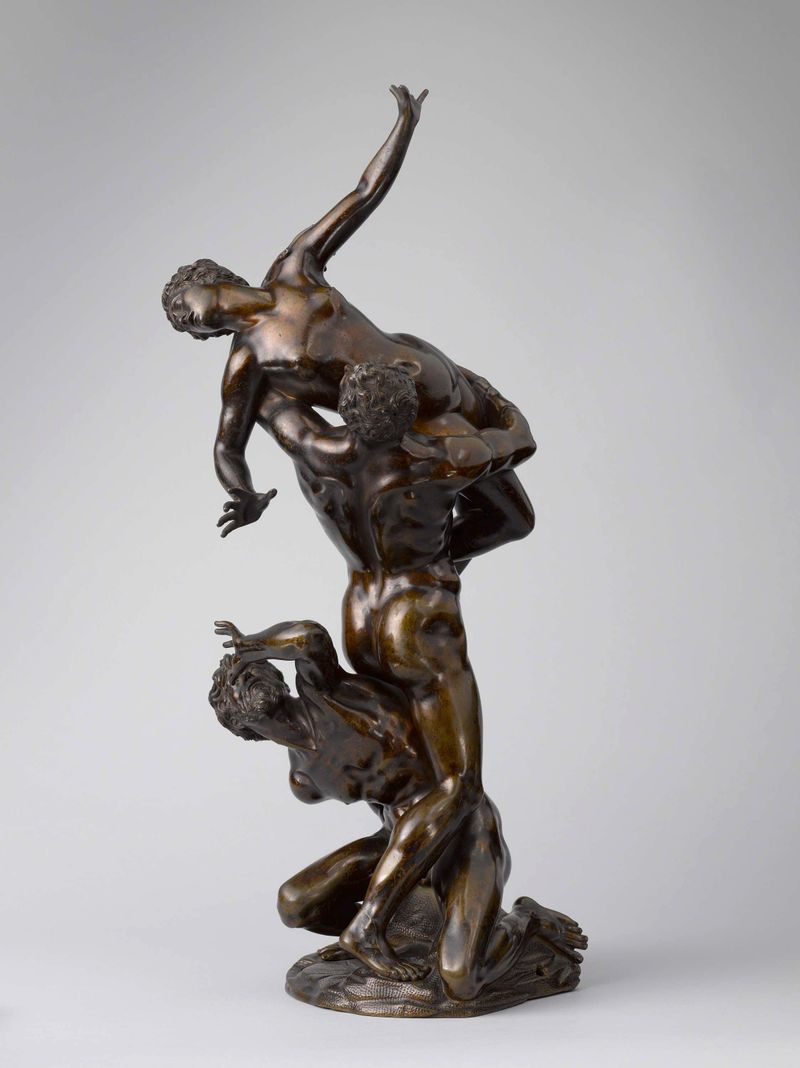
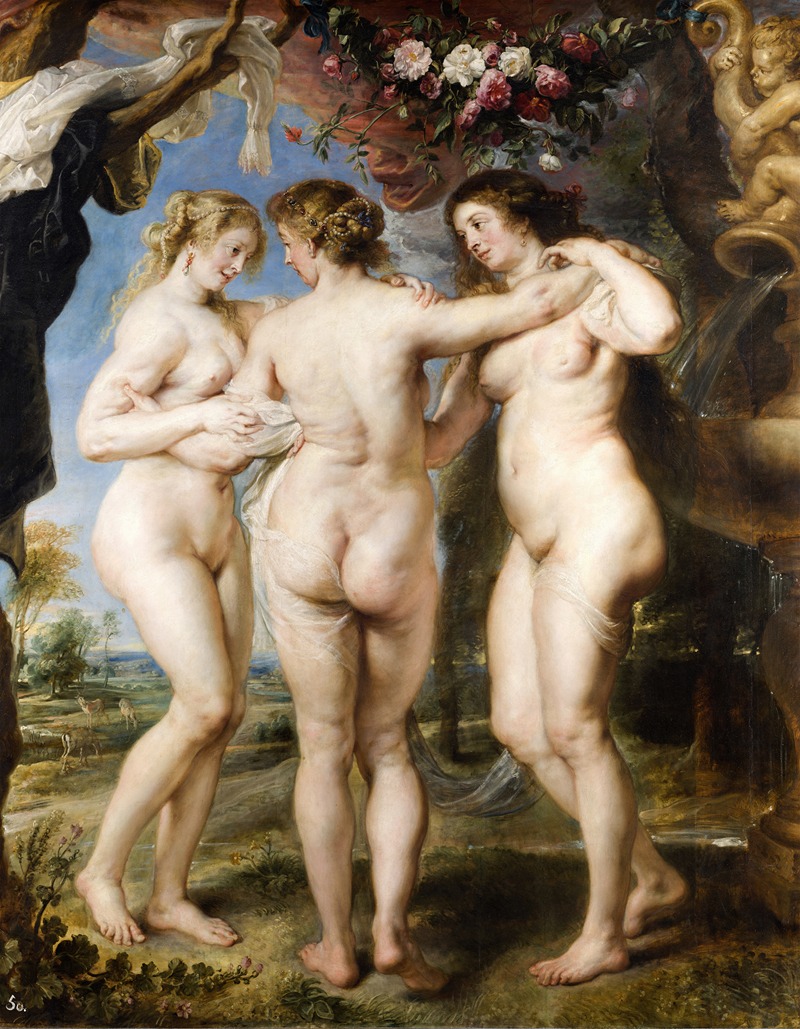
Roof van Proserpina — History & Facts
Did the painter know this moment would outlive them? In Roof van Proserpina, serenity breathes through the intricate details, inviting viewers to contemplate the quiet strength of nature and mythology. Focus on the gentle curves of the foliage that embrace the figure at the center of the composition. Look closely at the subtle play of light that dances across Proserpina’s serene expression, illuminated as if by a soft, ethereal glow. Dürer’s meticulous attention to the minutiae – from the delicate texture of the leaves to the graceful drapery of her garment – draws one in, creating a harmonious balance between the human form and the bountiful earth. The contrast between the vibrant greens of the foliage and the soft skin tones enhances the sense of peace, yet an underlying tension simmers between the environment and its divine inhabitant.
The presence of Proserpina, an embodiment of spring and rebirth, serves as a reminder of the cyclical nature of life, while the labyrinth of leaves suggests both protection and confinement, hinting at her dual existence between the worlds of nature and the underworld. Each detail whispers of the intricate relationships that bind humanity to the cycles of life and death. Dürer painted Roof van Proserpina in 1516 during a period marked by both personal and artistic evolution. Having returned to Nuremberg after extensive travels in Italy, he was deeply influenced by the Renaissance ideals of beauty and proportion.
This work reflects his mastery in merging northern European realism with classical themes, a pursuit that placed him at the forefront of the Northern Renaissance, allowing him to explore the depths of human emotion through the lens of nature and mythology.
More Artworks by Albrecht Dürer
Browse all →
Melancholia
Albrecht Dürer
Melancholie
Albrecht Dürer
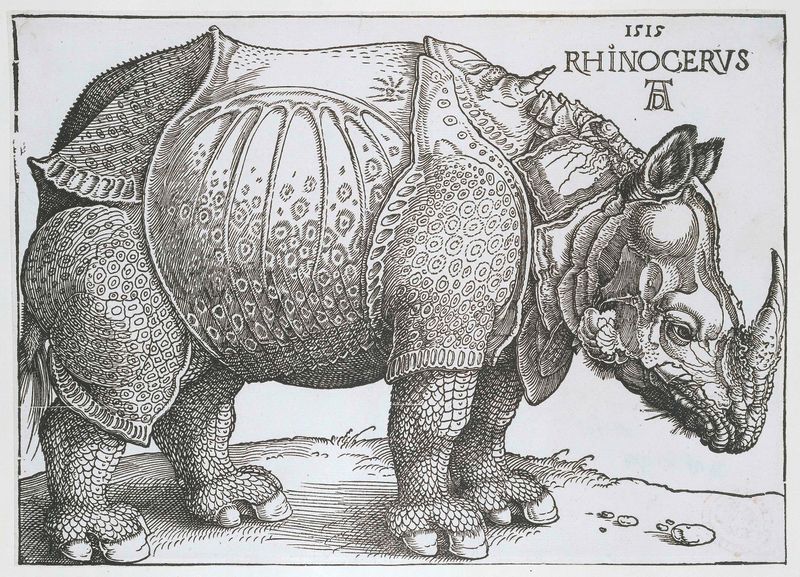
Neushoorn
Albrecht Dürer
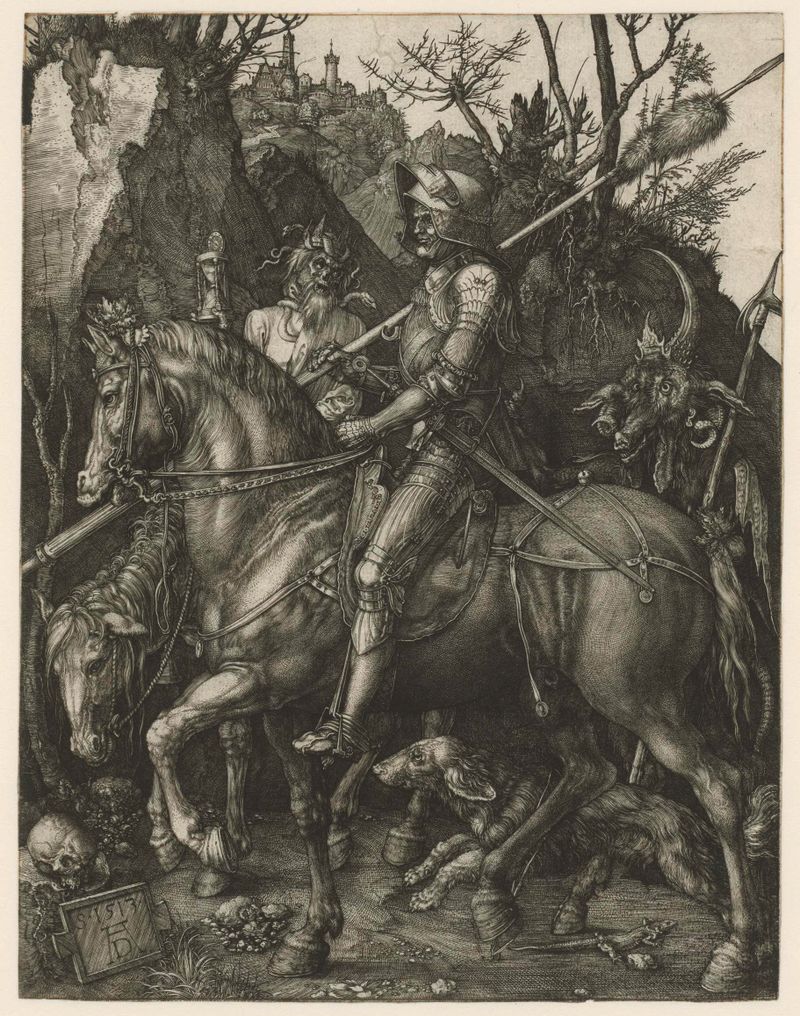
Knight, Death, and the Devil
Albrecht Dürer

De vier ruiters van de apocalyps
Albrecht Dürer

De vier ruiters van de apocalyps
Albrecht Dürer
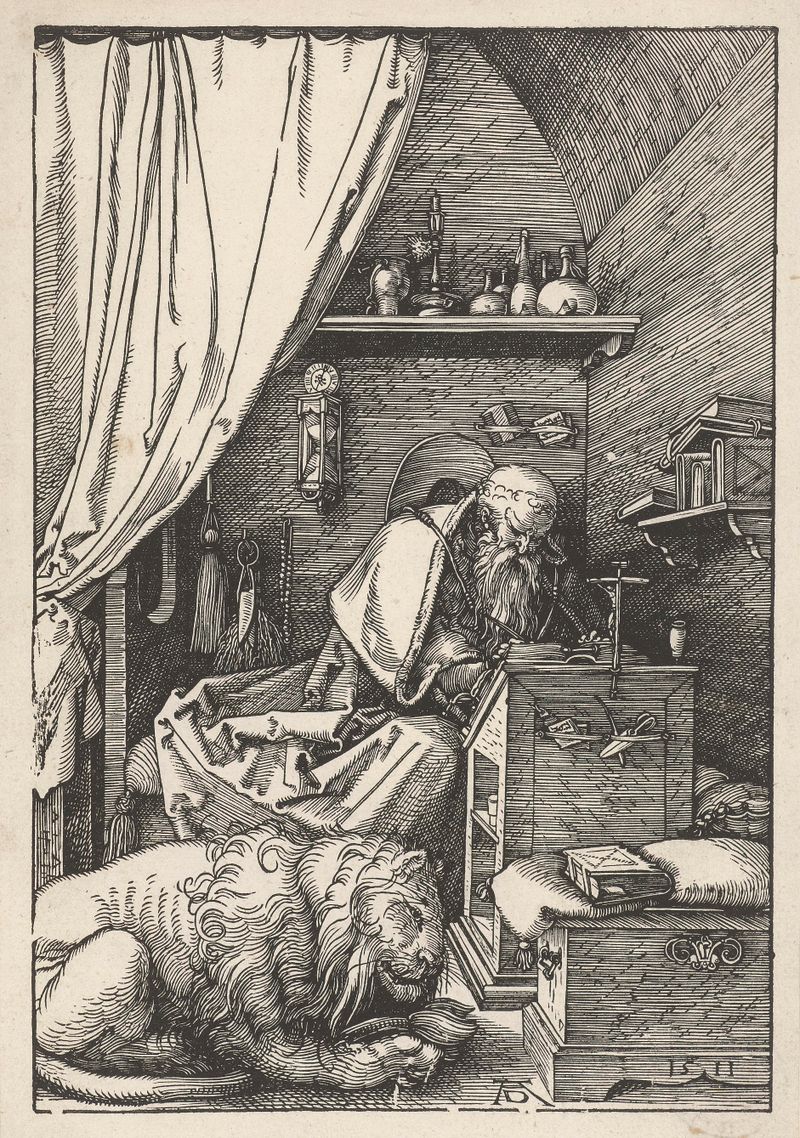
De Heilige Hiëronymus in zijn studeervertrek
Albrecht Dürer
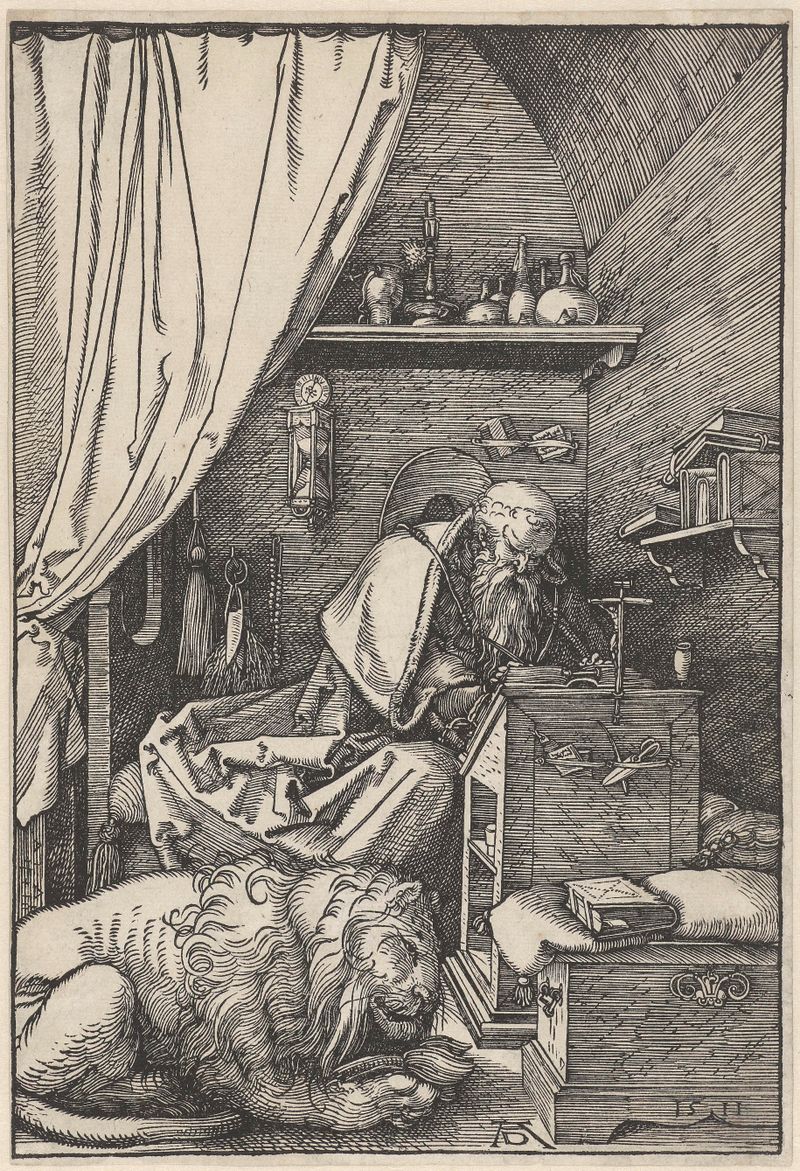
De Heilige Hiëronymus in zijn studeervertrek
Albrecht Dürer
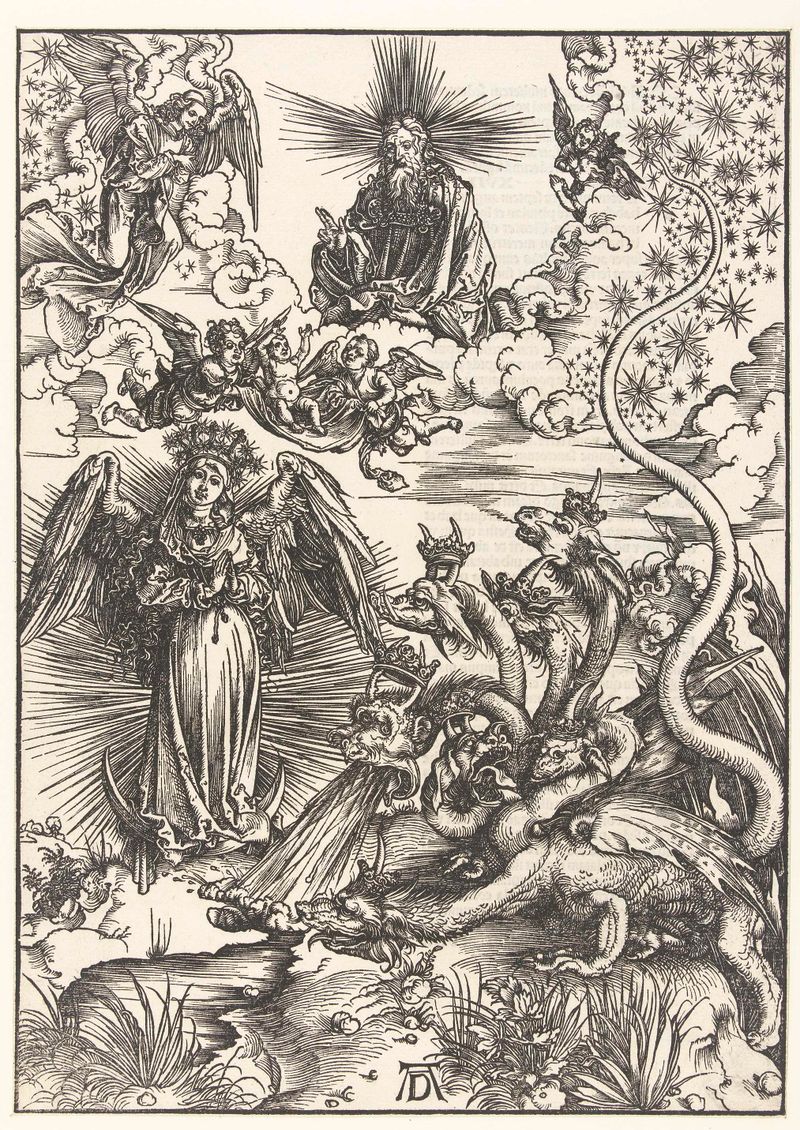
De apocalyptische vrouw en de zevenkoppige draak
Albrecht Dürer
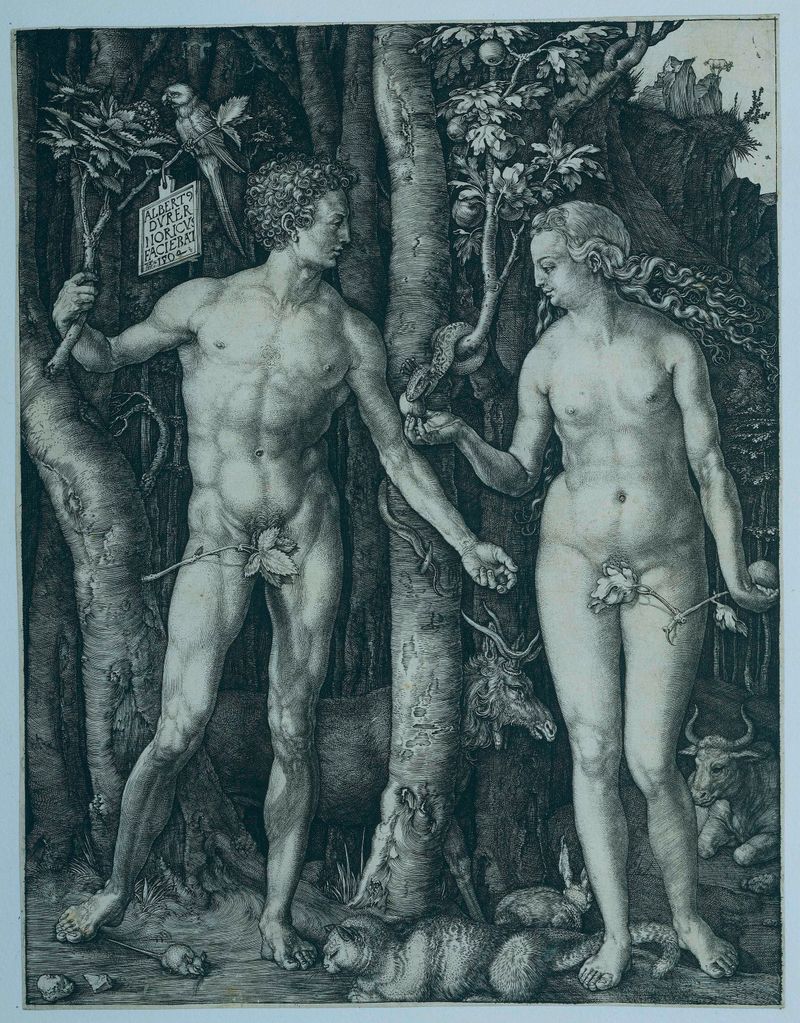
Adam en Eva
Albrecht Dürer