
Rooster and Hens — History & Facts
The proud rooster commands the foreground, his chest thrust forward and his plumage fanned out in a gesture of quiet dominance, while the hens cluster around him in a circle of feathery repose. The light, cool and steady, falls from the left and picks out each subtle color in their feathers: the rooster’s fiery copper, the hens’ muted browns and blacks. Every brushstroke seems to revel in the textures—the gloss of the rooster’s tail, the soft down of the hens, the scattered shells and straw at their feet.
This is a moment of calm, but not of stillness; the rooster’s eye meets ours with a spark of alertness, as if he is both guardian and showman of this little court. Works like this, painted in the 17th century, reflect a world where even the humblest animals could become subjects of close observation and pride. In the Dutch Republic, artists like Aelbert Cuyp found new patrons among prosperous burghers who valued scenes of rural life—whether for their symbolic meanings or their celebration of the everyday. The painting now belongs to the Museum of Fine Arts Ghent, a reminder of how such images traveled from private homes and farmhouses to public collections.
History has kept few traces of this specific flock, but the careful attention paid to each feather and gesture invites us to linger, searching for the quiet drama in the ordinary.
More Artworks by Aelbert Cuyp

The Maas at Dordrecht
Aelbert Cuyp
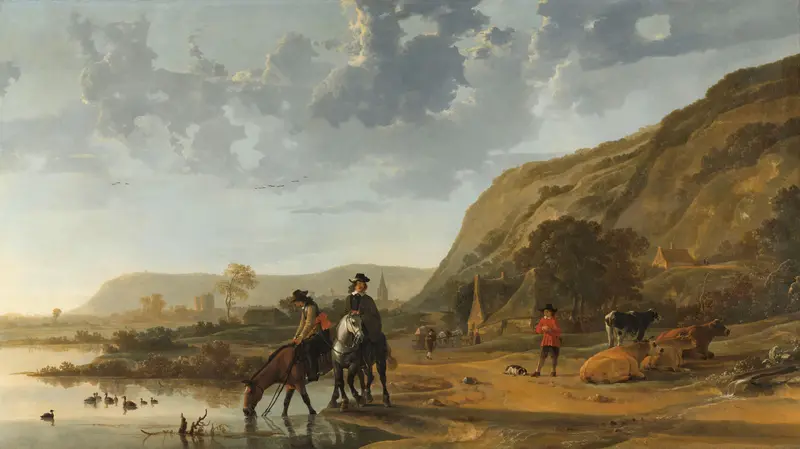
River Landscape with Riders
Aelbert Cuyp

The Maas at Dordrecht
Aelbert Cuyp
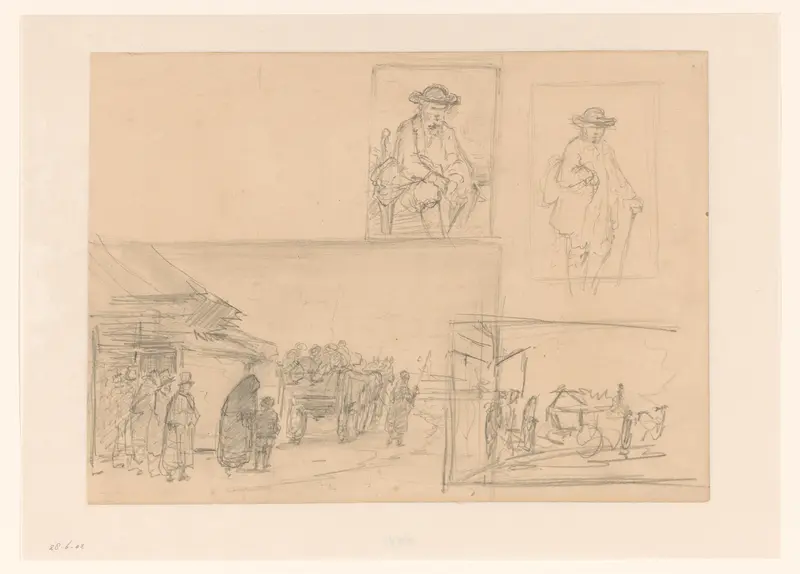
Gezicht op Dordrecht
Aelbert Cuyp
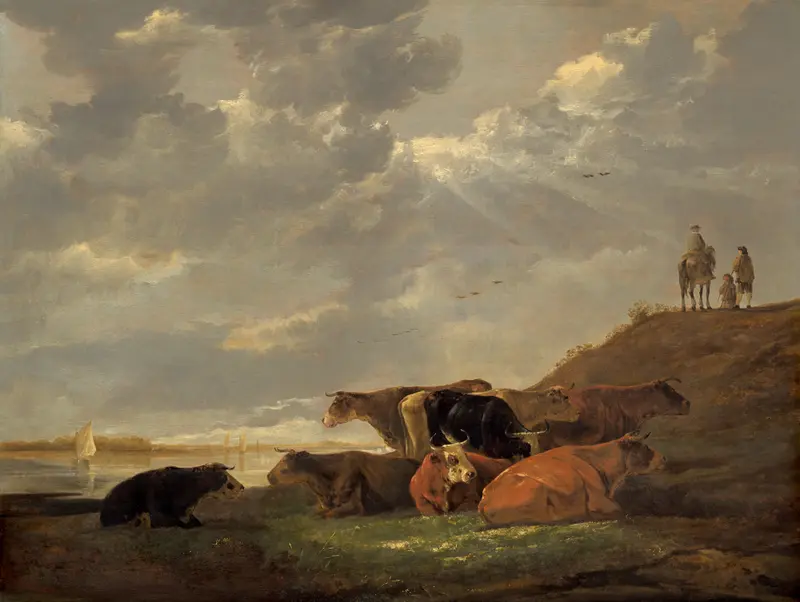
River Landscape with Cows
Aelbert Cuyp
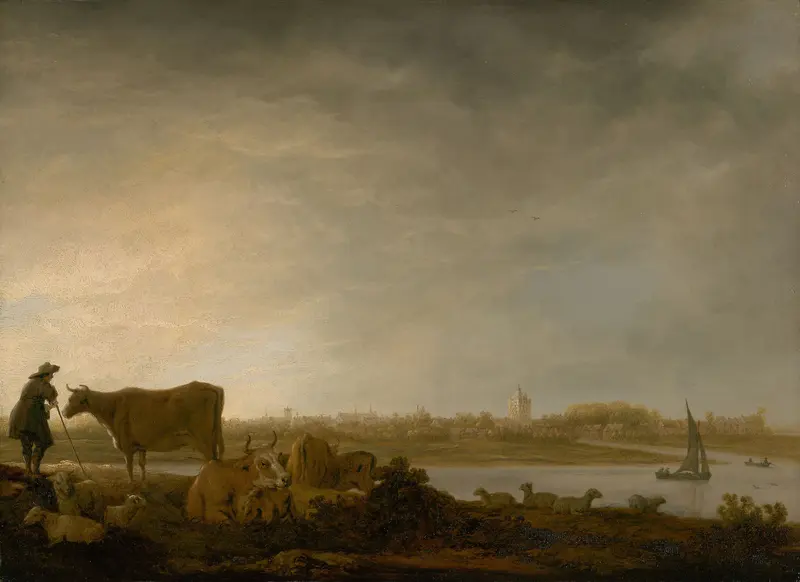
A View of Vianen with a Herdsman and Cattle by a River
Aelbert Cuyp
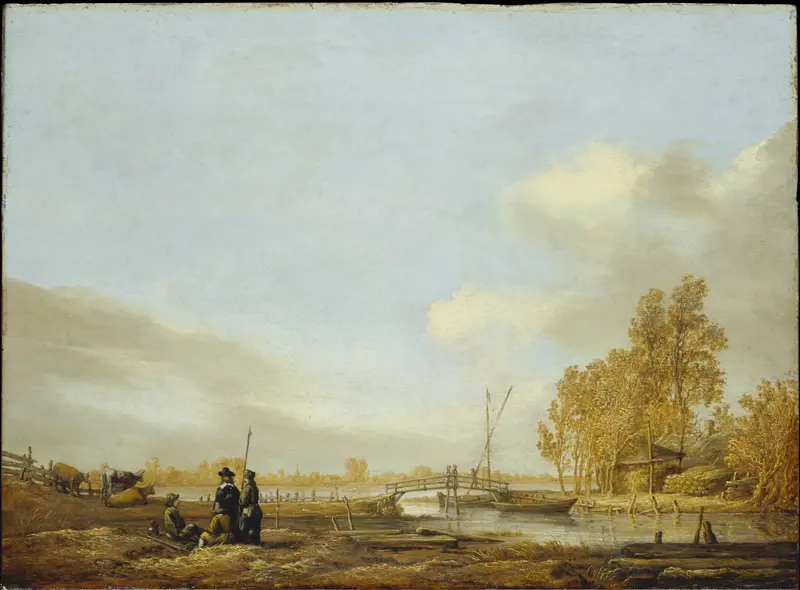
River Landscape with Footbridge
Aelbert Cuyp
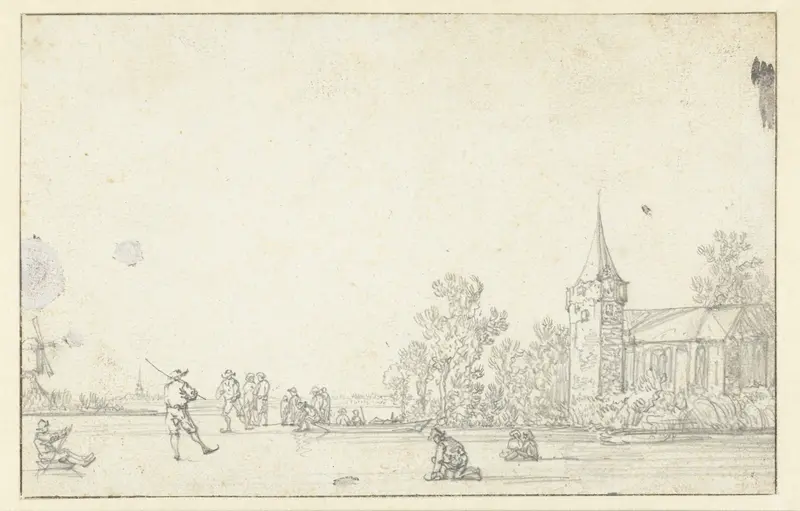
Bevroren rivier met schaatsers bij een kerk
Aelbert Cuyp

Cattle near a River
Aelbert Cuyp
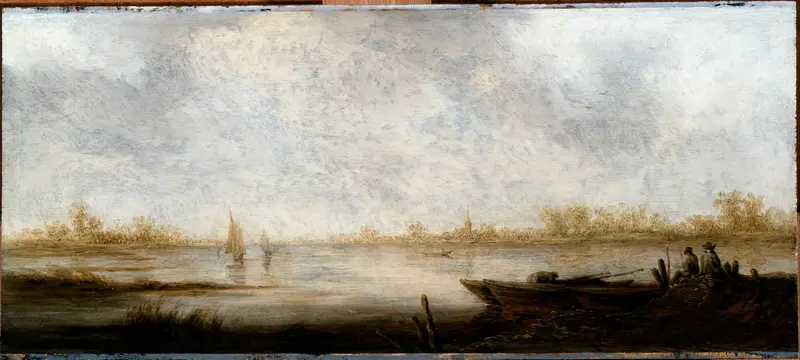
River Landscape
Aelbert Cuyp





