
Rosenburg — History & Facts
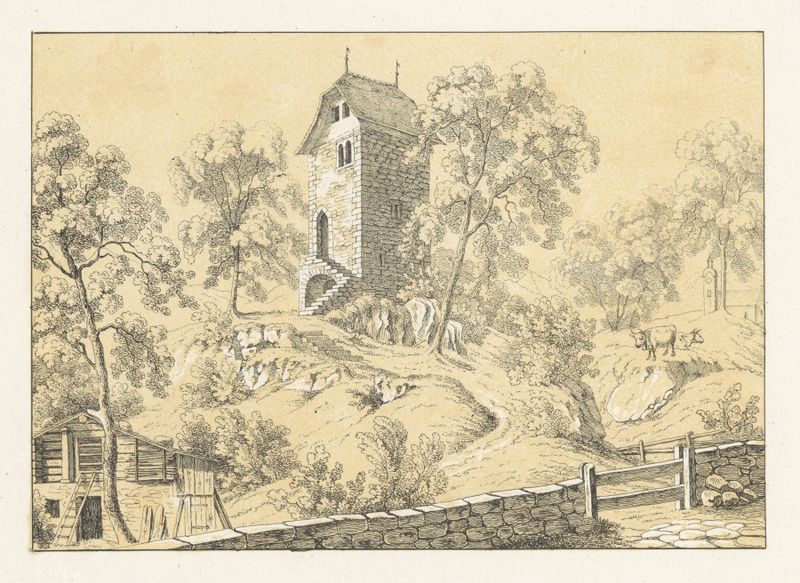
What if silence could speak through light? In the stillness of Rosenburg, a haunting solitude echoes through the canvas, inviting contemplation of grief and memory. Look to the left where the soft glow illuminates the gentle contours of the landscape, revealing a small, melancholic home nestled against the backdrop of distant hills. The muted palette of greens and browns blends into a foggy horizon, suggesting a world shrouded in both beauty and sorrow. Notice how the light diffuses, casting a delicate veil over the scene, transforming the ordinary into an extraordinary moment of reflection.
Each brushstroke breathes life into the landscape, evoking a sense of nostalgia. The emotional tension is palpable as the viewer senses an unspoken connection between the home and the surrounding nature. The stillness conveys a poignant loneliness, yet there is a warmth in the light that suggests hope amidst despair. The solitary structure, with its open door, invites interpretation—could it be a sanctuary for those left behind, or a harbinger of memories long past? This juxtaposition of light and shadow encapsulates the complexity of grief, revealing layers of loss intertwined with the persistence of life. Johann Friedrich Wagner painted Rosenburg between 1840 and 1844 during a time of personal and artistic transformation.
Working in Germany, Wagner was deeply influenced by the Romantic movement, which valued emotion and the beauty of nature. The period was marked by a growing introspection in art, as artists sought to express the inner experiences of the human soul, reflecting the tumultuous social and political changes of the time. This piece encapsulates those sentiments, inviting viewers to explore their own narratives of loss and longing.
More Artworks by Johann Friedrich Wagner
Browse all →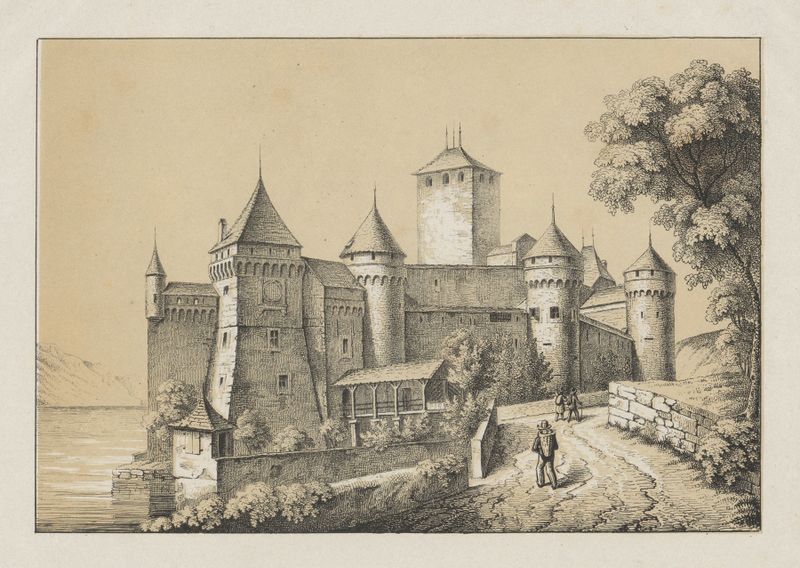
Chillon
Johann Friedrich Wagner

Valangin
Johann Friedrich Wagner
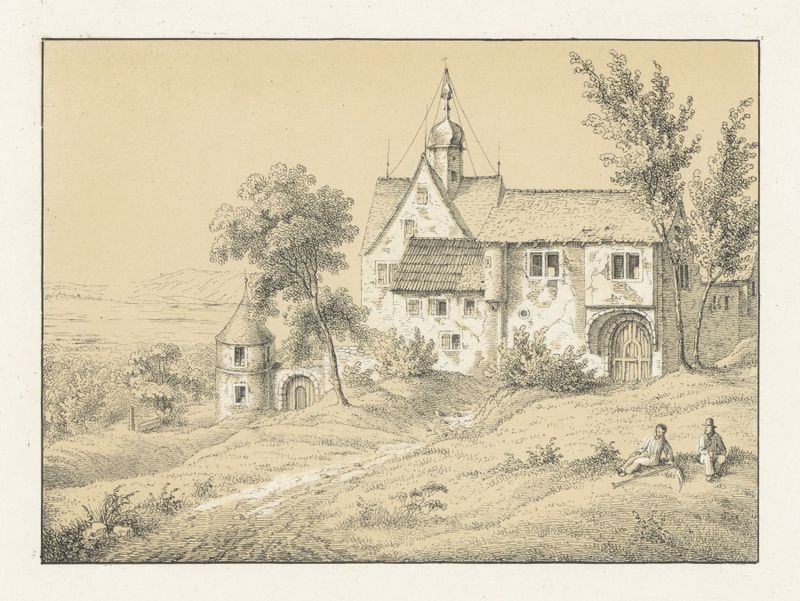
Greifenstein
Johann Friedrich Wagner

Vorburg
Johann Friedrich Wagner
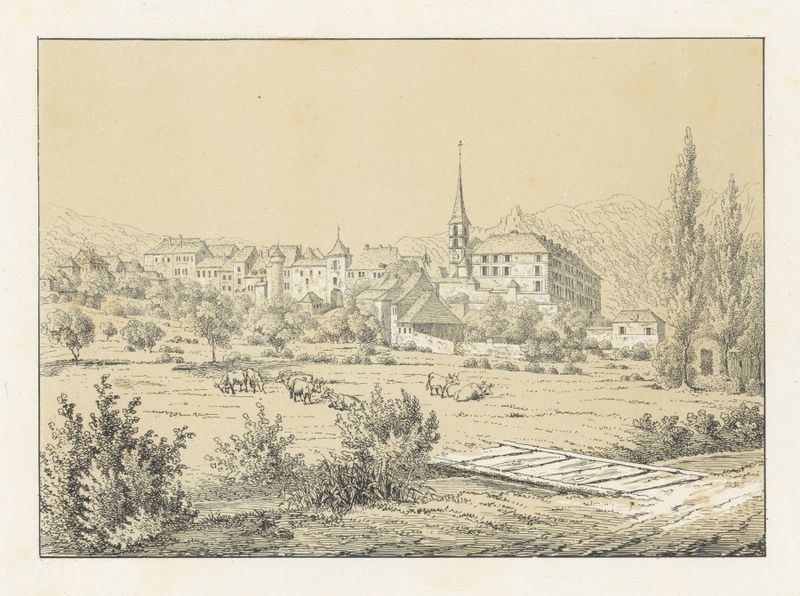
Delémont
Johann Friedrich Wagner

Pleujouse
Johann Friedrich Wagner

Challay
Johann Friedrich Wagner
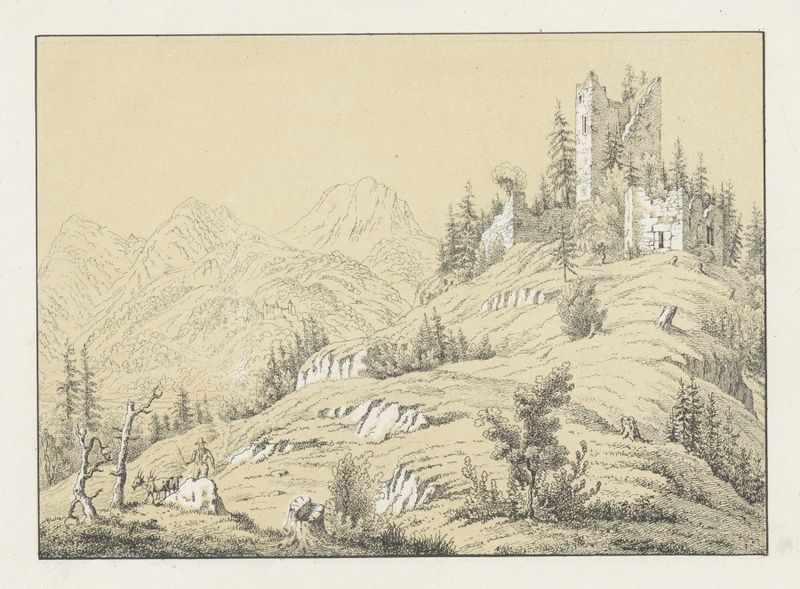
Mont Salvant
Johann Friedrich Wagner
Aha. Od. Untere Burg von Sarnen
Johann Friedrich Wagner
Lausanne
Johann Friedrich Wagner





