
Rothberg — History & Facts
Can paint confess what words never could? In Rothberg, longing reverberates through color and form, whispering secrets that linger in the silence between strokes. Look to the center of the canvas, where the undulating hills rise like gentle, yearning waves, bathed in a soft, golden light. The subtle gradient of greens and browns draws the eye, while fleeting shadows hint at an unseen presence, evoking a sense of nostalgia. Notice how the delicate brushwork allows the natural textures to emerge, imbuing the landscape with a palpable warmth that invites one to step closer and engage with the untamed beauty. This piece balances the tranquility of nature with an undertow of emotional depth.
The quiet solitude of the scene suggests a longing for connection, perhaps to a lost moment in time or a place left behind. In the distant horizon, where twilight meets earth, lies a fascinating duality: the beauty of the landscape tempts the viewer, yet its remoteness evokes an ache of separation, encapsulating an eternal human yearning for what is just out of reach. Wagner painted this work between 1840 and 1844, during a period of personal reflection and artistic exploration in his native Germany. The Romantic movement was gaining momentum, emphasizing emotion and individual experience in art.
Amidst a backdrop of political upheaval and cultural transformation, the artist sought to capture the profound connection between humanity and nature, reflecting his own inner world through the lens of a picturesque landscape.
More Artworks by Johann Friedrich Wagner
Browse all →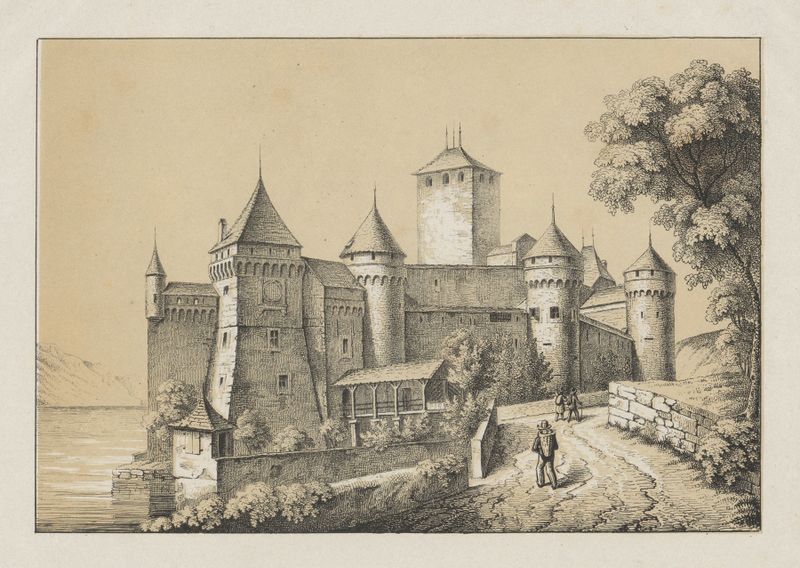
Chillon
Johann Friedrich Wagner

Valangin
Johann Friedrich Wagner
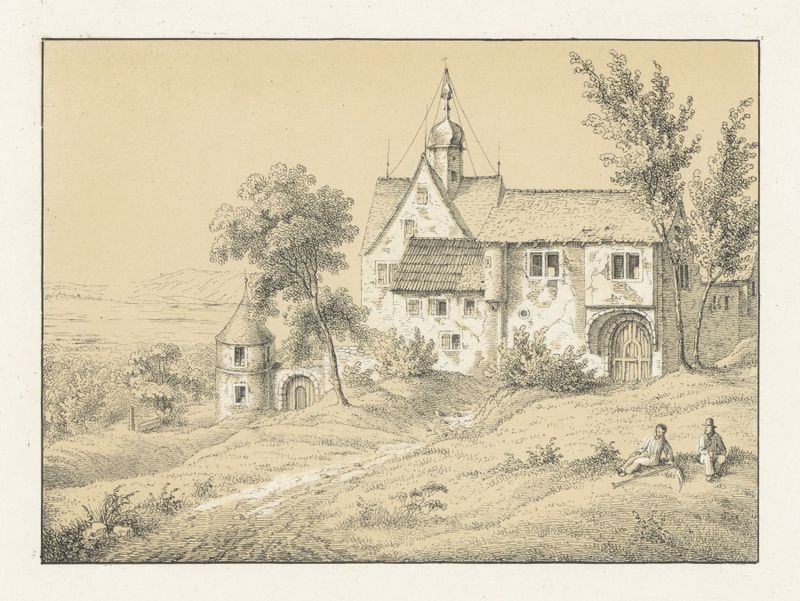
Greifenstein
Johann Friedrich Wagner

Vorburg
Johann Friedrich Wagner
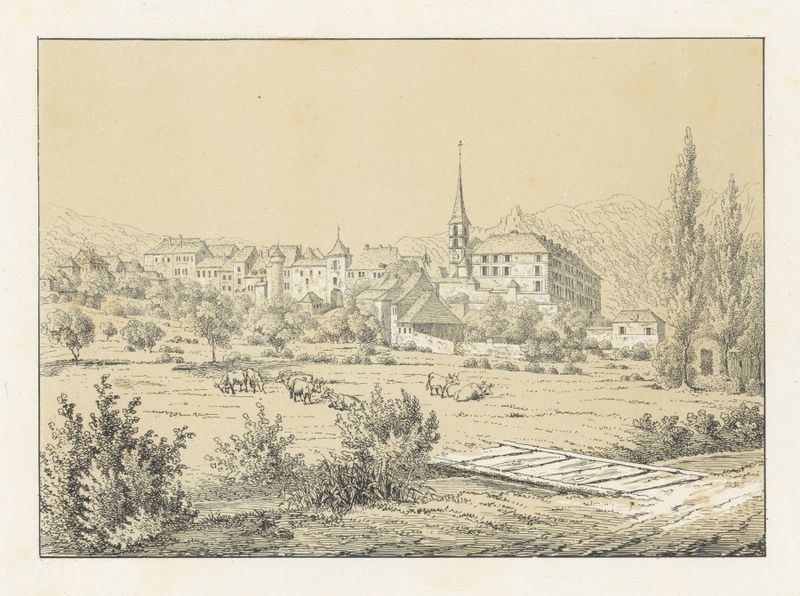
Delémont
Johann Friedrich Wagner

Pleujouse
Johann Friedrich Wagner

Challay
Johann Friedrich Wagner
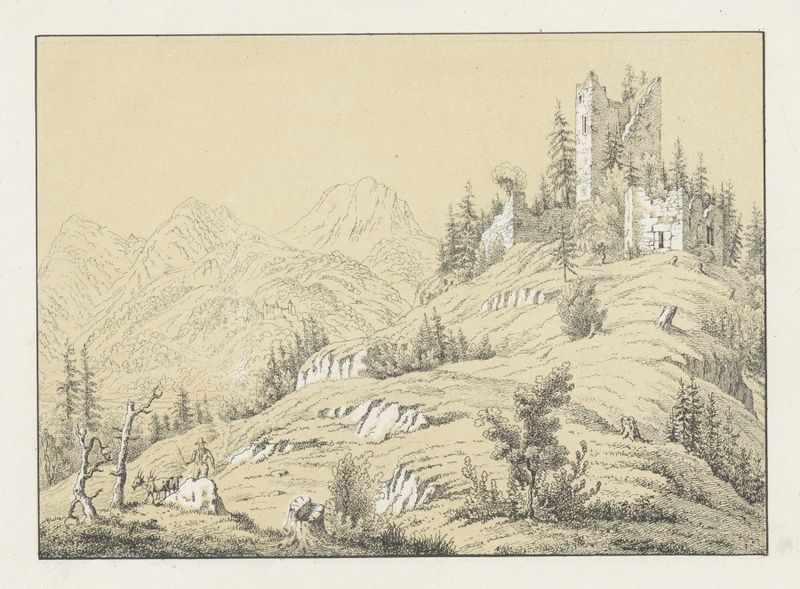
Mont Salvant
Johann Friedrich Wagner
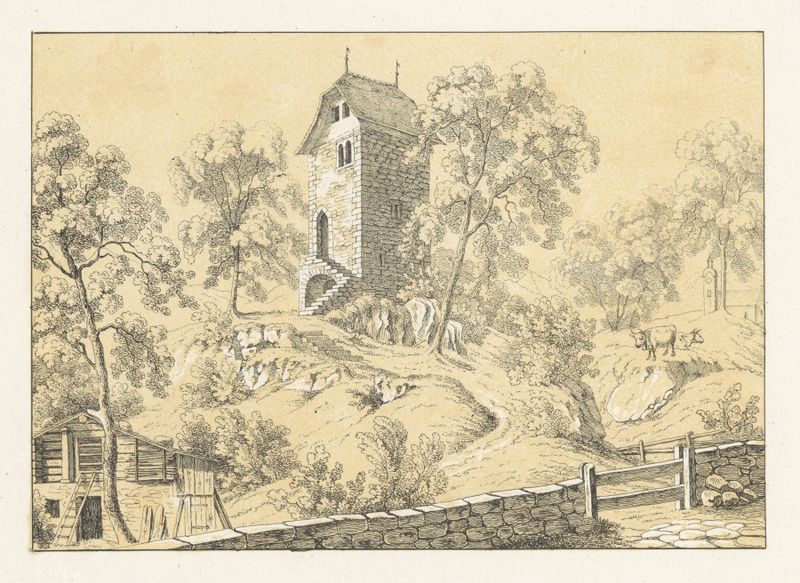
Aha. Od. Untere Burg von Sarnen
Johann Friedrich Wagner
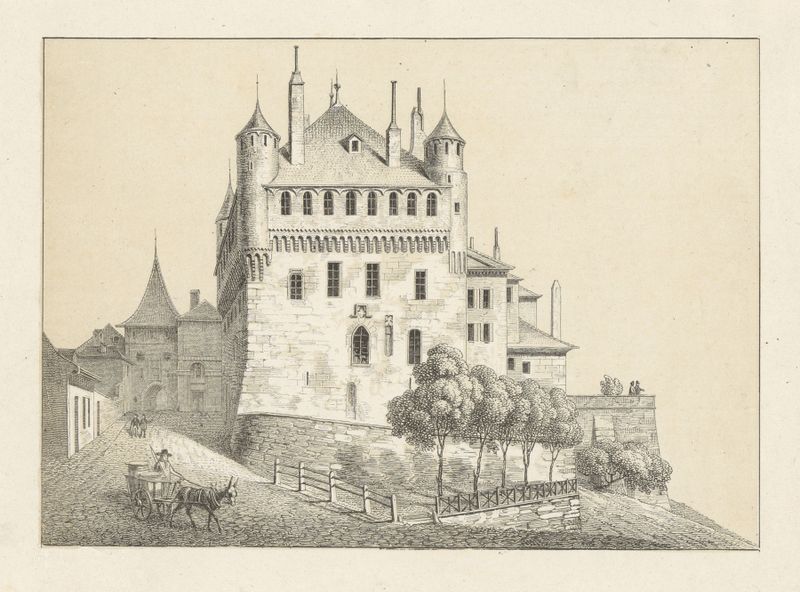
Lausanne
Johann Friedrich Wagner





