Rotskust in Campania met stad en reizigers — History & Analysis
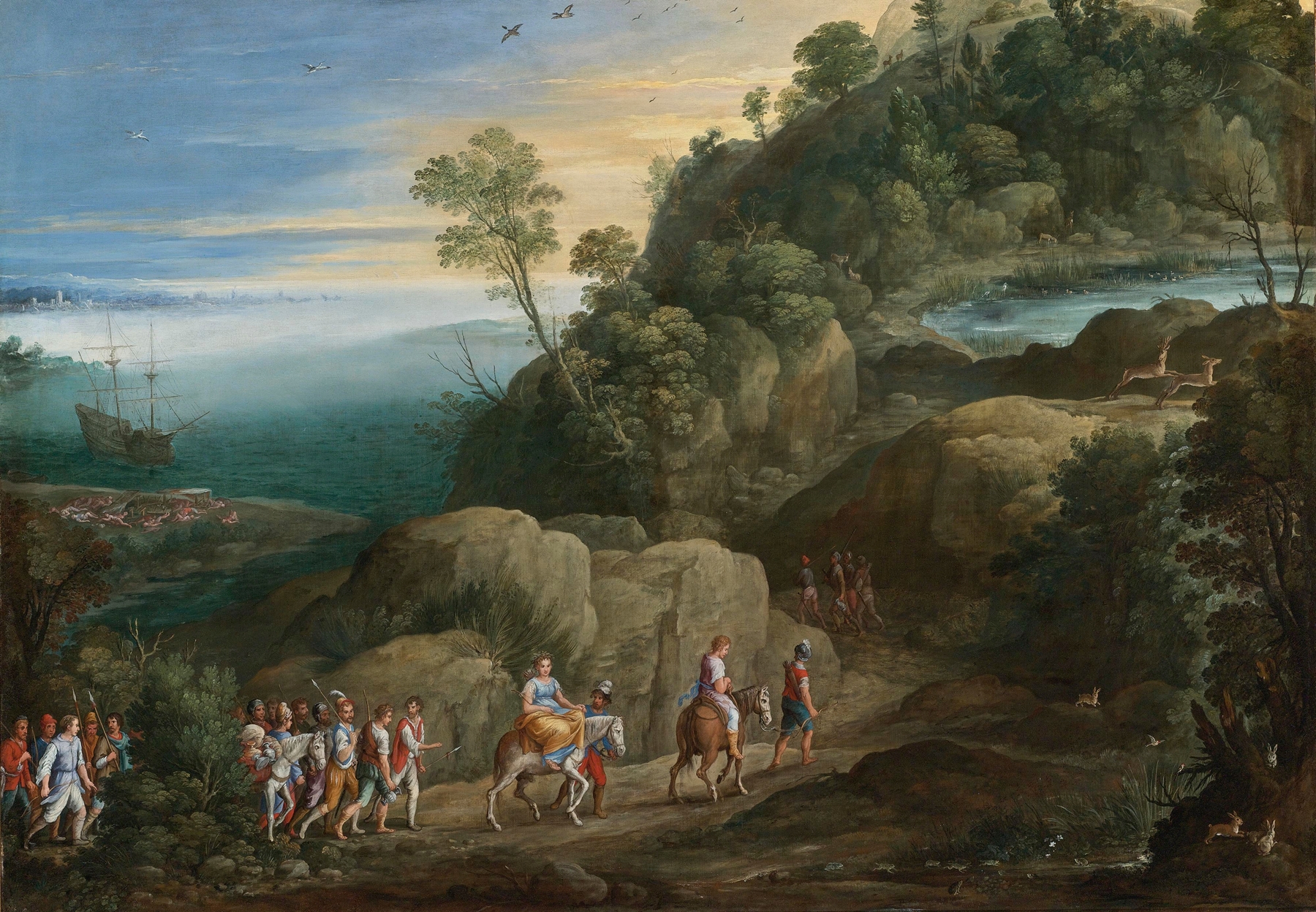
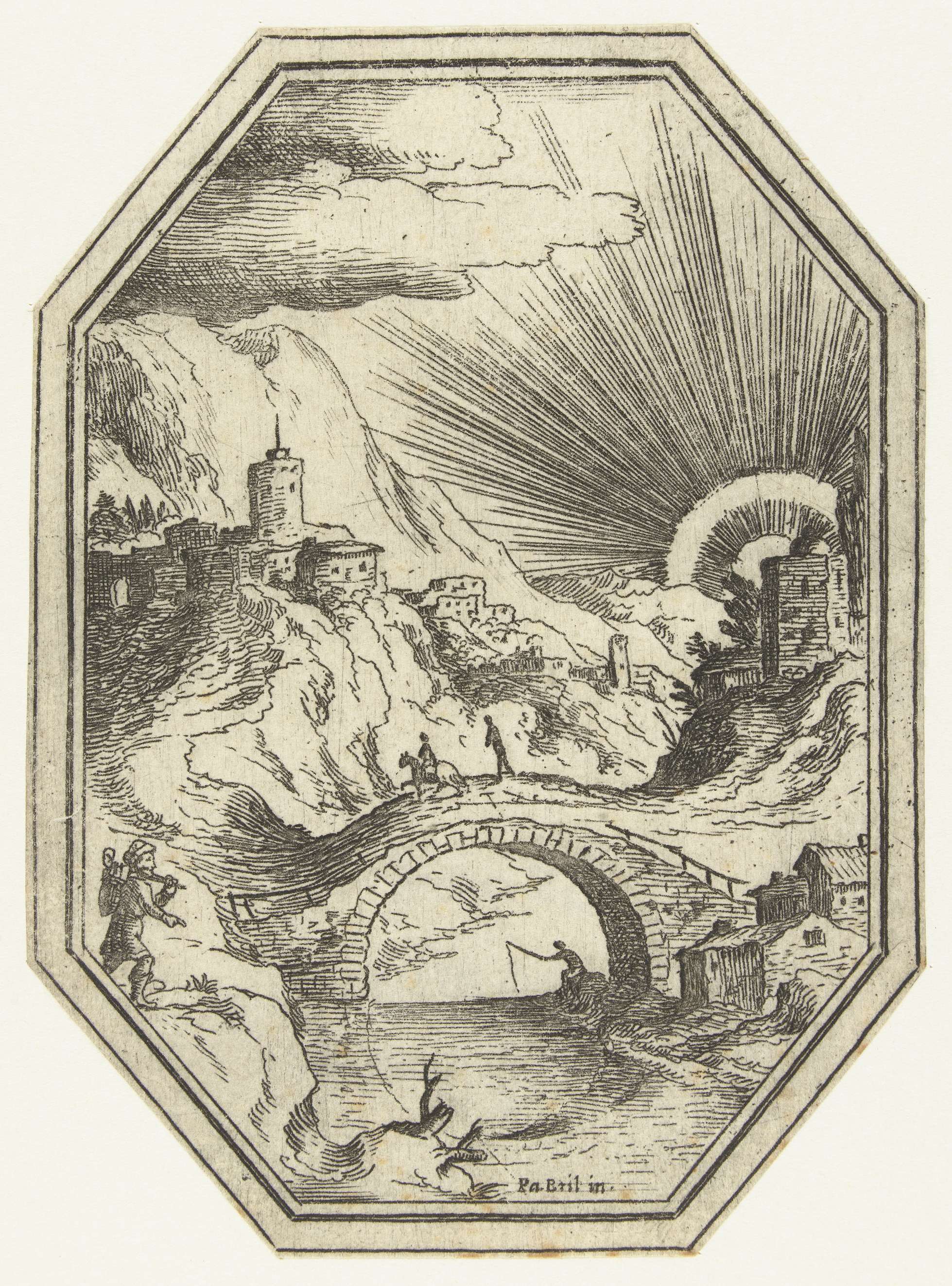
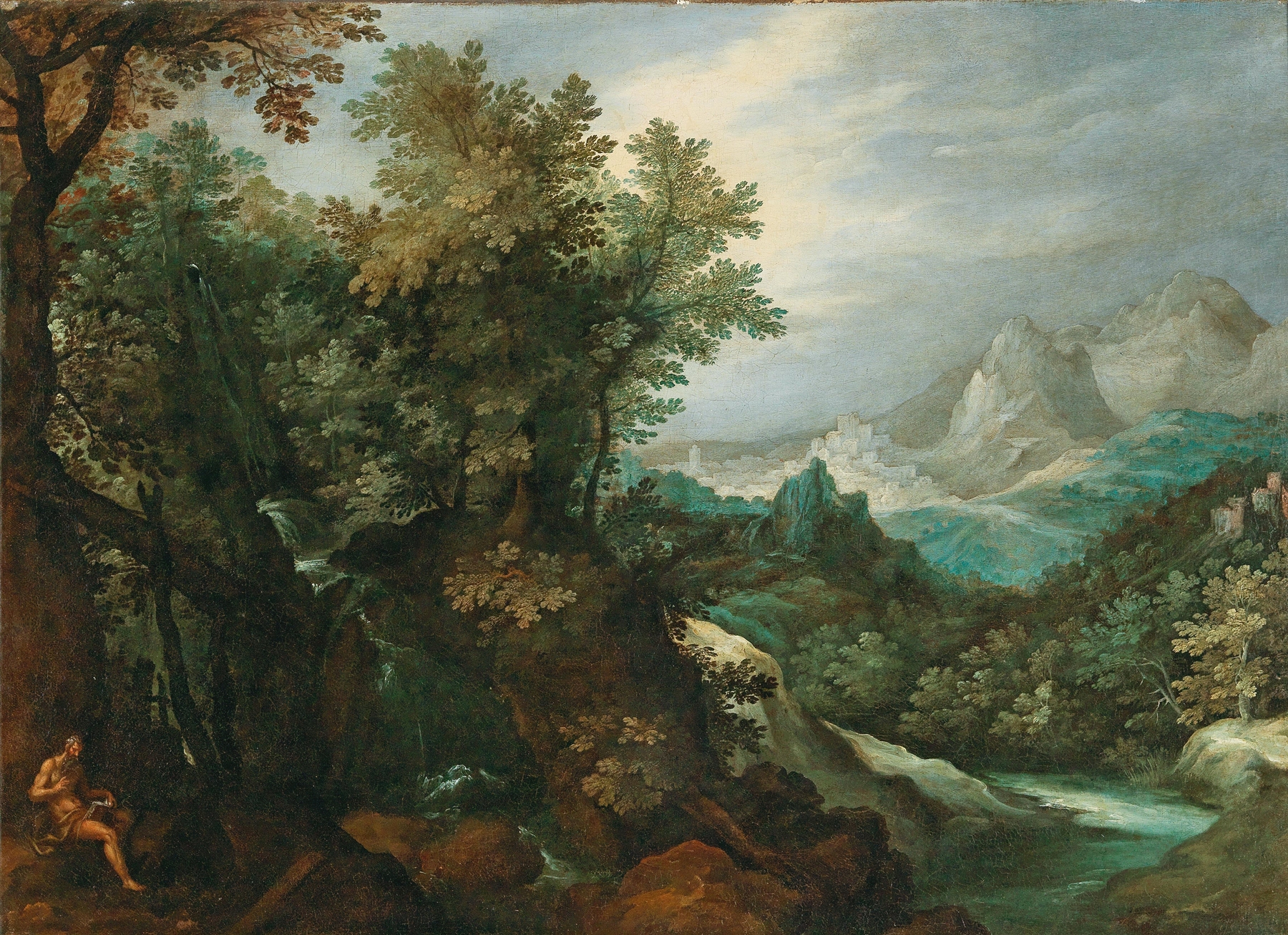
Can paint confess what words never could? In Rotskust in Campania met stad en reizigers, the longing for distant shores and the beauty of nature intertwine seamlessly in a captivating landscape. Look to the left where the rugged coastline meets the gentle waves, each brushstroke embodying Bril's acute observation of nature's raw power and serenity. The interplay of light and shadow reveals a sunlit city nestled among the cliffs, inviting the viewer to explore its winding paths and vibrant life.
Note how the palette bursts with earthy tones of ochre and green, infused with the azure of the sea, creating a harmonious balance between the vibrant life of the city and the untamed coast. As you delve deeper, consider the travelers making their way along the shoreline. Their small figures juxtaposed against the grandeur of the landscape evoke a sense of scale that highlights human vulnerability in the face of nature’s magnificence. The distant city symbolizes both hope and the unattainable, while the rugged cliffs serve as a reminder of obstacles that lie between aspiration and reality.
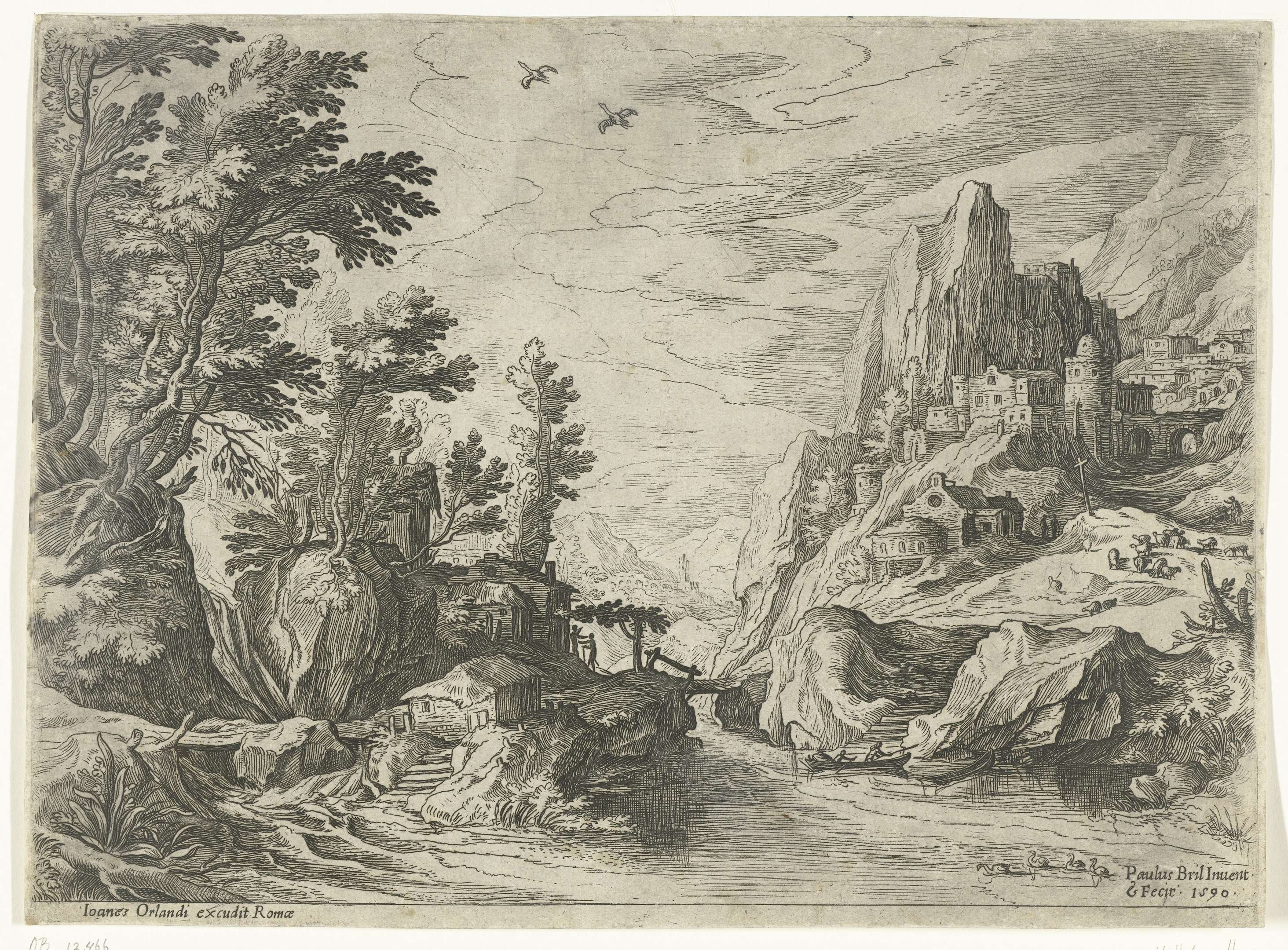
This tension between adventure and trepidation lingers in the air, capturing a moment that speaks to the human spirit's quest for connection and exploration. In 1590, Paul Bril was painting in Italy, a time when the contrast between burgeoning urban life and the untouched beauty of nature was prominent. He was known for his landscapes, which often integrated classical themes with contemporary settings. This work reflects not only his deep connection to the Italian landscape but also a period in art where nature began to take a central role, demonstrating the evolving relationship between humanity and the world around them.