
Rougemont — History & Facts
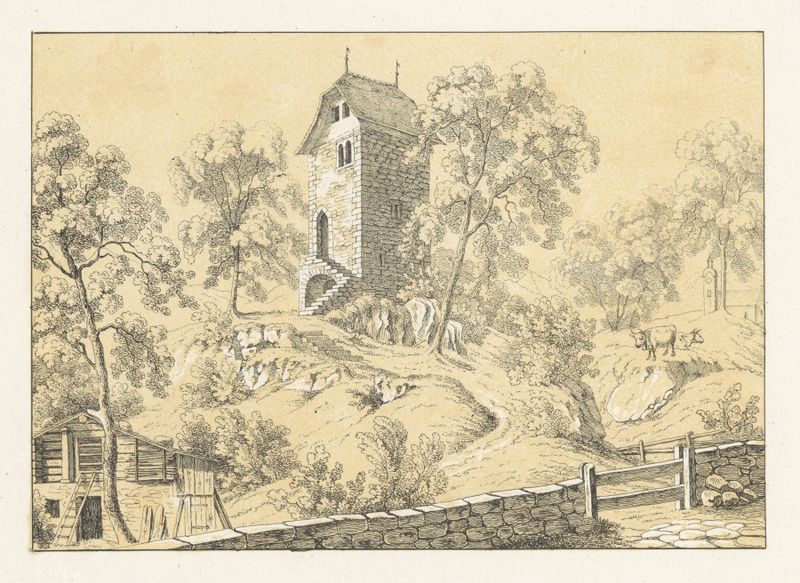
In a world brimming with tumult, moments of serenity are rare treasures waiting to be unveiled. Look to the center of the composition, where a tranquil landscape unfolds, draped in soft hues of green and ochre. The gentle curves of rolling hills invite the viewer’s gaze toward a serene sky, transitioning seamlessly from warm golds to soft blues. Notice the delicate interplay of light and shadow that dances across the canvas, creating an almost dreamy quality, as if the scene is suspended in time. The painting reveals contrasts that evoke a profound sense of peace amidst potential chaos.
The detailed foliage on the left edges against the open sky, serving as a reminder of nature’s duality—its wildness and calmness. The horizon whispers of possibilities beyond while the subdued color palette brings forth an ethereal atmosphere, drawing one into introspection. Each brushstroke is a meditation, inviting viewers to explore their own inner tranquility in response to the landscape's embrace. Johann Friedrich Wagner created Rougemont between 1840 and 1844, during a period marked by Romanticism's rise in the art world.
Living in Germany, he was influenced by the era’s fascination with nature and emotional depth. The painting reflects not just a personal vision but also a broader artistic movement seeking solace in nature as industrialization began to reshape society.
More Artworks by Johann Friedrich Wagner
Browse all →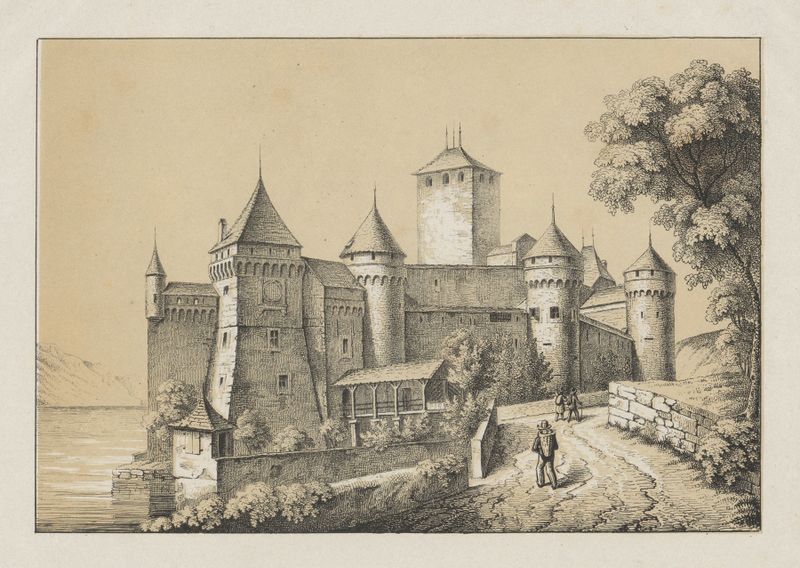
Chillon
Johann Friedrich Wagner

Valangin
Johann Friedrich Wagner
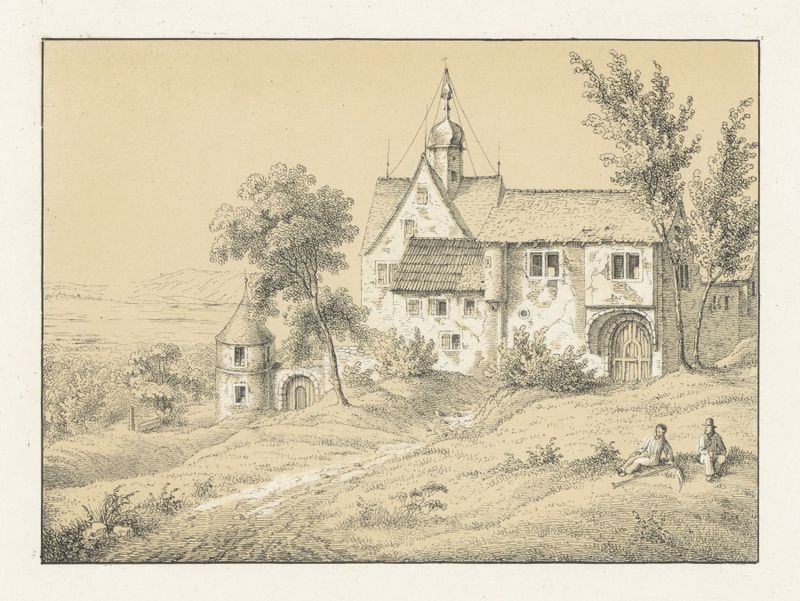
Greifenstein
Johann Friedrich Wagner

Vorburg
Johann Friedrich Wagner
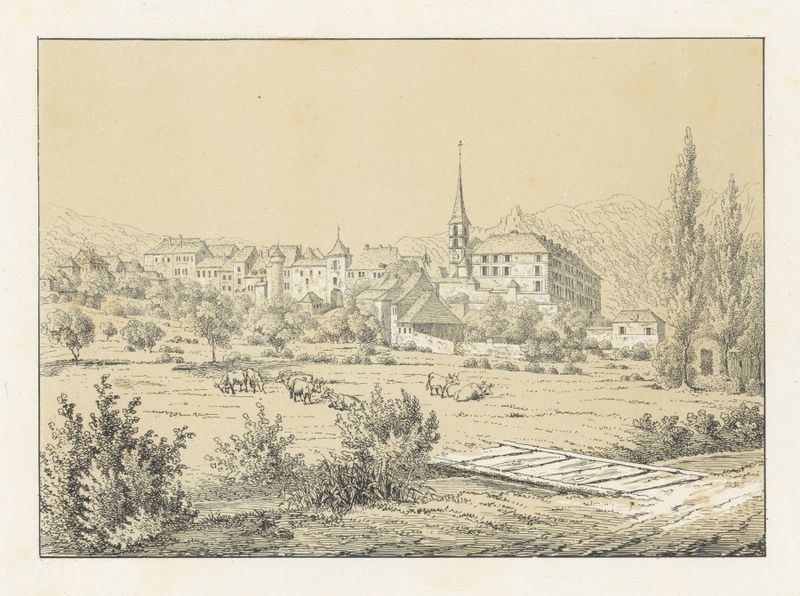
Delémont
Johann Friedrich Wagner

Pleujouse
Johann Friedrich Wagner

Challay
Johann Friedrich Wagner
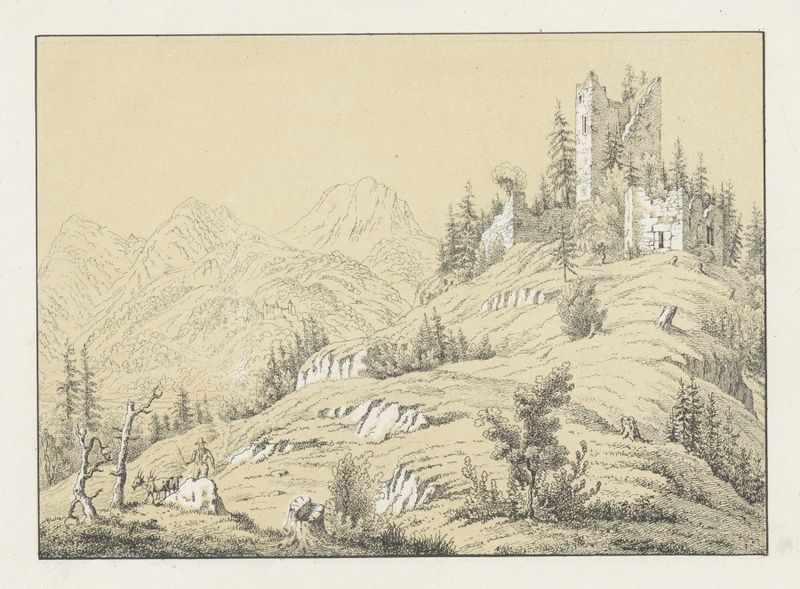
Mont Salvant
Johann Friedrich Wagner
Aha. Od. Untere Burg von Sarnen
Johann Friedrich Wagner
Lausanne
Johann Friedrich Wagner





