
Rue de Nevers — History & Facts
What secret hides in the quiet of the canvas? In the stillness of Rue de Nevers, mortality whispers through the vibrant streets of life. First, glance to the left where a solitary figure traverses the cobblestone path, their silhouette framed against the soft, golden light of the setting sun. The palette of warm yellows and deep blues captures the essence of dusk, lending a fleeting warmth that contrasts with the cool shadows creeping in. Notice how the brushstrokes pulse with an impressionistic vibrancy, inviting you to explore the depths of each corner of this serene street scene. As you delve deeper, recognize the tension between the vibrancy of life and the encroaching shadows.
The gentle play of light hints at transient moments, while the solitary figure evokes a sense of existential solitude. Here, the mundane act of walking is imbued with a profound sense of awareness—the knowledge that every step, like each breath, brings us closer to our own impermanence. The lively atmosphere, alive and bustling, simultaneously suggests a lingering solitude, a reminder of life’s inevitable ebb. F.
Séguin created Rue de Nevers in 1895 during a period of great transformation in both his personal life and the broader art world. Living in Paris, he was surrounded by the rise of Impressionism, yet sought to convey deeper emotional narratives through his work. This painting reflects his engagement with both the rich life of the city and the contemplative reflections on existence that marked this era in art history.
More Artworks by F. Séguin
Browse all →
Rue Brantôme. (anciennement rue des Petits Champs donnant rue Saint Martin et rue Beaubourg)
F. Séguin
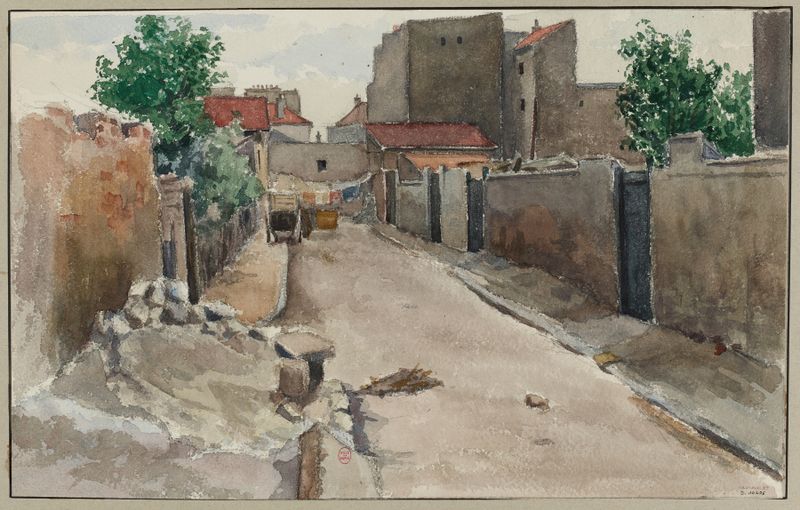
La rue de Chambéry, prise de la rue de Nice la Frontière
F. Séguin
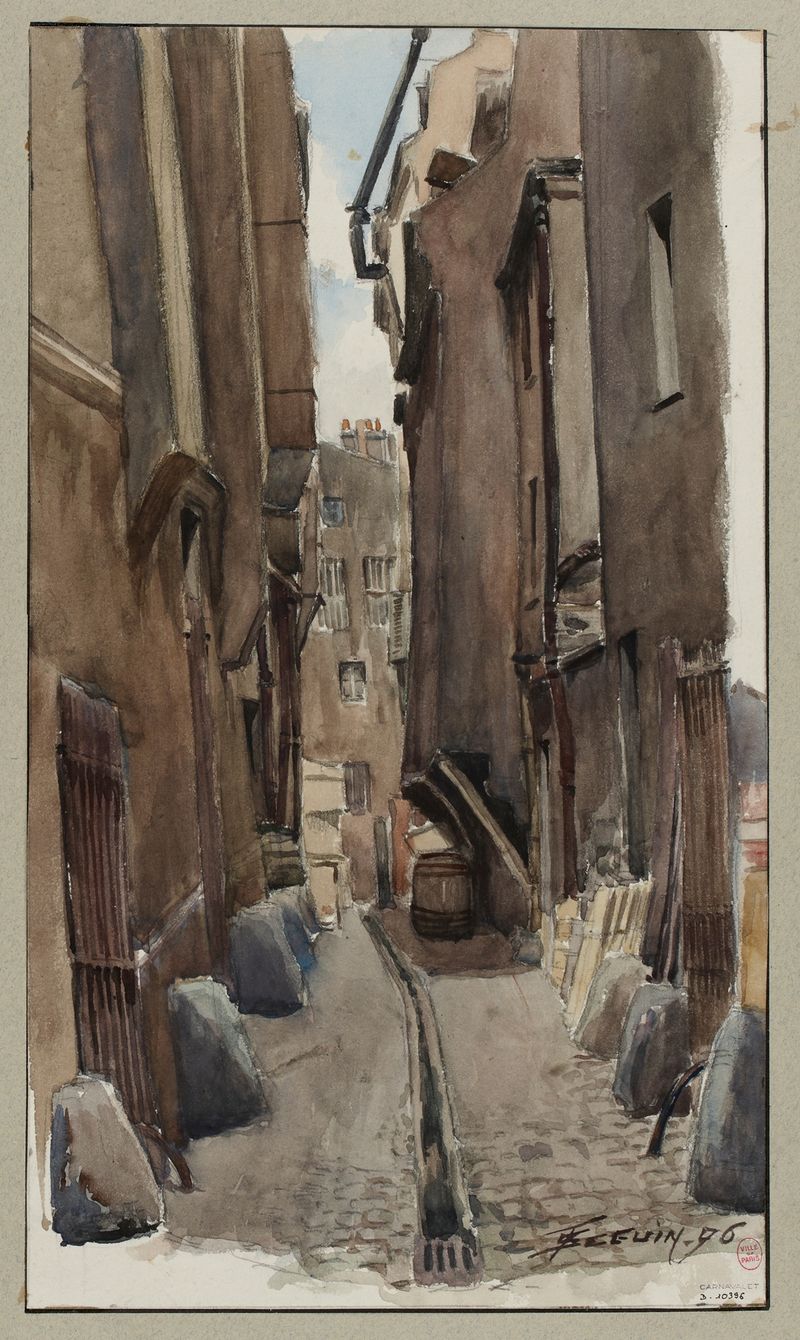
Le Cul de sac du Bœuf, (rue Saint Merri)
F. Séguin

Rue Descartes
F. Séguin
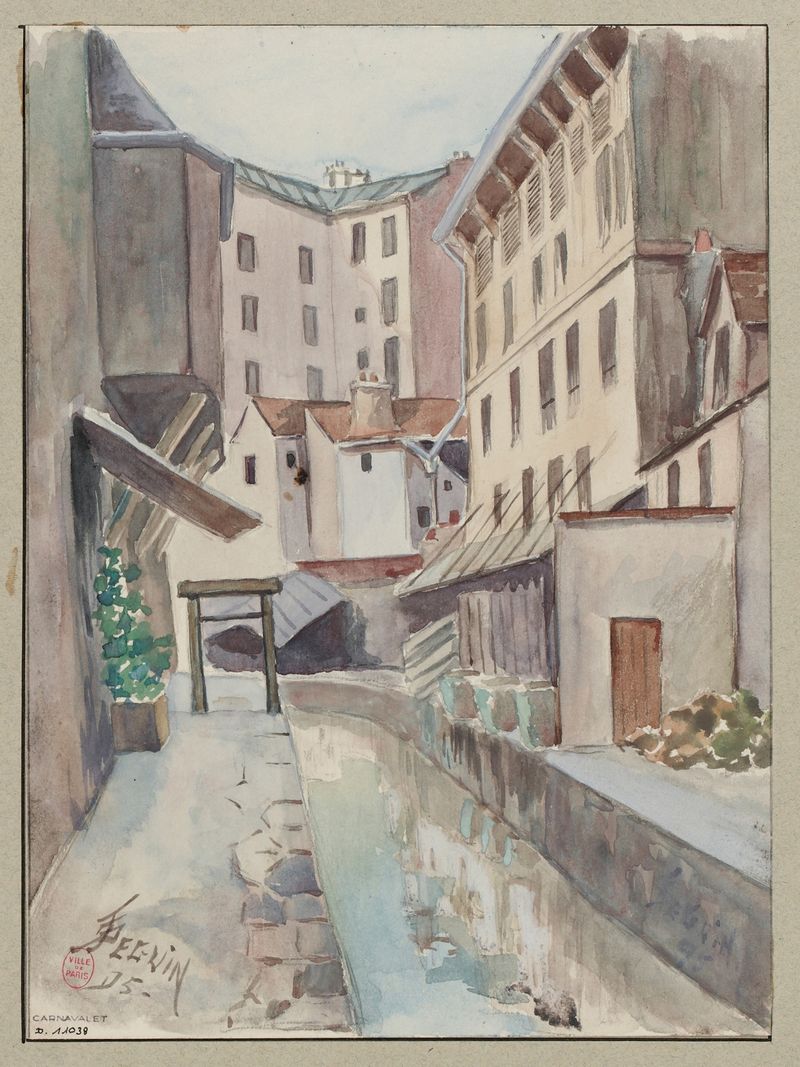
Le bord de la Bièvre à l’avenue des Gobelins
F. Séguin

Villa des Otages mur où furent fusillés les 52 derniers otages de la Commune, rue Haxo
F. Séguin
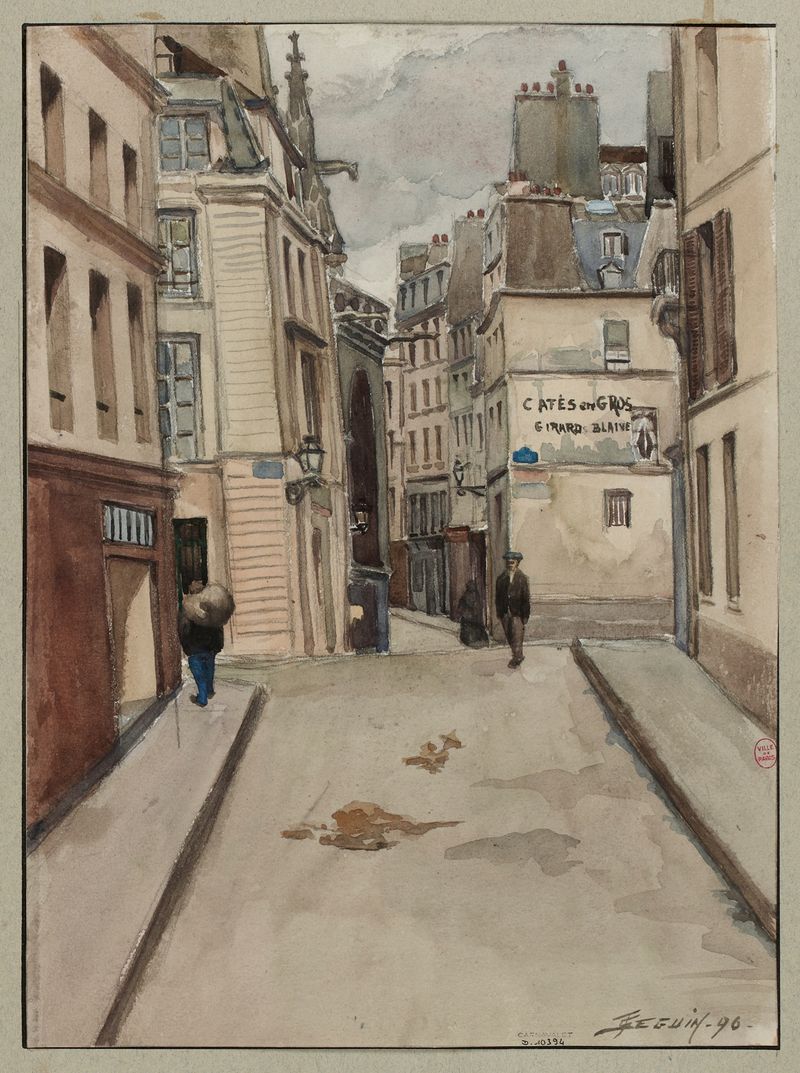
Rue du Cloître Saint Mérry, de la rue du Renard à la rue Saint Martin
F. Séguin
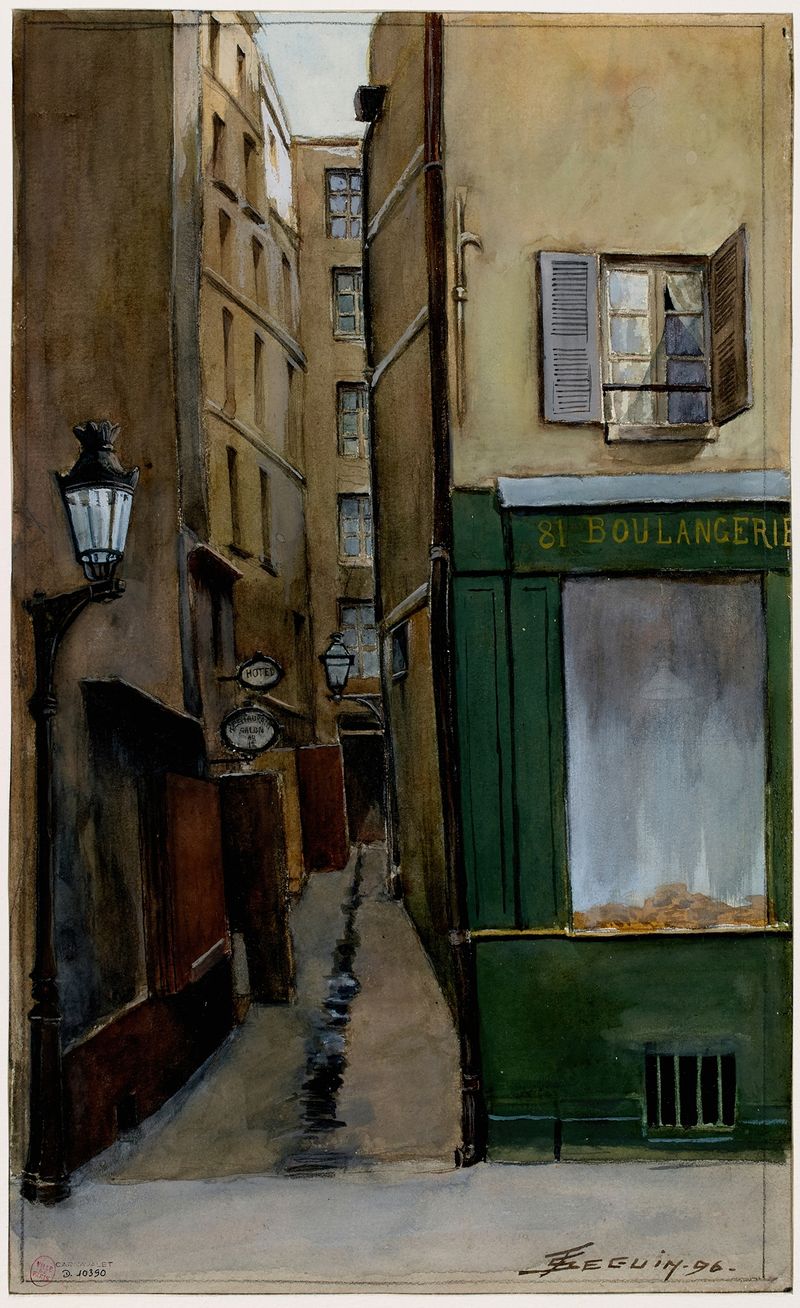
Cul de sac du Fiacre, 81 rue Saint Martin
F. Séguin
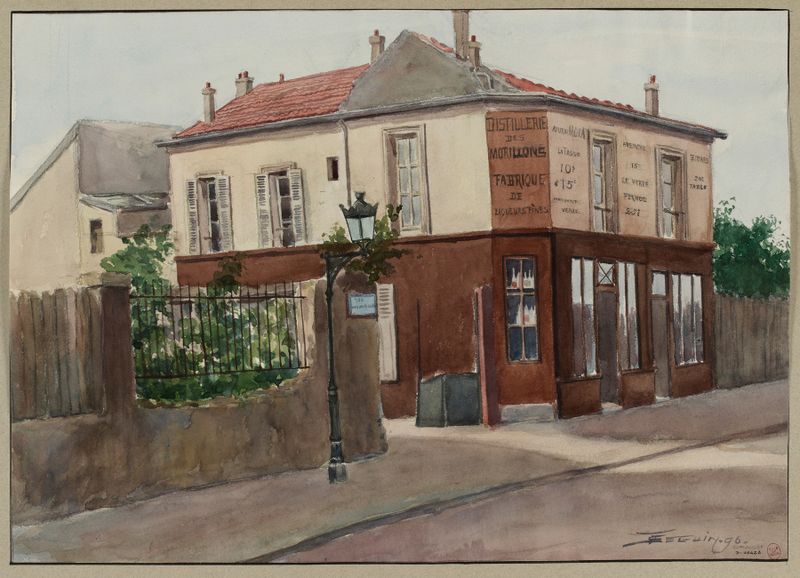
Angle de l’impasse Carlier et au 24 rue des Morillons, Vaugirard
F. Séguin
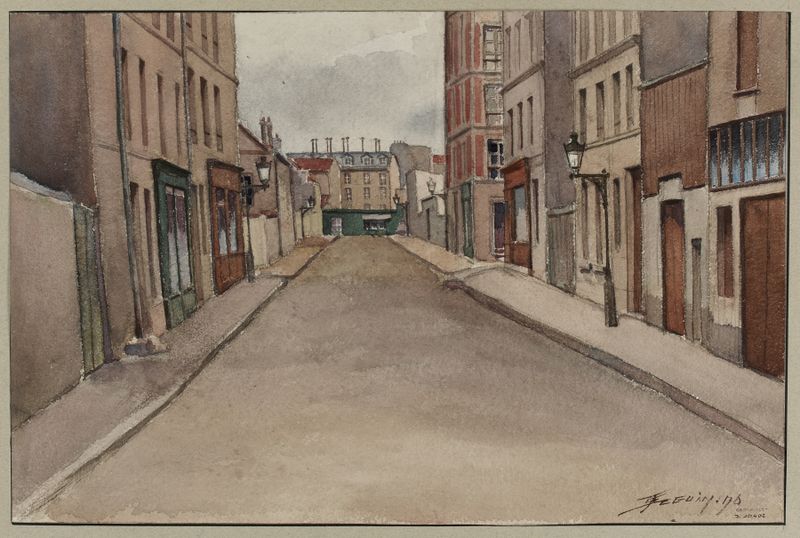
Rue Franquet
F. Séguin





