Rue de Rivoli — History & Facts
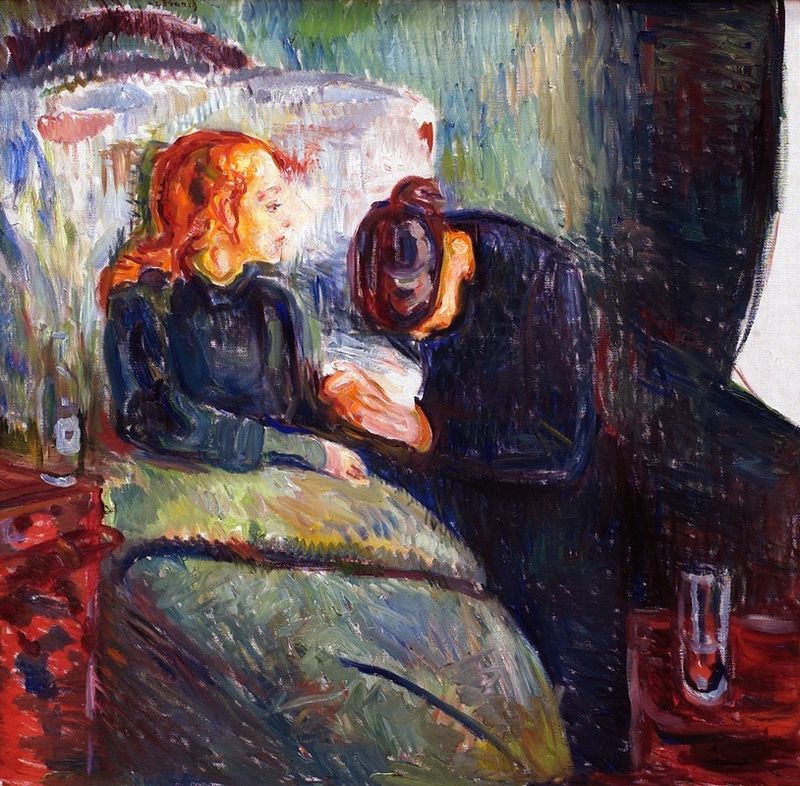
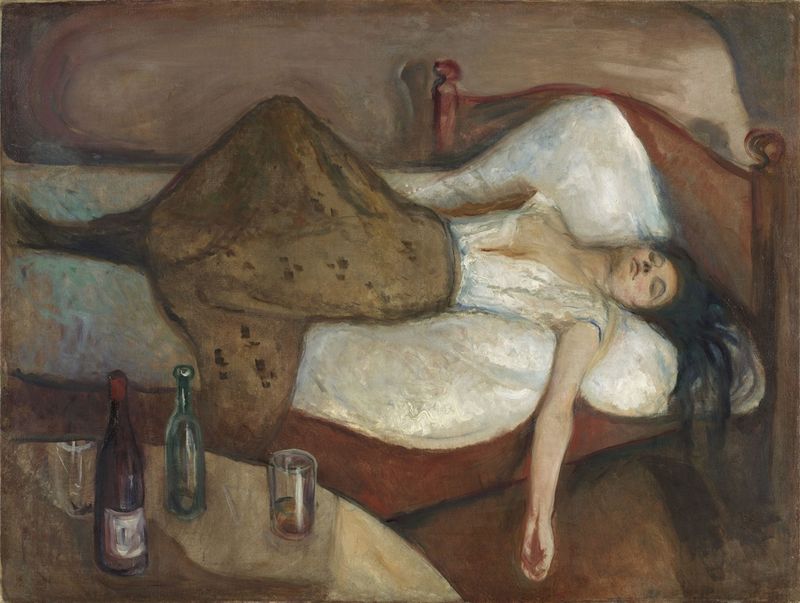
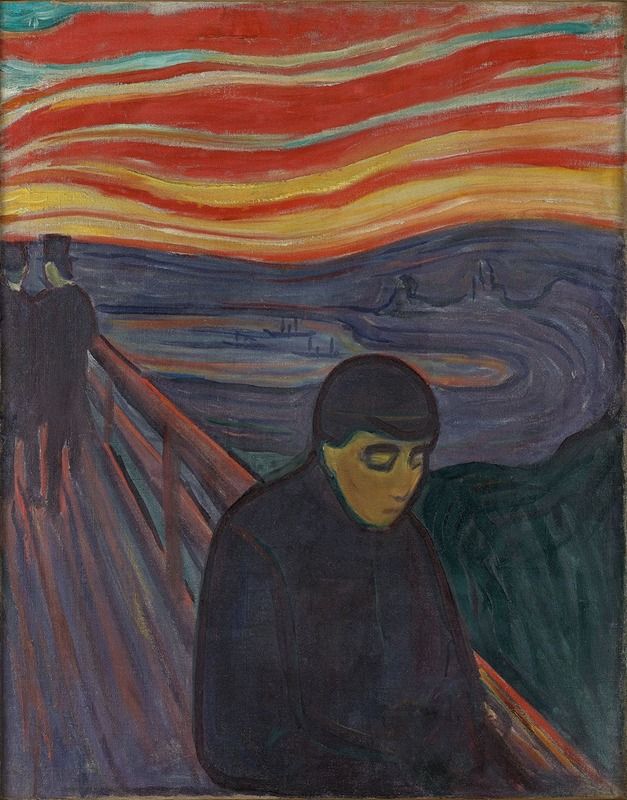
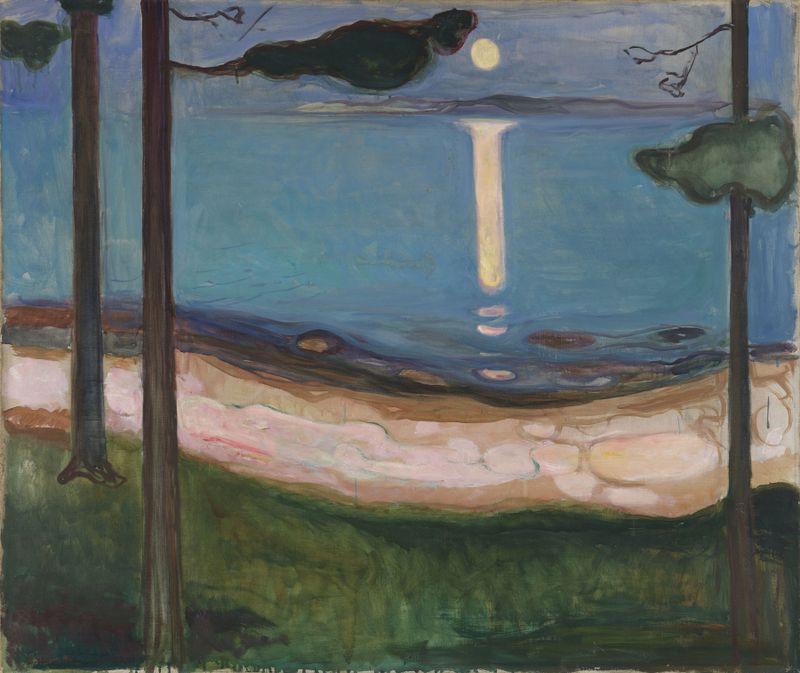
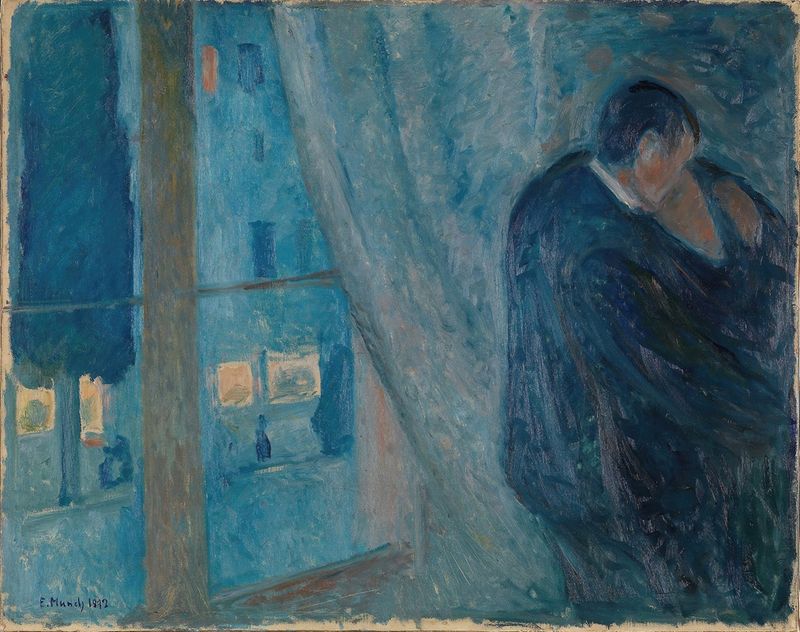
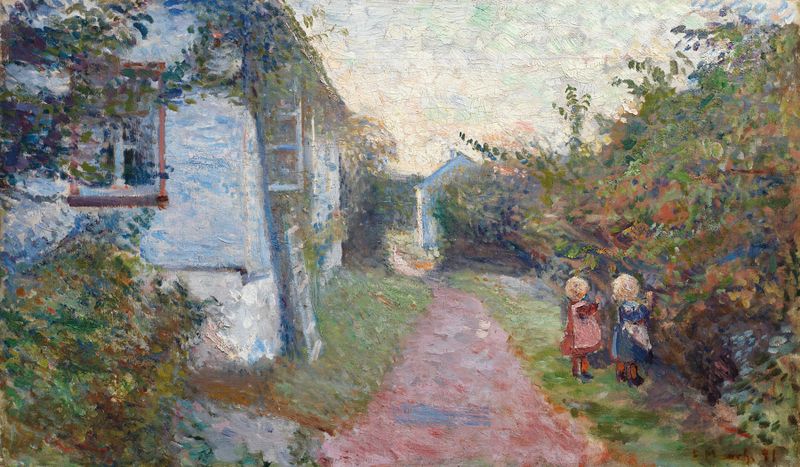
In the stillness of Rue de Rivoli, the vibrancy of life is captured amidst a profound sense of rebirth. The painting invites us to peer into a moment laden with emotion, where the streets echo the silent thoughts of passersby, each one carrying the weight of their own hidden stories. Look to the left at the figures meandering along the boulevard, their elongated shadows stretching across the cobblestones. Notice how the colors blend—rich blues and muted browns—creating a dreamlike atmosphere that envelops the scene.
The buildings loom tall in the background, a testament to the urban landscape, while the brushstrokes pulsate with Munch's signature expressionistic style, pulling the viewer into a world that feels both familiar and unsettling. The contrast between the lively street scene and the haunting stillness of the figures suggests a deeper narrative—perhaps a commentary on the isolation felt within the crowd. The vibrant hues juxtaposed with the shadowy figures convey a sense of longing and a desire for connection, hinting at the inner workings of human emotion amidst the bustle of city life. Each element of the composition works cohesively to evoke feelings of both melancholy and hope, as if the street itself is a canvas upon which the stories of rebirth unfold. In 1891, Munch was navigating a tumultuous period in his life, marked by personal struggles and the broader impacts of the Symbolist movement emerging in Europe.
Painted while he was in Paris, Rue de Rivoli reflects his engagement with urban themes, capturing a moment that feels both intimate and universal. This work stands as a bridge between the isolation that marked his earlier pieces and the exploration of vibrant life that would define his later career.