
Rue des Moulins — History & Facts
In Rue des Moulins, Henri de Toulouse-Lautrec presents a bustling Parisian street scene filled with vibrant colors. The painting features lively figures, likely patrons of a nearby cabaret, engaged in conversation and merriment. The warm hues of yellow and orange contrast with the cooler tones of blue and green, creating a dynamic atmosphere.
The setting captures the essence of nightlife in late 19th-century Paris. The painting is executed in oil on canvas, showcasing Toulouse-Lautrec's signature style characterized by bold lines and expressive forms. The brushwork is loose yet deliberate, allowing the viewer to feel the energy of the scene. The figures are stylized, emphasizing their movement and interaction rather than precise details.
This approach aligns with the Post-Impressionism movement, where emotion and expression take precedence over realism. Henri de Toulouse-Lautrec was known for his depictions of Parisian nightlife, and Rue des Moulins is a prime example of his fascination with this world. Created in the 1890s, this work reflects the artist's unique perspective on modern life and its pleasures. An interesting fact about this painting is that it captures the spirit of the Montmartre district, a hub for artists and bohemians during this period.
Toulouse-Lautrec's work continues to influence contemporary art and culture.
More Artworks by Henri de Toulouse-Lautrec
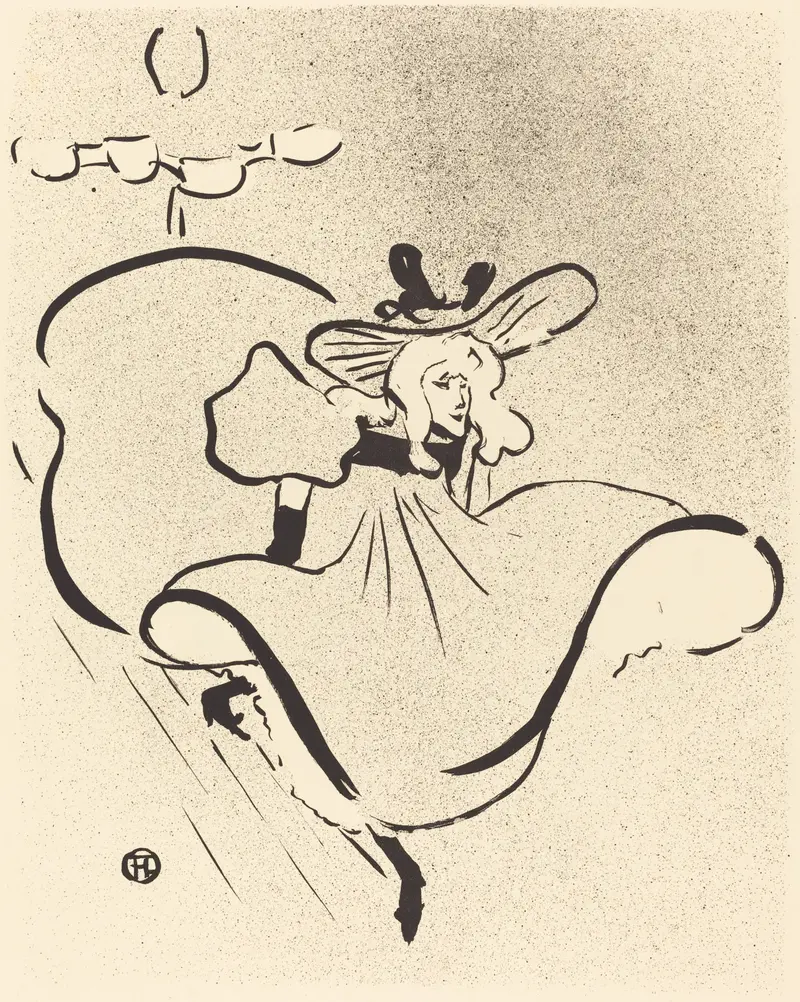
Jane Avril
Henri de Toulouse-Lautrec
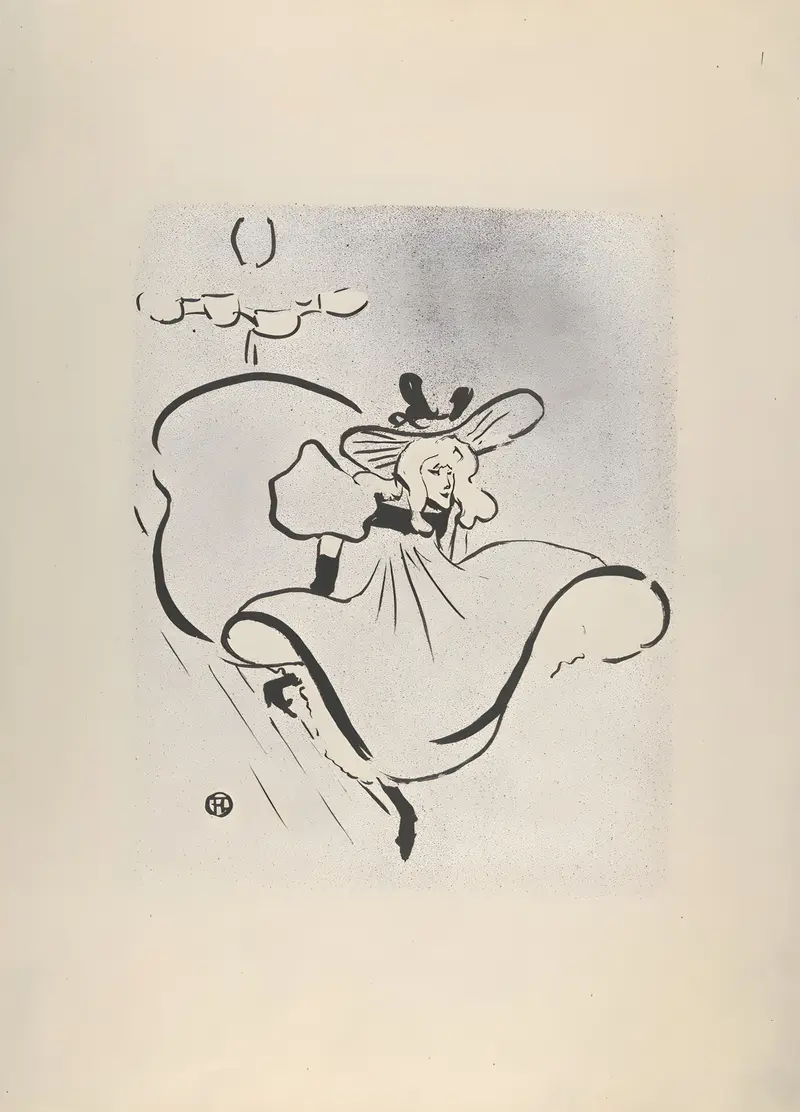
Jane Avril.
Henri de Toulouse-Lautrec

Quadrille at the Moulin Rouge
Henri de Toulouse-Lautrec
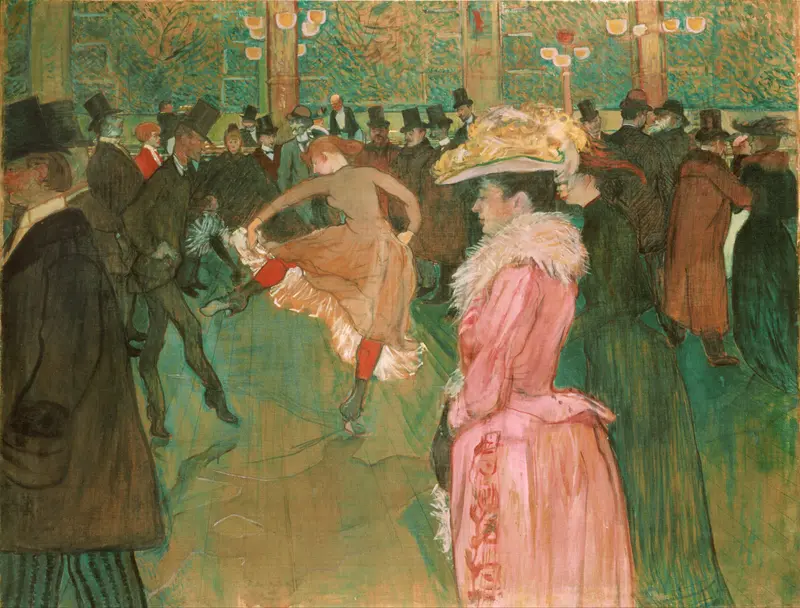
At the Moulin Rouge- The Dance
Henri de Toulouse-Lautrec
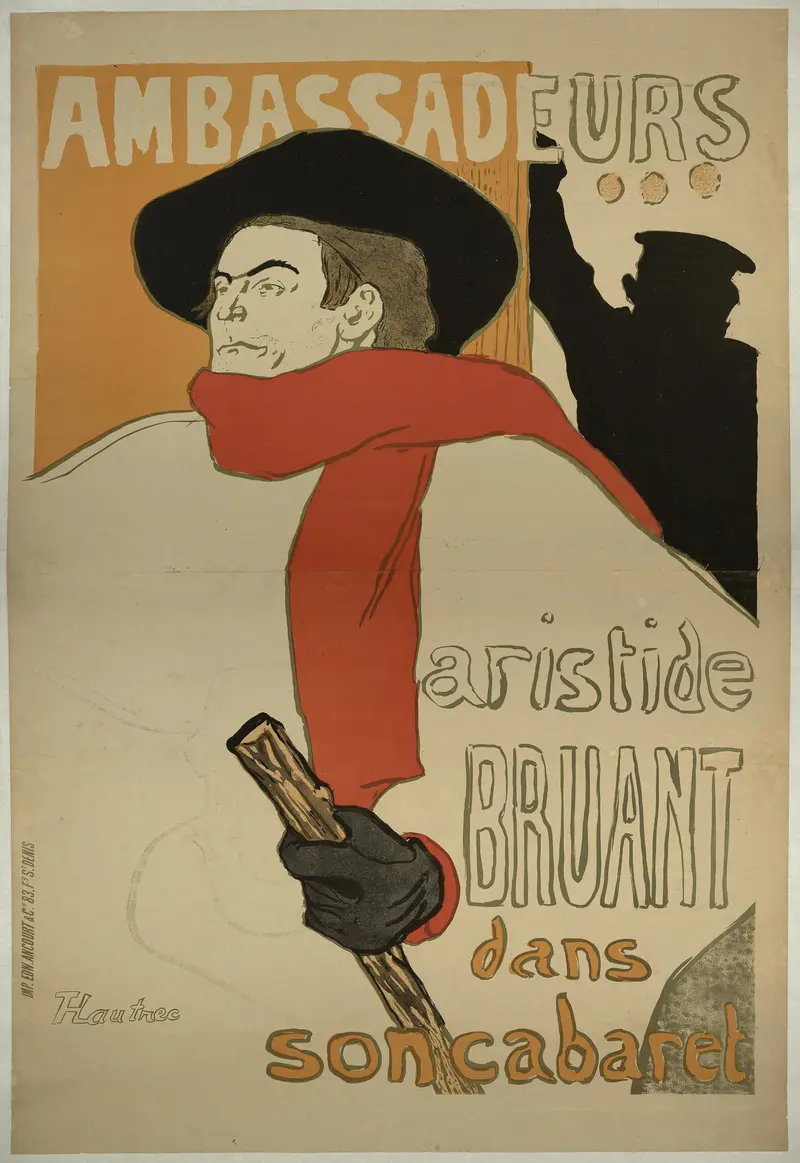
Ambassadeurs. Aristide Bruant dans son cabaret
Henri de Toulouse-Lautrec
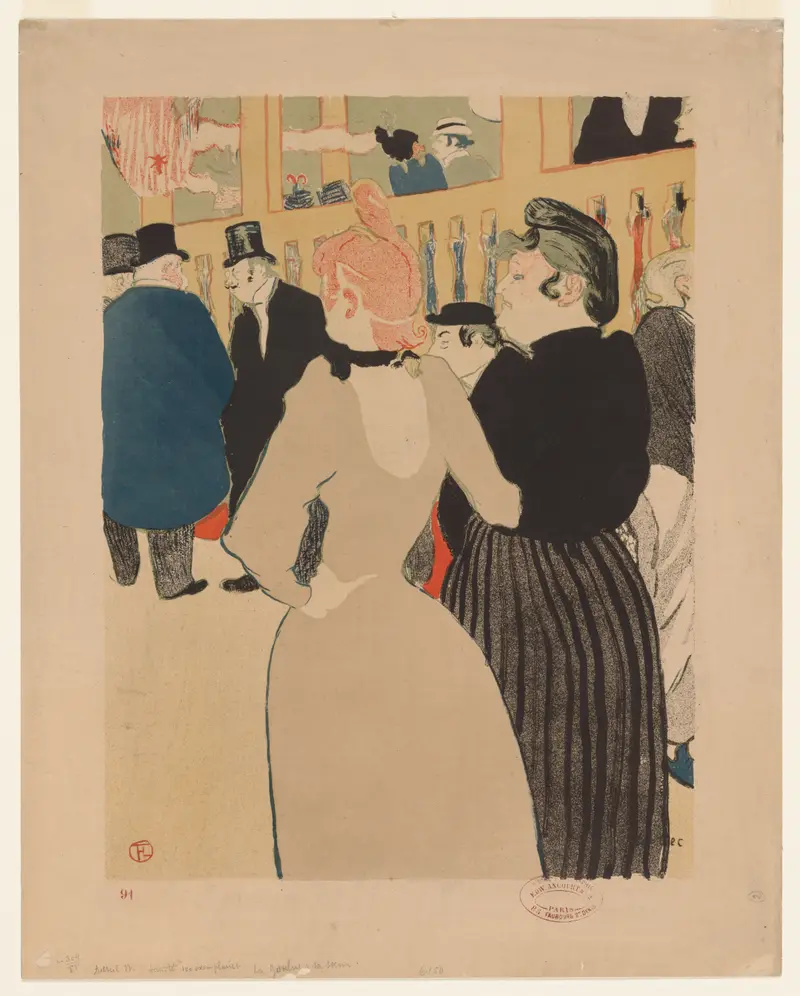
At the Moulin Rouge; La Goulue and Her Sister
Henri de Toulouse-Lautrec
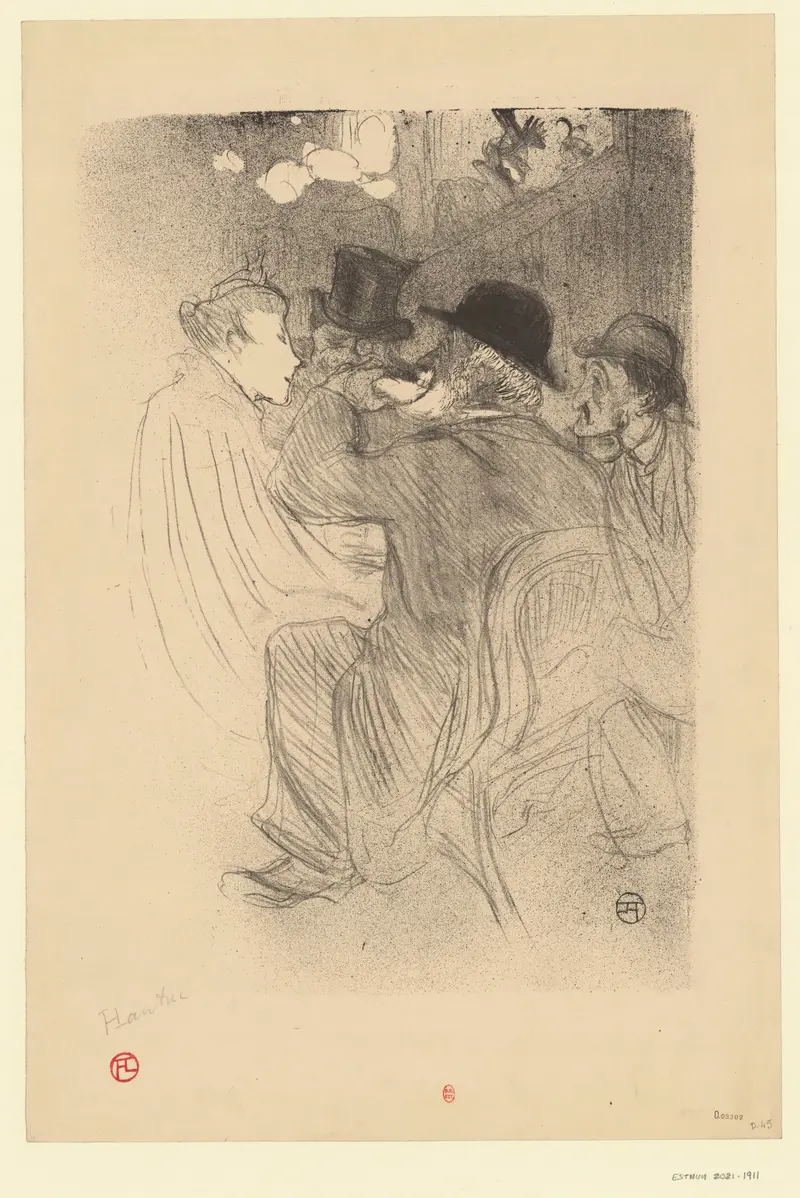
Au Moulin Rouge;Un Rude! Un Vrai Rude!
Henri de Toulouse-Lautrec
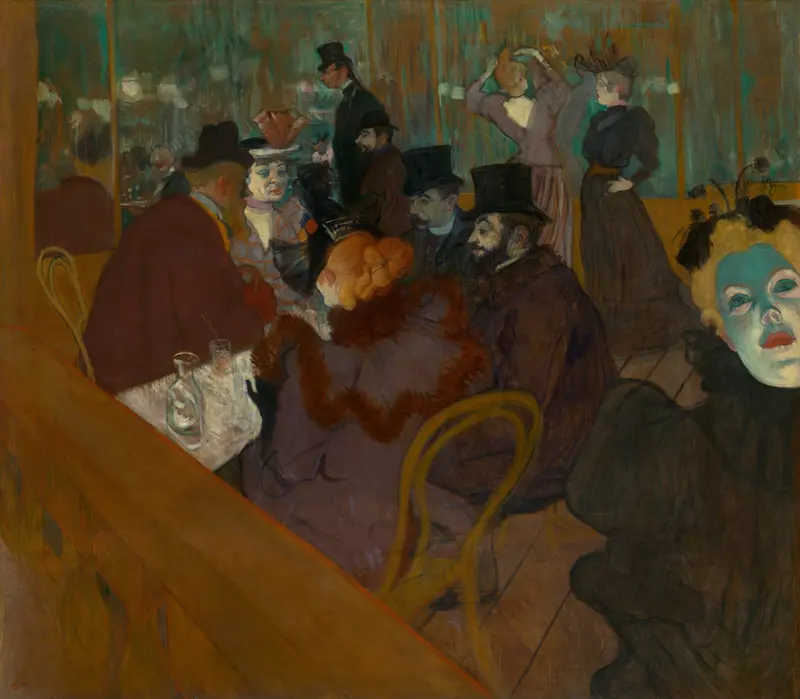
At the Moulin Rouge
Henri de Toulouse-Lautrec
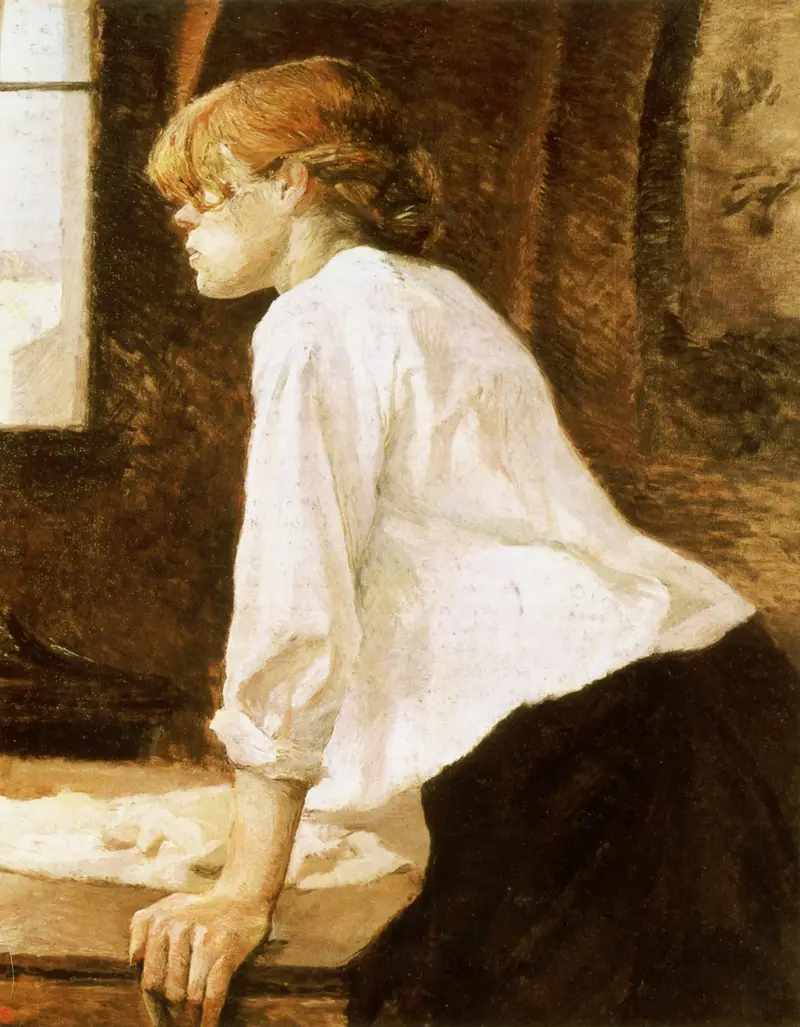
La Blanchisseuse
Henri de Toulouse-Lautrec
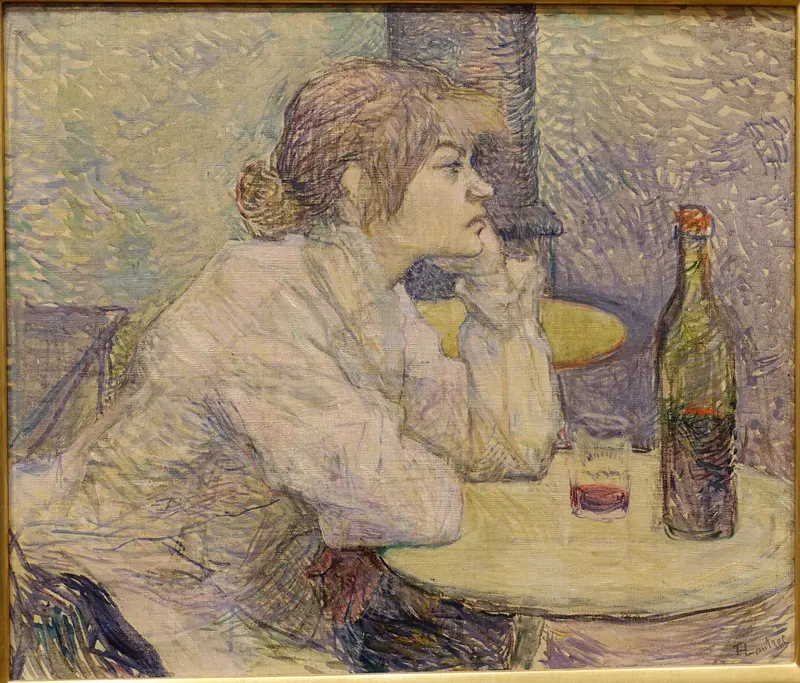
The Hangover (Suzanne Valadon)
Henri de Toulouse-Lautrec
More Genre Scene Art

Banquet of the Officers of the St George Civic Guard
Frans Hals

Rembrandt and Saskia in the Scene of the Prodigal Son
Rembrandt van Rijn

Bal du moulin de la Galette
Pierre-Auguste Renoir
Quadrille at the Moulin Rouge
Henri de Toulouse-Lautrec

A Burial at Ornans
Gustave Courbet

When Will You Marry?
Paul Gauguin