
Rue Lacépède — History & Facts
In the tranquility of a Parisian street, life unfolds between the shadows and the light, revealing layers of stories waiting to be heard. Look to the left at the façade of a charming building, its ochre walls softly illuminated by the afternoon sun. The interplay of light and shadow captures the essence of a moment frozen in time, inviting the viewer to explore the delicate details of the windows and doorways that beckon us into their narratives. The artist’s gentle brushwork creates a sense of movement, as if the breeze whispers through the trees, while vibrant splashes of green contrast with muted earth tones, enlivening the scene. Within this seemingly simple street view lies a deeper exploration of solitude and connection.
Notice the solitary figure meandering through the cobblestone pathway, embodying both the joy and melancholy of urban life. The balance between the lively colors and the subdued mood evokes a sense of nostalgia, prompting reflections on the passage of time and the stories we carry with us. Each element resonates as a reminder of the human experience, revealing a world rich with unspoken emotions. In 1895, while creating Rue Lacépède, the artist was immersed in the vibrant art scene of late 19th-century Paris, a time of great innovation and change.
Séguin, a member of the Post-Impressionist movement, sought to capture the ephemeral beauty of everyday life amidst the city’s rapid transformation. His work reflects a period of personal exploration, as he engaged with new techniques and pushed the boundaries of perception, ultimately revealing the profound connections between art and the human condition.
More Artworks by F. Séguin
Browse all →
Rue Brantôme. (anciennement rue des Petits Champs donnant rue Saint Martin et rue Beaubourg)
F. Séguin
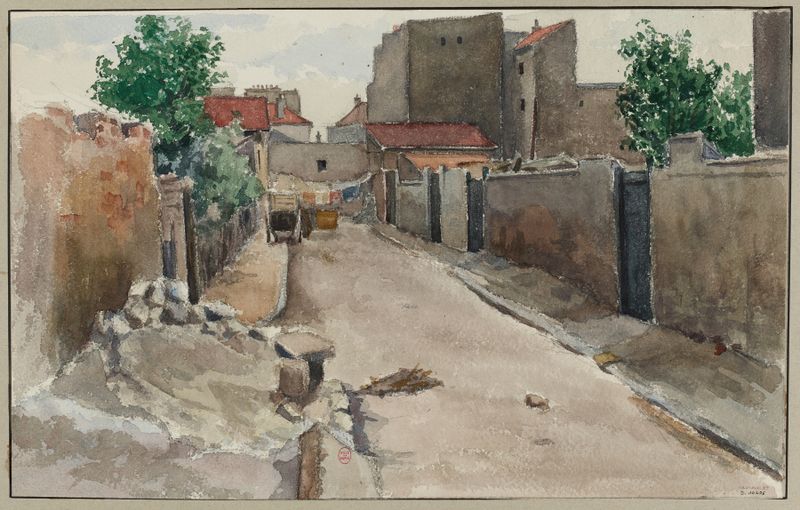
La rue de Chambéry, prise de la rue de Nice la Frontière
F. Séguin
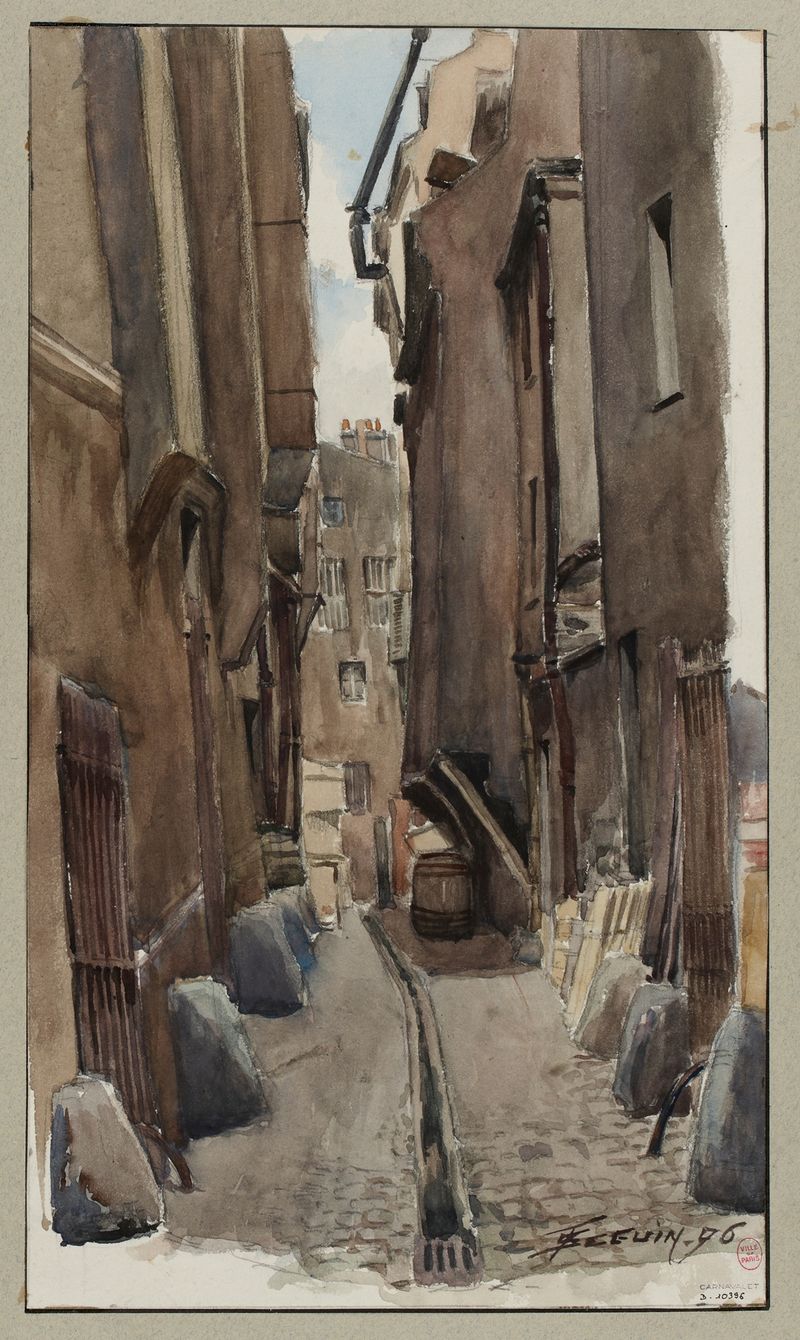
Le Cul de sac du Bœuf, (rue Saint Merri)
F. Séguin

Rue Descartes
F. Séguin
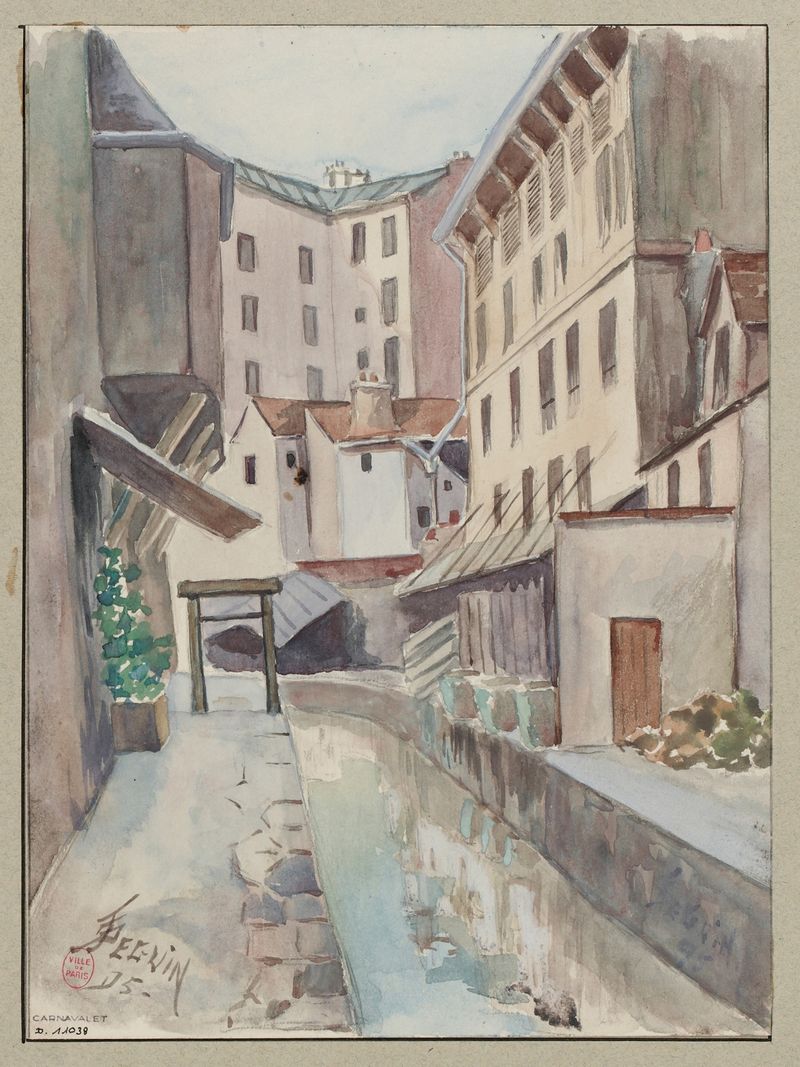
Le bord de la Bièvre à l’avenue des Gobelins
F. Séguin

Villa des Otages mur où furent fusillés les 52 derniers otages de la Commune, rue Haxo
F. Séguin
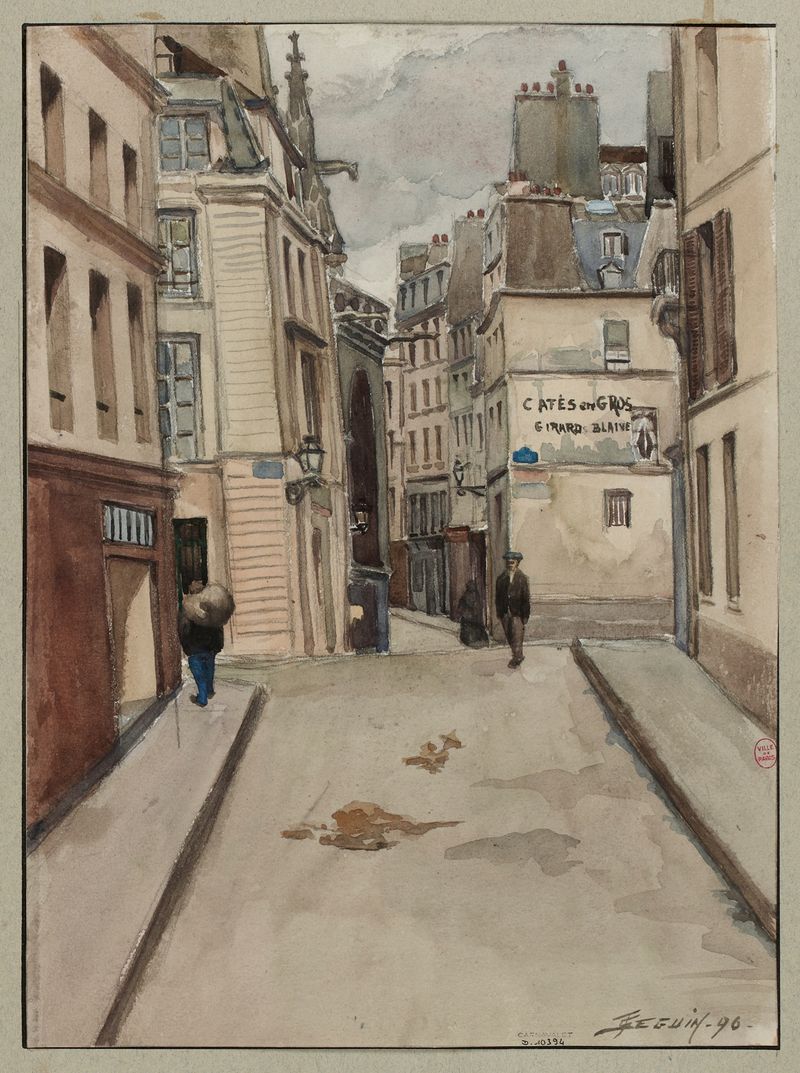
Rue du Cloître Saint Mérry, de la rue du Renard à la rue Saint Martin
F. Séguin
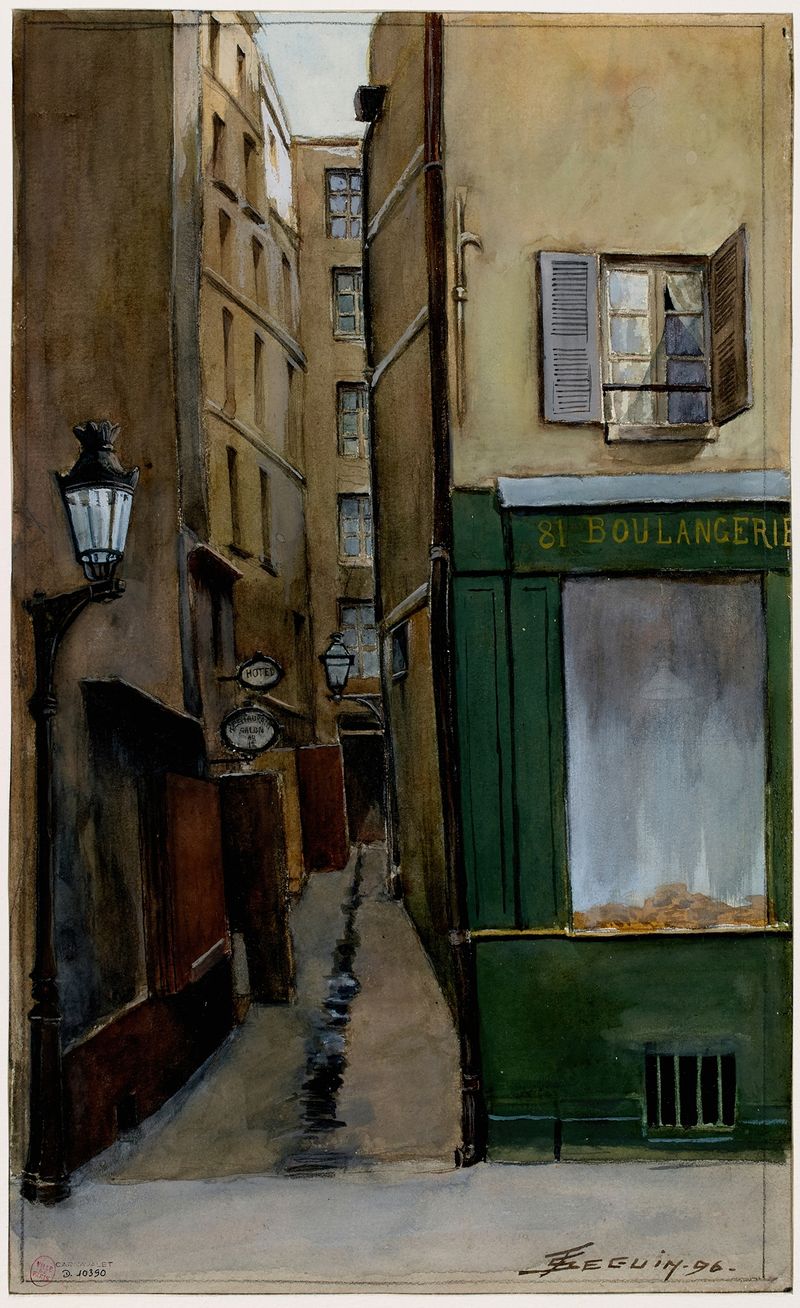
Cul de sac du Fiacre, 81 rue Saint Martin
F. Séguin
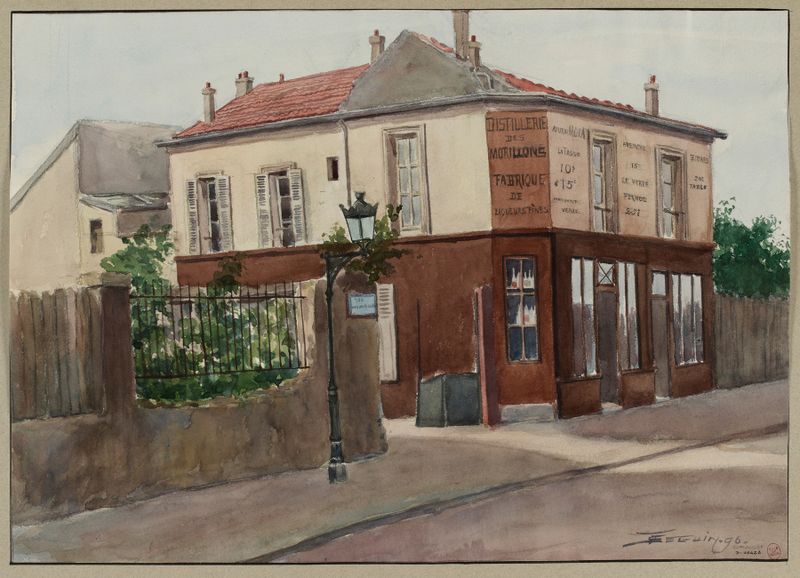
Angle de l’impasse Carlier et au 24 rue des Morillons, Vaugirard
F. Séguin
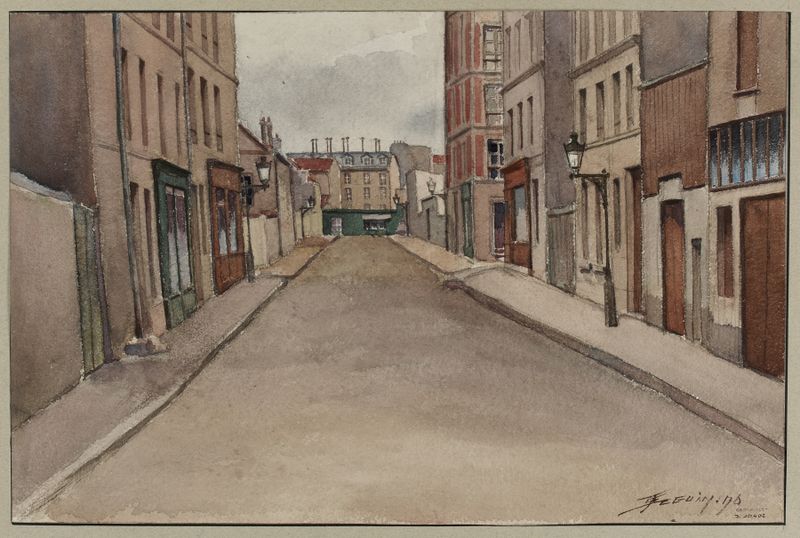
Rue Franquet
F. Séguin





