
Ruins of a Monastery — History & Facts
Who listens when art speaks of silence? In the stillness of Ruins of a Monastery, emptiness resonates with a haunting clarity that calls to the soul. Look to the left, where crumbling stone arches reach upward, their once-majestic forms now succumbing to the encroaching embrace of nature. The muted earth tones of ochre and gray contrast with flecks of green, suggesting the gradual reclamation of this sacred space by the surrounding land. Notice how the light delicately washes over the weathered surfaces, casting intricate shadows that carve out the history embedded in every fissure and crevice.
The composition invites you to wander through the remnants of the past, each detail revealing a narrative of loss and decay. In this work, the contrast between man-made structure and the relentless force of nature evokes an emotional tension that transcends mere aesthetic appreciation. The monastery, once a hub of spiritual activity, now stands as a testament to the transience of human achievement. This juxtaposition of stillness and the passage of time elicits a deep introspection about existence and the inevitability of change.
Each stone, though empty of purpose, begs the viewer to reflect on their own experiences of solitude and disconnection. Created during the late 19th to early 20th century in the midst of a period marked by artistic experimentation and the rise of Impressionism, Ruins of a Monastery showcases Alphonse Legros’s engagement with themes of decay and the sublime. Living in England after leaving France, he found inspiration in the remnants of the past, reflecting a world grappling with rapid modernization while also seeking solace in the timelessness of historical ruins.
More Artworks by Alphonse Legros
Browse all →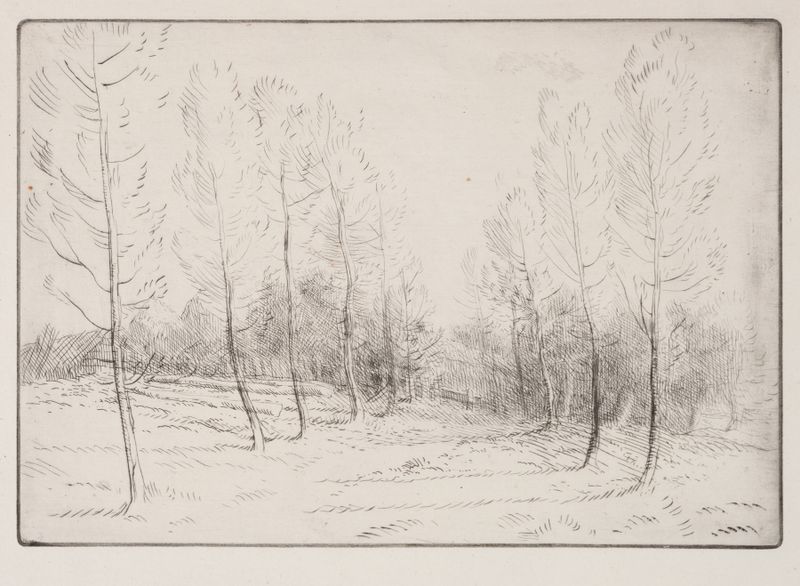
Avenue of Poplars
Alphonse Legros
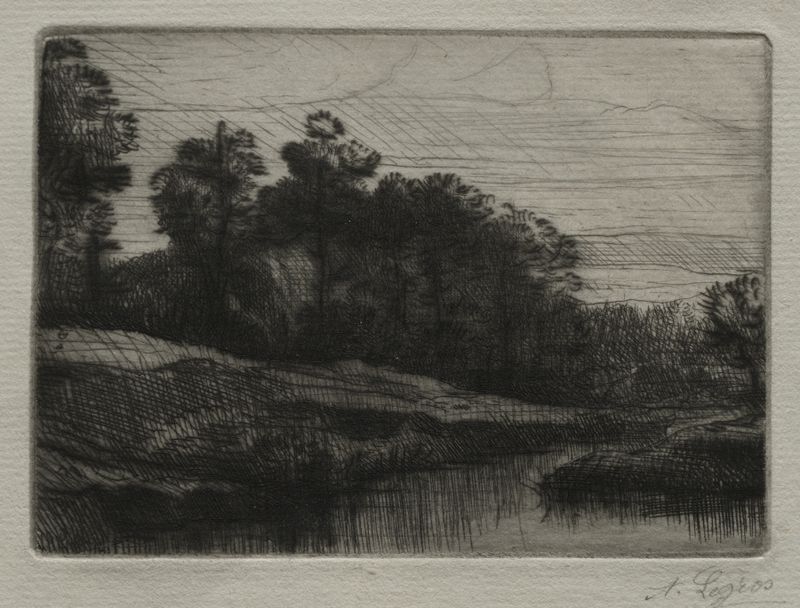
Evening
Alphonse Legros

The Fish in the Hoop Net
Alphonse Legros

The Little Beggar
Alphonse Legros
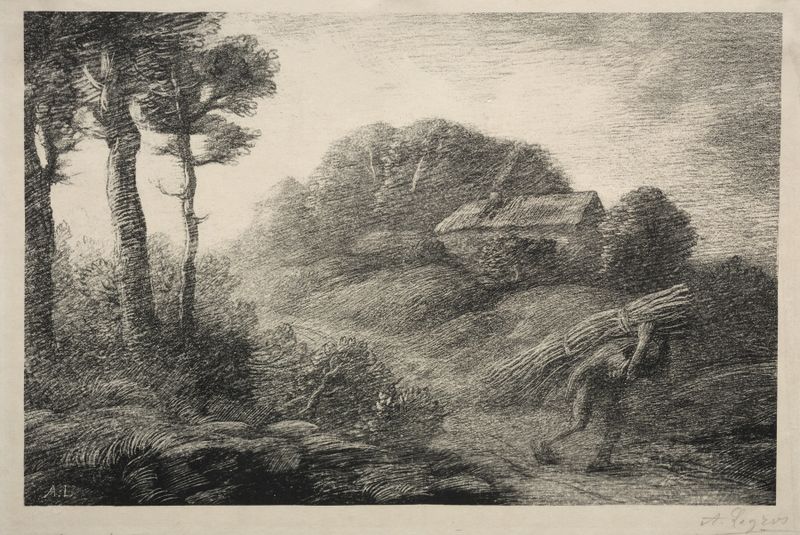
The Return of the Fagot Gatherer
Alphonse Legros

Storm
Alphonse Legros
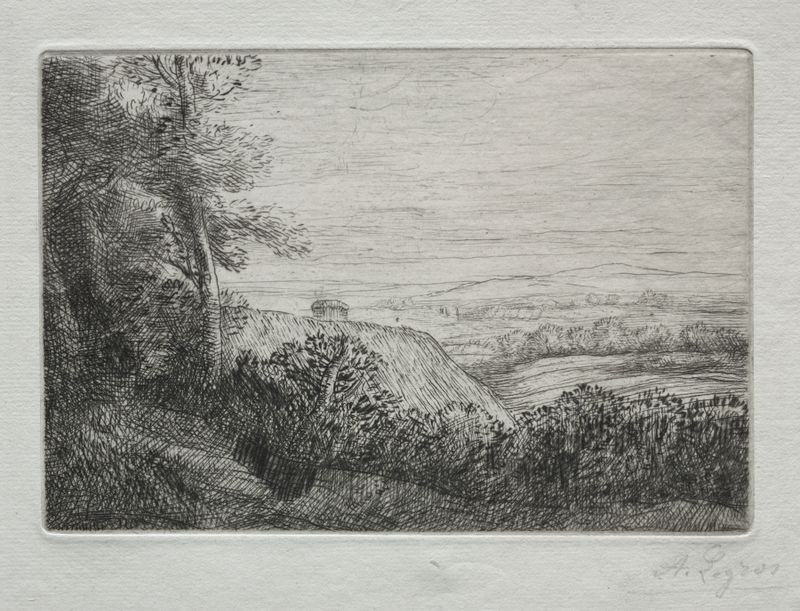
Les dernière Rayons de Soleil
Alphonse Legros
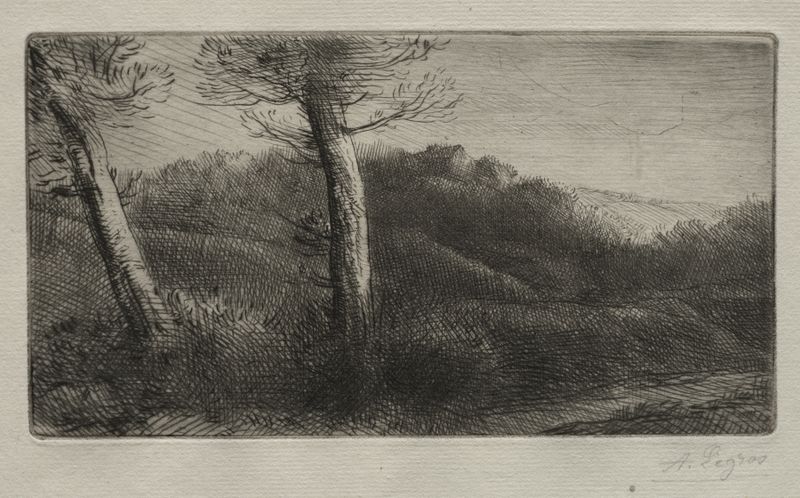
The Traveler Stretched out on the Grass
Alphonse Legros
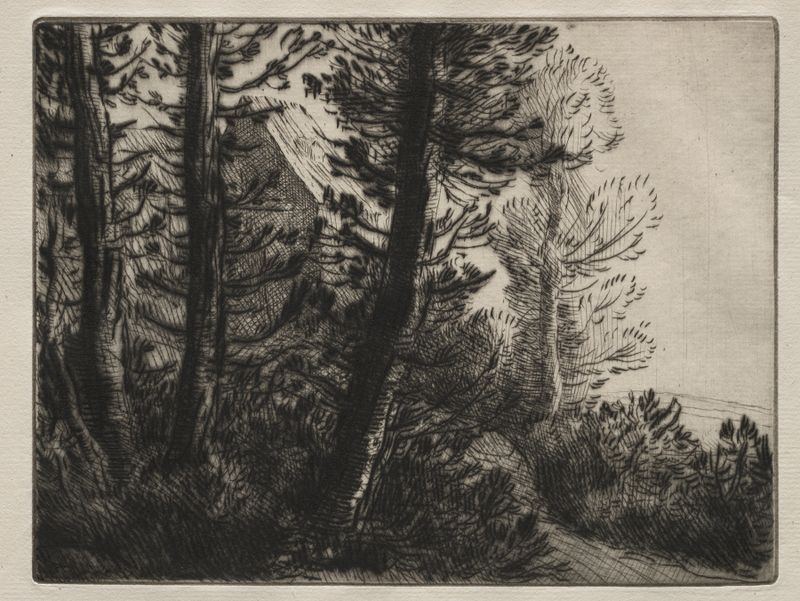
Guard House
Alphonse Legros

Death of a Vagabond
Alphonse Legros
More Architecture Art
Browse all →
The statue of Liberty
Frédéric Auguste Bartholdi

View of Houses in Delft, Known as ‘The Little Street’
Johannes Vermeer

View of Houses in Delft, Known as ‘The Little Street’
Johannes Vermeer

The Cathedral in Rouen. The portal, Grey Weather
Claude Monet

The yellow house
Vincent van Gogh

The Church in Auvers-sur-Oise, View from the Chevet
Vincent van Gogh