
Ruïnes van de tempel van de Zon en de Maan bij het Colosseum — History & Facts
Can beauty exist without sorrow? The gentle decay of ancient architecture whispers of life once lived and dreams now faded, inviting contemplation of mortality within the frames of history. Look closely at the ruins, where crumbling stones and vibrant foliage intermingle. Notice how the sunlight casts soft shadows, illuminating the bold textures of the weathered stone. The composition draws the eye from the majestic archway at the center to the distant horizon, where a hint of twilight paints the sky in hues of orange and purple.
Breenbergh’s meticulous brushwork captures the interplay of light and shadow, creating a palpable sense of age and nostalgia. Delve deeper into the nuances of the scene, where contrasts emerge between life and decay. The vibrant greenery that clings tenaciously to the ruins symbolizes resilience, while the decrepit structures remind us of impermanence and the weight of time. Each stone carries the memory of its past glory, hinting at the stories of those who once gathered beneath these arches, evoking a bittersweet sense of longing for what has been lost. In the late 17th century, Bartholomeus Breenbergh was immersed in the cultural resurgence of classical themes in art, influenced by the landscapes and architecture he encountered in Italy.
Painting during this period of artistic exploration, he sought to fuse history with the present, reflecting the enduring fascination with ruins. This work, crafted in the heart of Rome, showcases not only his technical skill but also the poignant relationship humanity has with its own mortality.
More Artworks by Bartholomeus Breenbergh
Browse all →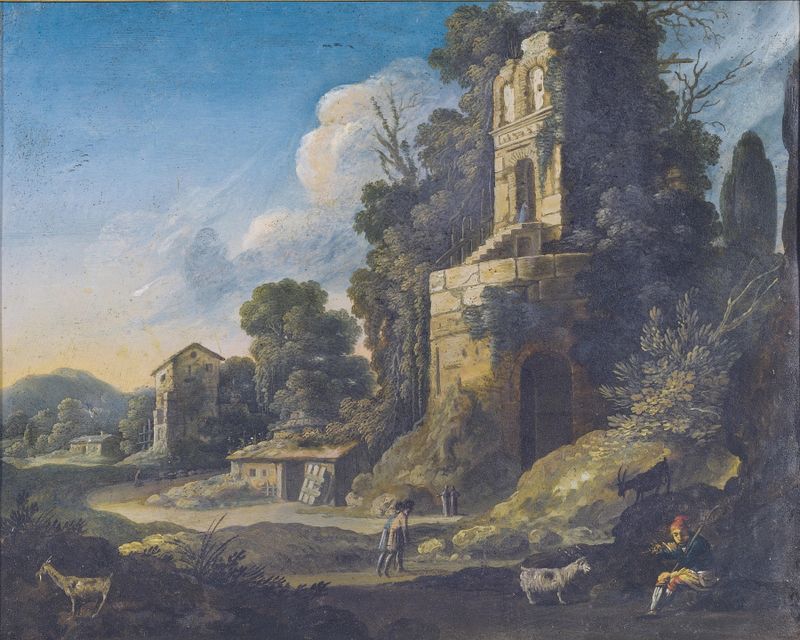
Italianate landscape with buildings and a herdsman playing pipes
Bartholomeus Breenbergh

Arcadian Landscape
Bartholomeus Breenbergh

Ruïnes van keizerlijk paleis te Rome
Bartholomeus Breenbergh

Ruïne van het Colosseum
Bartholomeus Breenbergh
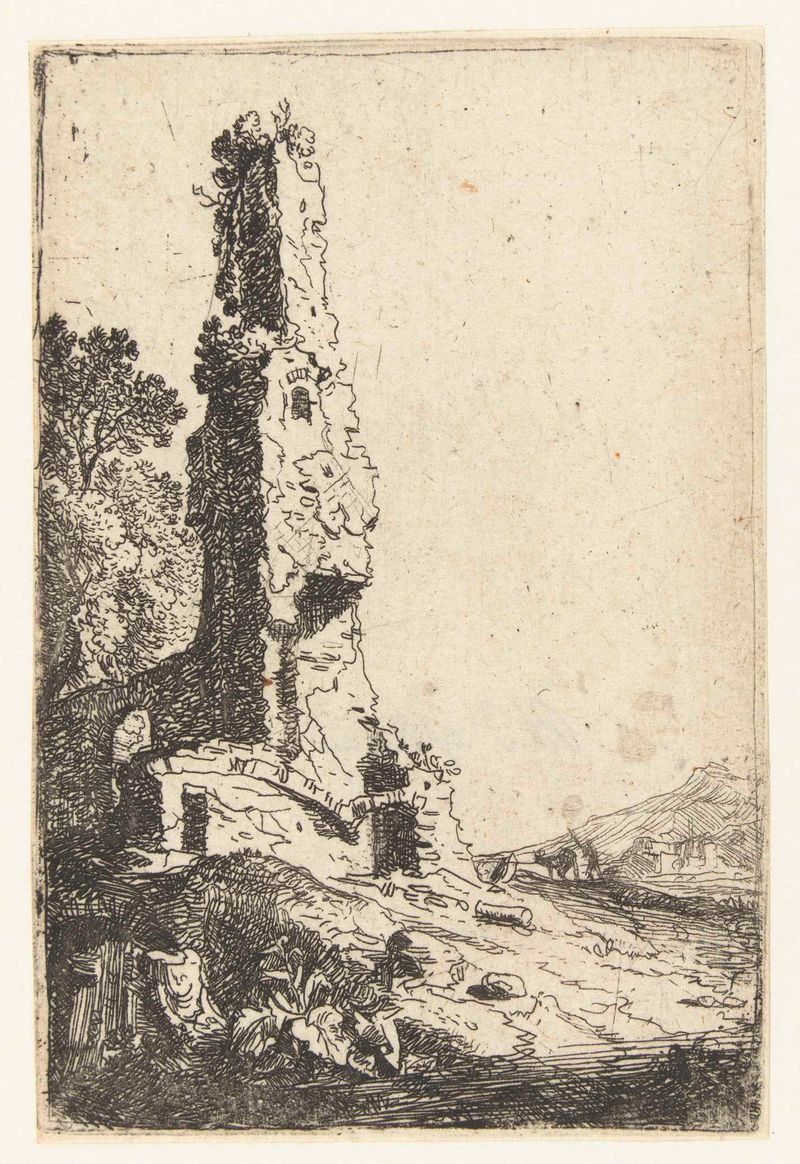
Ruïnes van de stadsmuren van Rome
Bartholomeus Breenbergh
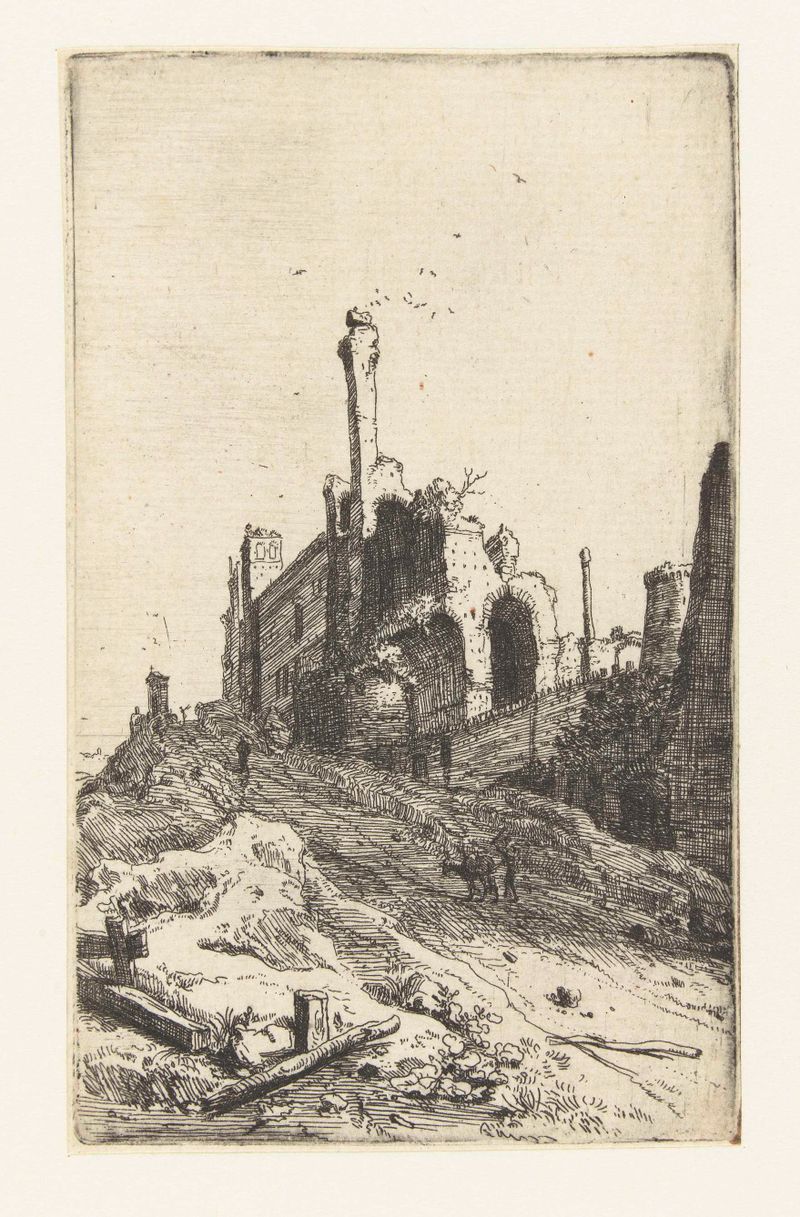
Ruïnes van een paleis te Tivoli
Bartholomeus Breenbergh

Figures Among Ruins By The Tiber
Bartholomeus Breenbergh

Italian Landscape with the Aurelian Wall
Bartholomeus Breenbergh
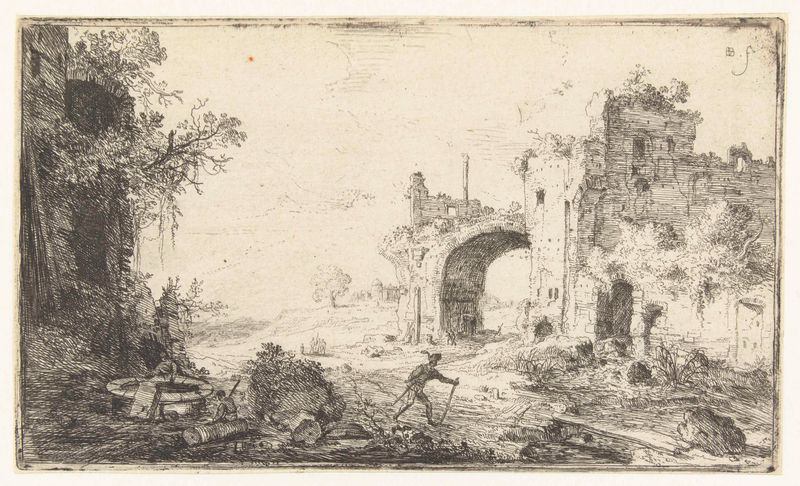
Ruïnes van de thermen van Caracalla
Bartholomeus Breenbergh
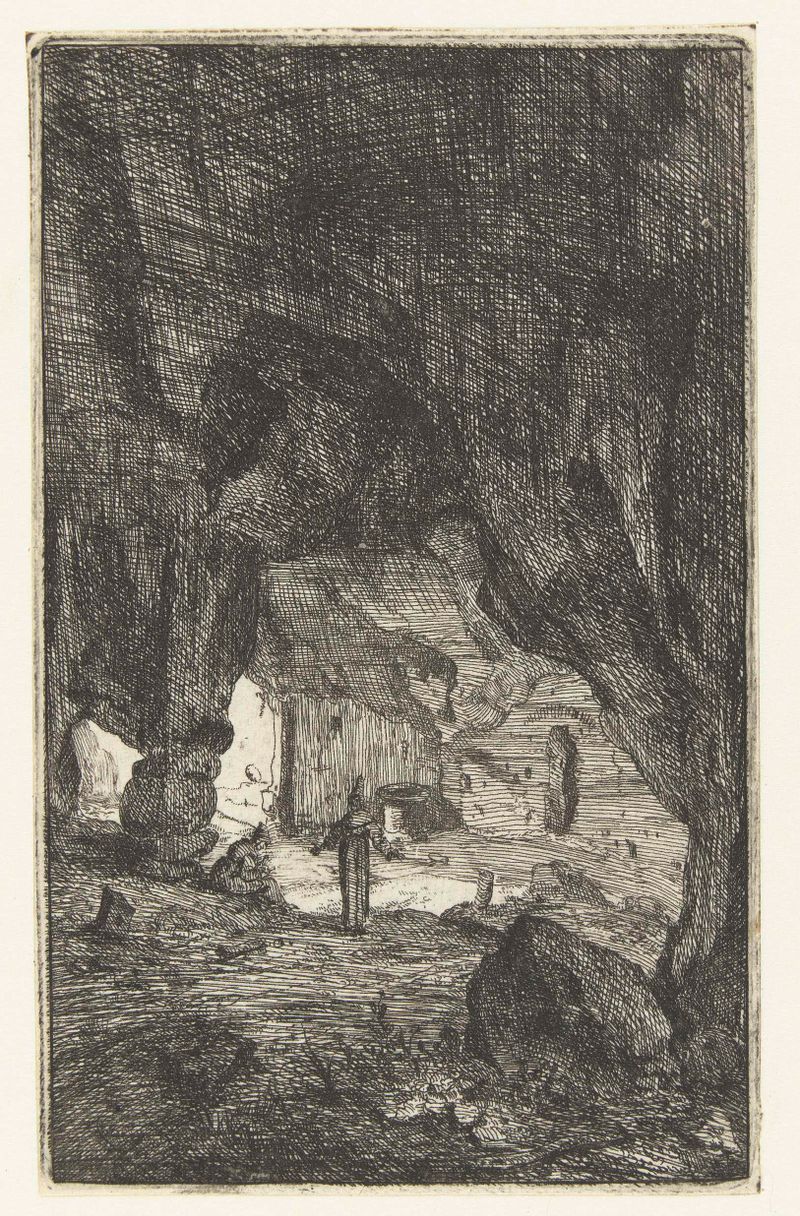
Interieur van een grot
Bartholomeus Breenbergh
More Architecture Art
Browse all →
The statue of Liberty
Frédéric Auguste Bartholdi

View of Houses in Delft, Known as ‘The Little Street’
Johannes Vermeer

View of Houses in Delft, Known as ‘The Little Street’
Johannes Vermeer

The Cathedral in Rouen. The portal, Grey Weather
Claude Monet

The yellow house
Vincent van Gogh

The Church in Auvers-sur-Oise, View from the Chevet
Vincent van Gogh