Rustende vissers op een strand bij helder weer — History & Analysis
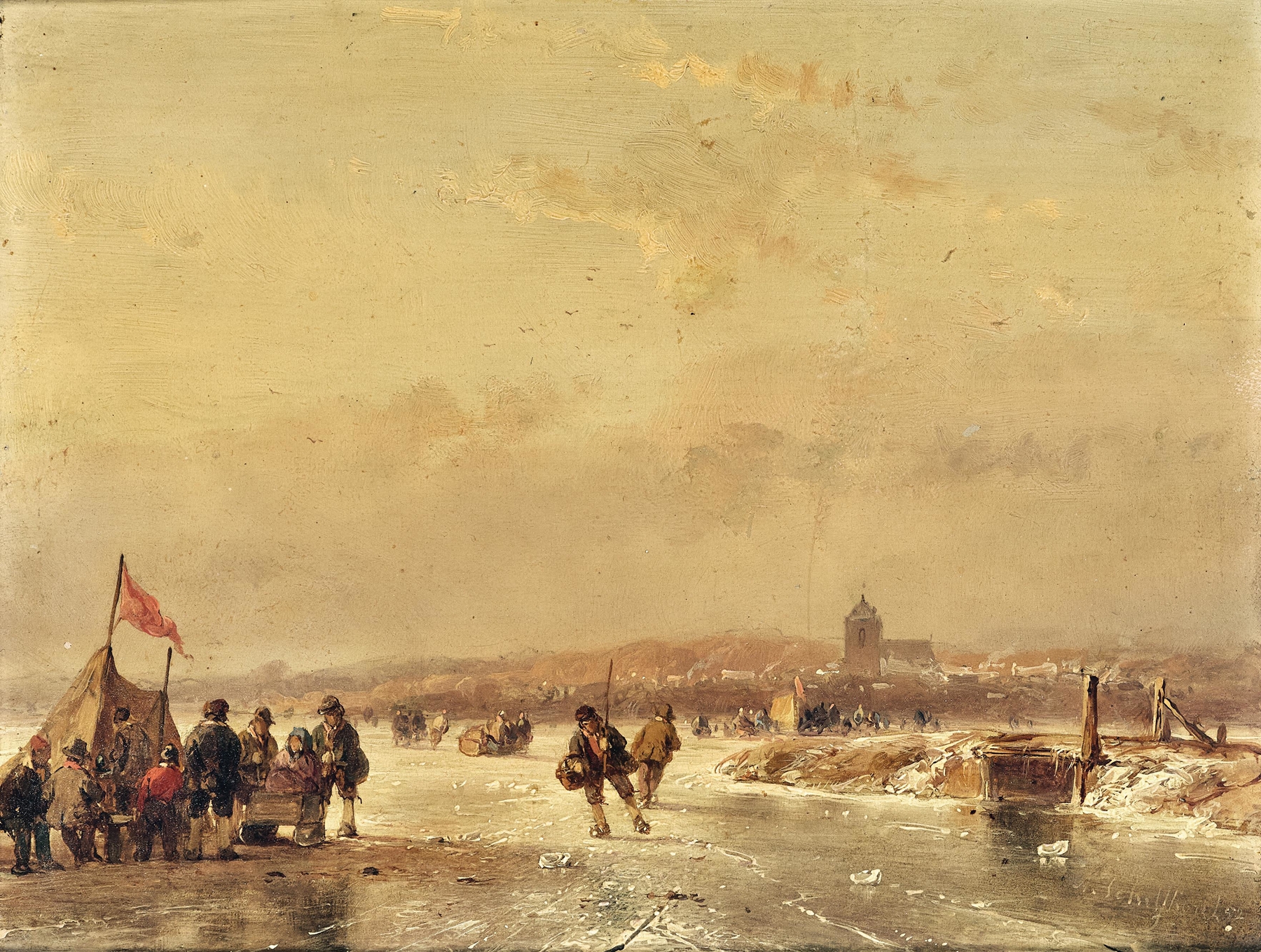
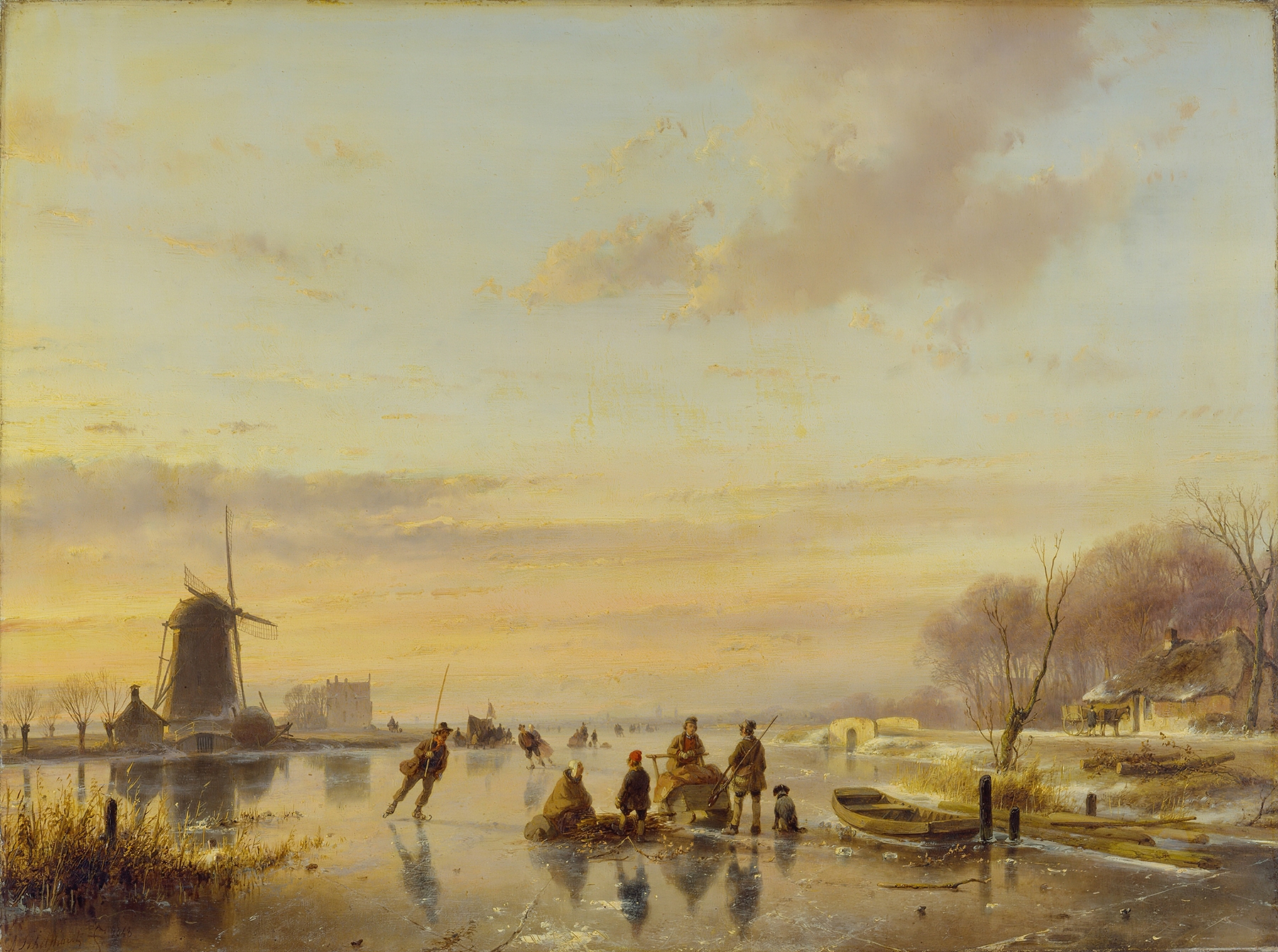
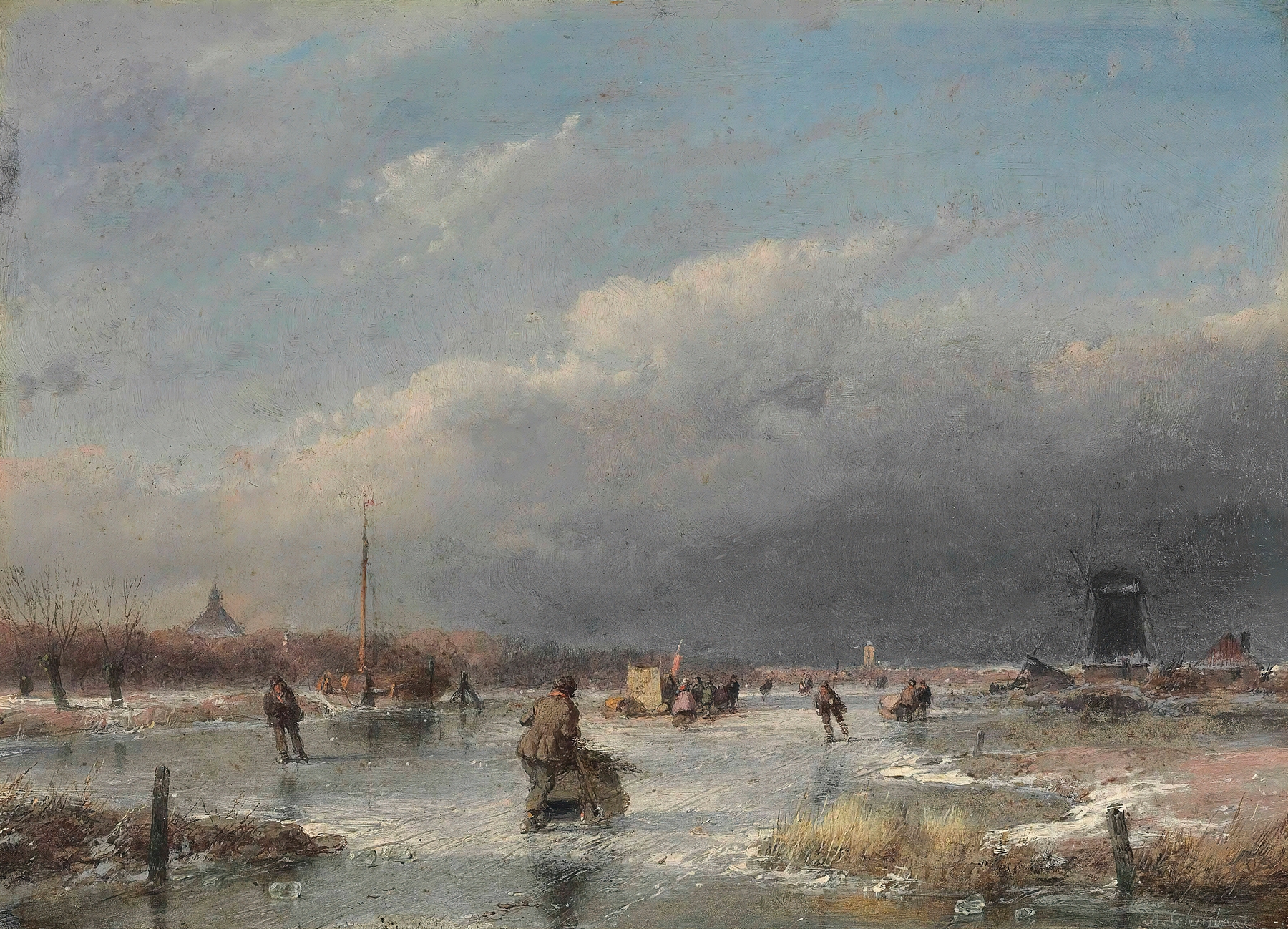
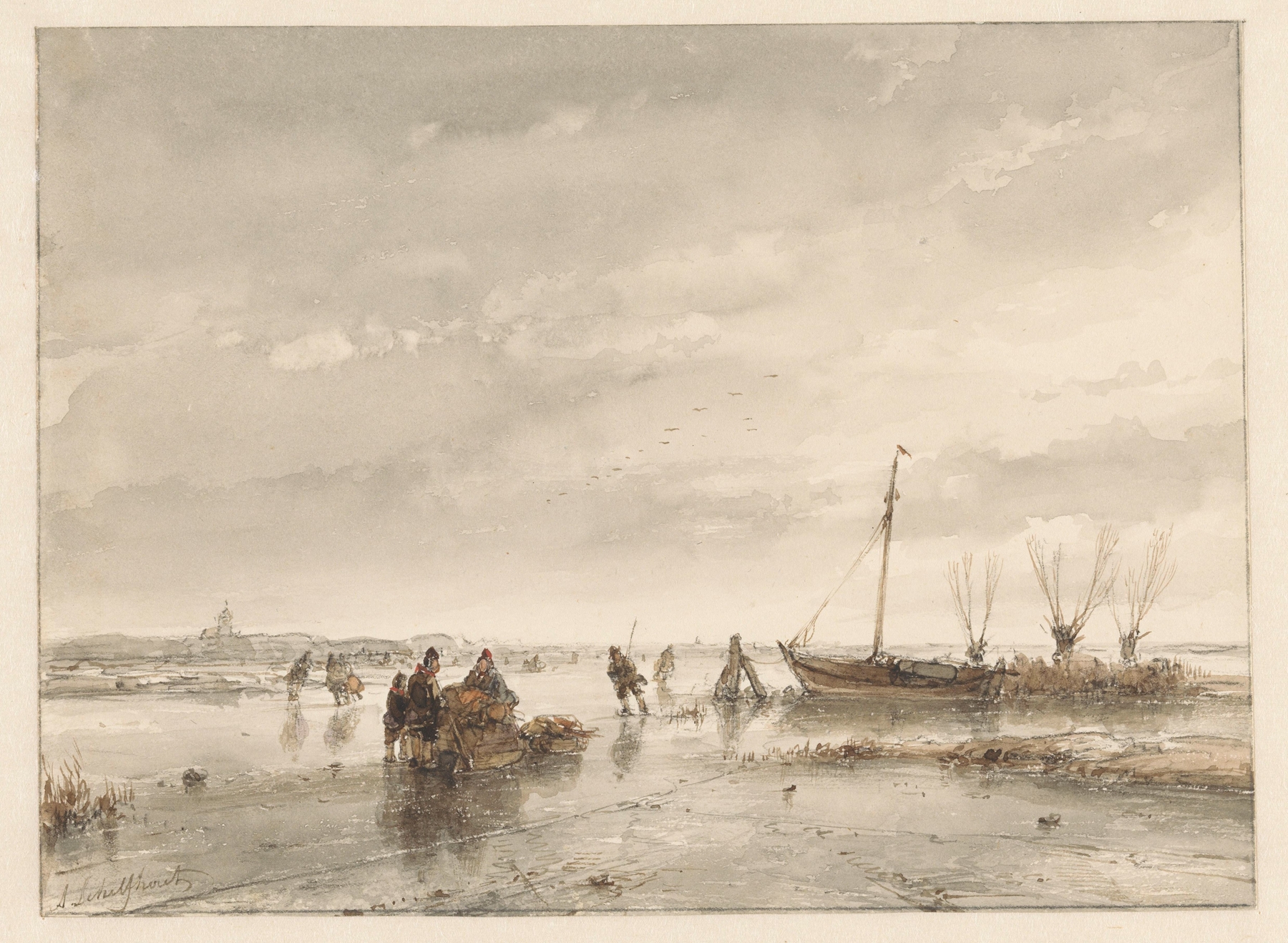
Could beauty survive in a century of chaos? In the midst of an ever-changing world, the delicate balance of nature and human endeavor continues to whisper through the annals of time. Look to the left at the gentle slope of the sandy beach, where fishermen tend to their boats, their figures etched against a soft horizon. Notice how the warm light cascades down, illuminating the translucent waves that lap at the shore. The palette of muted blues and earthy browns conveys a sense of serenity, while the billowing clouds above suggest a fleeting moment captured in time.
Each brushstroke reveals the artist's mastery in portraying both the landscape and the subtle interplay between man and the sea. Yet, beneath this tranquil surface lies a deeper narrative. The fishermen, hard at work, symbolize resilience in the face of uncertainty; their toil speaks to humanity's enduring connection to nature, even amid tumult. The stillness of the water contrasts sharply with the potential chaos of an approaching storm, perhaps hinting at the tensions of an era where tradition meets the encroaching challenges of modernity.
This painting becomes a dialogue about legacy—the struggle to preserve beauty and livelihood in a world often at odds with itself. Created between 1802 and 1860, the landscape reflects a period of great transformation in Dutch art, as artists began embracing both realism and romanticism. In Schelfhout's time, the burgeoning industrial revolution was reshaping society, compelling him to convey the beauty of the natural world before it succumbed to progress. This work stands as both a testament to his skill and a poignant reminder of what is at stake when we forget the delicate harmony between humanity and nature.