
Rustic View — History & Facts
What draws the eye first in Rustic View is the sweep of light across the hillside, a hush of early spring that seems to pause the world. The painter, Alexei Kondratievich Savrasov, leads us gently from the shadowed foreground—where a thatched shed huddles under bare branches—out toward the sunlit fields and distant village. The trees, some budding and others still skeletal, stand as witnesses to the changing season, their forms echoed in the rhythm of fence posts and gravestones.
A single bird circles overhead, its flight breaking the calm expanse of sky and hinting at life beyond the frame. The palette, all soft greens and warm ochres, holds the promise of growth, but the scene’s quietness invites reflection rather than celebration. Created in 1867, this landscape belongs to a moment in Russian art when painters began to look closely at the countryside not as a backdrop for grand events, but as a subject worthy of attention in its own right. The Tretyakov Gallery in Moscow, which now holds this work, became a center for such images—paintings that spoke to a growing sense of national identity and a new appreciation for rural life.
In the 1860s, artists like Savrasov were celebrated for their ability to capture the mood of a place, often for a rising class of urban collectors who longed for a connection to the land. History has kept few traces of the specific stories behind modest works like this, but the gentle clarity of Rustic View still invites us to linger, searching for our own meaning in its quiet fields.
More Artworks by Alexei Kondratievich Savrasov
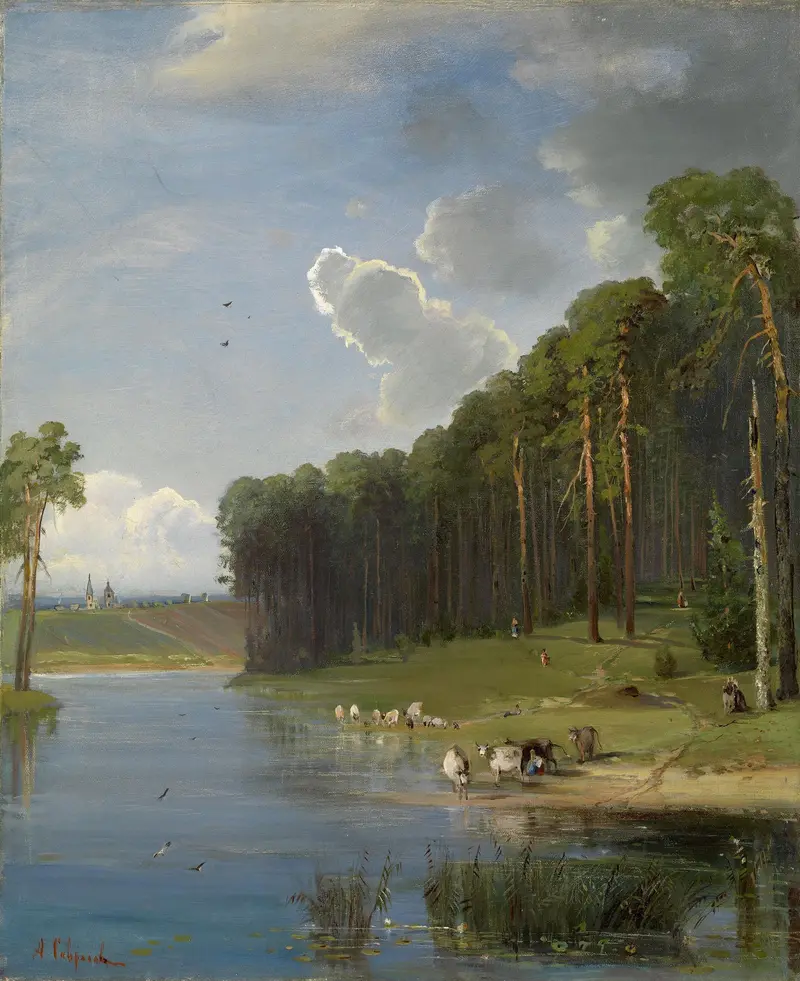
Pastoral scene
Alexei Kondratievich Savrasov
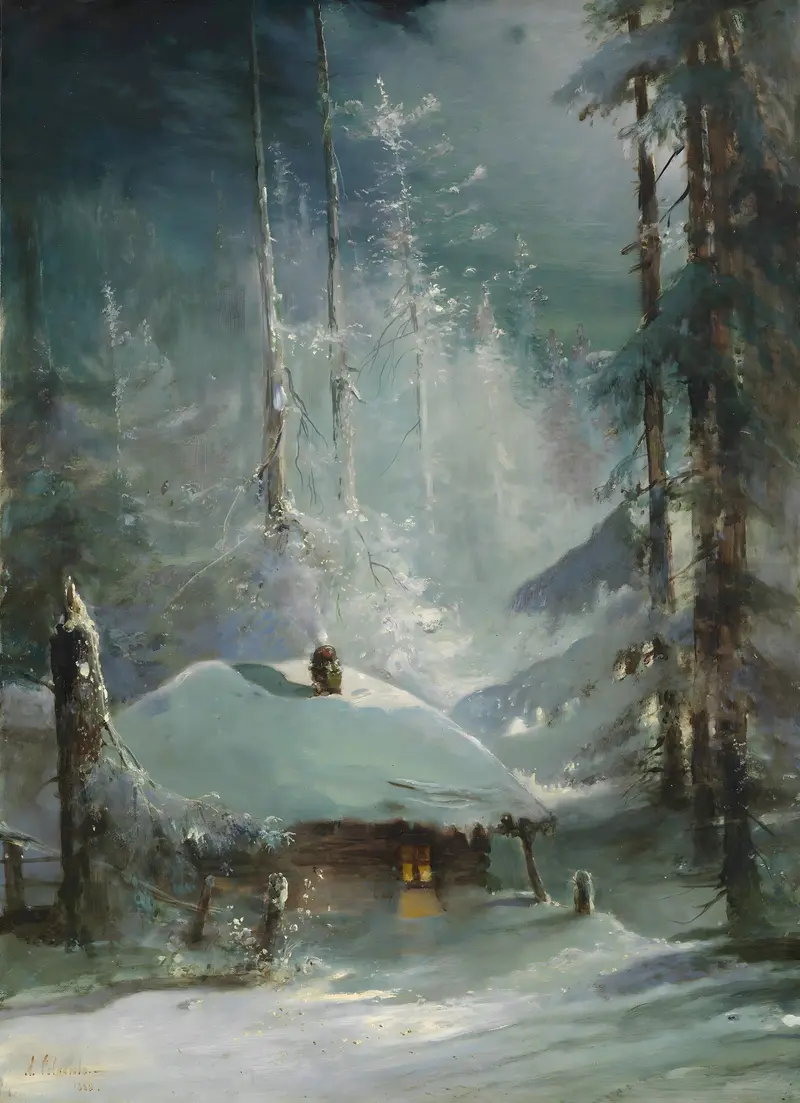
Hut in a wintry forest Object type painting
Alexei Kondratievich Savrasov
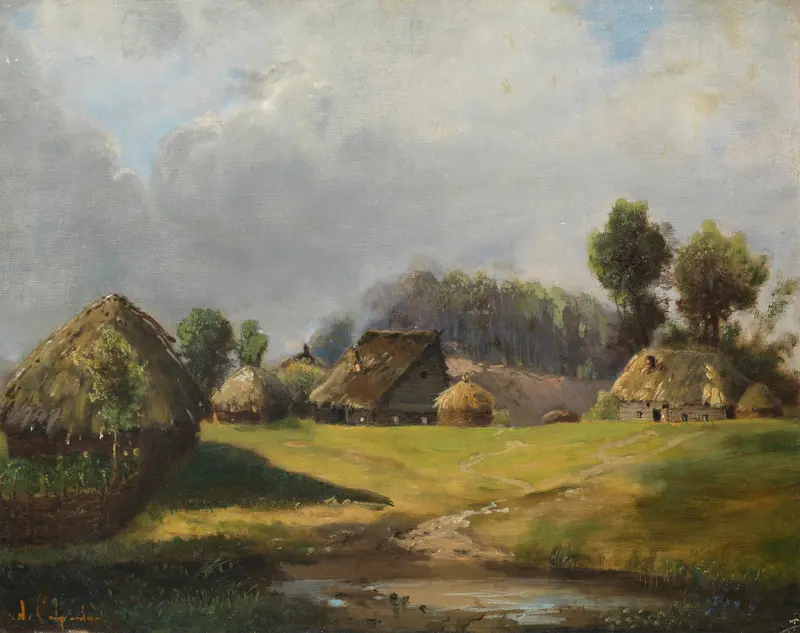
Village by the forest
Alexei Kondratievich Savrasov
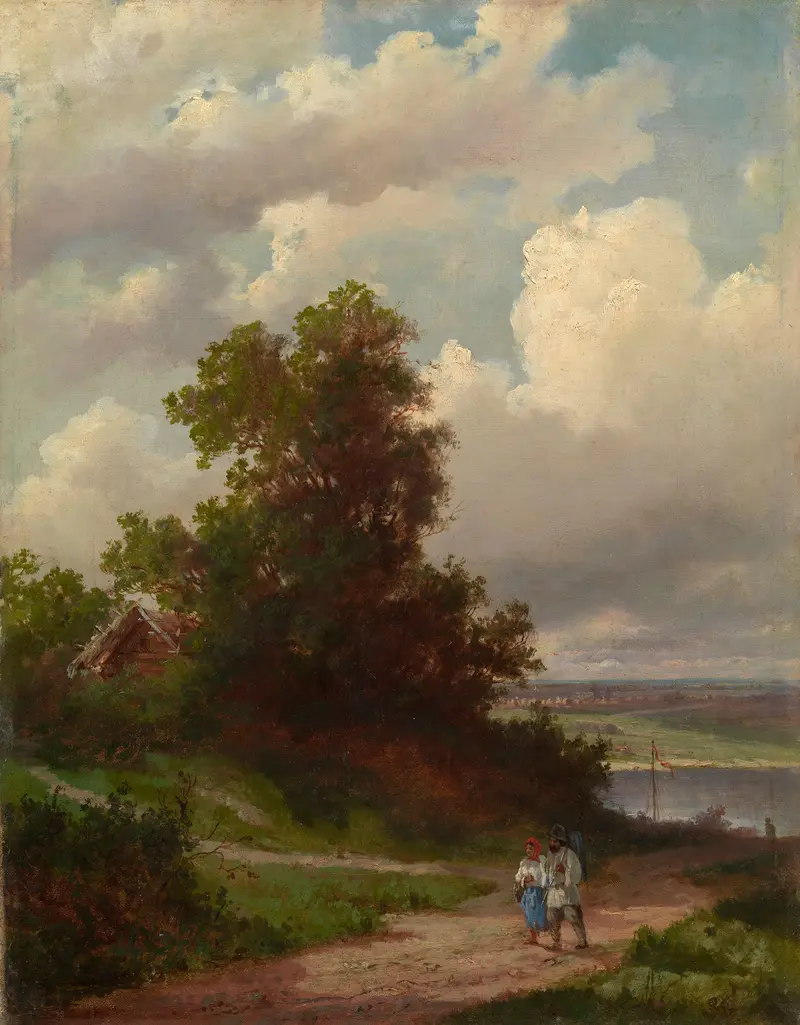
Road by the Volga river
Alexei Kondratievich Savrasov
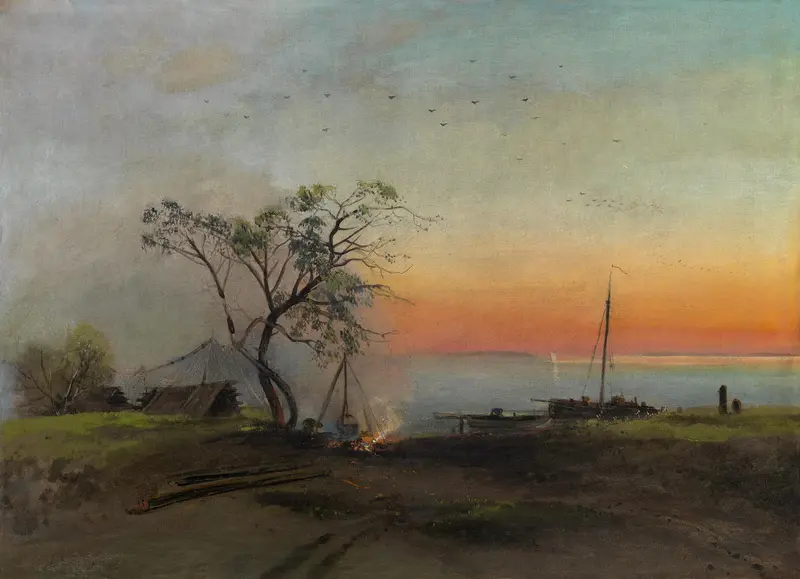
Fishermen on the Volga
Alexei Kondratievich Savrasov
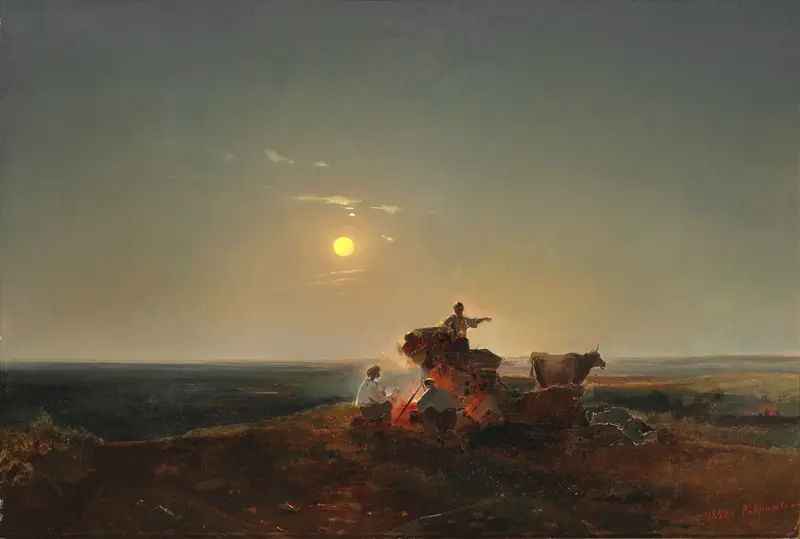
Nomads around a fire on the plain in moonlight
Alexei Kondratievich Savrasov
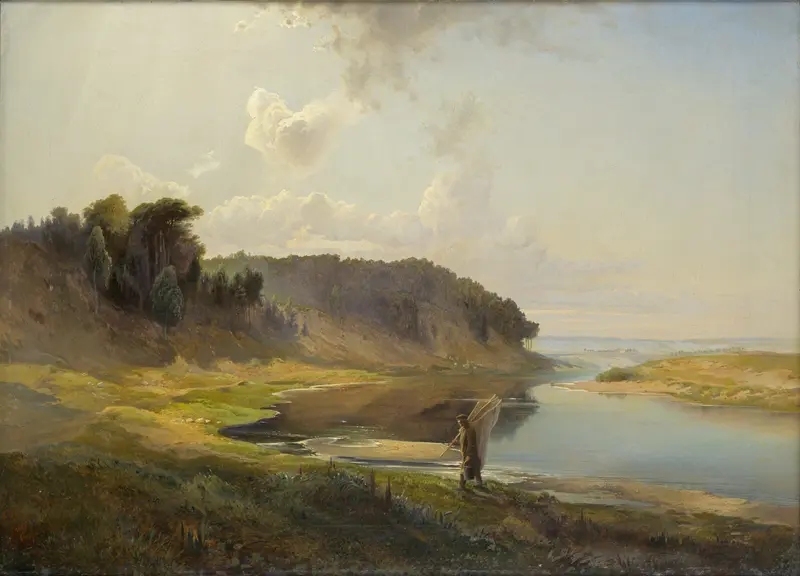
Landscape with a river and angler
Alexei Kondratievich Savrasov
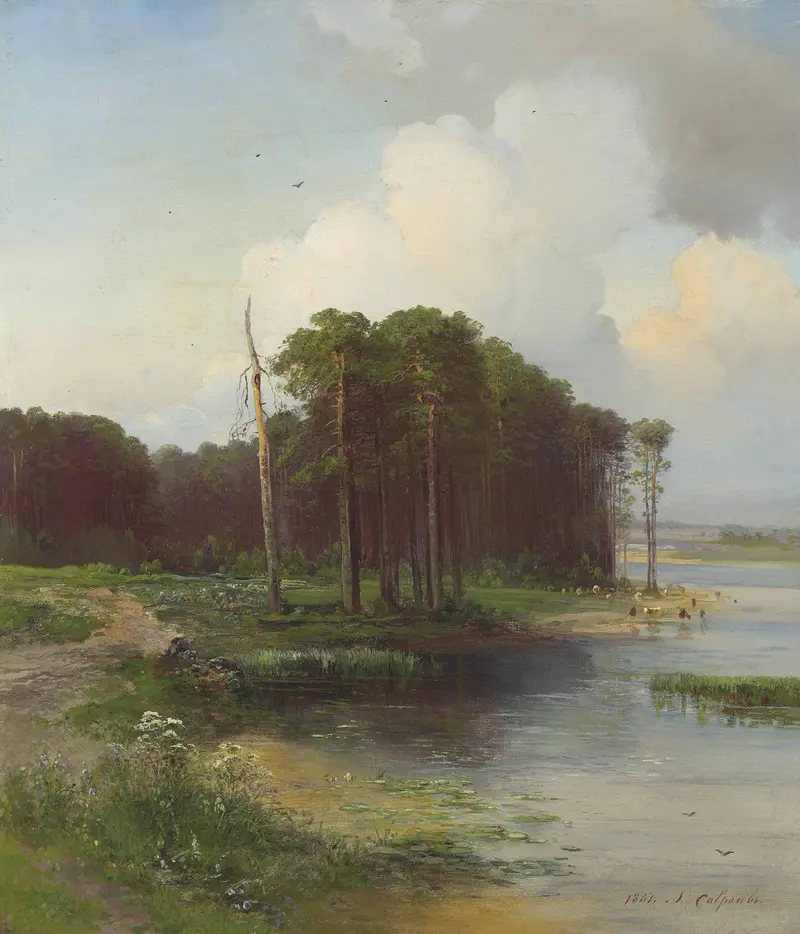
Losiny ostrov (Moose island)
Alexei Kondratievich Savrasov
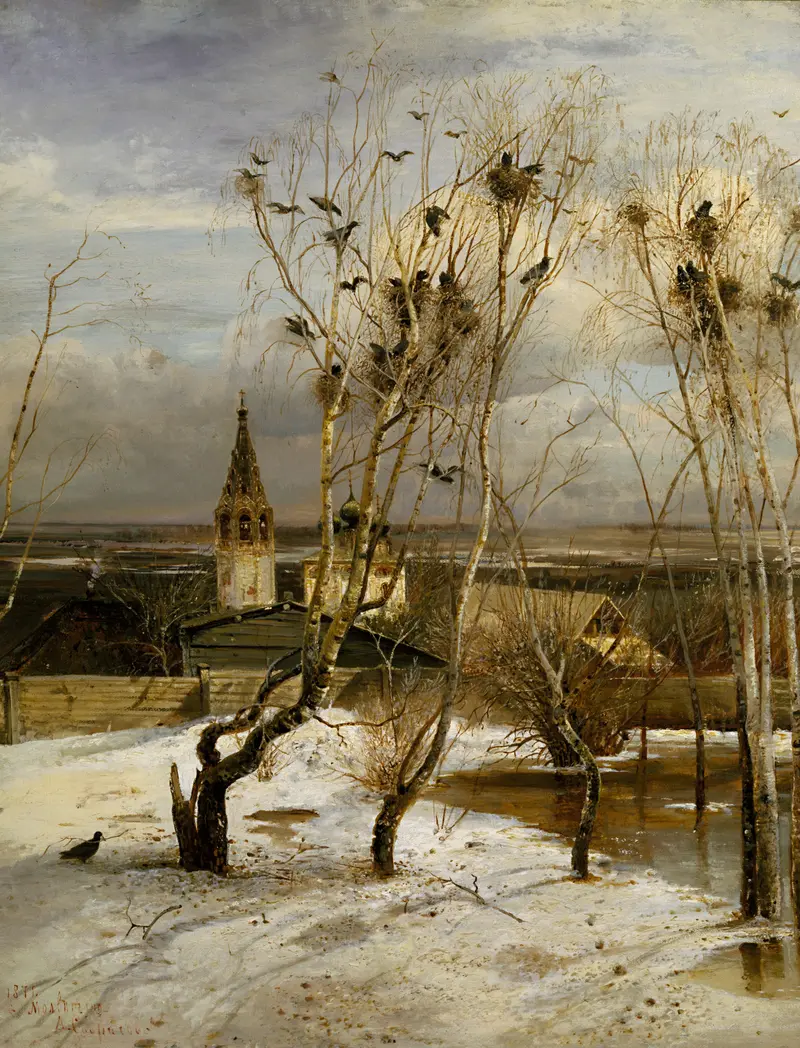
The Rooks Have Returned
Alexei Kondratievich Savrasov
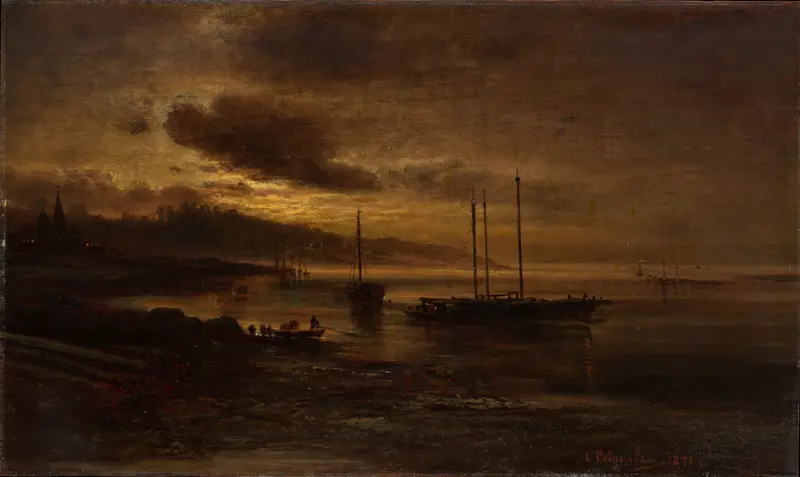
Night Scene on the Volga
Alexei Kondratievich Savrasov
More Landscape Art

The Starry Night
Vincent van Gogh

View of Delft
Johannes Vermeer

Water Lilies
Claude Monet

The Grand Canal, Venice, looking north-west from the Ca' Corner to the Ca' Contarini degli Scrigni, with the campanile of Santa Maria della Carità
Canaletto

Windsor Castle
Canaletto

The Grand Canal looking North-East from the Palazzo Dolfin-Manin to the Rialto Bridge
Canaletto