
Saint Andrew — History & Facts
A shaft of harsh light cuts across the figure, tracing every ridge and hollow of age and bone—this is a body marked by both faith and suffering. The gaze of the old man, cast downward in shadow, draws the viewer into a moment of profound resignation. His hand rests almost limply on a rough wooden surface, while the other seems to brace against the upright form of a cross.
The diagonal of the cross, barely emerging from darkness, is not just a prop but a silent witness to the fate awaiting him. The stark palette of ochres and ashen flesh, set against a void of black, heightens the sense of isolation and gravity; every detail is there to make you feel the weight of the moment. Works like this one, painted by Jusepe de Ribera around 1631, belong to a world where the drama of faith was meant to be seen, felt, and pondered. In early seventeenth-century Spain and Naples, artists brought saints to life with a new intensity—commissioned for churches or private devotion, these images were meant to stir empathy and awe.
Ribera, known for his raw realism and use of tenebrism, often chose the very instant before martyrdom, catching his subjects in the grip of their humanity. This Saint Andrew comes to us through the Museo del Prado, a silent survivor of an age that prized the visible marks of sacrifice. Look again at the lines of the saint’s hand and the battered wood: they are the painter’s answer to a world searching for meaning in flesh and shadow.
More Artworks by Jusepe de Ribera

Saint Francis of Paola
Jusepe de Ribera

Penitent Saint Peter
Jusepe de Ribera
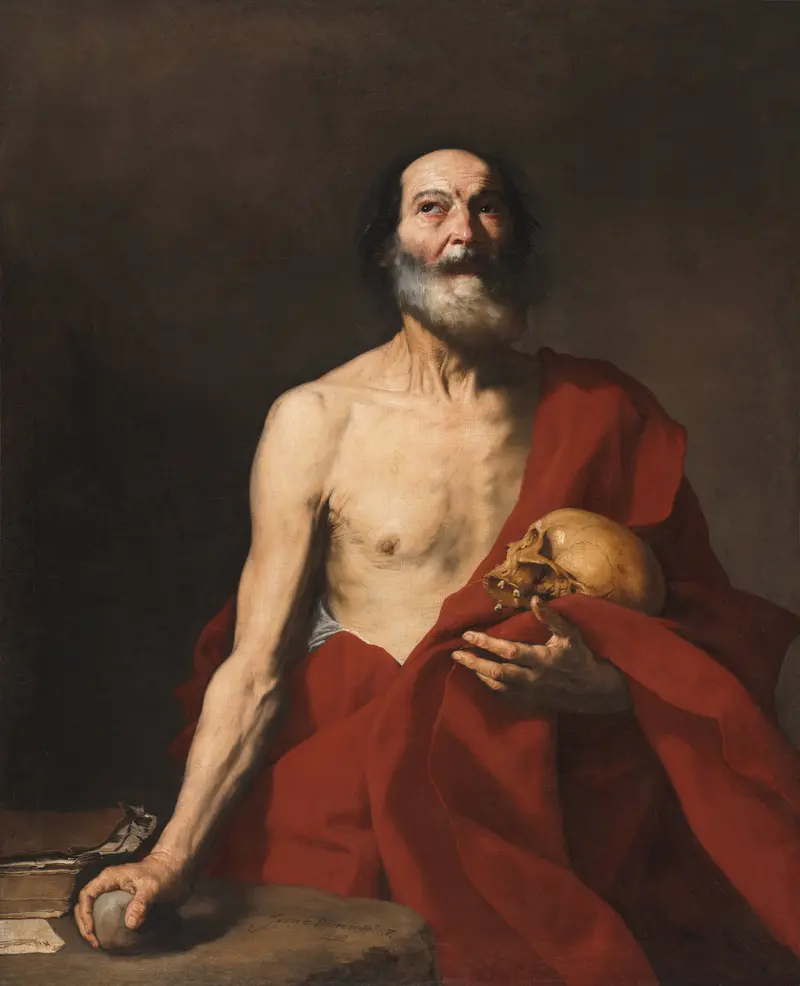
Saint Jerome
Jusepe de Ribera
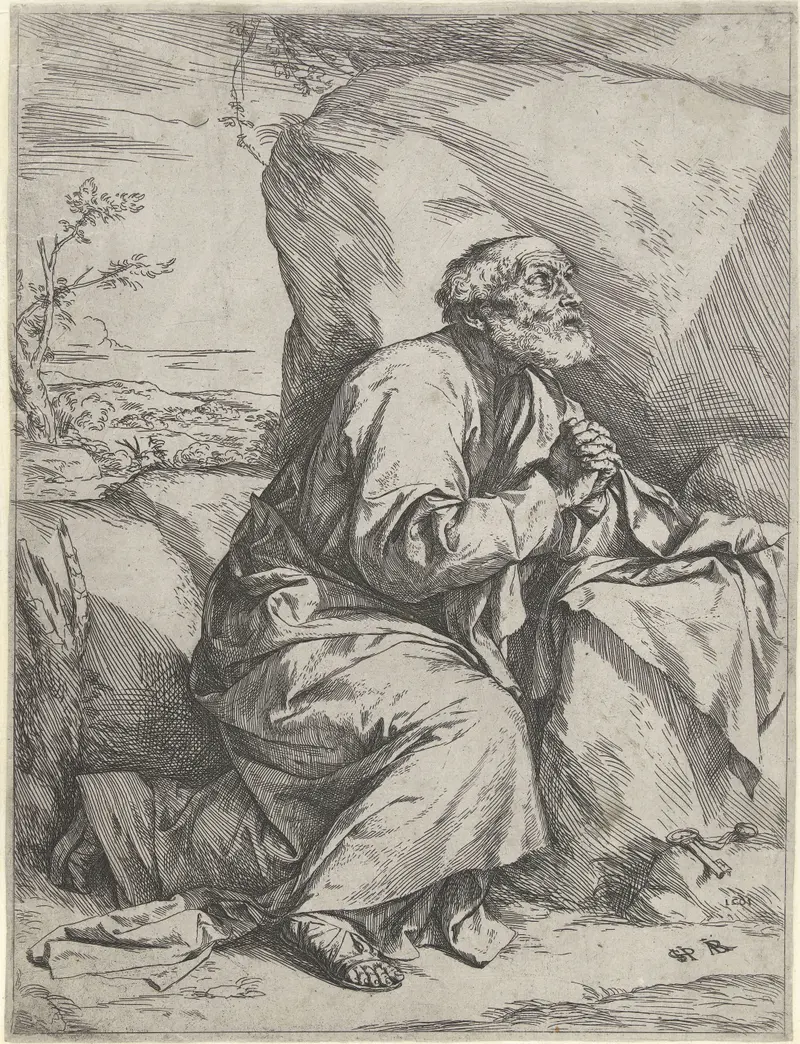
Boetvaardige Petrus
Jusepe de Ribera
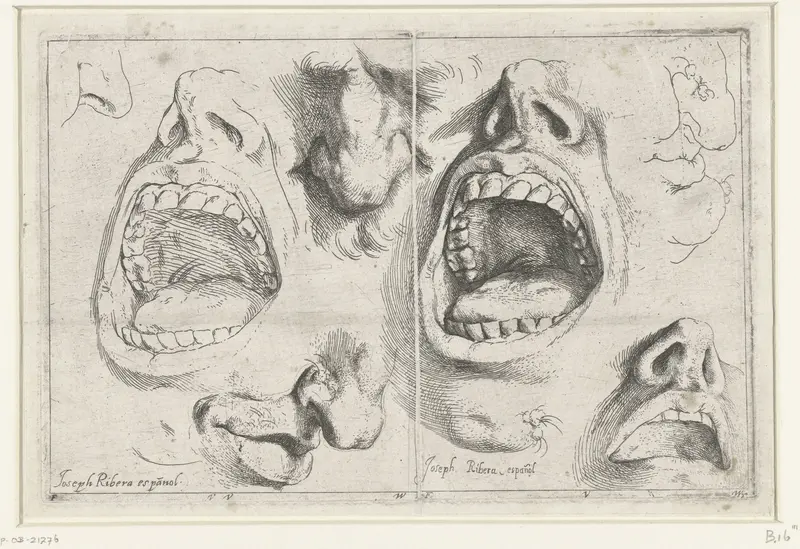
Studies van neus en mond
Jusepe de Ribera
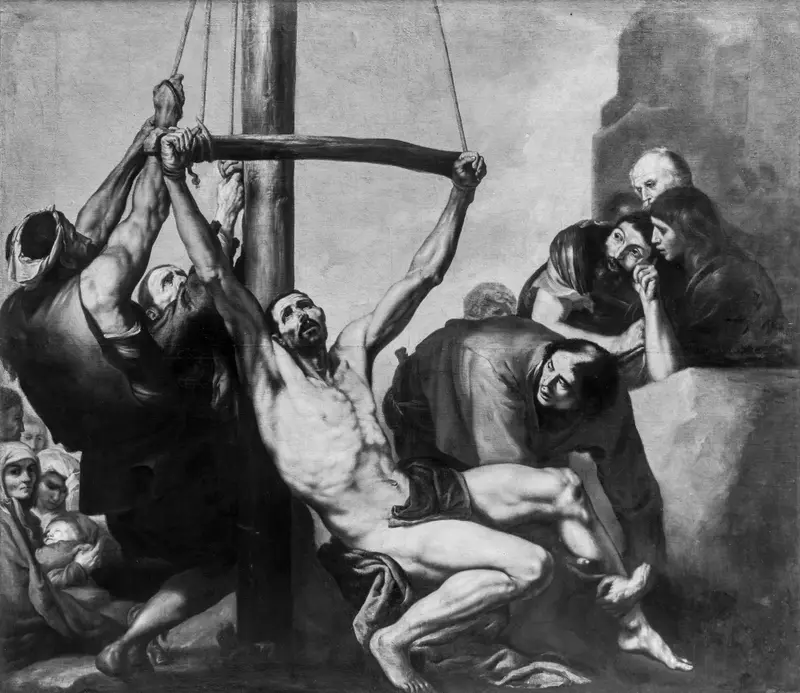
The Martyrdom of Saint Bartholomew
Jusepe de Ribera
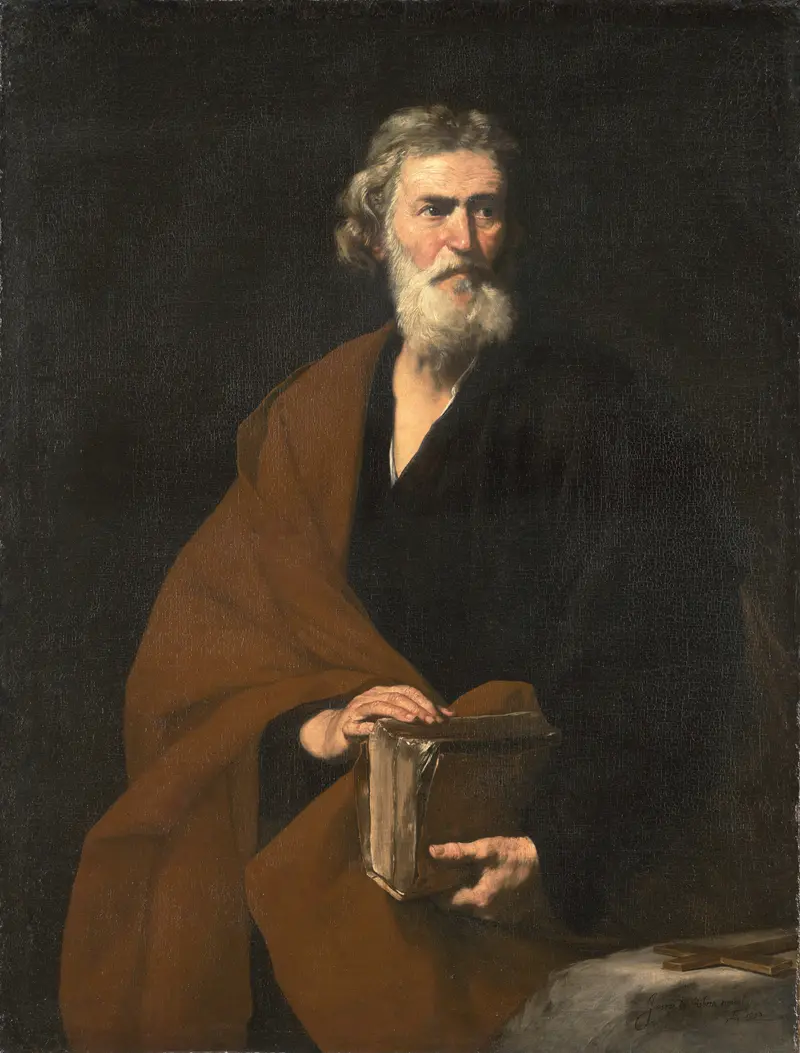
Saint Matthew
Jusepe de Ribera
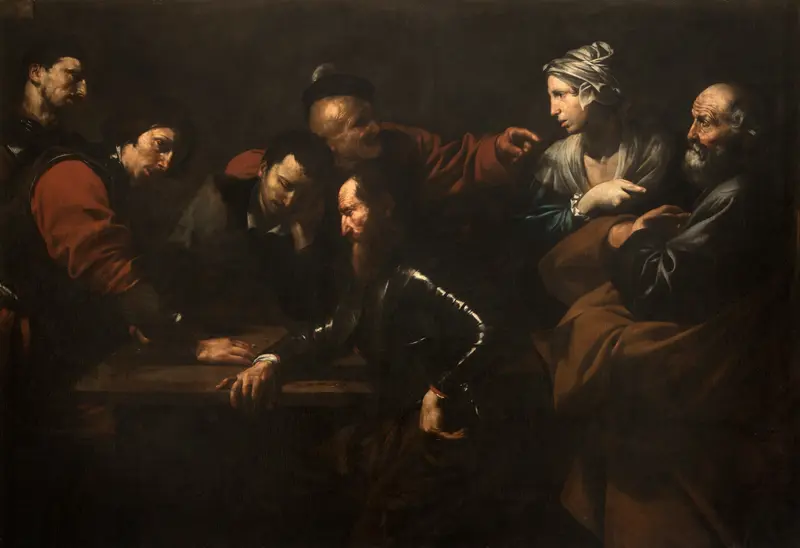
The Denial of Saint Peter
Jusepe de Ribera
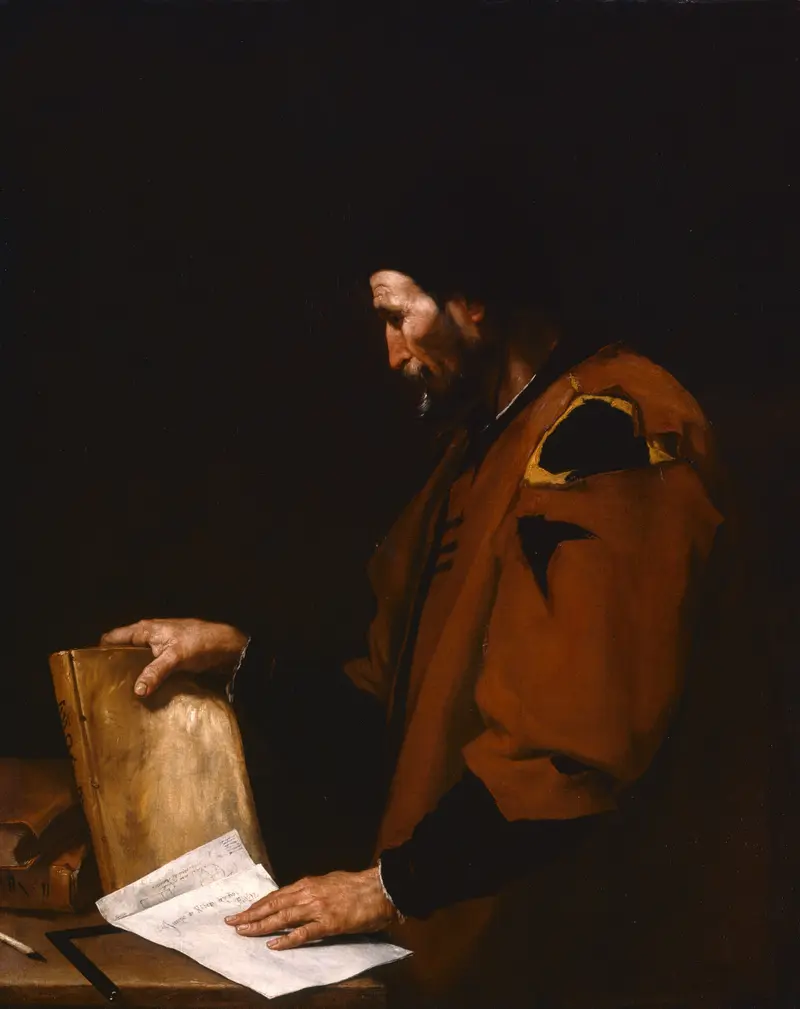
Aristotle
Jusepe de Ribera
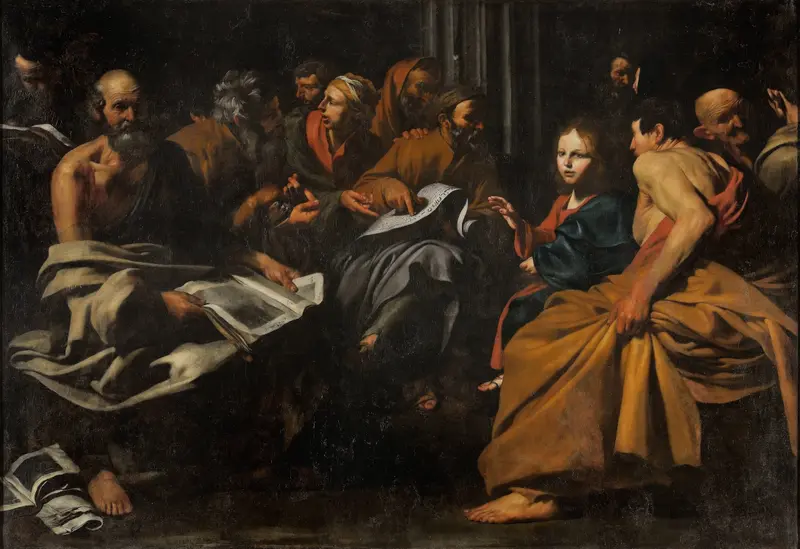
Christ among the doctors
Jusepe de Ribera





