
Saint Francis in the Desert — History & Facts
No one is quite sure why Giovanni Bellini chose to place Saint Francis in the Desert not in the familiar, rocky caves of Assisi, but in a sunlit, Venetian landscape alive with detail. Painted around 1480, this work has puzzled scholars for centuries: is it a vision of the saint receiving the stigmata, or a meditation on spiritual awakening? The ambiguity has fueled debate since at least the 19th century, with some insisting it is not a miracle scene at all, but a portrait of Francis communing with nature. The painting’s unusual setting and mood have made it one of the most discussed and admired works of the Italian Renaissance. At the heart of the scene, Saint Francis stands barefoot outside his humble shelter, arms slightly raised, bathed in a golden light that streams in from the upper left.
The moment is quiet but charged: Francis appears to be caught in rapture, his gaze lifted, as if witnessing something invisible to us. Around him, every object has meaning—the skull on the ledge speaks of mortality, the donkey and rabbit of humility and peace, the lush landscape of divine creation. Unlike Caravaggio’s dramatic, shadowed saints or the explicit wounds in El Greco’s Saint Francis, Bellini offers no visible stigmata, inviting viewers to read the miracle in the light itself and in Francis’s ecstatic posture. The painting’s early history remains somewhat mysterious; it may have been commissioned by a Venetian noble or a Franciscan patron, but no records survive to confirm this.
For centuries, it hung in private palaces before arriving in the United States in the 19th century, where it now resides in The Frick Collection in New York. Saint Francis in the Desert marks a turning point in Bellini’s career, showcasing his mastery of oil paint and landscape, and his ability to fuse the sacred and the everyday. Today, it stands as a testament to the quiet power of contemplation and the enduring mystery of artistic intention.
More Artworks by Giovanni Bellini
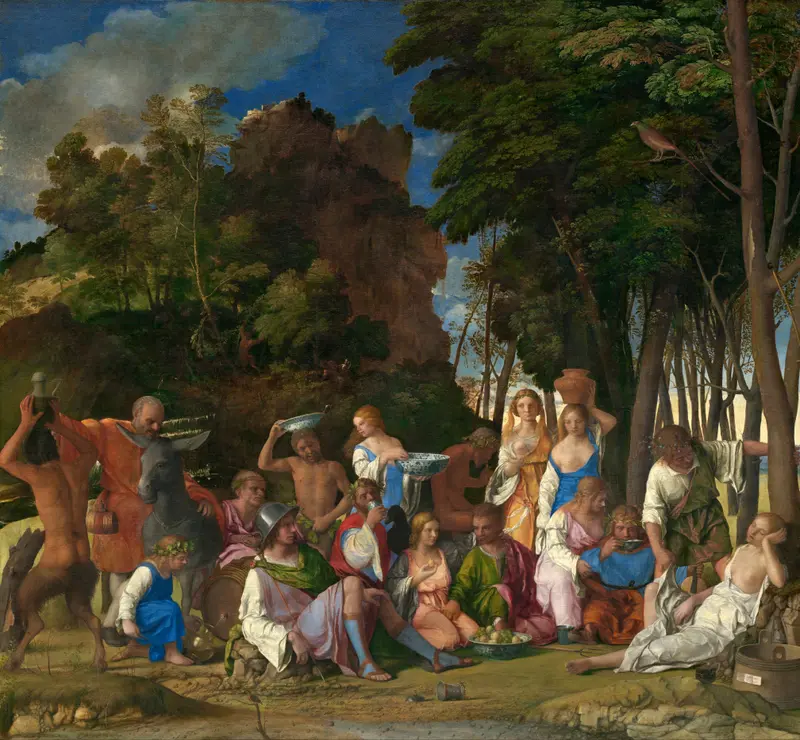
The Feast of the Gods
Giovanni Bellini

Madonna and Child enthroned with Saints and Angels
Giovanni Bellini
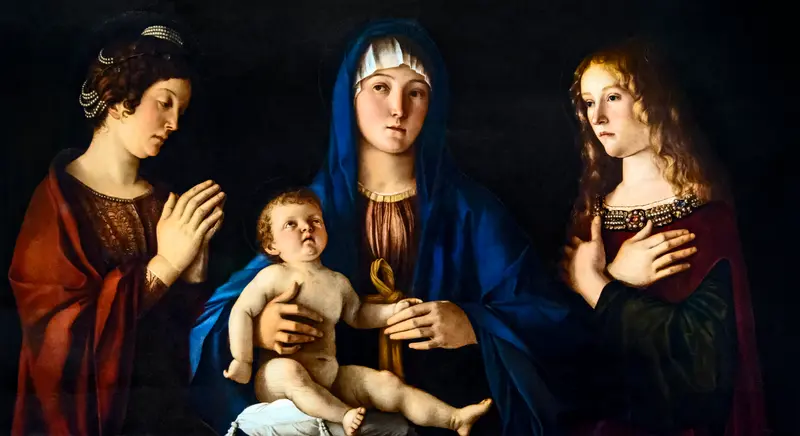
Madonna and Child between Saints Catherine and Mary Magdalene
Giovanni Bellini
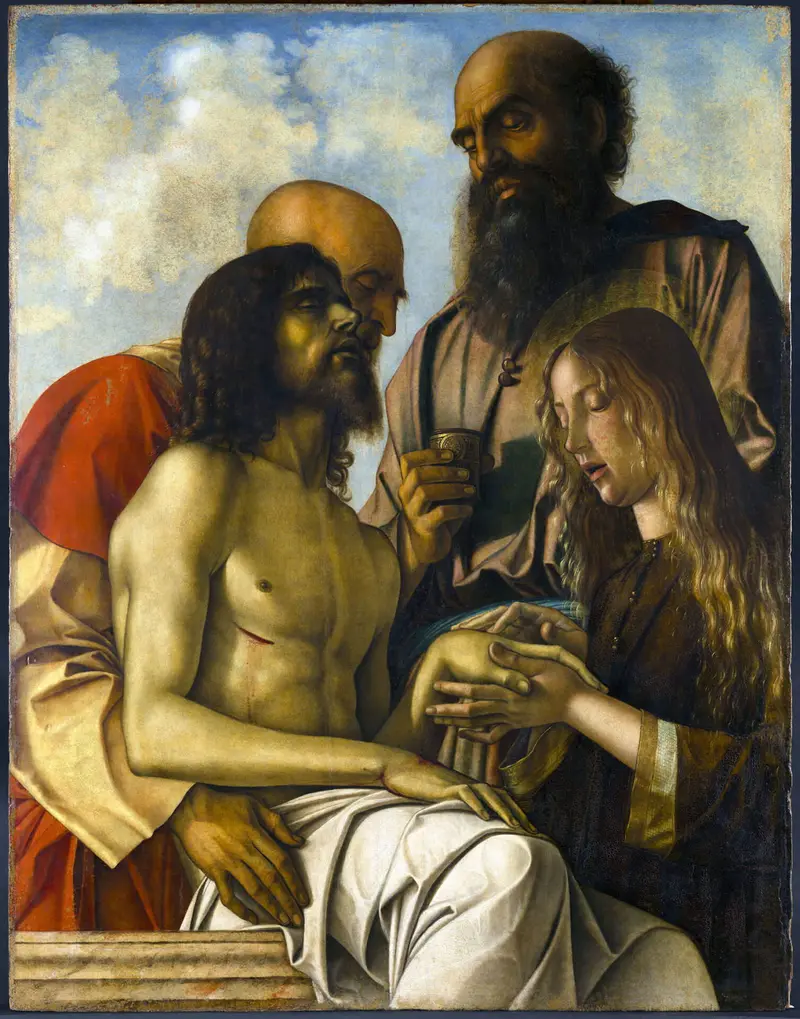
Lamentation over the Dead Christ
Giovanni Bellini
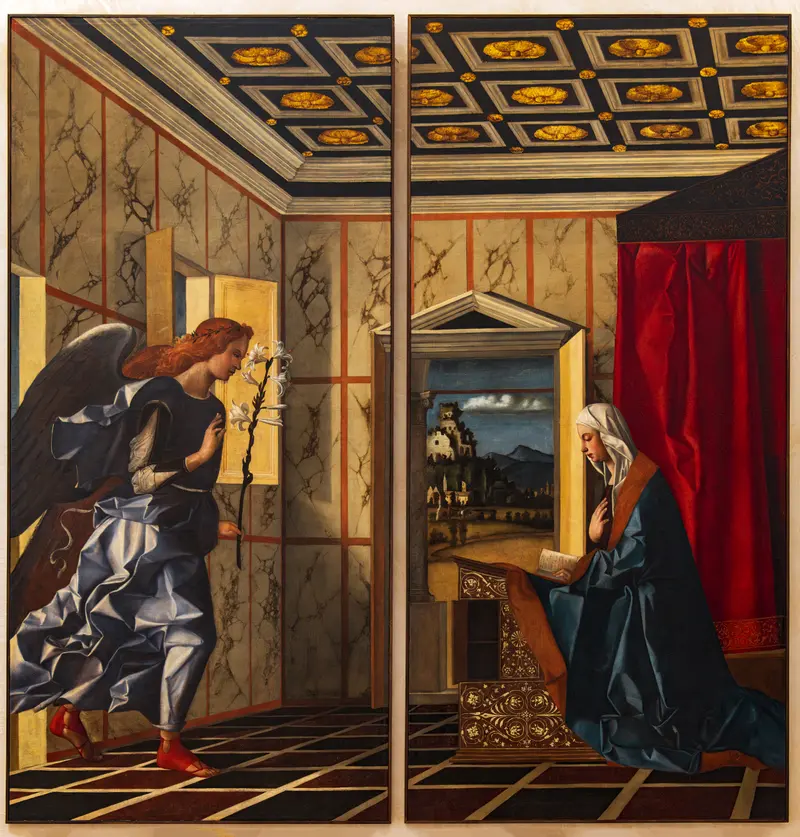
Annunciation
Giovanni Bellini
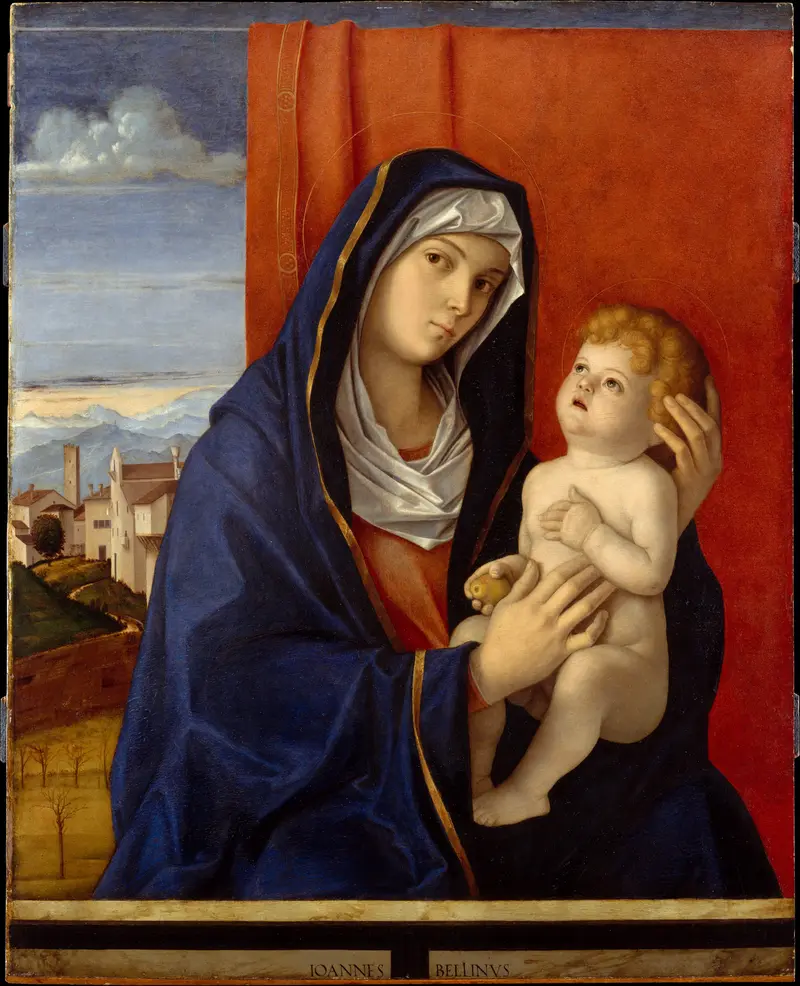
Madonna and Child
Giovanni Bellini
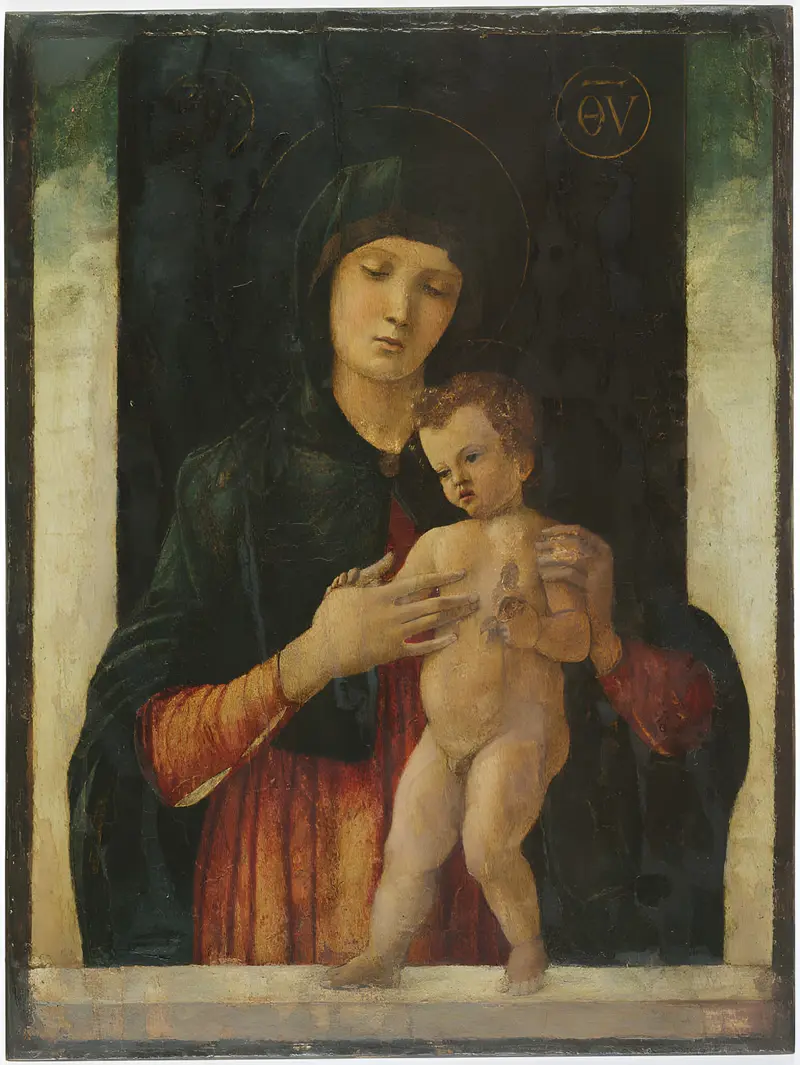
The Virgin and Child
Giovanni Bellini
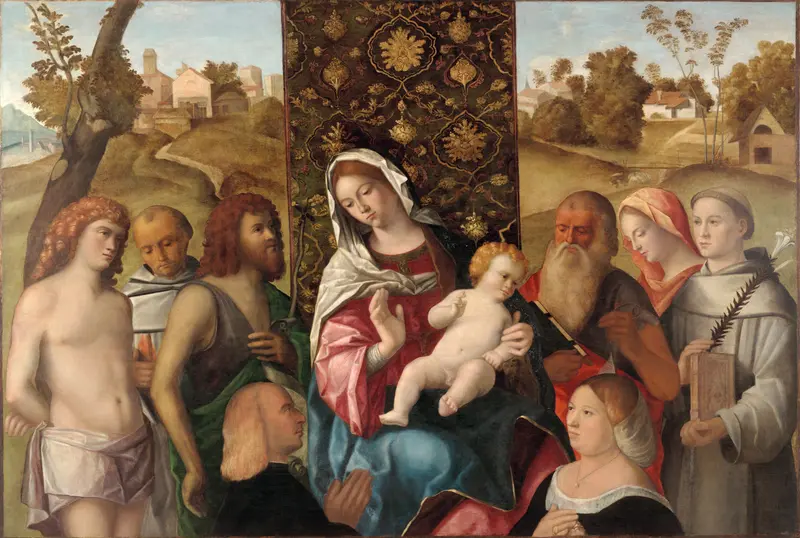
Virgin and Child with Saints Sebastian, Francis, John the Baptist, Jerome, an unidentified female saint, Saint Anthony of Padua and two donors
Giovanni Bellini
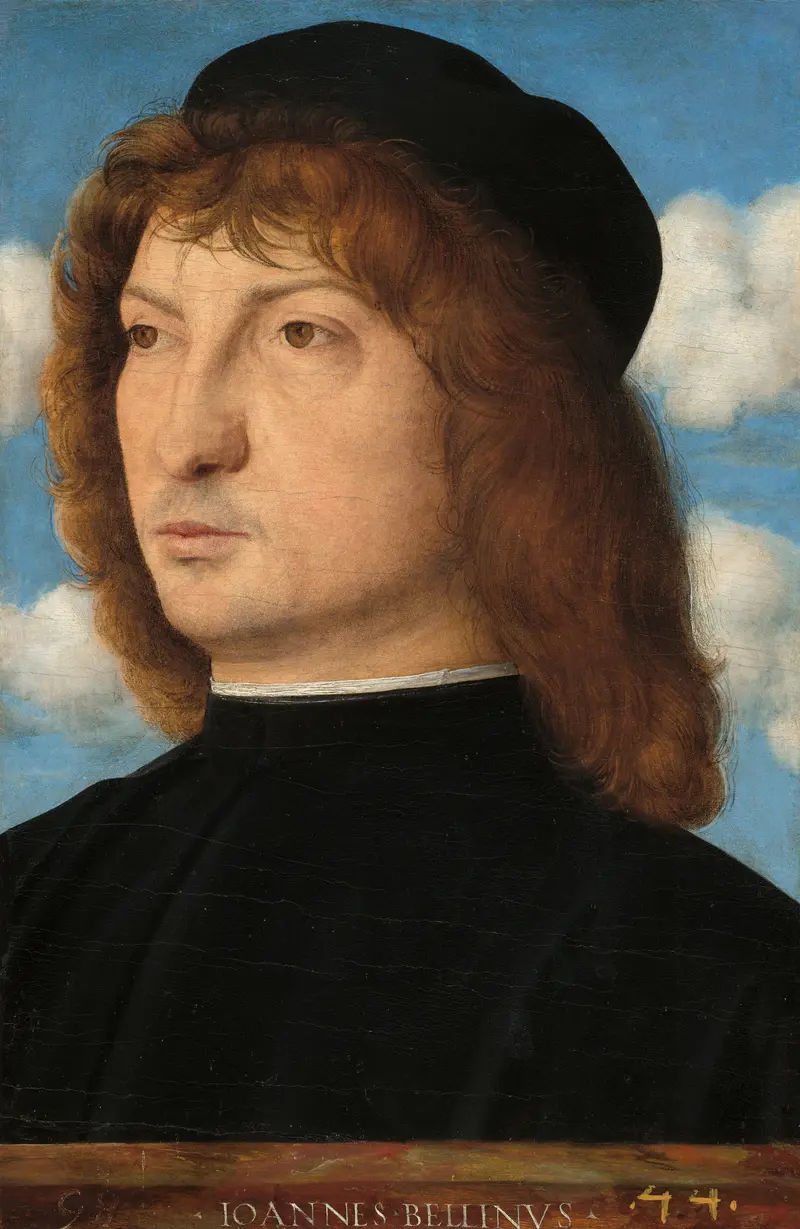
Portrait of a Venetian Gentleman
Giovanni Bellini
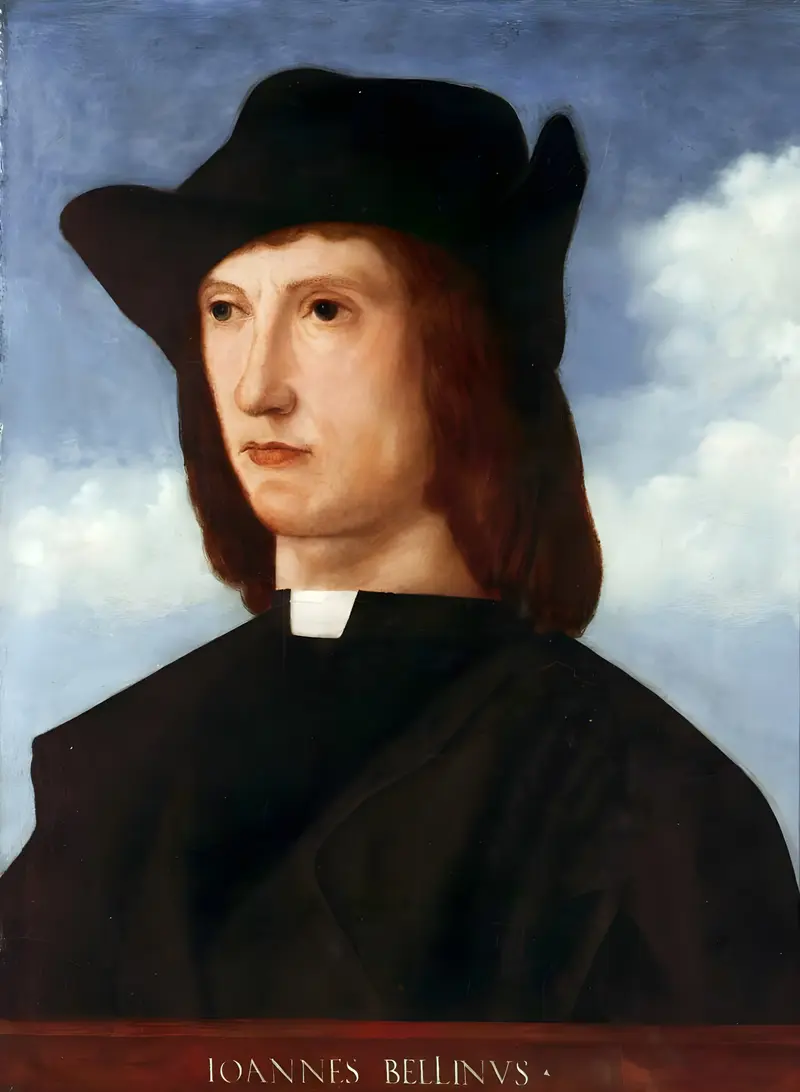
Portrait of a Young Man
Giovanni Bellini





