
Saint Jean Baptiste — History & Facts
When Alexandre Cabanel first presented Saint Jean Baptiste at the 1849 Salon, he was just twenty-six—a rising star in the Parisian art world, already gathering attention for his technical skill and dramatic flair. This early work predates his later fame with The Birth of Venus, yet it was significant enough to earn him a second-place medal, helping launch his academic career. The painting stands out as one of Cabanel’s earliest explorations of religious subjects, a genre that would recur throughout his oeuvre.
Its exhibition at the Salon placed him in direct conversation with the leading painters of his day, setting the stage for his future as a pillar of the Academic movement. In Saint Jean Baptiste, Cabanel captures the Baptist alone in the wilderness, a moment of youthful intensity and spiritual resolve. The figure, draped in a rough camel-hair garment, gazes upward, his right arm extended as if in prophetic declaration. At his feet lies the traditional reed cross, a symbol of his role as Christ’s forerunner, while the wild landscape behind him reinforces his ascetic life.
The play of light across his face and torso highlights both physical vigor and inner conviction, echoing the approach of Guido Reni in his own treatments of the saint, but with a Romantic immediacy that is distinctly Cabanel’s. The painting invites viewers to witness the tension between the solitary human and the divine calling. The precise fate of this canvas after its Salon debut is not fully documented, and its current location is uncertain, though it is sometimes cited in catalogues of Cabanel’s early works. Unlike some of his later commissions for churches and state institutions, Saint Jean Baptiste appears to have been painted for exhibition rather than a specific patron.
Its style and subject matter reveal Cabanel’s early mastery of academic technique and his sensitivity to religious narrative, qualities that would secure his reputation in the decades to come. Today, the painting is valued as a key milestone in the artist’s formation, marking his transition from promising student to celebrated figure in nineteenth-century French art.
More Artworks by Alexandre Cabanel
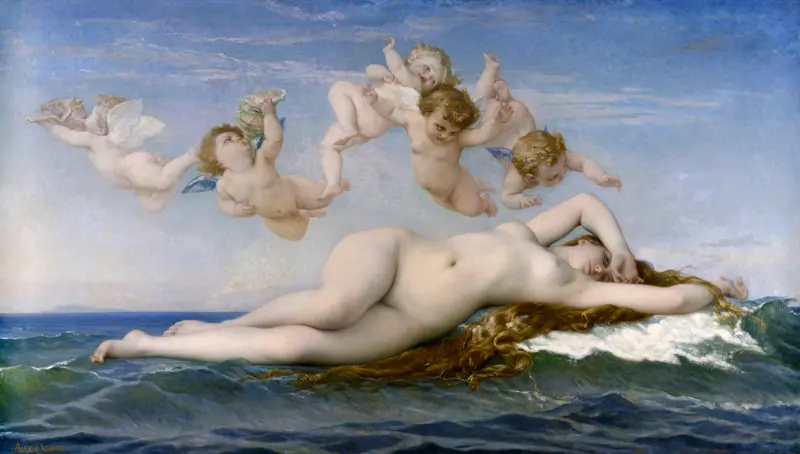
The Birth of Venus
Alexandre Cabanel
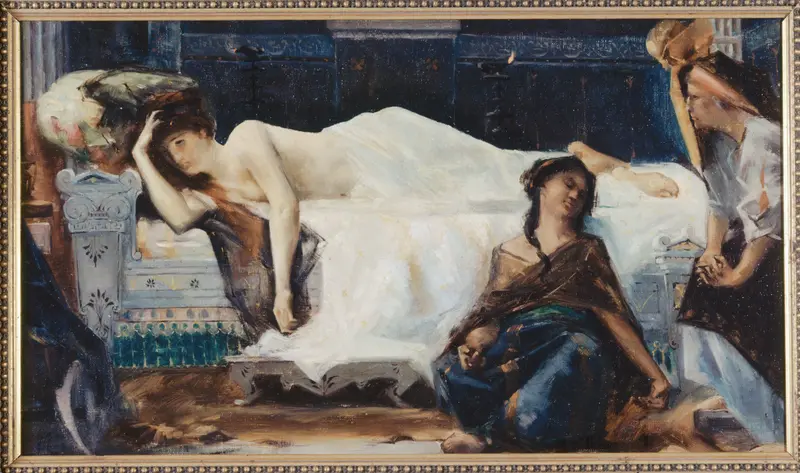
Phèdre
Alexandre Cabanel
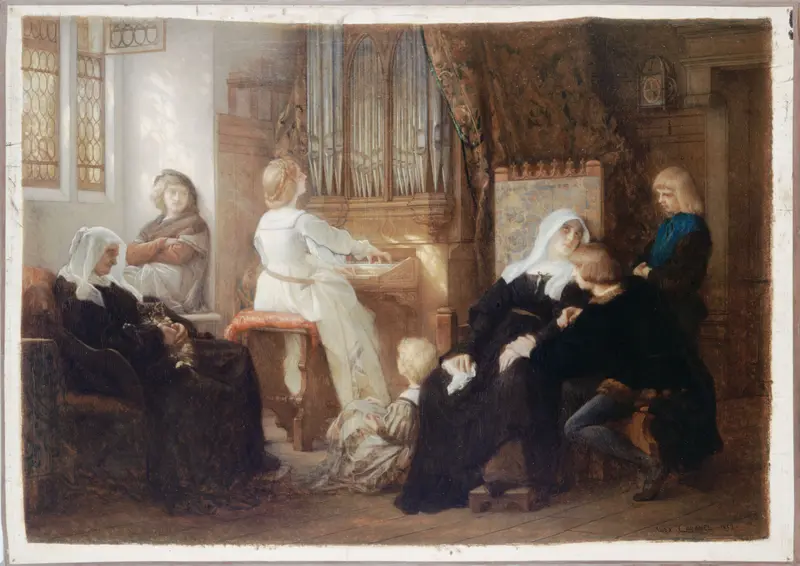
La veuve du maître de chapelle
Alexandre Cabanel
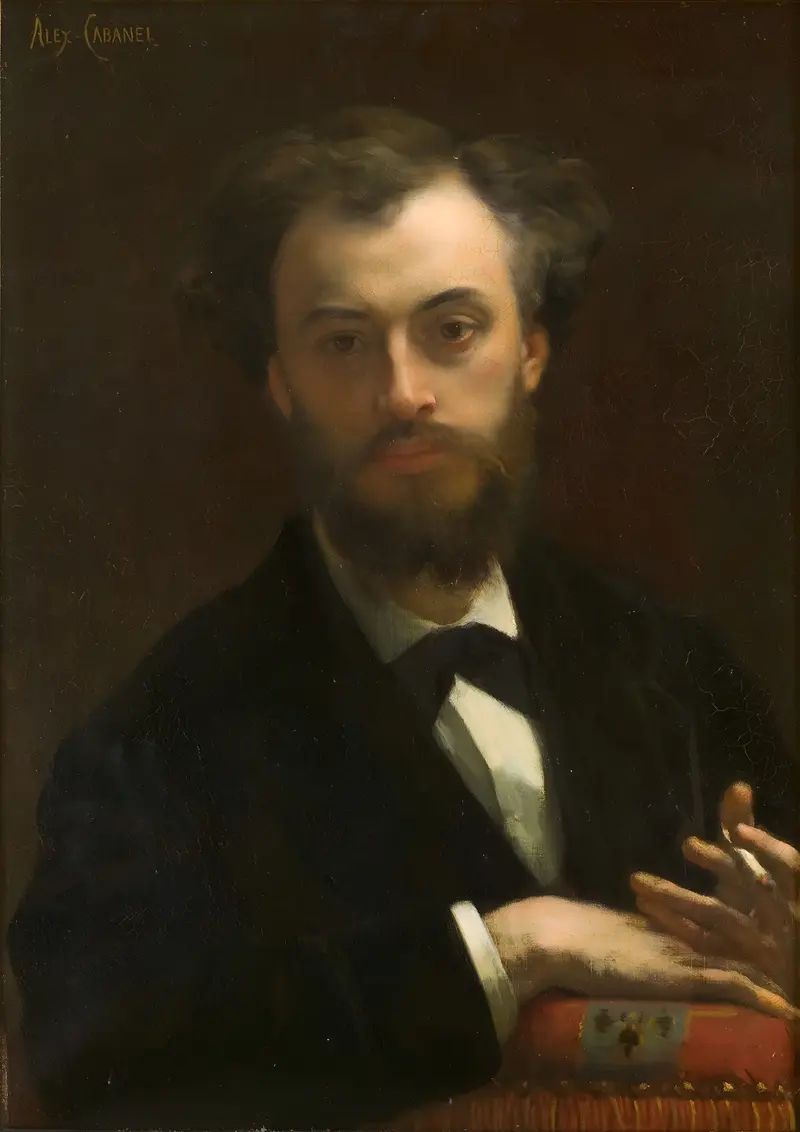
Portrait de M. Pierre Cabanel
Alexandre Cabanel
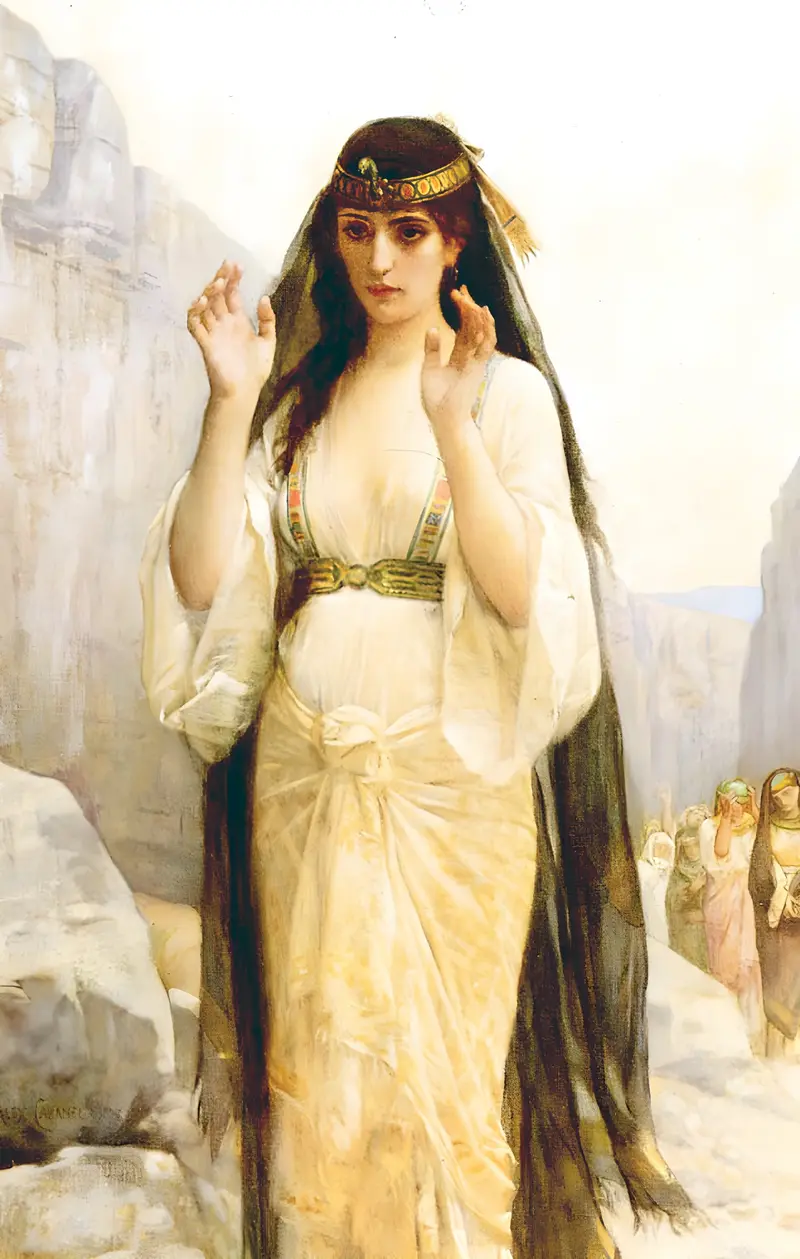
The Daughter of Jephthah
Alexandre Cabanel
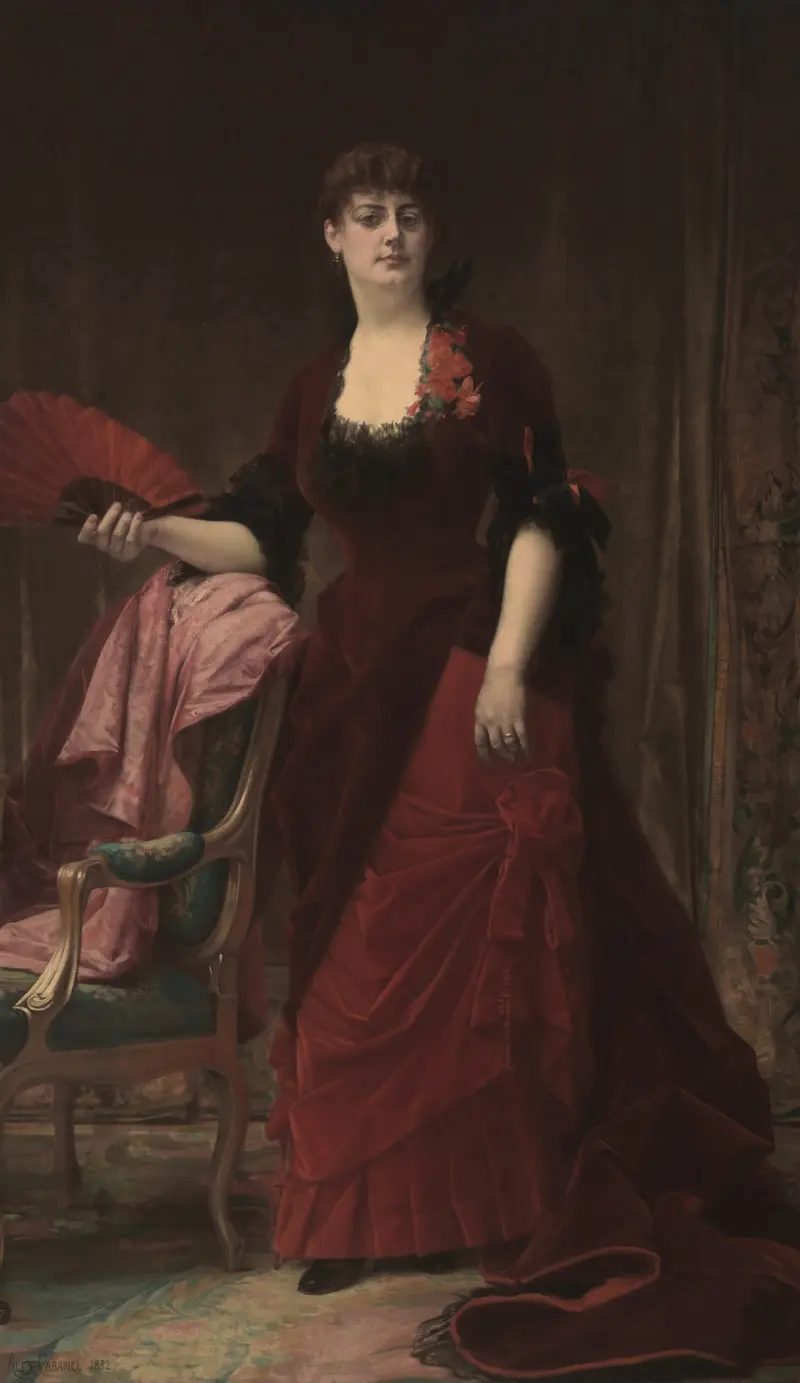
Portrait of Arabella Worsham (later Arabella Huntington)
Alexandre Cabanel
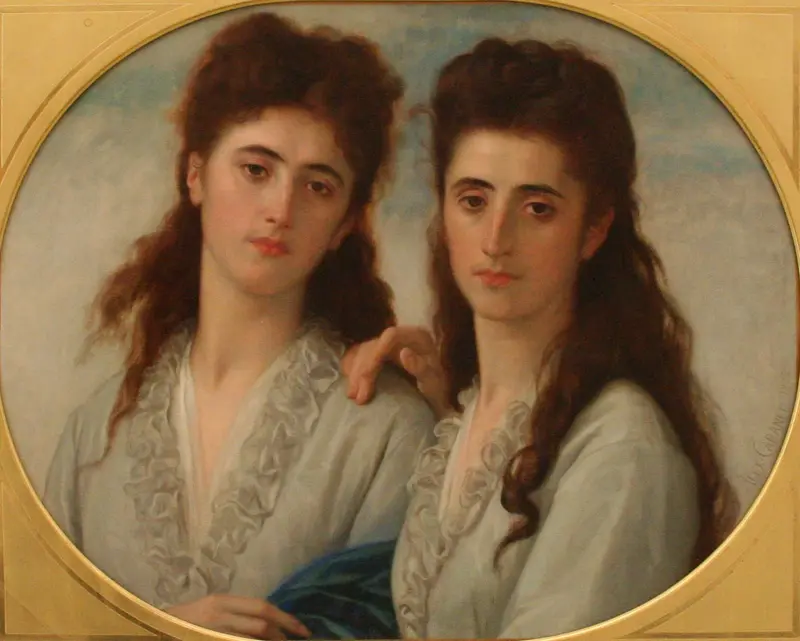
Portrait de mesdemoiselles Sophie et Berthe Cabanel
Alexandre Cabanel
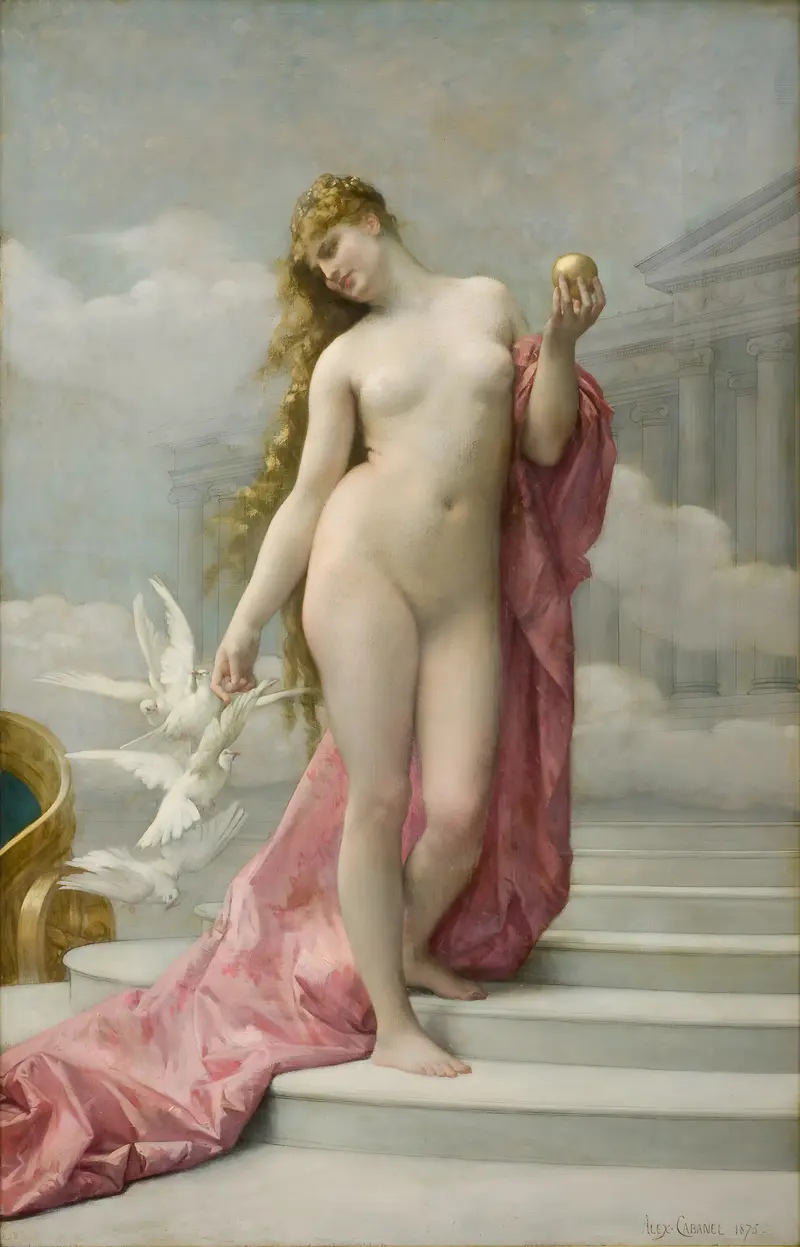
Vénus victorieuse
Alexandre Cabanel
Judith
Alexandre Cabanel
Catharine Lorillard Wolfe (1828–1887)
Alexandre Cabanel





