Phèdre — History & Facts
A pale, half-nude woman reclines on an ornate bed, her body draped in a sheer white sheet that slips down to reveal her bare torso and arm. Her left arm props up her head as she gazes outward, her expression somber and distant, while her dark hair is disheveled across a lavishly patterned pillow. At the foot of the bed, a woman in a brown garment sits slumped, her head bowed and eyes closed, her posture conveying exhaustion or grief.
To the right, another woman leans forward, her body half turned out of the frame, hands clasped tightly as she peers anxiously toward the central figure. The background is filled with deep blue architectural elements and intricate patterns, lending an exotic and opulent atmosphere to the scene. Light enters from the left, illuminating the reclining woman's body and the white sheet, while the rest of the room recedes into shadow, heightening the drama of the composition.
The composition is carefully balanced, with the horizontal line of the bed anchoring the scene and the figures arranged to guide the gaze from left to right across the emotional tableau. Small details, such as the woman's fingers tangled in the sheet and the clasped hands of the standing attendant, intensify the sense of psychological tension. Phèdre was painted by Alexandre Cabanel in 1880, a time when he was known for his academic approach and interest in literary and mythological subjects. Cabanel's depiction of Phaedra reflects his fascination with theatrical heroines and his ability to convey intense emotion through pose and setting.
The large scale of the original painting aligns with the tradition of history painting, which Cabanel and other academic artists favored for its capacity to elevate literary and mythological narratives.
Sources: Musée Fabre, record 880.2.1 · Wikidata Q19895125 · Wikipedia: Phaedra (Cabanel) · Image source (Wikimedia Commons)
More Artworks by Alexandre Cabanel
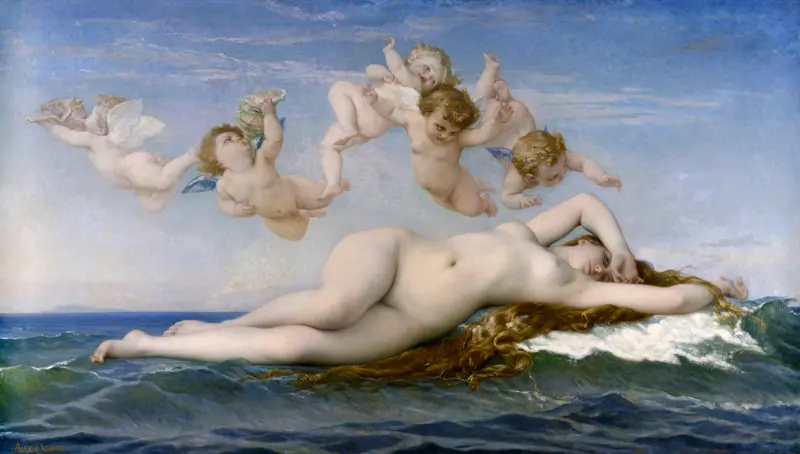
The Birth of Venus
Alexandre Cabanel
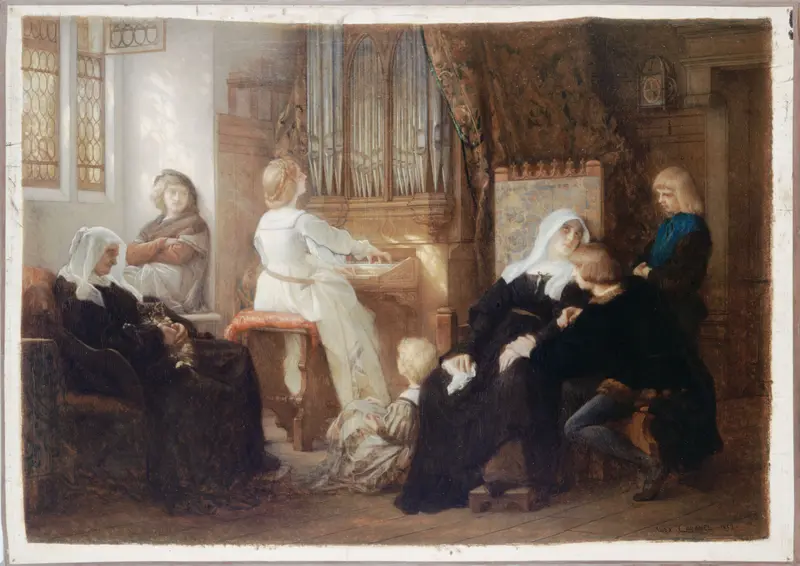
La veuve du maître de chapelle
Alexandre Cabanel
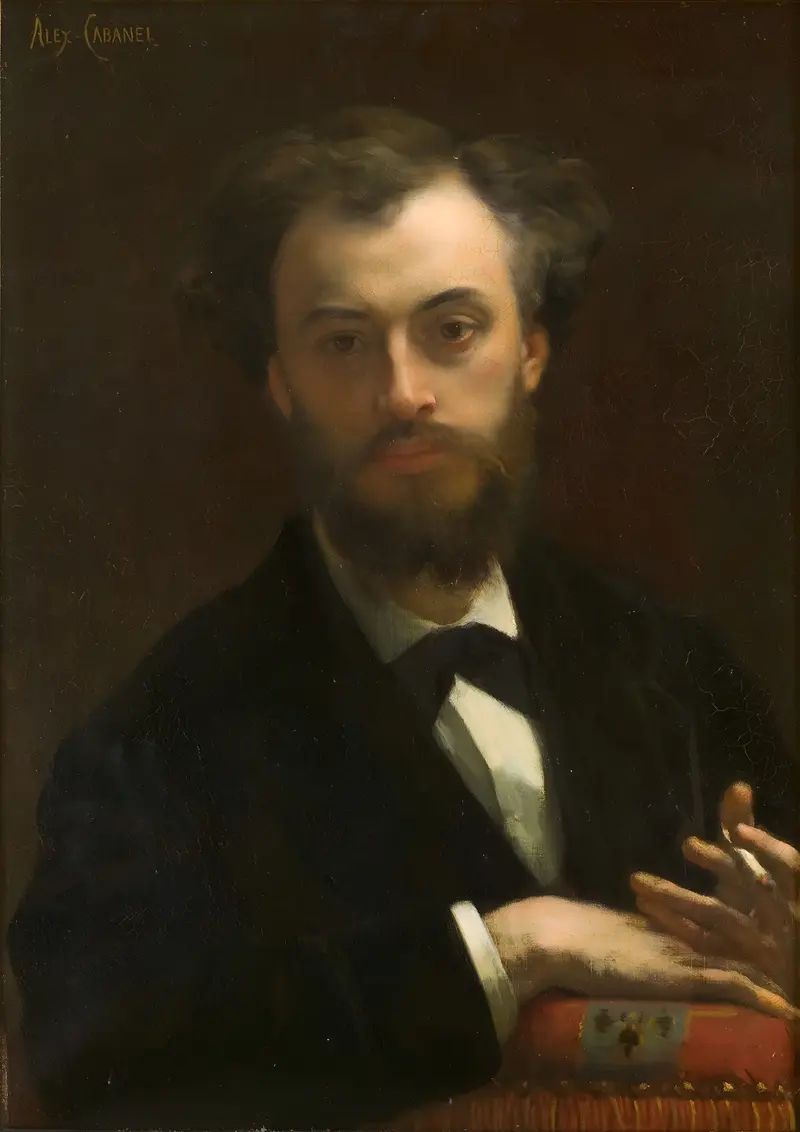
Portrait de M. Pierre Cabanel
Alexandre Cabanel
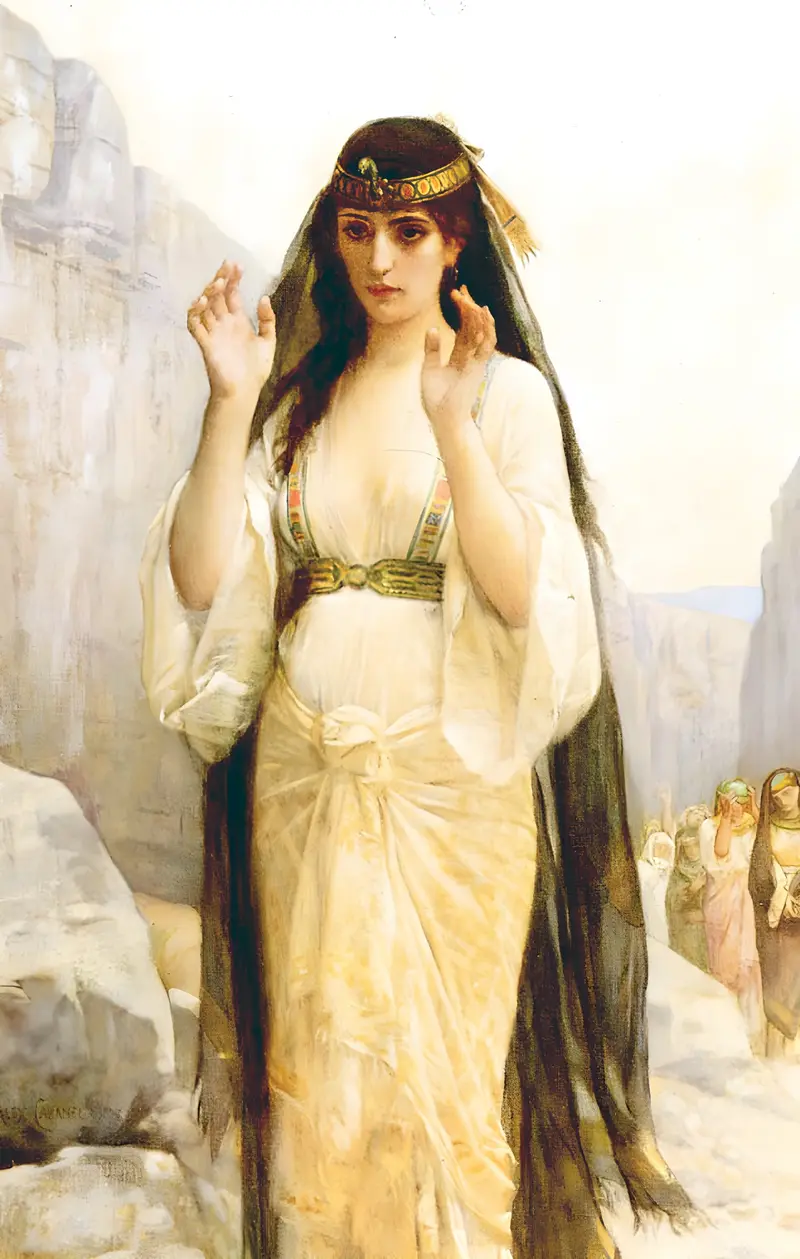
The Daughter of Jephthah
Alexandre Cabanel
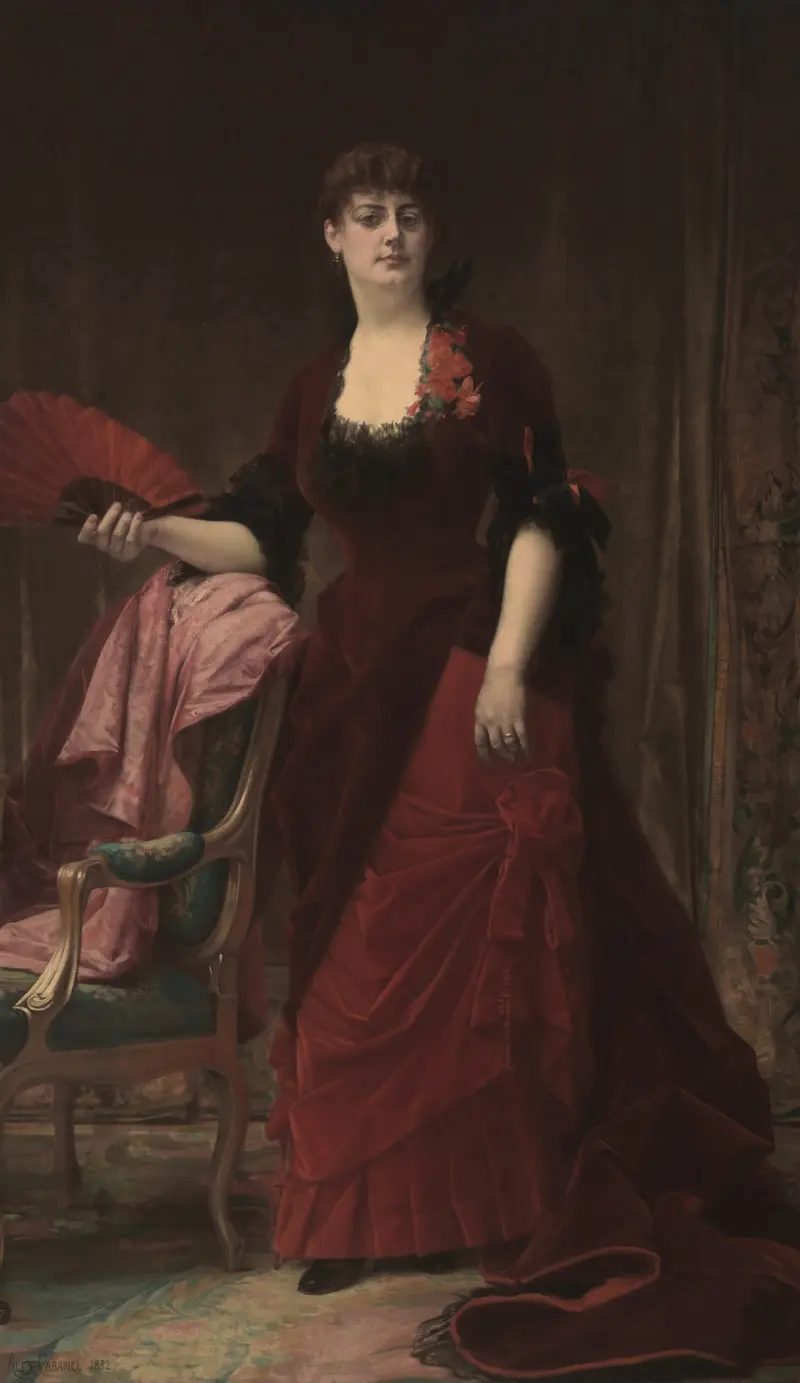
Portrait of Arabella Worsham (later Arabella Huntington)
Alexandre Cabanel
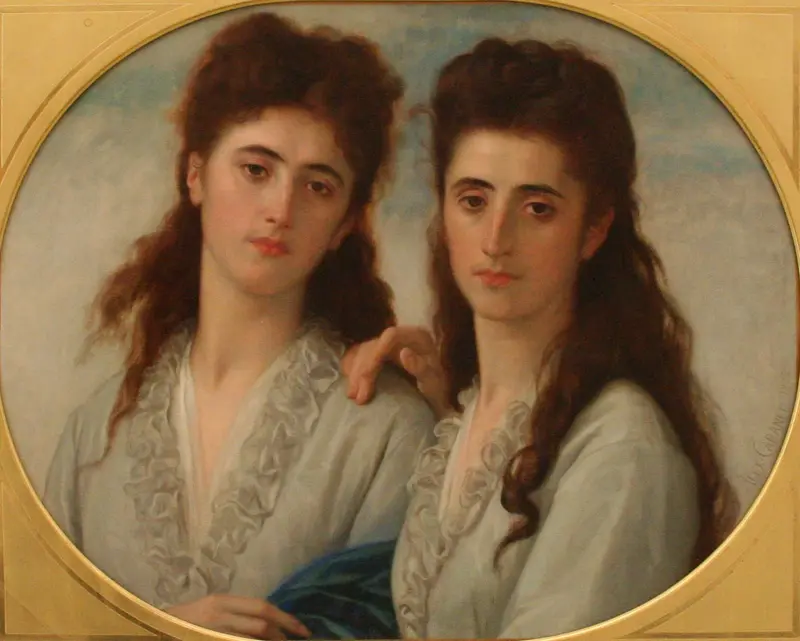
Portrait de mesdemoiselles Sophie et Berthe Cabanel
Alexandre Cabanel
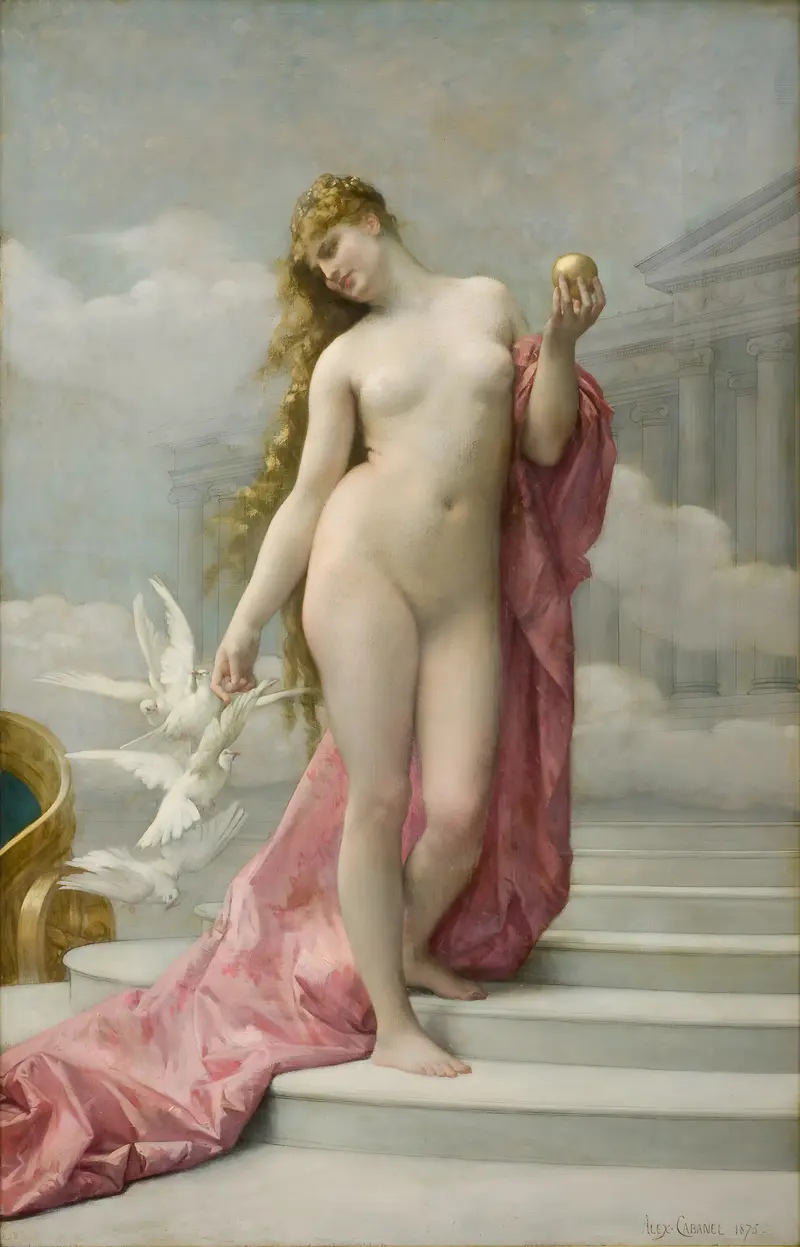
Vénus victorieuse
Alexandre Cabanel
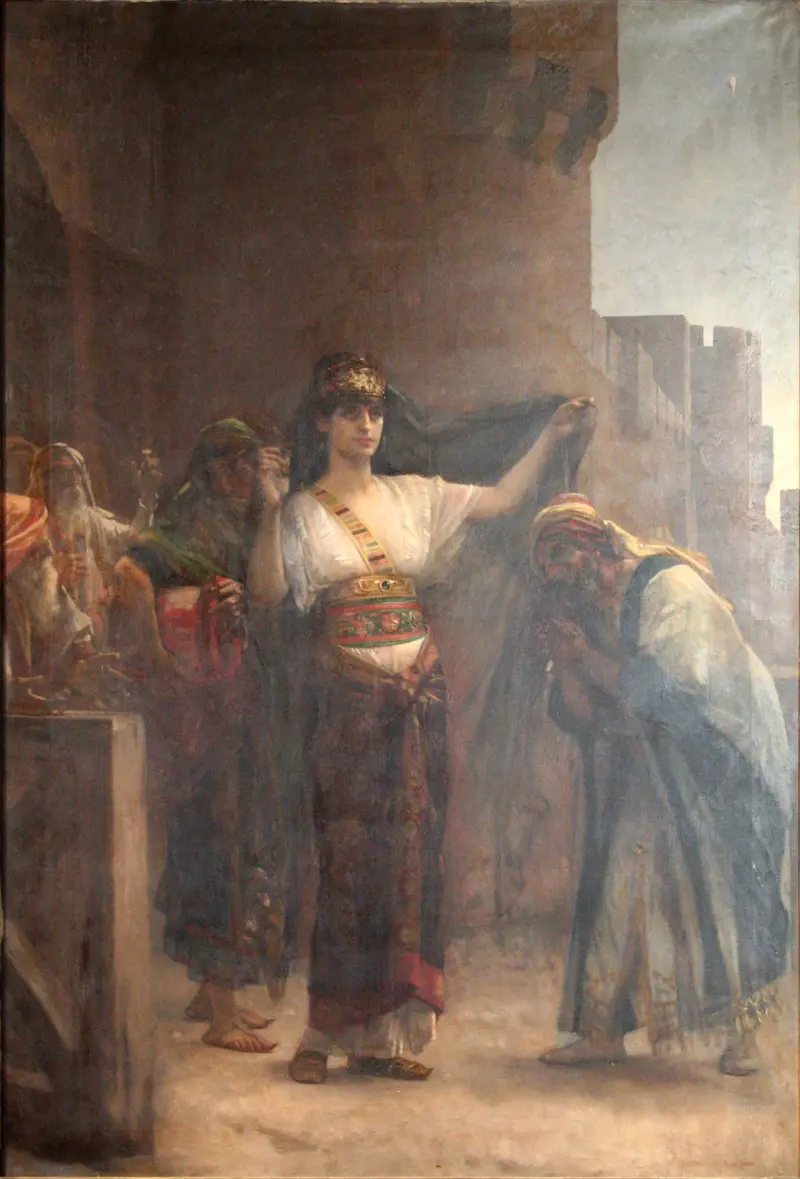
Judith
Alexandre Cabanel
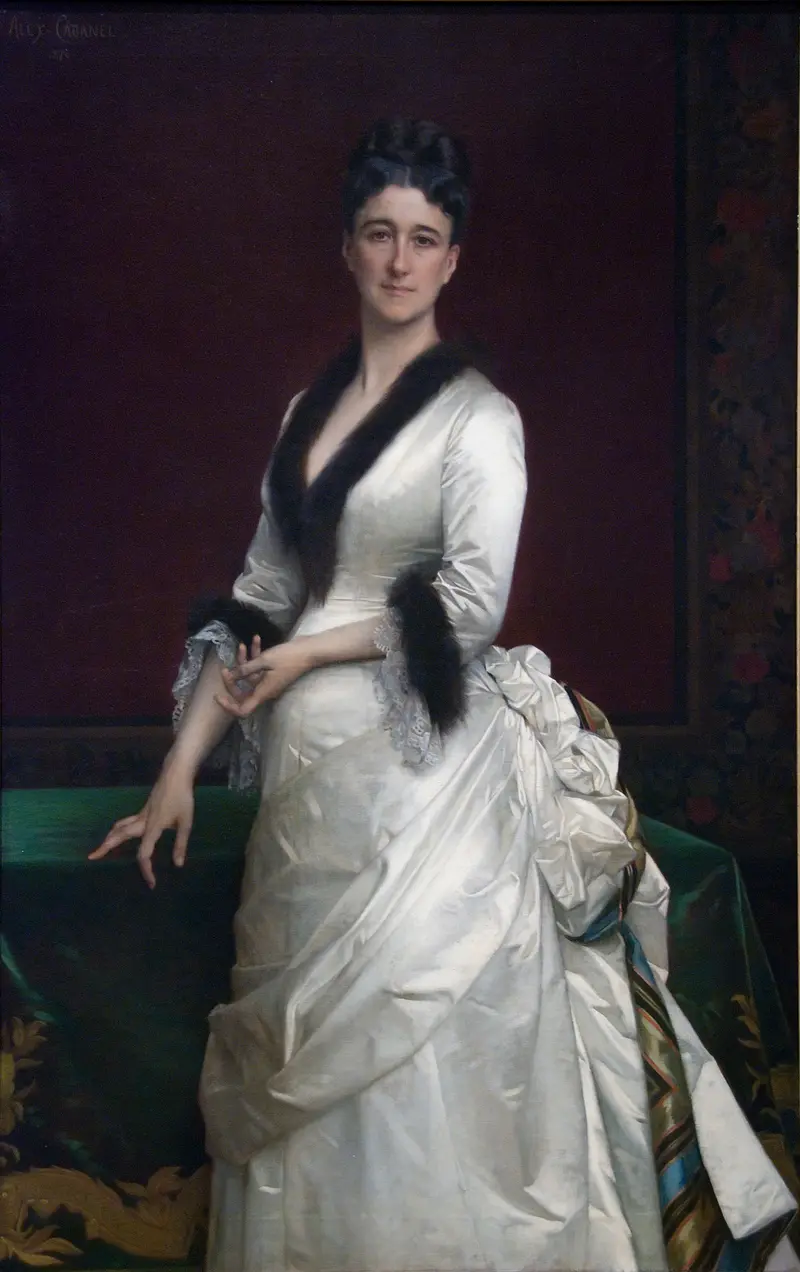
Catharine Lorillard Wolfe (1828–1887)
Alexandre Cabanel
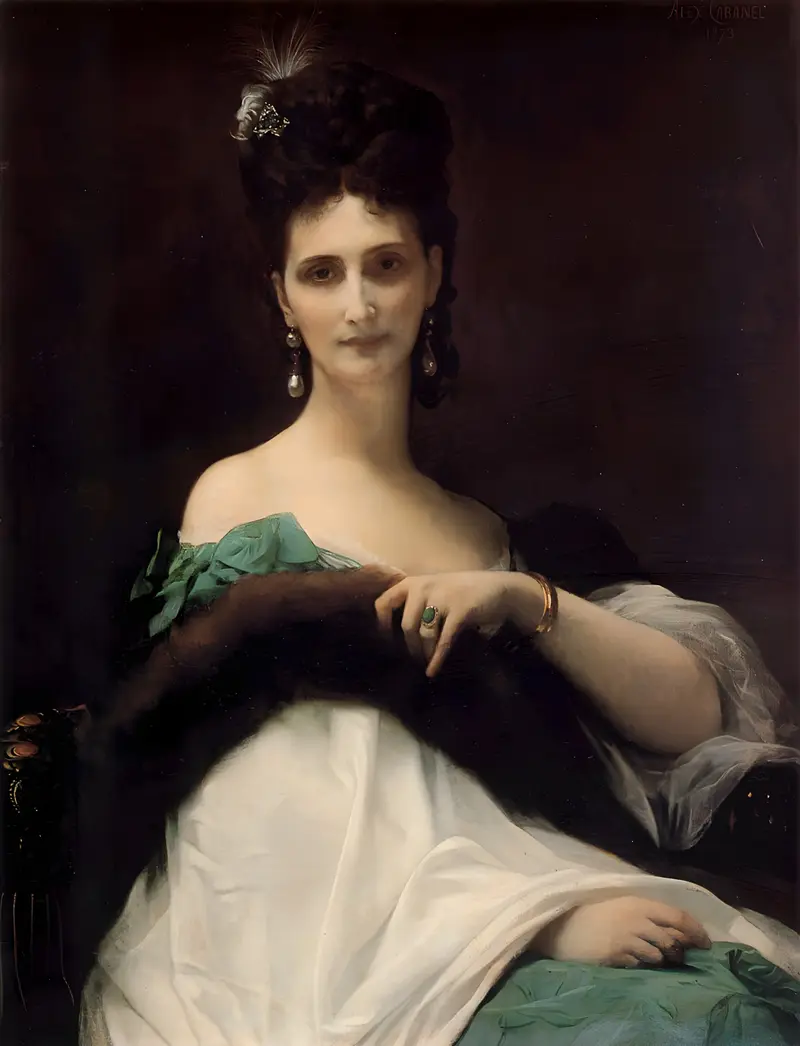
La Comtesse De Keller (marquise de Saint Yves d'Alveydre)
Alexandre Cabanel